More Videos You Can Watch
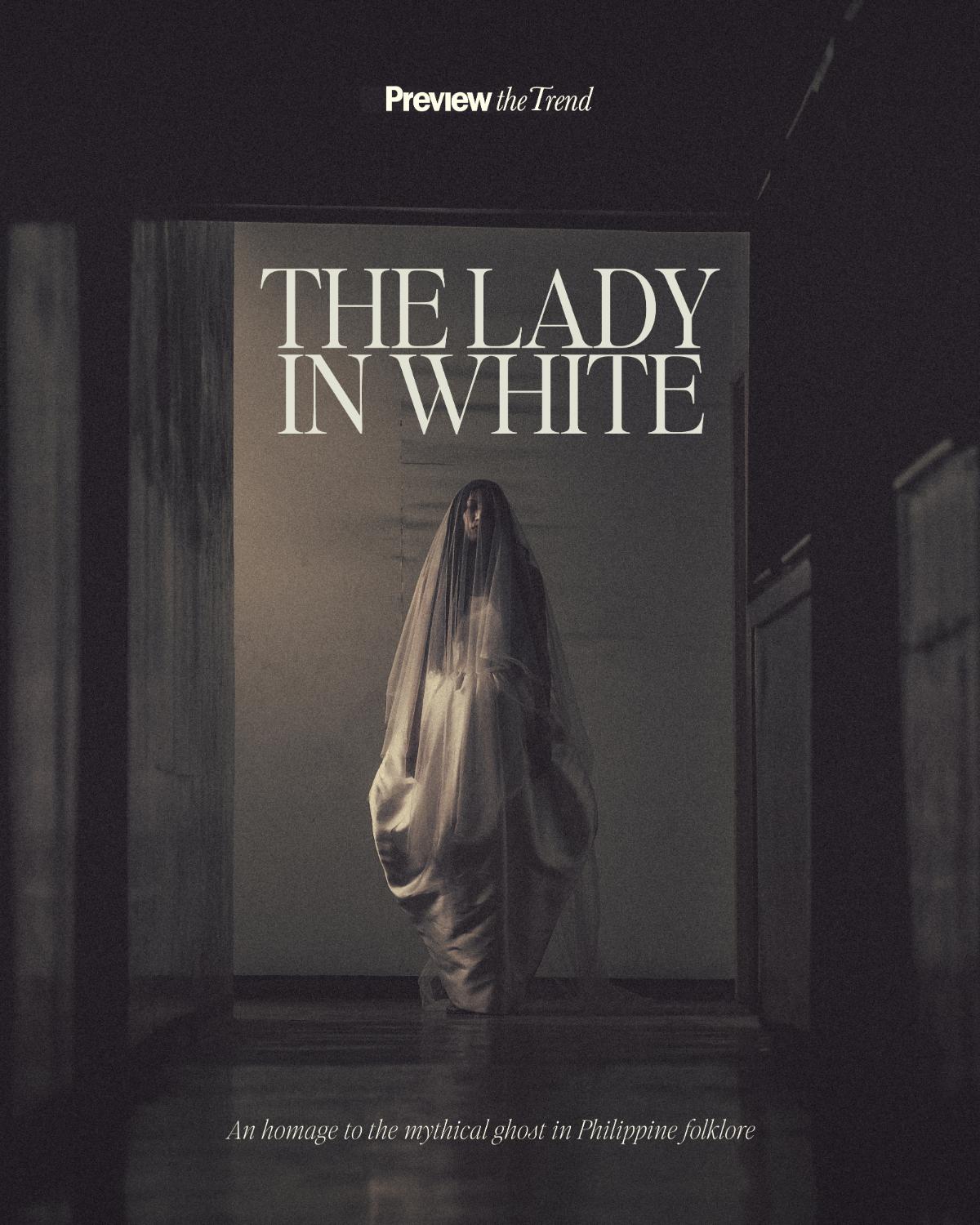
The Lady in White: An Homage to the Mythical Ghost of Philippine Folklore
The white lady symbolizes horrors even outside of the afterlife.
by Em Enriquez
Published Oct 31, 2024
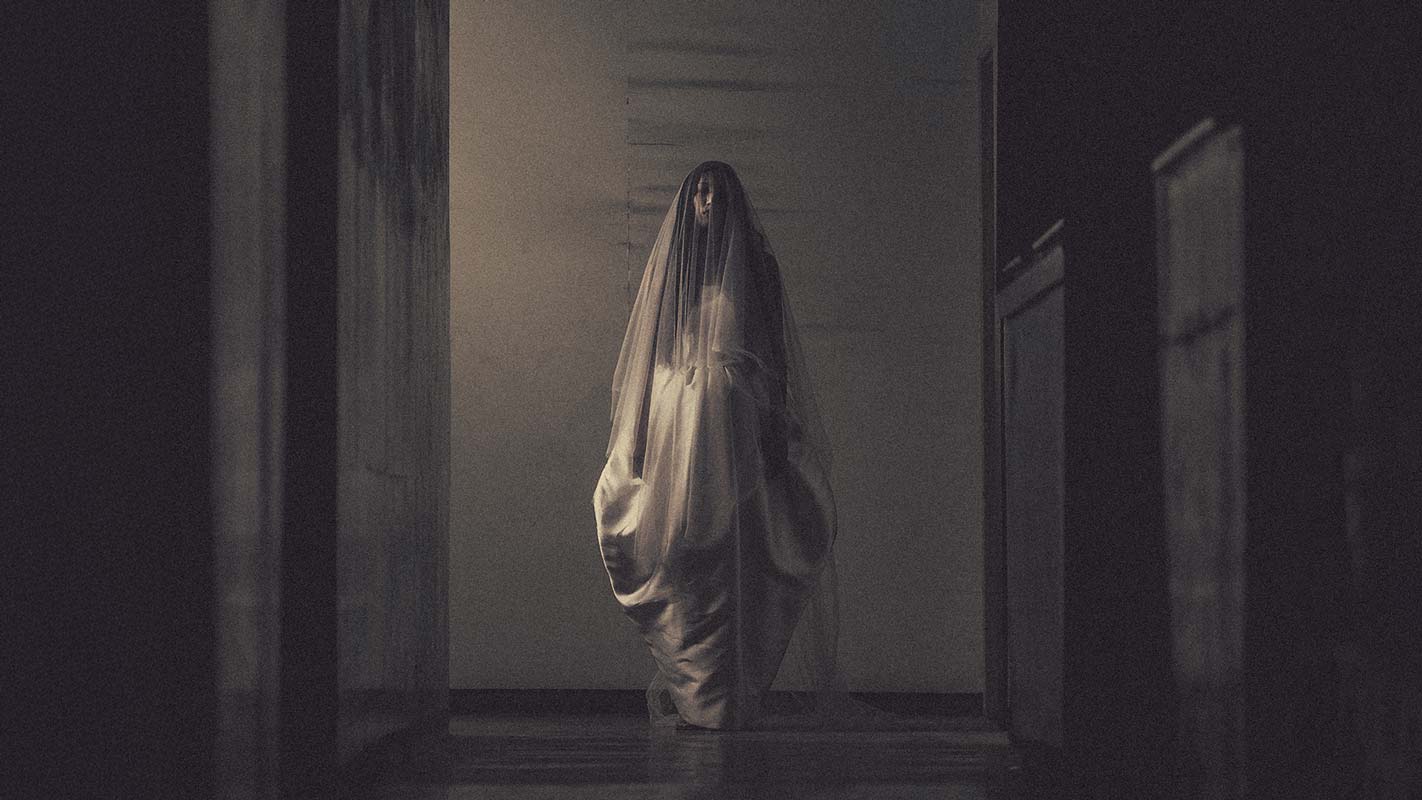
A fixture of Filipino folklore and horror, the white lady's story is mysterious, possibly ominous, yet anything but soulless.
Cab drivers passing through Balete Drive are advised not to pick up women dressed in white, most especially in the dead of night. The seemingly unsuspecting commuter is described to appear like any other human, although her face is quite indistinguishable since most of it is masked by her disheveled black hair.
While varying sources describe her differently, a detail about her that remains consistent is her diaphanous white frock. She’s often stated to be in a nightgown, and depending on who you ask, it may appear tattered or frayed at the edges. When encountered after midnight, the colorless dress radiates an ominous glow, which makes it difficult to ignore the lady in white.
Bimpoman Bacs Arcebal
ADVERTISEMENT - CONTINUE READING BELOW
The Lady in White for Preview The Trend November 2024
Producer: Em Enriquez and Reg Rodriguez. Writer: Em Enriquez. Photographer: Bimpoman, assisted by Ruzzian Escaros. Creative Director: Bacs Arcebal. Editor-in-Chief: Marj Ramos-Clemente. Multimedia Director: Jana Jodloman. Fashion: Em Enriquez. Makeup: Hanna Pechon. Hairstyling: Gab Villegas. Model: Missy Bendana of Luminary Models.
The white lady has undeniably etched herself into the consciousness of the common Filipino. With stories spread through word of mouth or documented on online forums, she’s become emblematic of the country’s ties to folklore and the occult. However, beyond her spine-chilling presence, the white lady also represents horrors that are unique from the supernatural.
The Origins (or Lack Thereof) of the White Lady
A writer and subject expert who’s been loyal to the horror genre for 24 years, Yvette Tan has never encountered a white lady, and fortunately so, she adds. However, her expertise in the genre has led her to some findings about the ominous being, one of which is that she has no specific origins. Yvette says that belief in the white lady is intercontinental, and even solely within the Philippines, her depiction already varies per barangay.
CONTINUE READING BELOW
watch now
“It seems that a lady in a flowing white gown is a universal symbol for something. What that something is, I'm not sure. Maybe it differs from culture to culture,” Yvette states. “Maybe it really is like a symbol of collective consciousness. Or maybe it's something that all humans gravitate towards regardless of culture or place.”
Bimpoman
ADVERTISEMENT - CONTINUE READING BELOW
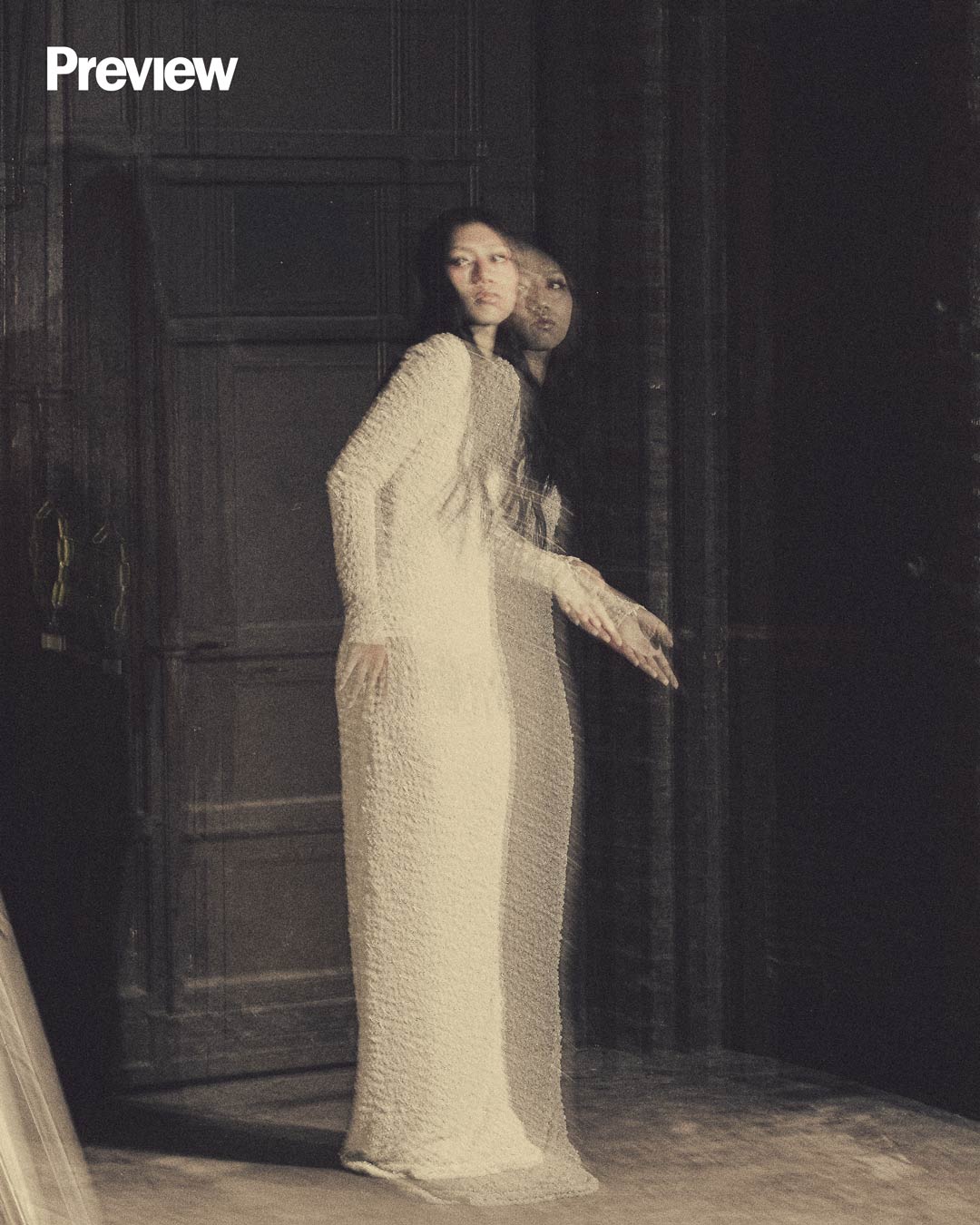
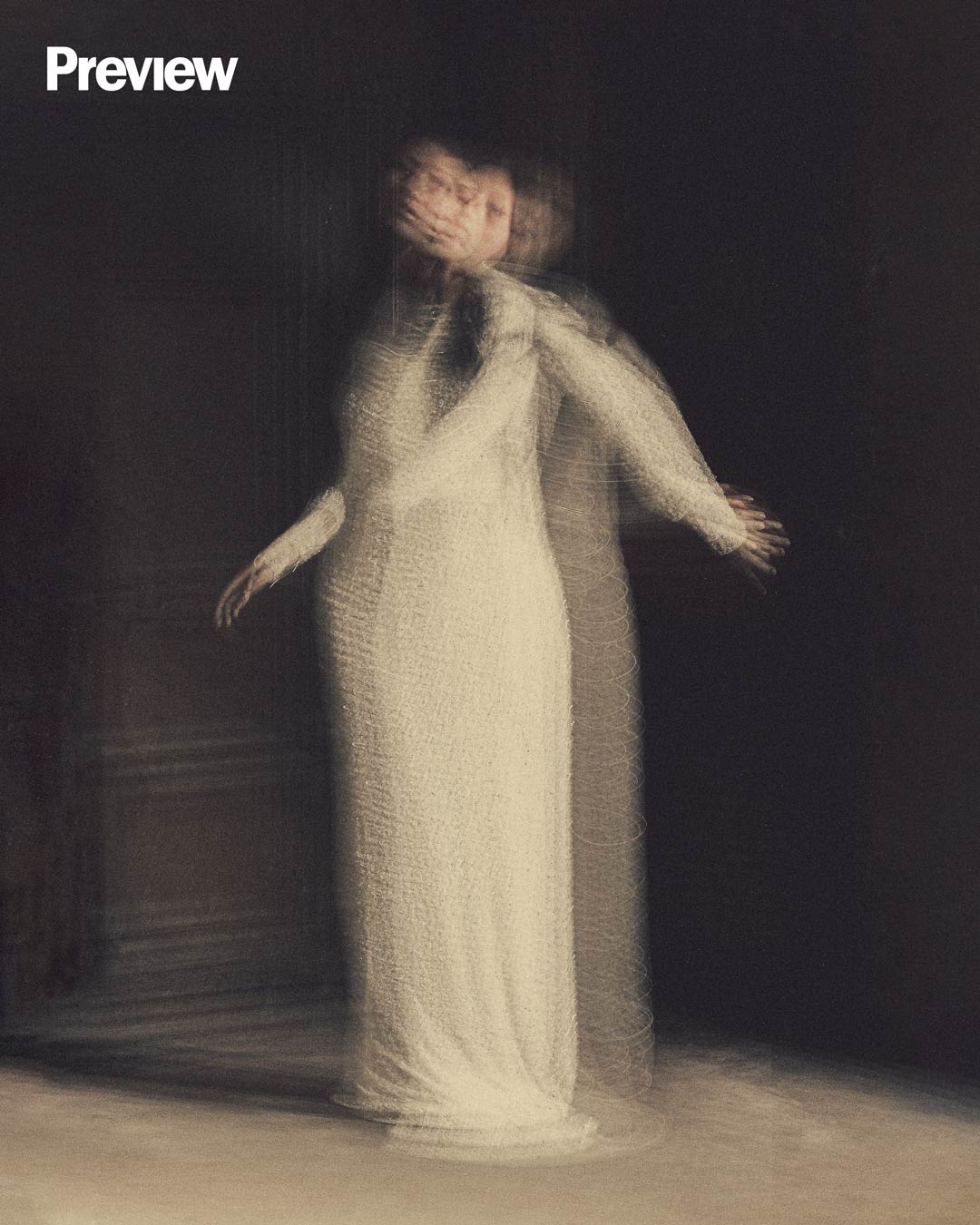
ON MISSY: Creme Hand Embellished Sequin and Mesh Column Dress, P200,000, NERIC BELTRAN
The tale at Balete Drive, which originated sometime between the 1950s and 1980s, has yielded various reasons for the white lady’s presence. No singular explanation proves to be the most accurate, especially since the white lady has existed even prior to this era. Yvette says that the entity is only traced back to this story since it caught the attention of the nation the most.
There are also varying reasons as to why the lady wears white in the first place. Yvette shares that white seems to be the easiest color for ghosts to manifest, as it is devoid of any saturation or tint. Burial dresses of more olden times were also rendered in white. The white lady’s appearance to the human eye totally depends on how they choose to manifest and who sees them.
ADVERTISEMENT - CONTINUE READING BELOW

Bimpoman
For the most part, white ladies, and paranormal spirits in general, roam the Earth because of some loose ends in their former lives. Yvette theorizes, “It’s either because they don't know they’ve died, they're lost, or they have unfinished business.” While ghosts who are happy to be ghosts exist, most of them stay in the mortal world for more grave reasons.
ADVERTISEMENT - CONTINUE READING BELOW
“Behind most ghosts is a story of heartbreak,” Yvette says, “and the lady in white, in whatever culture, seems to be a spectral embodiment of that.”
Bimpoman
The Significance of the White Lady’s Womanhood
The white lady’s cause of death continues to be an inconclusive debate, solely because no one, on record, has spoken to her and made such an inquiry. Of all the theories that have arisen, her womanhood surfaces to be an integral aspect of her story.
ADVERTISEMENT - CONTINUE READING BELOW
The lore of the white lady, in decades past, talks of women who were “easy victims” of hate crimes and gender-based violence. Some suppose that she was a casualty of a hit-and-run who was buried by a Balete tree, while others say she was a victim of sexual abuse who intends to torment the cab driver who wronged her.
Bimpoman
ADVERTISEMENT - CONTINUE READING BELOW
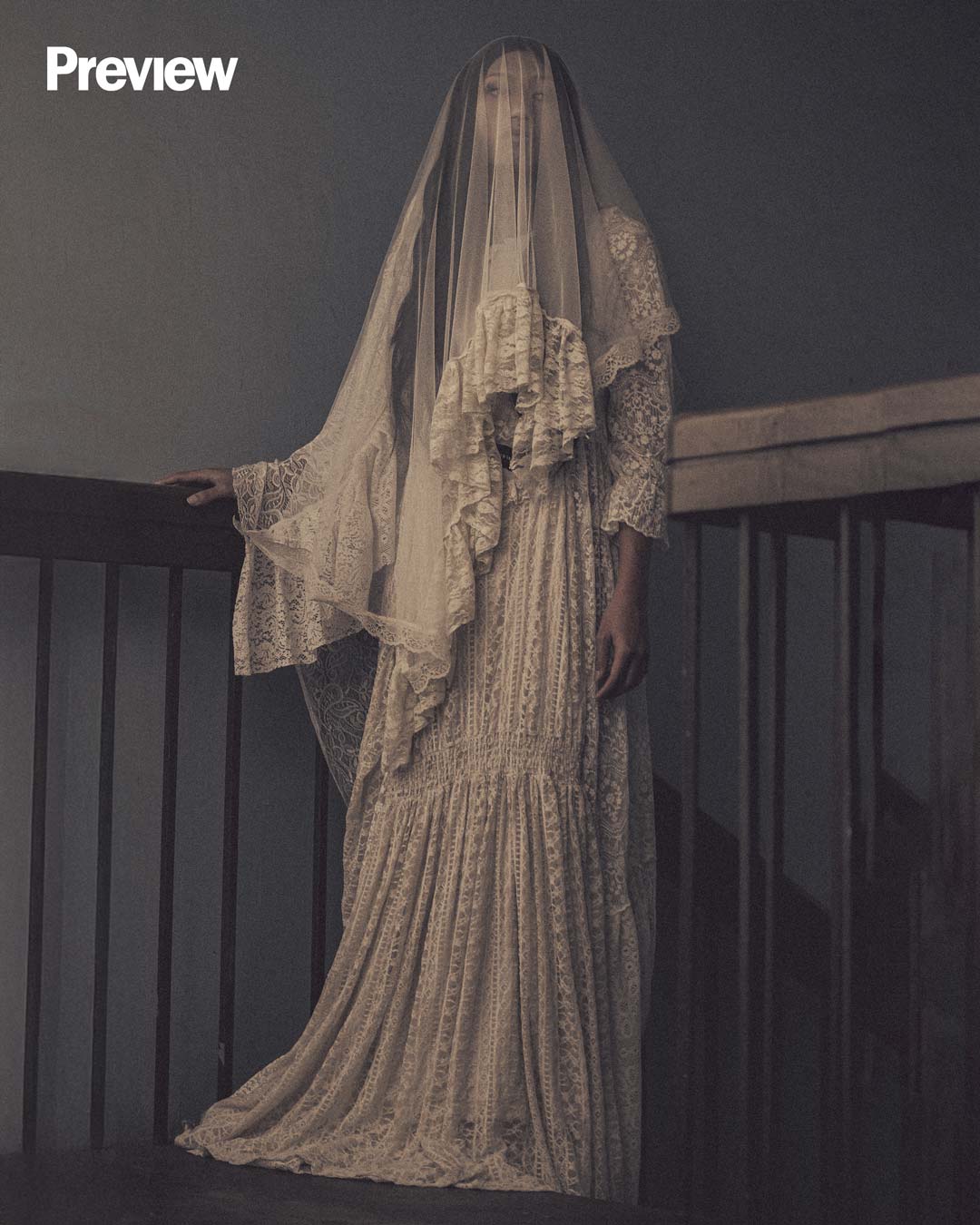
ON MISSY: Vintage Lace Bridal Multi Dress, P25,000, PROUDRACE
In Yvette’s opinion, these scenarios exhibit how women were often overlooked and taken advantage of. “At the time, they had no power. They had no agency so it was easy [for them to get] killed,” she explains.
Associating such with women is somehow an extension of the gender roles ingrained in society. Even in the afterlife, the white lady is regarded as a vehicle for sadness, an emotion that isn’t linked to the traditional macho man. “[In the past, it was believed that] men didn’t show emotion, so ghosts who are full of grief would have to be women,” Yvette states.
Bimpoman
ADVERTISEMENT - CONTINUE READING BELOW
Bimpoman
Although, of course, male or masculine-presenting spirits also exist, with the headless priest being a prime example in Filipino folklore. Whether or not such an entity would have the same longevity as the white lady is dependent on the impact of their story. “I don't think it would be a gendered thing,” Yvette speculates. “It's a possibility if the story is specific enough to catch the heart or the imagination of a nation.”
ADVERTISEMENT - CONTINUE READING BELOW
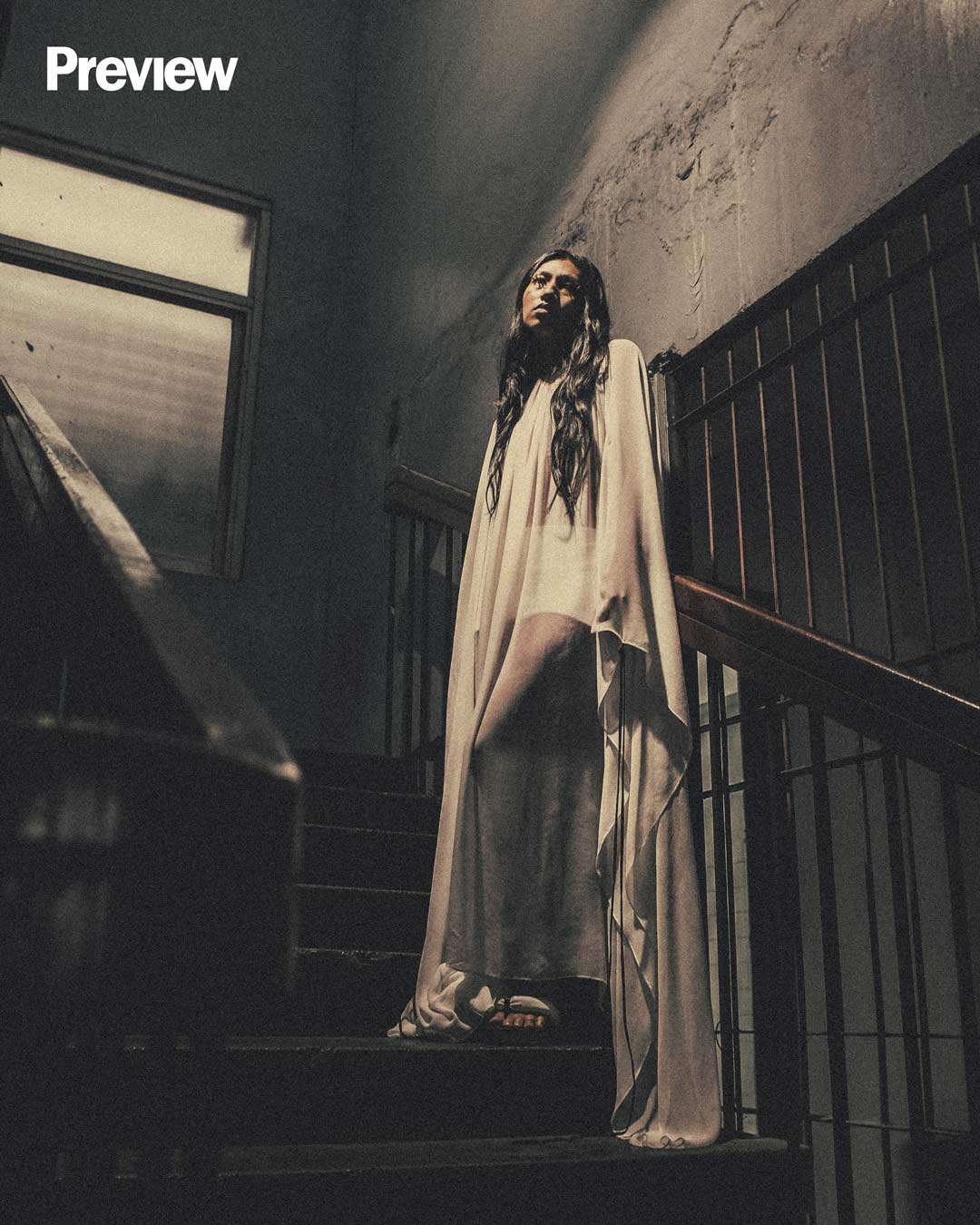
Bimpoman
ON MISSY: Look 34 from “Day Off” (2024) Collection, P50,000, MARTIN BAUTISTA
In the white lady’s case, much of her influence banks on the connotations people have attached to her. While mainstream Filipino cinema would interpret horror as full of jumpscares or gore, Yvette argues that the genre is actually more of an emotional ordeal.
ADVERTISEMENT - CONTINUE READING BELOW
“Horror deals with very, very human emotions that are told in different ways. It’s very dark as it deals with a lot of emotions that many people don't want to confront, and I think that's where a lot of the fear comes from,” she expounds. “People think their fears come from ghosts, but it also comes from the emotions attached to them.”
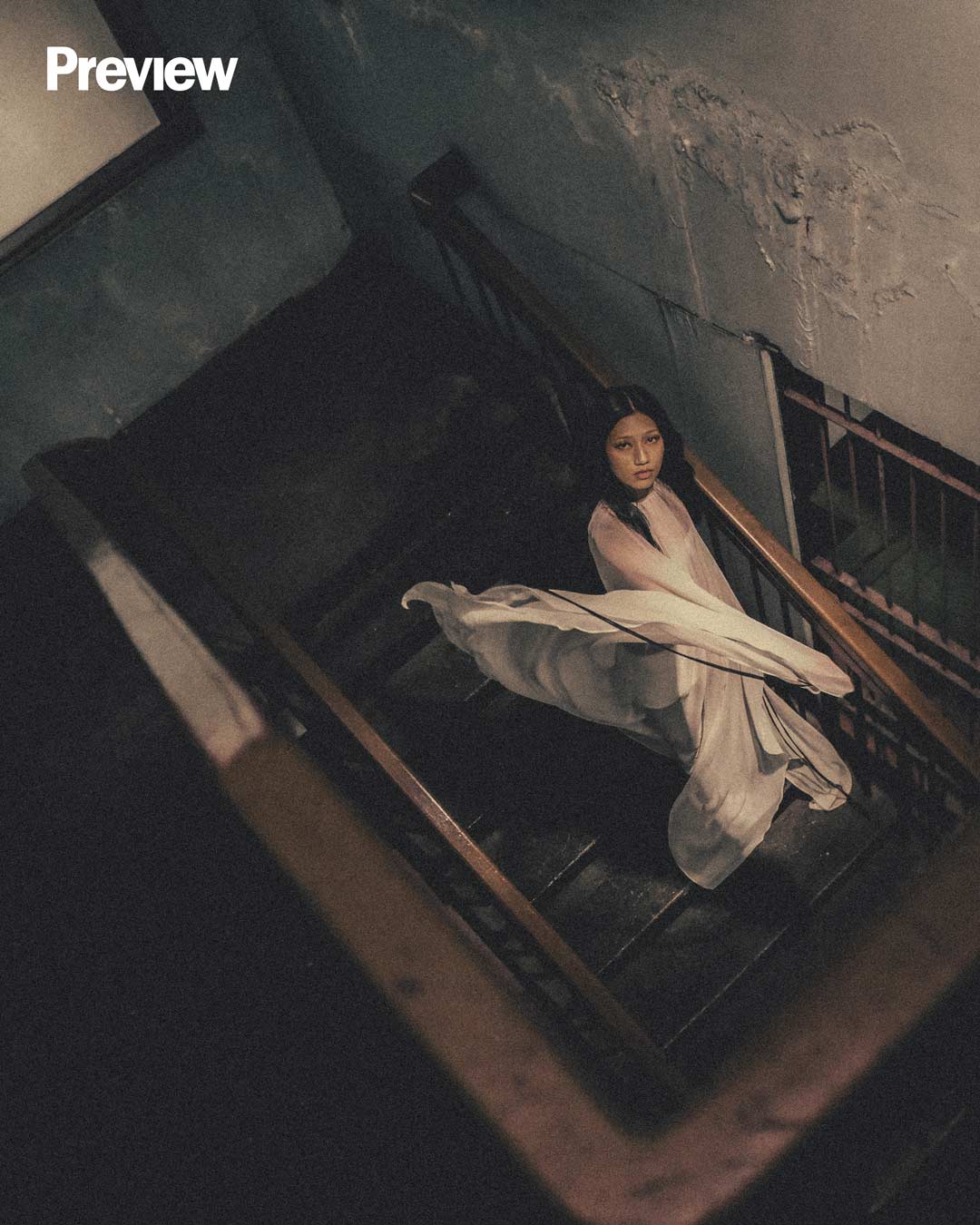
Bimpoman
ADVERTISEMENT - CONTINUE READING BELOW
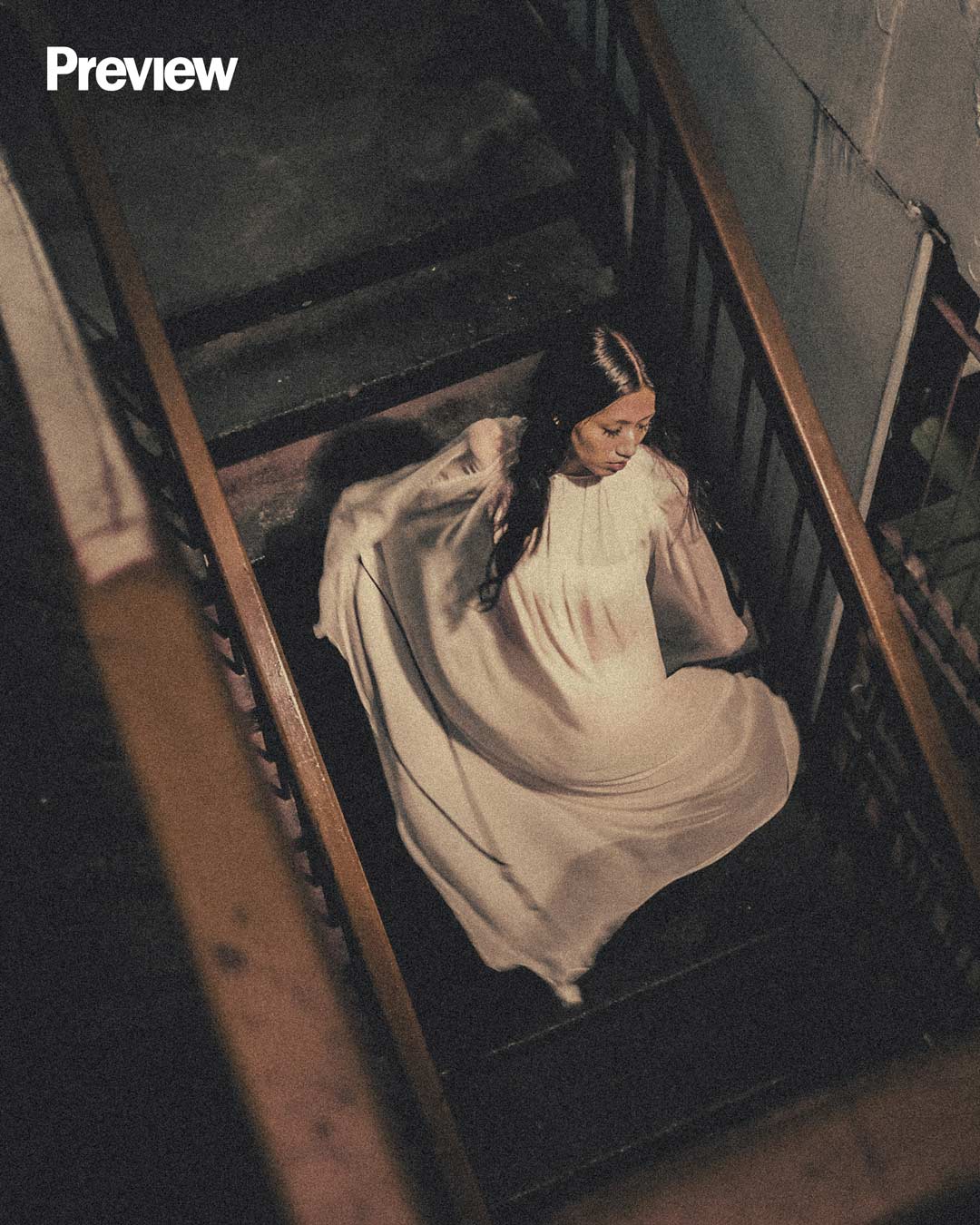
Bimpoman
What most people tend to forget is that the white lady was also human once, and therefore, continues to experience human emotions. No matter how she died, there are emotions left to be addressed. They, too, have unresolved issues and truths to confront.
“In the same way that a living person would need therapy to get through whatever trauma they've gone through, I feel that a spirit would need the same thing because they were formerly human,” Yvette states.
ADVERTISEMENT - CONTINUE READING BELOW
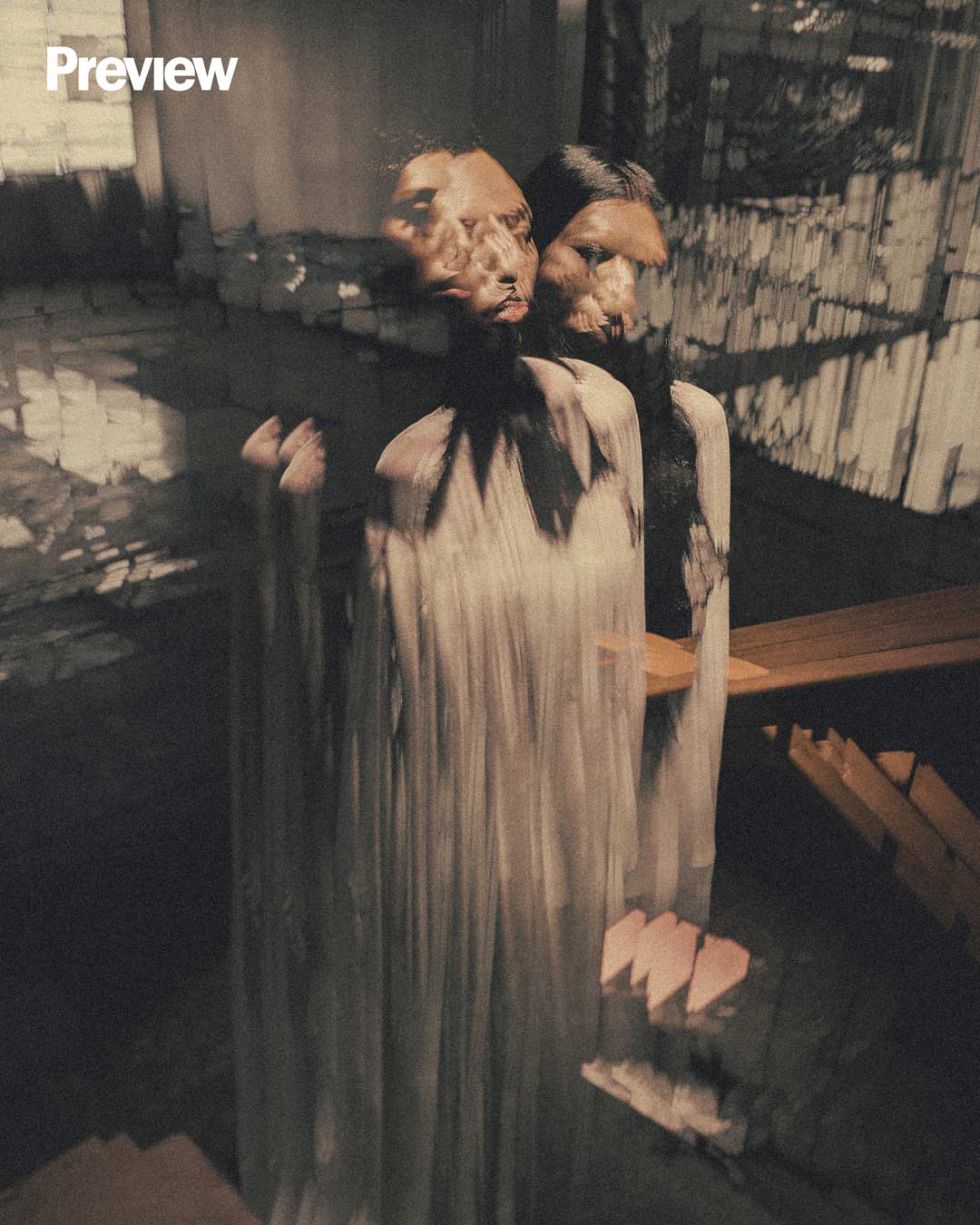
Bimpoman
The White Lady Beyond Horror
For those who continue to believe in her, the white lady has become a “blank canvas” of sorts. Yvette brings up the idea of “tulpa,” or materialized beings that are thought into existence by a collective consciousness. Over time, this fascination with the white lady has made her as tangible as any other entity on Earth. Believing, after all, is also a way of seeing.
ADVERTISEMENT - CONTINUE READING BELOW
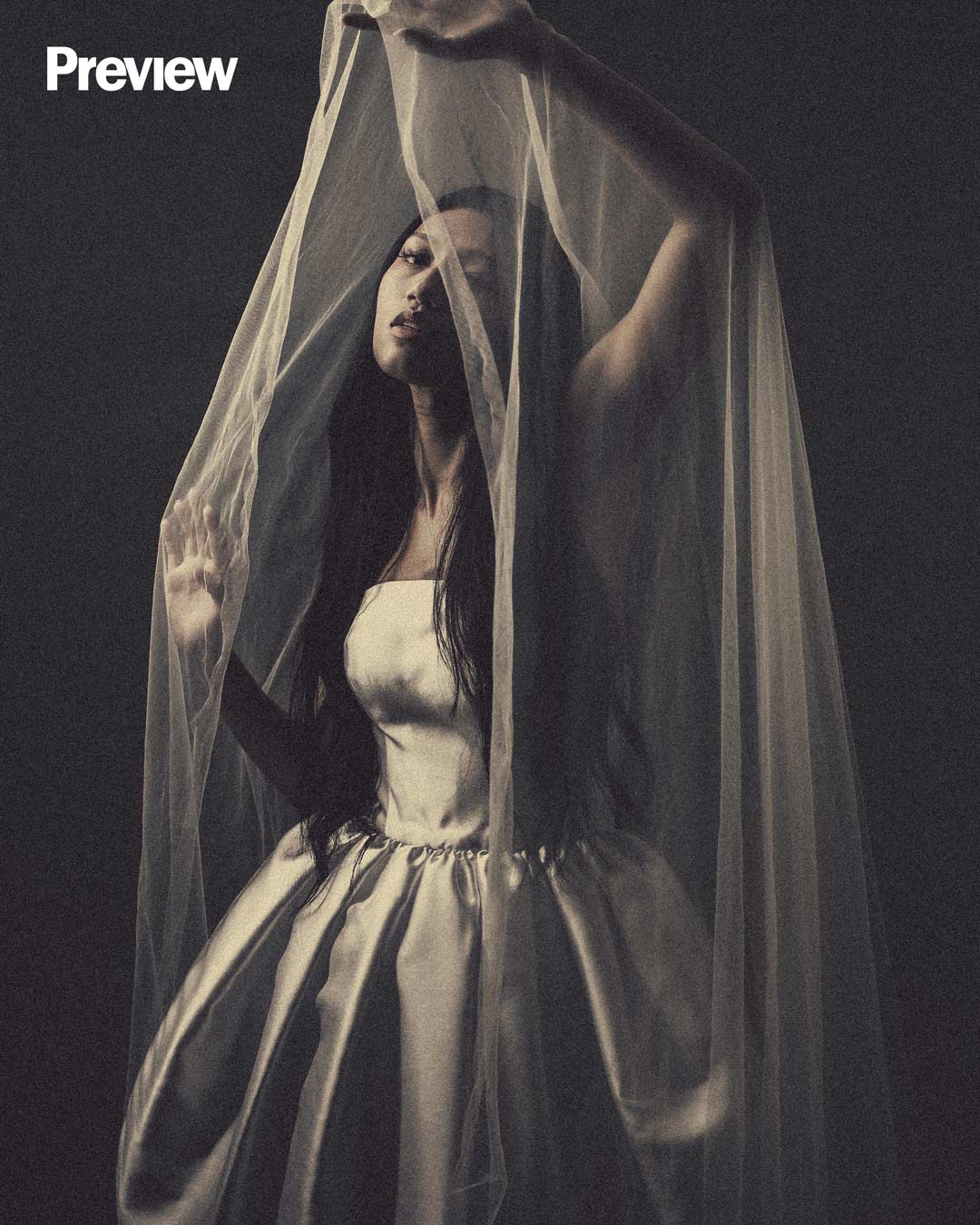
Bimpoman
ON MISSY: Off White Mikado Silk Tulip Gown, P150,000, NERIC BELTRAN
Her relevance lies in the fact that, for many, she’s become a symbol of what life could’ve been. “The women who usually turn into white ladies, their stories are often tragic,” Yvette shares. One could argue that her story is actually a paradigm of what we, as a society, do not want our own lives to end up as—unfulfilled, restless, and in despair.
ADVERTISEMENT - CONTINUE READING BELOW
Her sustaining presence in Pinoy culture is a testament to how the nation is still dealing with the same anxieties and fears. One of the first contemporary movies to depict the white lady was 1954’s Hiwaga sa Balete Drive, which highlighted issues of sexual violence and misogyny. Fast forward to today, and even with the advancements we’ve made as a nation, the white lady is still present in our culture. We have the same fears because we’re still dealing with the same demons.
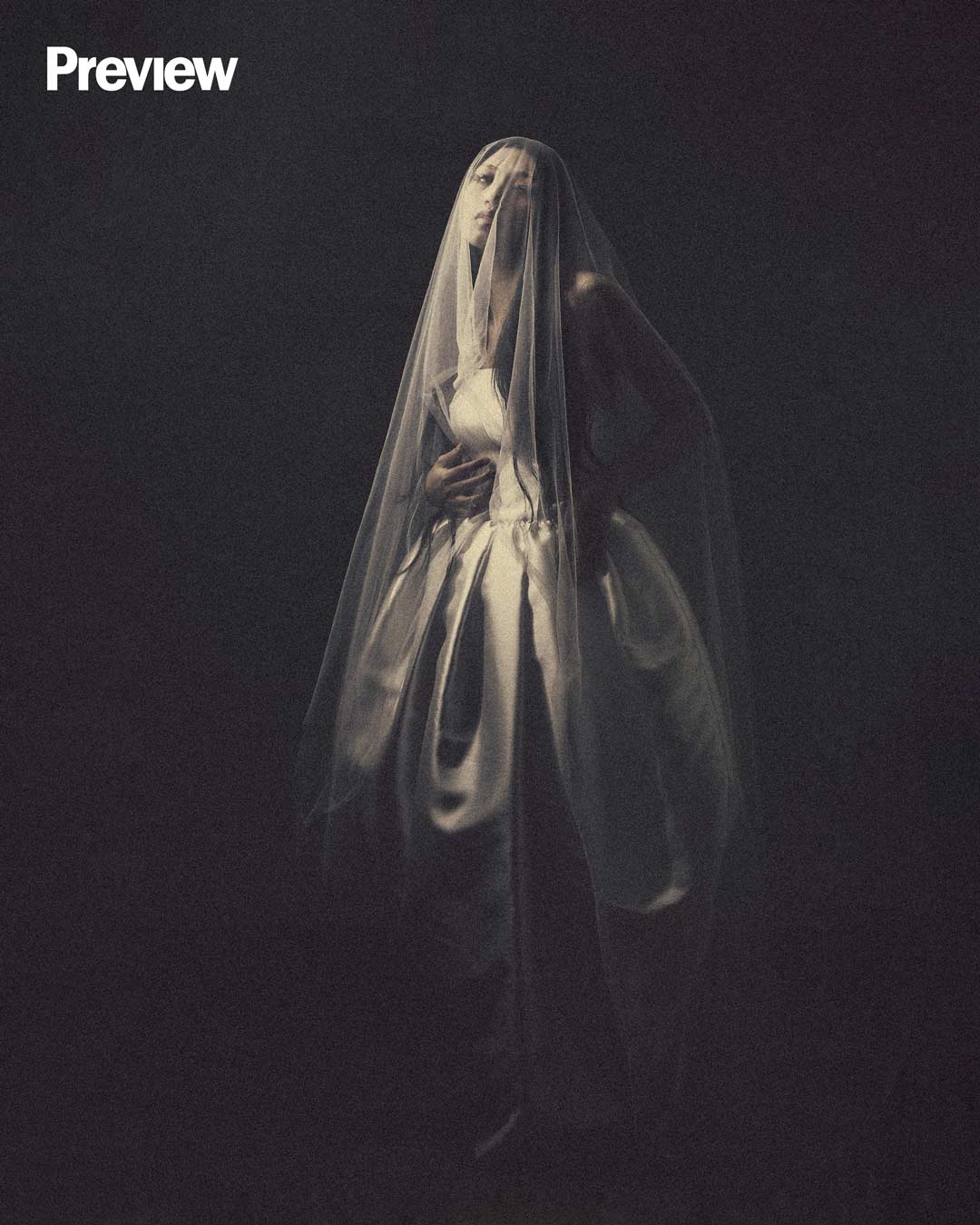
Bimpoman
ADVERTISEMENT - CONTINUE READING BELOW
“We're still stuck in survival mode. We've never changed,” Yvette articulates. “Our problems are the same, so our fears have never changed. Our psyche hasn't moved on from whatever national trauma we've gone through.”
Resolving these anxieties doesn’t necessarily eliminate the white lady from our consciousness. Yvette says that, despite the haunting persona she’s been attributed to, it’s possible for a white lady to be happy. Simply talking about her—and perhaps, reading about her like you're doing right now—would oftentimes be enough to attract her. The more we talk about something, the more “real” it gets.
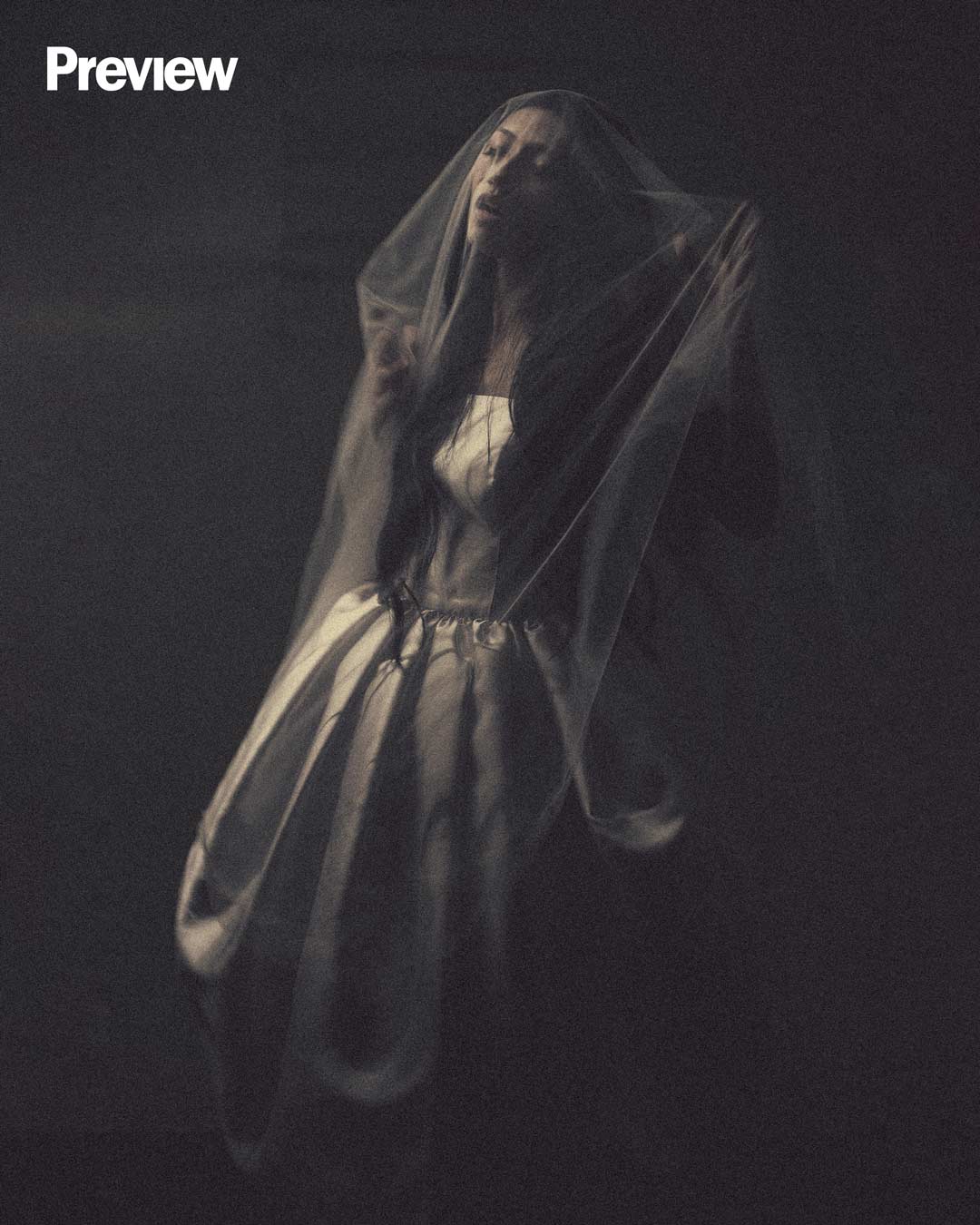
Bimpoman
ADVERTISEMENT - CONTINUE READING BELOW
A firm believer or not, the lady in white remains to be an unshakeable fixture of our culture. Her significance in our collective consciousness is not to be discounted, especially considering what she’s represented in the grander scheme of things. She very well might just be behind you, standing in a white garment that’s become synonymous with her story, emitting an aura that’s mysterious, possibly ominous, yet anything but soulless.
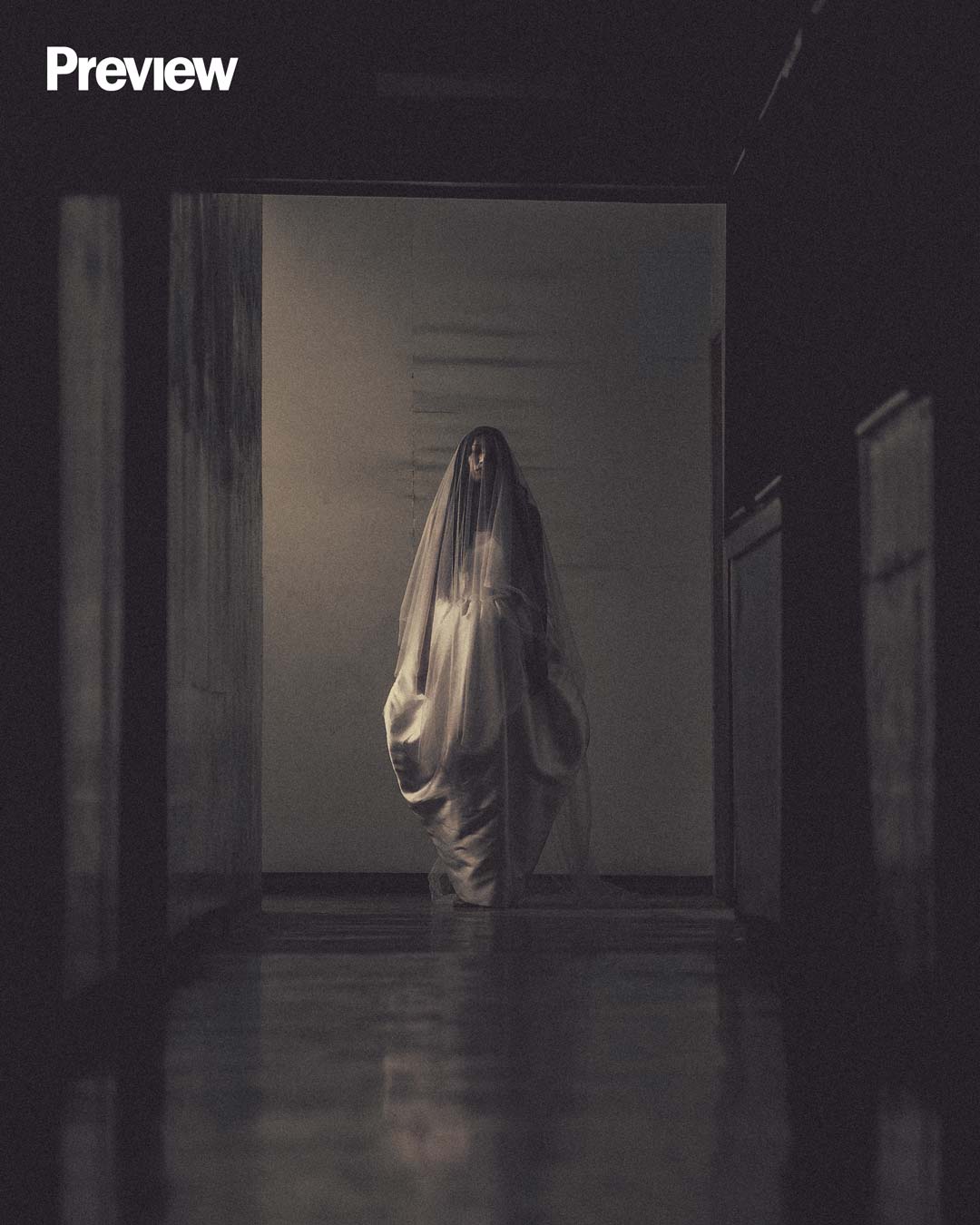
Bimpoman
ADVERTISEMENT - CONTINUE READING BELOW
Special thanks to Diego Harmuch, Vani Altomonte, Rocky Legaspi, and Migo Alomajan
Hey, Preview readers! Follow us on Facebook, Instagram, YouTube, Tiktok, and Twitter to stay up to speed on all things trendy and creative. We’ll curate the most stylish feed for you!