
The State of the Nation Address (SONA) in the Philippines is more than a significant political event—it's also an opportunity to highlight the nation’s rich cultural heritage through fashion.
The dress code, which has long been a subject of debate, has evolved to highlight the country's traditional attire, showcasing Filipino craftsmanship and creativity for the annual occasion. Attendees of the SONA, including government officials, lawmakers, and their spouses, don meticulously crafted ensembles that pay homage to the Philippines' storied past and vibrant culture.
The Ongoing Debate on the SONA Dress Code
On July 9, House Secretary-General Reginald Velasco made headlines by announcing that guests wearing outfits with protest messages, derogatory statements, or illustrations would be barred from attending President Ferdinand "Bongbong" Marcos Jr.'s 2024 State of the Nation Address. "It is a formal event, so coat and tie, or barong, or an outfit paying homage to our culture [are appropriate]," she stated to the reporters. "This is not the time and place to express protests. You can do that after."
Kusug Tausug party-list Rep. Shernee Tan-Tambut, seems to agree, urging fellow lawmakers to follow the dress code. For the chair of the House Committee on Peace, Reconciliation, and Unity, this means donning a colorful "Batawi" to the Batasang Pambansa. In a statement she shared with Philstar.com, she explained: "This being my last SONA as a legislator, I wanted to wear something that will show the history and culture of Sulu in its heyday as an economic power in the south. My three-piece SONA attire, created by one of my favorite Philippine designers, Francis Libiran, is a favored design of the ladies of the sultanate which is a representation of our people."
For many others, however, banning protest outfits at the SONA “violates freedom of expression and should be opposed," as Alliance of Concerned Teachers Party-list Rep. France Castro told reporters in a text message, according to a report by Inquirer.net. The representative plans to wear a Filipiniana designed by Francis Yu, which will feature an artwork by artist Michael Joselo that symbolizes "the call for salary increase for teachers and living wage for workers to address poverty in the country."
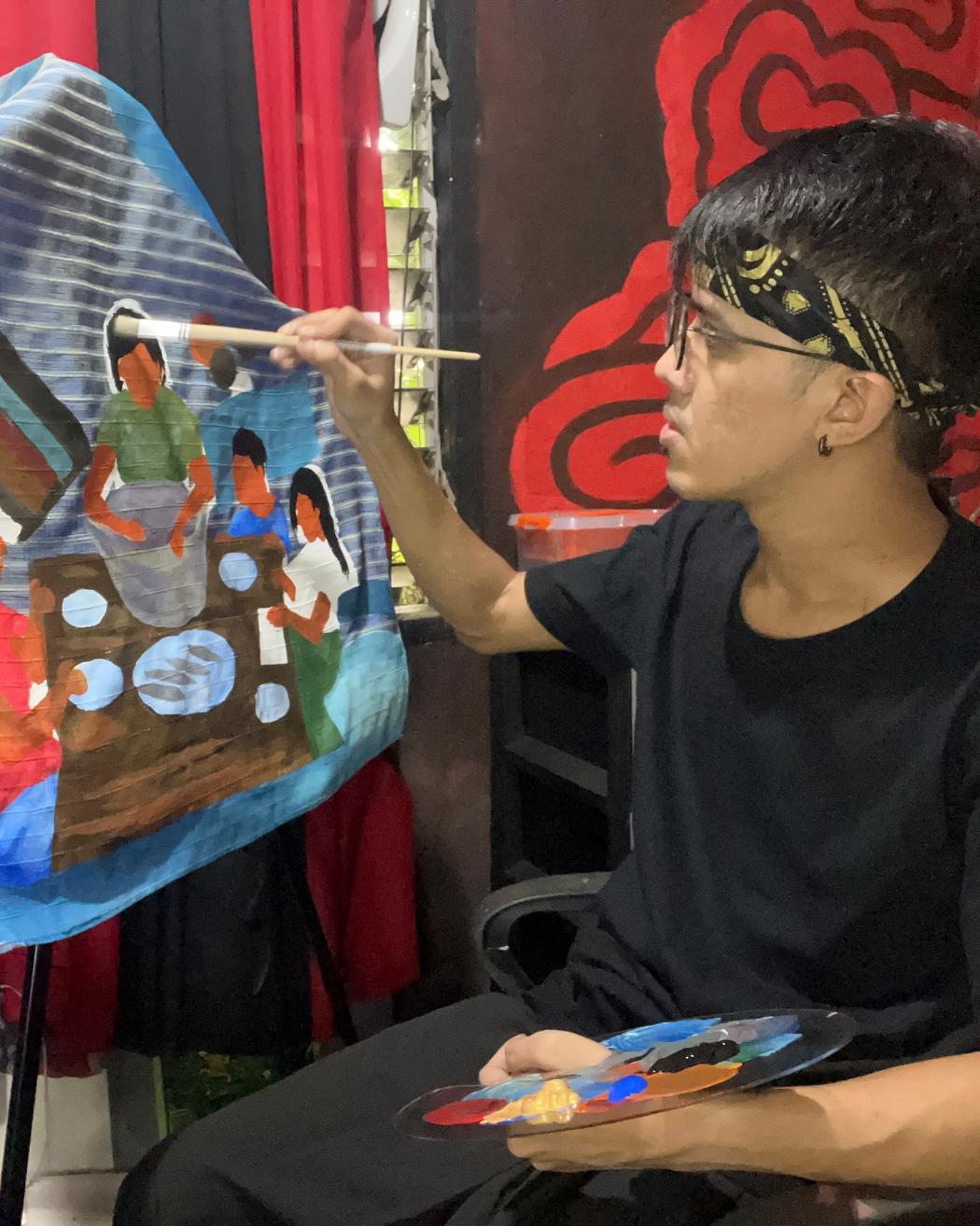
This ongoing debate begs the question: What is the "appropriate" dress code for an event such as the SONA?
Celebrating Filipino Fashion at SONA
Beyond a mere sartorial choice, one's SONA outfit is, more often than not, a cultural statement. These clothes, usually incorporating local textiles and detailed embroideries, tell the story of the Philippines' diverse heritage, from indigenous influences to its colonial past and contemporary evolution. It's a reflection of personal and national pride, a celebration of identity, and a commitment to preserving and promoting Filipino culture. The craftsmanship involved in creating these pieces demonstrates the skill and dedication of Filipino artisans.
With fashion being inherently political, the subject of what to wear to the SONA continues to spark debates, particularly about garments that indirectly suggest a protest. Historically, the SONA has been more than just an event to showcase Filipino culture and heritage; it's also been a platform where fashion is used to highlight important social and political issues, with outfits designed to make statements, draw attention to pressing concerns, and advocate for change.
Traditionally, below are deemed the conventionally appropriate looks for attending the country's State of the Nation Address:
Barong Tagalog for Men
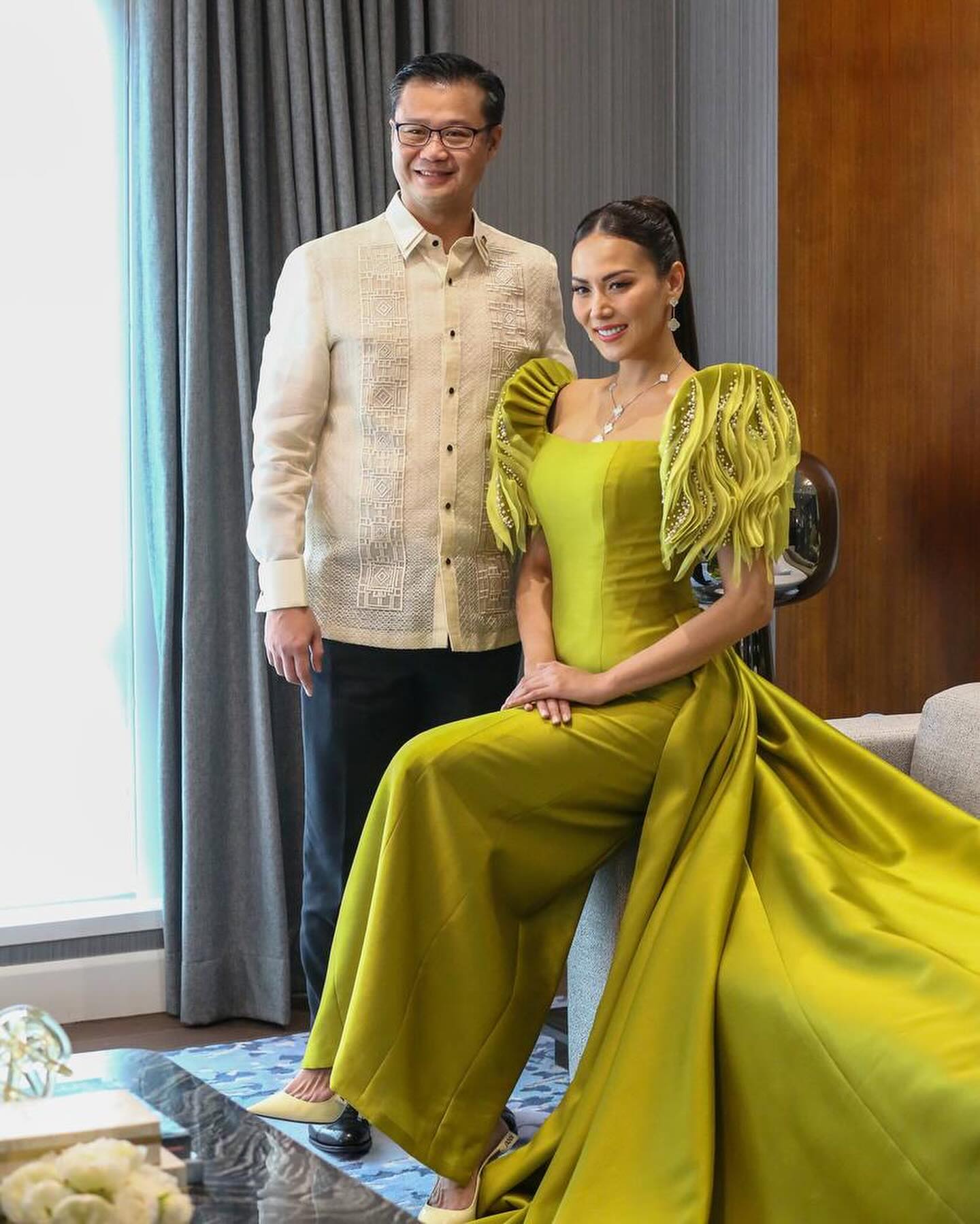
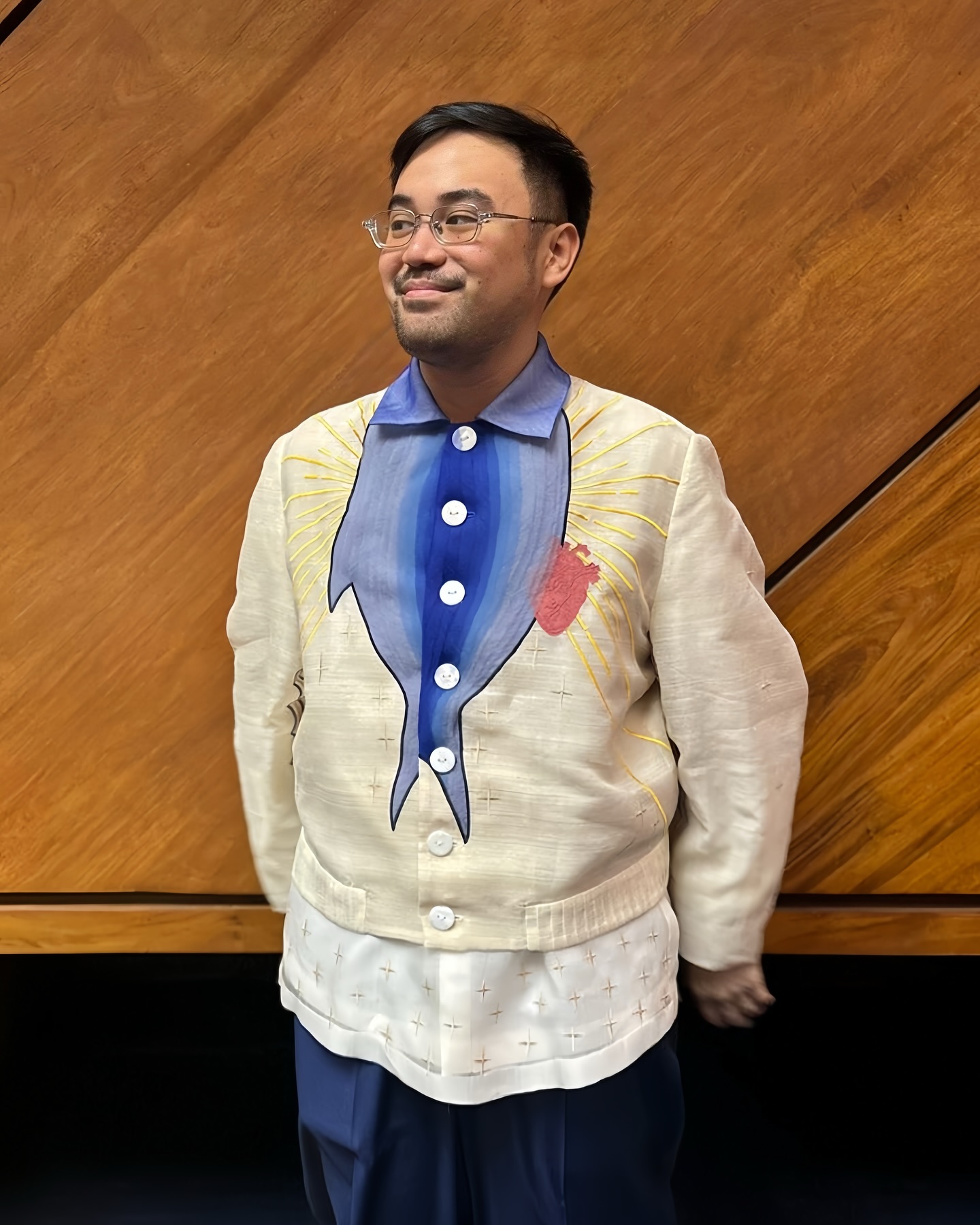
The Barong Tagalog, a traditional Filipino shirt for men, is the standard attire for male attendees at the SONA. This garment, typically made from piña or jusi fabric, is known for its intricate embroidery and lightweight, sheer quality. The Barong Tagalog combines simplicity with detailed craftsmanship, often harmonizing traditional and contemporary elements.
Terno and Filipiniana for Women
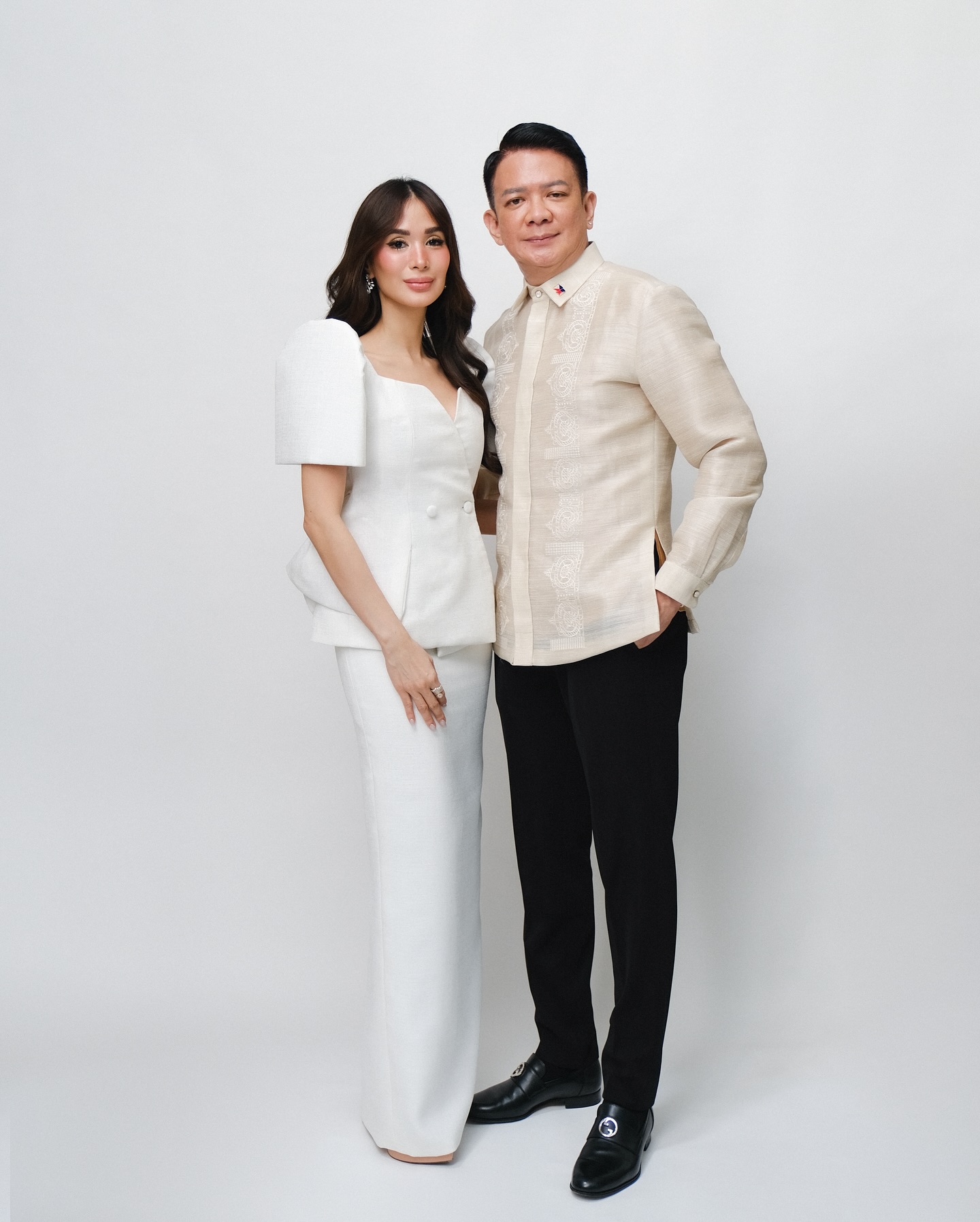
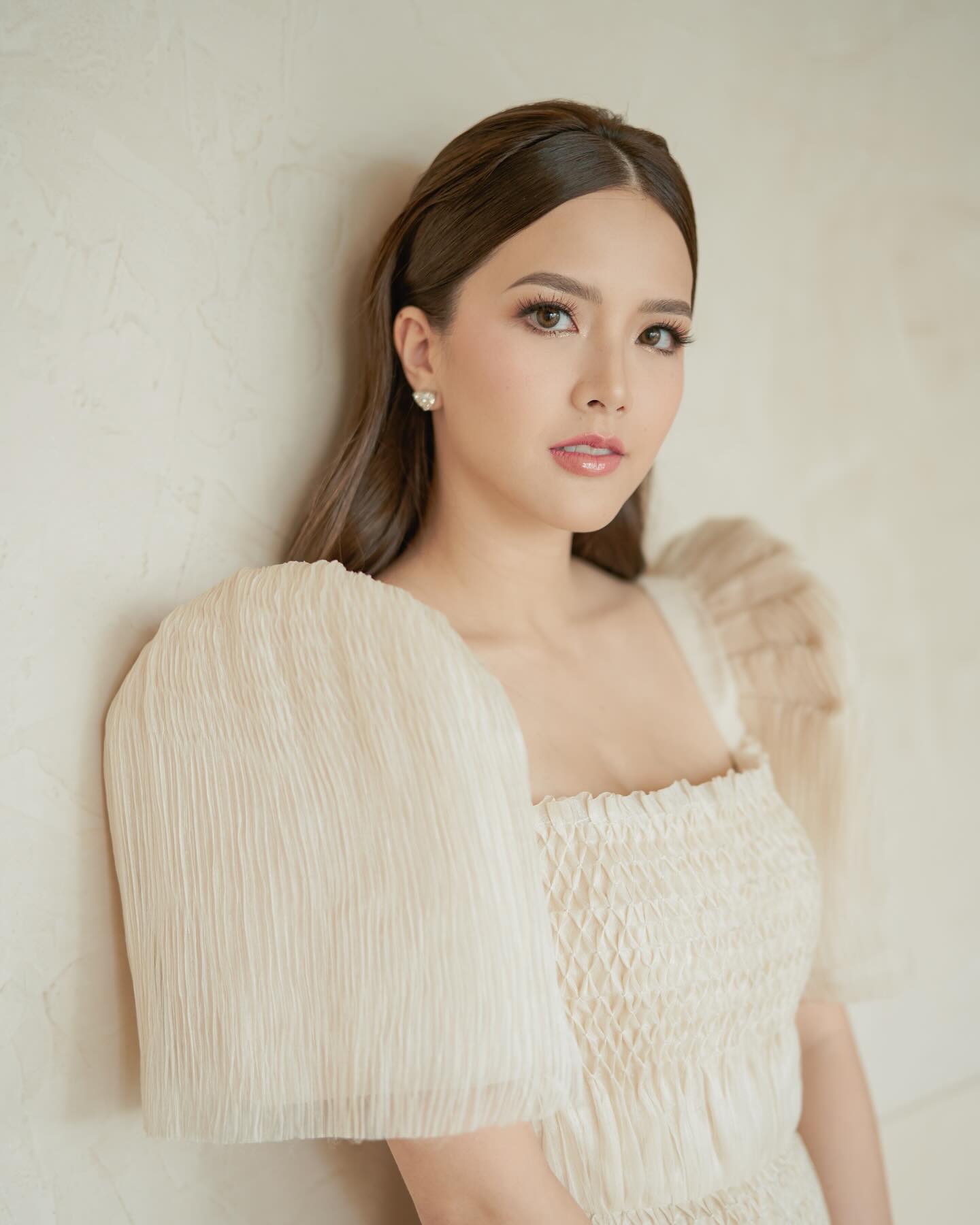
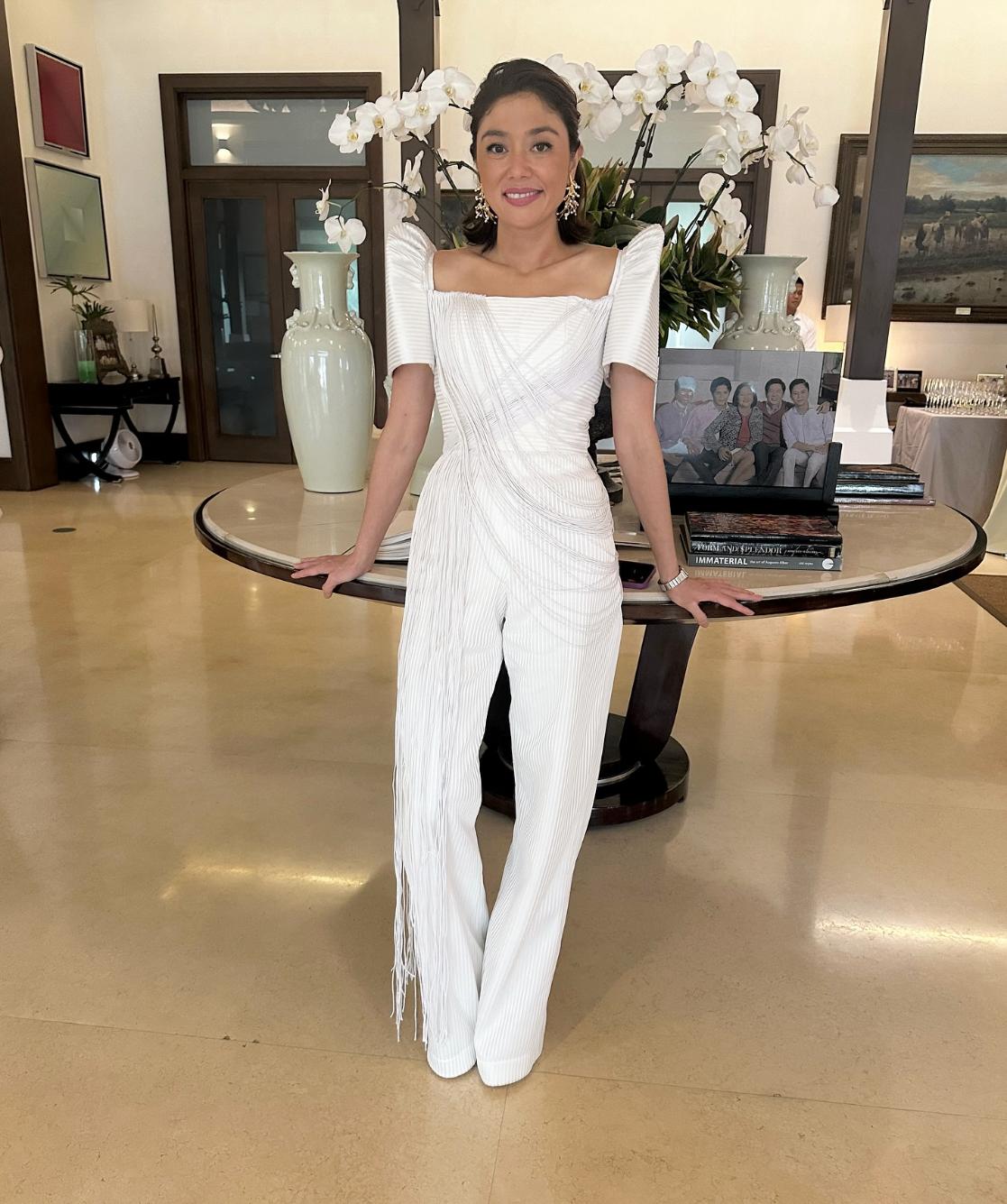
For women, the Terno and Filipiniana gowns are the go-to choices. The Terno, with its distinctive butterfly sleeves, represents traditional elegance for the Filipina. These gowns often feature elaborate beadwork, hand-painted designs, and intricate embroidery, showcasing the skill of Filipino artisans. The Filipiniana, with its traditional silhouette and sometimes paired with a Maria Clara shawl, offers a nod to historical fashion. In today's fashion landscape, designers aim to strike a perfect balance between respecting tradition and using innovative designs in creating these garments.
Modern Interpretations
While traditional designs remain popular, modern interpretations of Filipino attire are also making their mark. Contemporary designers experiment with new silhouettes, fabrics, and techniques to create pieces that resonate with today's fashion sensibilities while still rooted in Filipino heritage. This fusion of old and new not only preserves traditional artistry but also ensures its relevance in the modern world.
What's your opinion on the SONA dress code? Join the discussion in the comment box below.
Hey, Preview readers! Follow us on Facebook, Instagram, YouTube, Tiktok, and Twitter to stay up to speed on all things trendy and creative. We’ll curate the most stylish feed for you!
