
In a world increasingly saturated with loud logos and fast-fashion excess, 2024 saw a quiet yet powerful shift toward understated elegance. Popularized by industry insiders and embraced by celebrities, "quiet luxury" emerged as the year's defining aesthetic. It emphasizes quality, craftsmanship, and restraint over overt branding—essentially, luxury for those who know, rather than those who need to show.
The Proliferation of Quiet Luxury
Quiet luxury is no newcomer to the fashion landscape. Heritage brands like Loro Piana, Brunello Cucinelli, and Hermès have long embodied this ethos, emphasizing premium materials and enduring design. Often associated with "old money" aesthetics, these houses eschew overt logos in favor of pieces where quality speaks for itself.
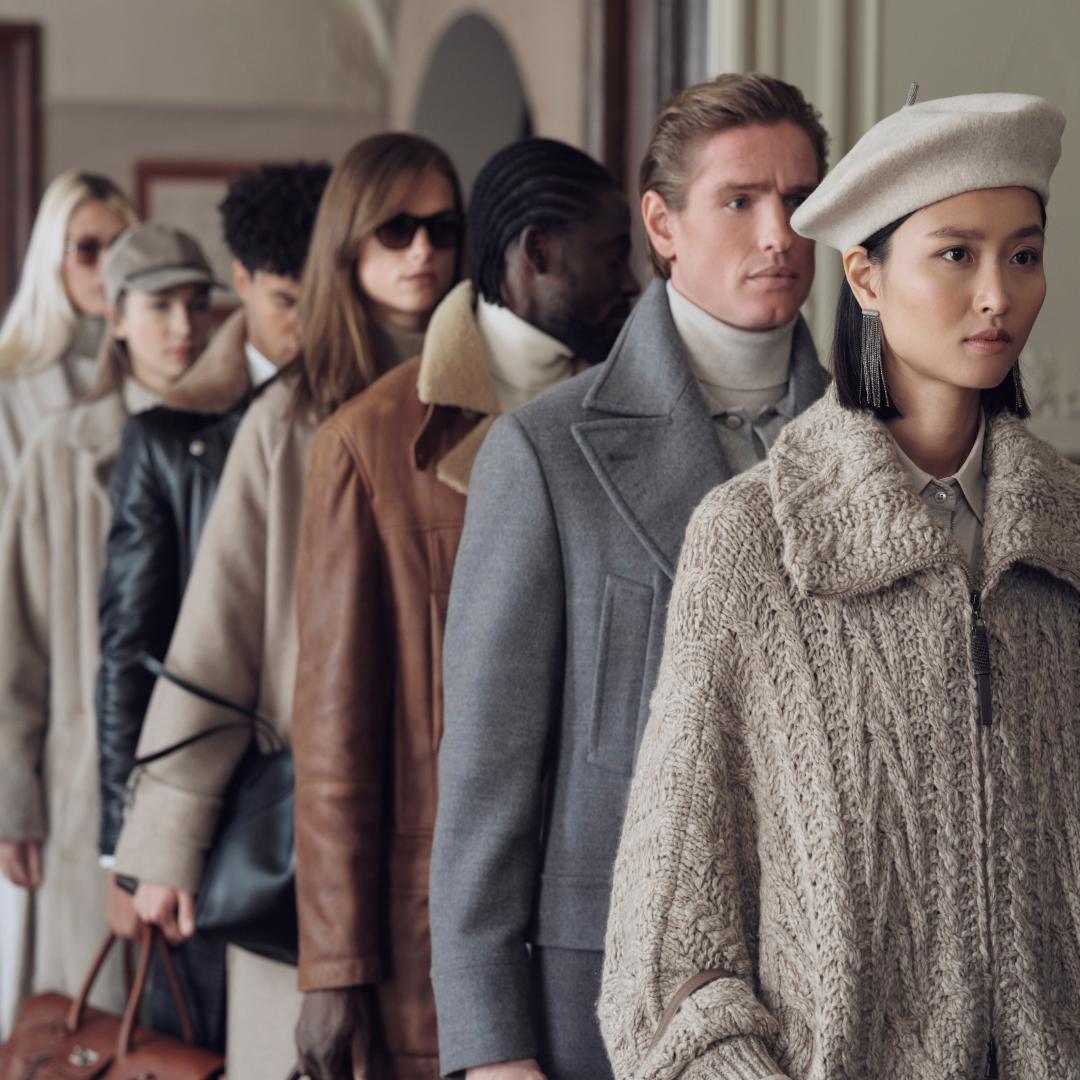
The rise of minimalist fashion in the 2010s—led by designers like Phoebe Philo at Céline—reinforced these principles, favoring clean lines and neutral tones. Yet, it wasn’t until recent years that quiet luxury gained widespread traction, thanks to social and media influences that brought it into the cultural spotlight.
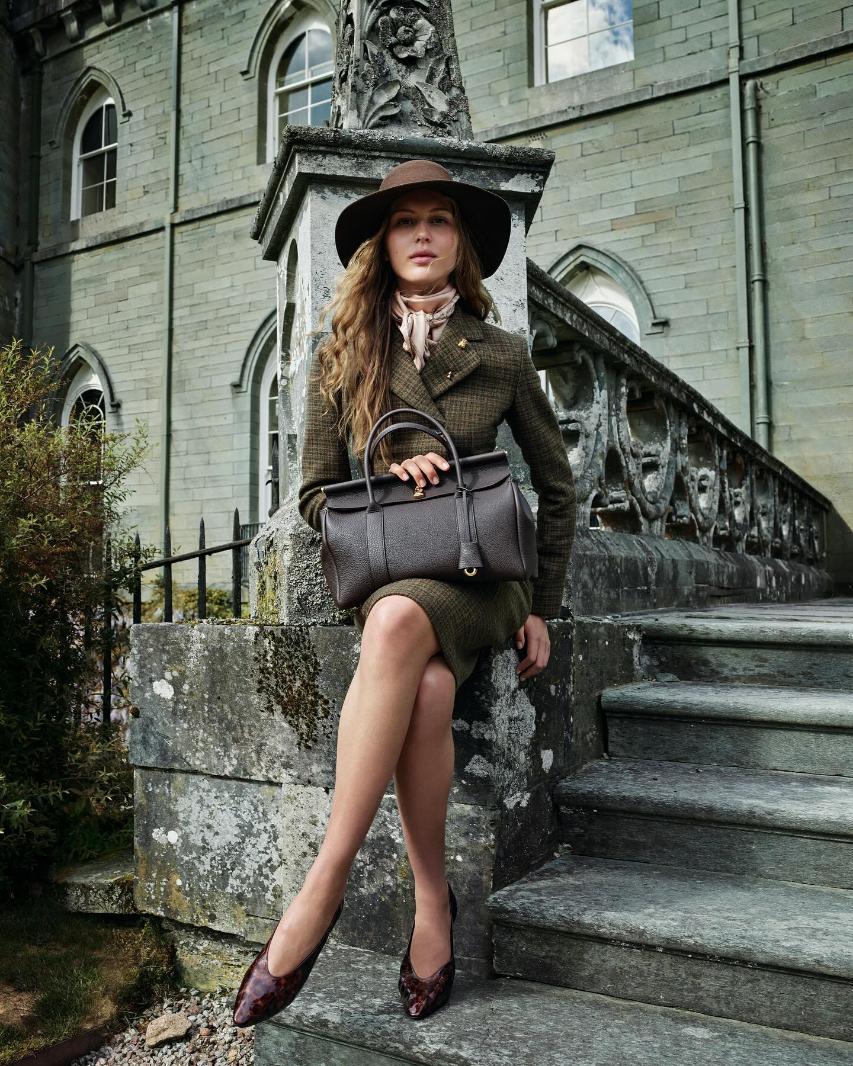
Its prominence in 2024 in particular signaled a larger cultural shift. The year brought this aesthetic to the forefront of mainstream culture, influencing how we perceive both wealth and style, with more people gravitating toward the understated and timeless. Think classic wardrobe staples like cashmere sweaters, silk trousers, and leather loafers. The hallmark traits include muted palettes, streamlined silhouettes, and discreet branding, standing in stark contrast to the flashy logomania of previous years.
Quiet luxury ties into the growing movement toward sustainability in the Philippines. Local designers and brands emphasize longevity and quality in their pieces, encouraging consumers to invest in timeless designs rather than disposable fashion. They emphasize the importance of Filipino artisanship and heritage, through the use of traditional weaving techniques and native materials like piña and abaca, which reflects values central to the trend.
Even style influencers on platforms like Instagram and TikTok have embraced the quiet luxury movement with their own takes on the "old money" aesthetic, democratizing the concept for a younger and wider audience.
How 2024 Became Quiet Luxury’s Breakout Year
A Response to Economic Uncertainty
Amid post-pandemic recovery and global economic fluctuations, ostentatious displays of wealth became less palatable and increasingly frowned upon. Consumers leaned into investment pieces, prioritizing quality and timelessness over disposable fashion. Quiet luxury's ethos aligned perfectly with this shift, offering an antidote to fast fashion’s fleeting trends.
Cultural Influences
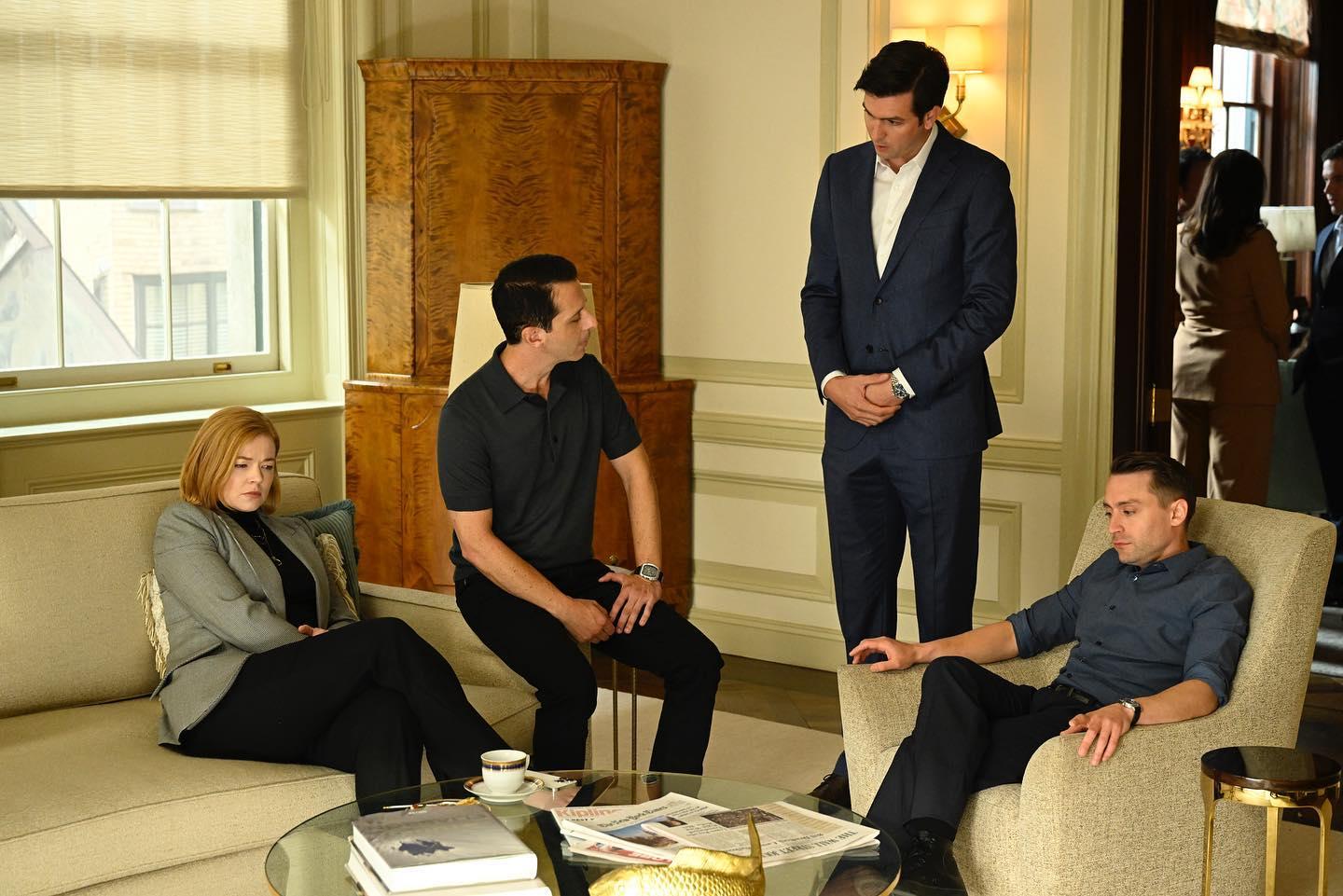
Shows like HBO’s Succession elevated quiet luxury to iconic status. The Roy family’s wardrobe of neutral cashmere, bespoke tailoring, and non-branded accessories epitomized wealth that was understated yet intentional. The show’s massive popularity turned this discreet style into a symbol of power and influence, sparking interest among a global audience.
A Pivot in Brand Strategies
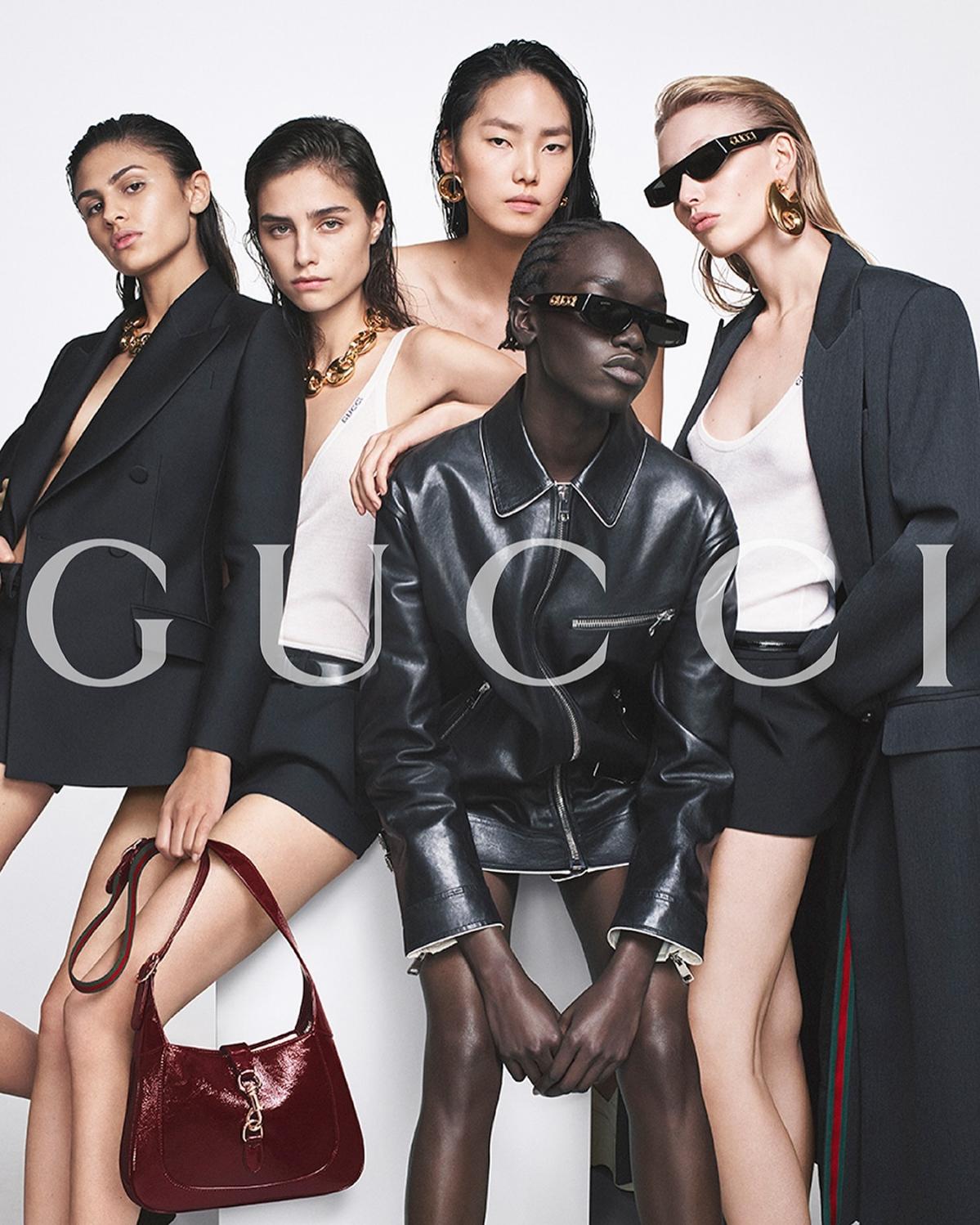
Luxury houses known for their loud branding adjusted their strategies to cater to the rising demand for subtlety. Gucci introduced pared-down designs under Sabato De Sarno, signaling a shift away from its maximalist Alessandro Michele era. Similarly, Louis Vuitton balanced its iconic monogram pieces with more understated offerings like the Lockme and Twist bag collections, reflecting changing consumer tastes. Even the Capucines, with its timeless structure and optional covered LV logo, caters to fashionistas seeking refined luxury without overt branding
Quiet Luxury’s Loud Impact on Social Media
Ironically, quiet luxury thrived on platforms like Instagram and TikTok. Influencers curated “stealth wealth” wardrobes, combining designer essentials with unbranded but high-quality basics. The paradox lies in how this understated aesthetic, once a niche for the ultra-wealthy and discerning, became democratized through social media. The term “quiet luxury” itself trended across hashtags, turning it into a pop culture moment. Yet, the exclusivity of its products—defined by price and craftsmanship—remains intact, maintaining its exclusive appeal. This internet proliferation has turned a niche preference into a global conversation.
Quiet Luxury vs. Loud Fashion
All that said, quiet luxury is not the definitive answer to personal style—and it shouldn’t be. Bold, loud, and expressive fashion continues to hold a vital space in the industry. It represents an entirely different but equally important dimension of self-expression. It embodies audacity, creativity, and individuality—qualities that resonate deeply with those who find joy in breaking conventions.
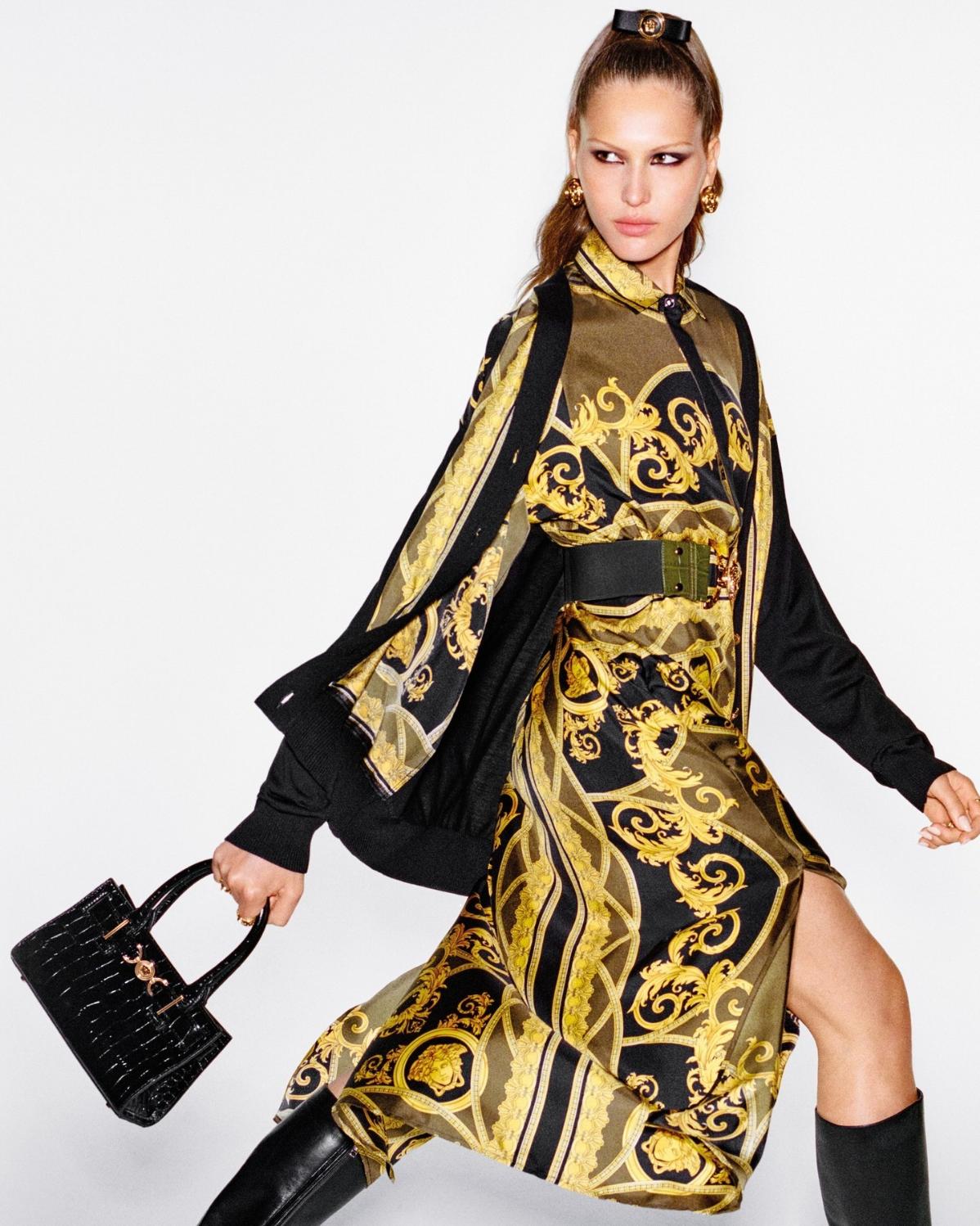
Design houses like Moschino thrive on the surreal, turning clothing into playful, wearable art. Under Jeremy Scott’s tenure before he left in 2023, Moschino redefined maximalism with designs referencing fast food, Barbie, and even household items like lampshades. Similarly, Versace’s iconic baroque prints and use of head-turning colors, underpinned by the brand’s ethos of unapologetic glamour, serve as an ode to confidence and rebellion. These brands celebrate pushing boundaries, offering fashionistas a chance to experiment and stand out in a crowd. They're good case studies of how daring prints, statement accessories, and vibrant colors can convey one's individuality with joy.
Interestingly, the line between quiet and loud fashion is not always rigid. Designers like Bottega Veneta have found a balance, harmonizing understated craftsmanship with bold, contemporary elements. The brand’s iconic accessories—recognizable for their textures rather than logos—are proof that minimalism can make a loud statement. Under Mathieu Blazy’s creative direction, Bottega Veneta turned minimalist bags into "it" items that fashion enthusiasts covet. For instance, the brand's Cassette bag, woven using the house's signature Intrecciato technique, is instantly recognizable without needing overt branding. Similarly, the Jodie bag, with its bold knot detail, and the sculptural Andiamo tote demonstrate how pieces devoid of logos can be a commercial success in luxury fashion.
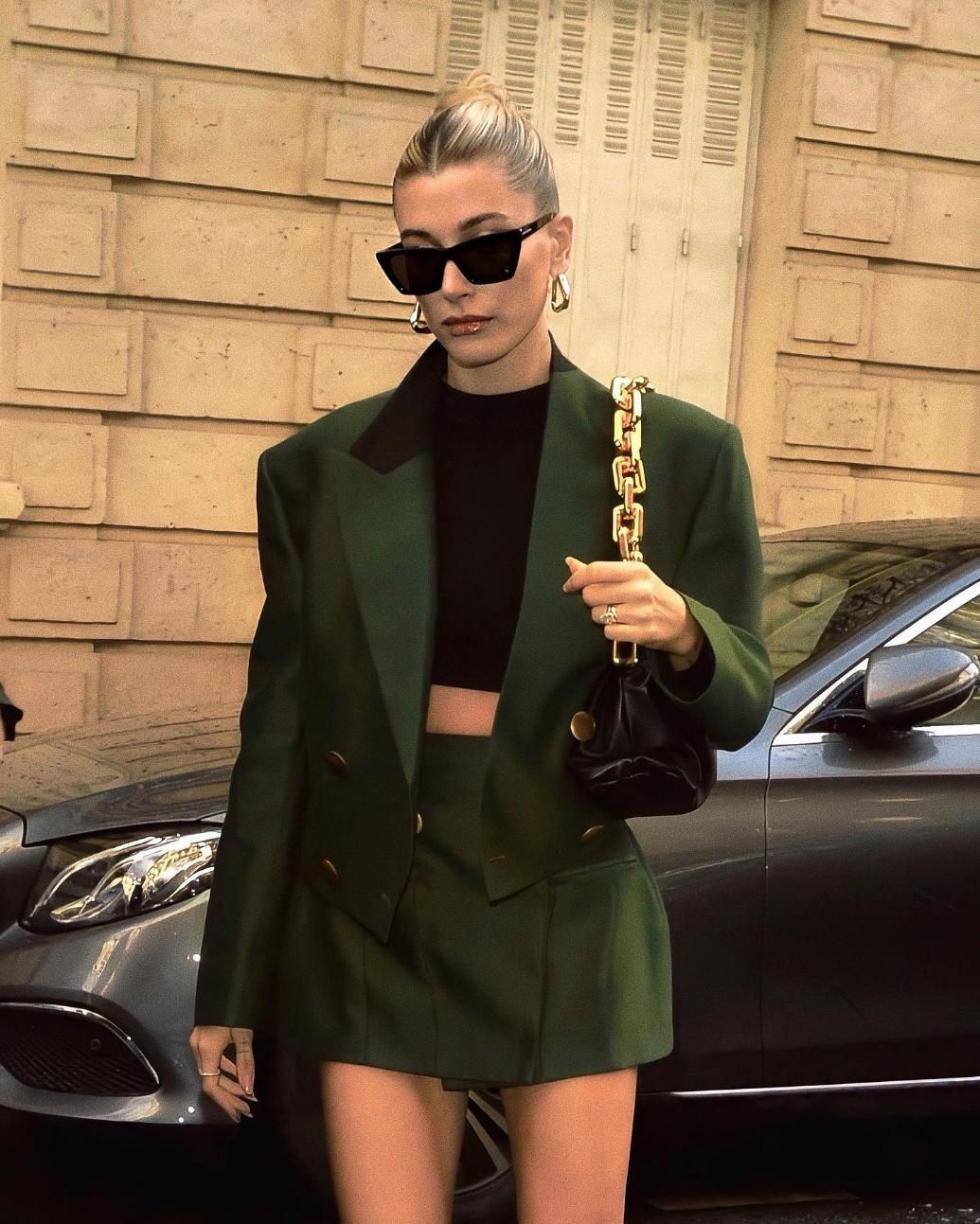
Likewise, individuals often navigate these styles fluidly—take, for example, Filipino style icons like Heart Evangelista and Pia Wurtzbach, who demonstrate how bold fashion can be deeply personal and culturally resonant. In reality, one's closet could house both cashmere separates and monogrammed dresses. Personal style is dynamic; it evolves with context, emotion, and occasion. A crisp white blouse from The Row, for instance, could easily be styled with a Versace baroque-print scarf or statement Horsebit platforms from Gucci. This ability to mix quiet luxury with louder accessories is increasingly common, making a case for how the two aesthetics can complement rather than compete.
The coexistence of quiet and loud fashion illustrates that neither style is “better.” Fashion thrives on diversity, after all. Whether one prefers subtlety over a dazzling sequined ensemble, at the end of the day, it's about how we celebrate varied perspectives and the freedom to choose.
Hey, Preview readers! Follow us on Facebook, Instagram, YouTube, Tiktok, and Twitter to stay up to speed on all things trendy and creative. We’ll curate the most stylish feed for you!
