More Videos You Can Watch
Meet Preview's Best Filipino Fashion Designers of 2024
This year's Preview BFFD list is pushing boundaries and shaping the future of Philippine fashion.
Published Sep 4, 2024
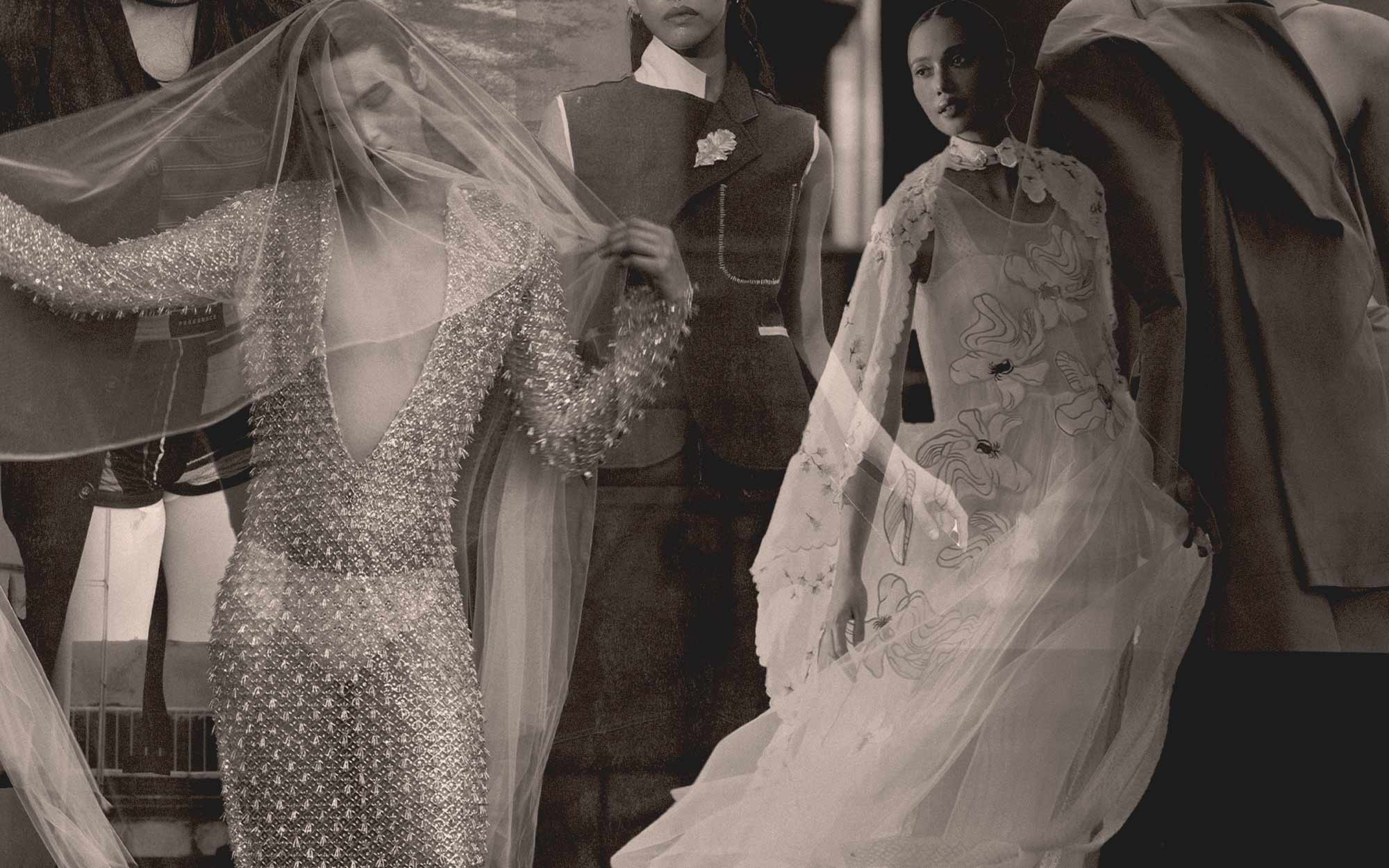
This year, Preview celebrates five Filipino fashion designers who embody the diverse facets of Filipino fashion.
Now in its 29th year, Preview remains at the forefront of celebrating Filipino fashion and the trailblazers shaping its future. In 2024, we turn the spotlight on five visionary designers whose distinct perspectives are redefining the current landscape. Each designer’s work reflects a dynamic fusion of heritage with innovation, crafting a body of work that enriches diversity in the local fashion scene.
Ahead, get to know the second batch of Preview’s Best Filipino Fashion Designers, whose exceptional contributions are driving the evolution of fashion.
Preview’s Best Filipino Fashion Designers 2024
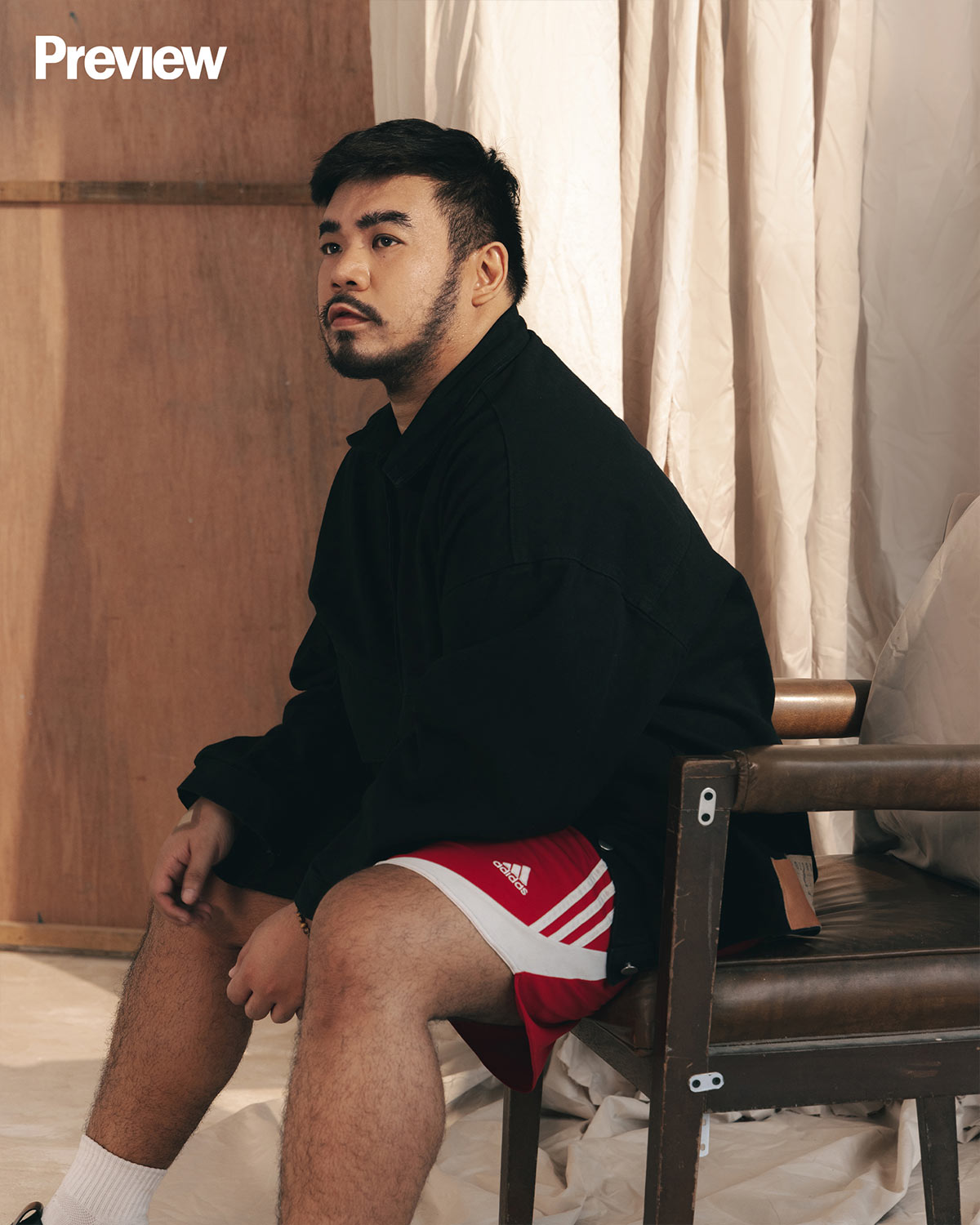
Rik Rasos of Proudrace
Borgy Angeles
ADVERTISEMENT - CONTINUE READING BELOW
Rik’s journey into fashion is as organic as it gets. “I started actually for fun,” he says.
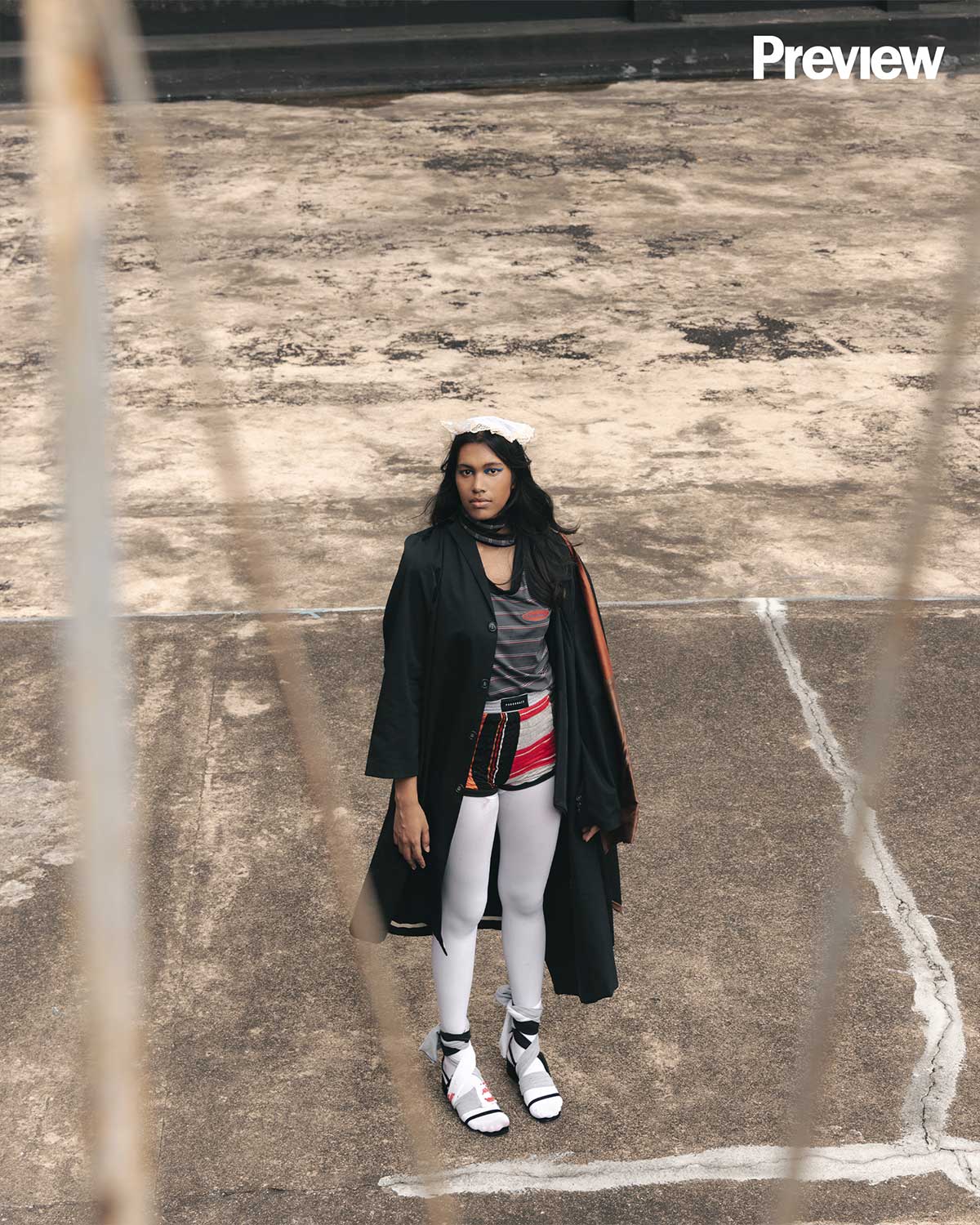
It was in 2013 when the first iterations of Proudrace came to life. Though at the time, it was more of a nameless, passion project—a creative outlet rather than a full-fledged brand. A former DJ and skateboarder, creative director Rik Rasos began making clothes for himself and his friends. He started by printing on secondhand T-shirts—pieces that he would deconstruct and reconstruct, giving them a new identity. “It begins with an existing silhouette, and then I twist it,” Rik explains, summing up his design process.
Borgy Angeles
CONTINUE READING BELOW
watch now
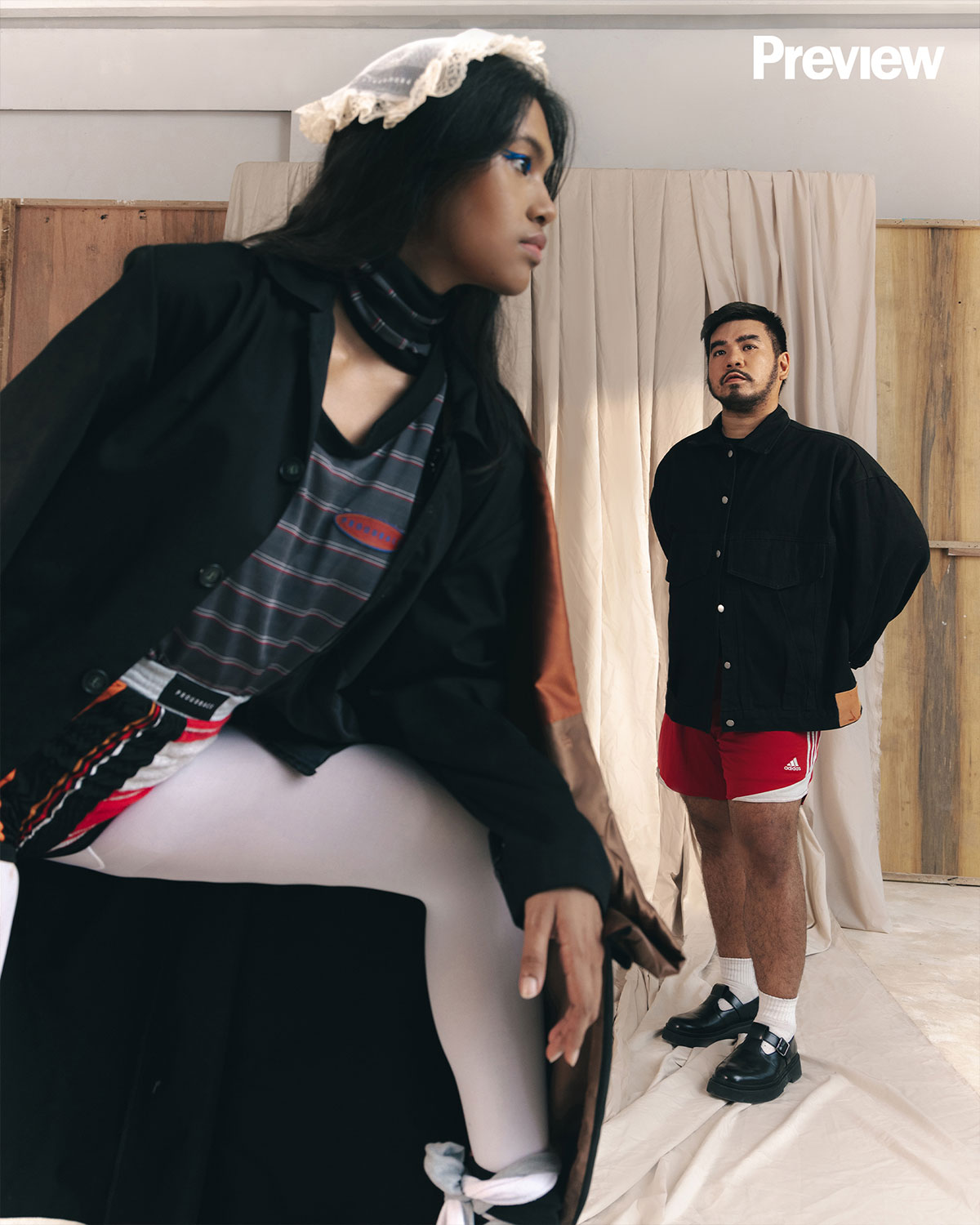
Proudrace’s ethos is grounded in taking the familiar and flipping it on its head. His approach is simple yet profound: minimum effort with maximum effect. A T-shirt, for instance, becomes an opportunity for Rik to reimagine its form and push it to its limits—a constant deconstruction and reconstruction of everyday garments. Inspired by the avant-garde genius of Martin Margiela and the hands-on craftsmanship of his aunt—a seamstress for Manila's elite in the '60s and '70s—Rik has always been more fascinated by the process of creation than by fashion itself. This translates into pieces that are both laid-back and impactful, reflecting his easy-going personality and deep understanding of street culture.
Rik’s design philosophy—deconstructing, reconstructing, and injecting a sense of fun into every piece—remains at the heart of Proudrace. The brand's clothes are unapologetically individualistic, encouraging wearers to embrace their uniqueness. “Fashion is supposed to be fun,” Rik insists, and this ethos is woven into every stitch of a Proudrace piece.
ADVERTISEMENT - CONTINUE READING BELOW
Borgy Angeles
Looking ahead, Rik’s goals for Proudrace are as ambitious as they are grounded. He aims to root the brand more deeply in the Philippines while continuing to collaborate with global names. Plans for a flagship store are in the works, and Rik is eager to connect more directly with his home market. Despite the challenges that come with growing a brand in the competitive world of fashion, Rik remains optimistic and driven, inspired by the idea of leaving a legacy that encourages others to dream big and push forward.
ADVERTISEMENT - CONTINUE READING BELOW
Gabbie Sarenas
Borgy Angeles
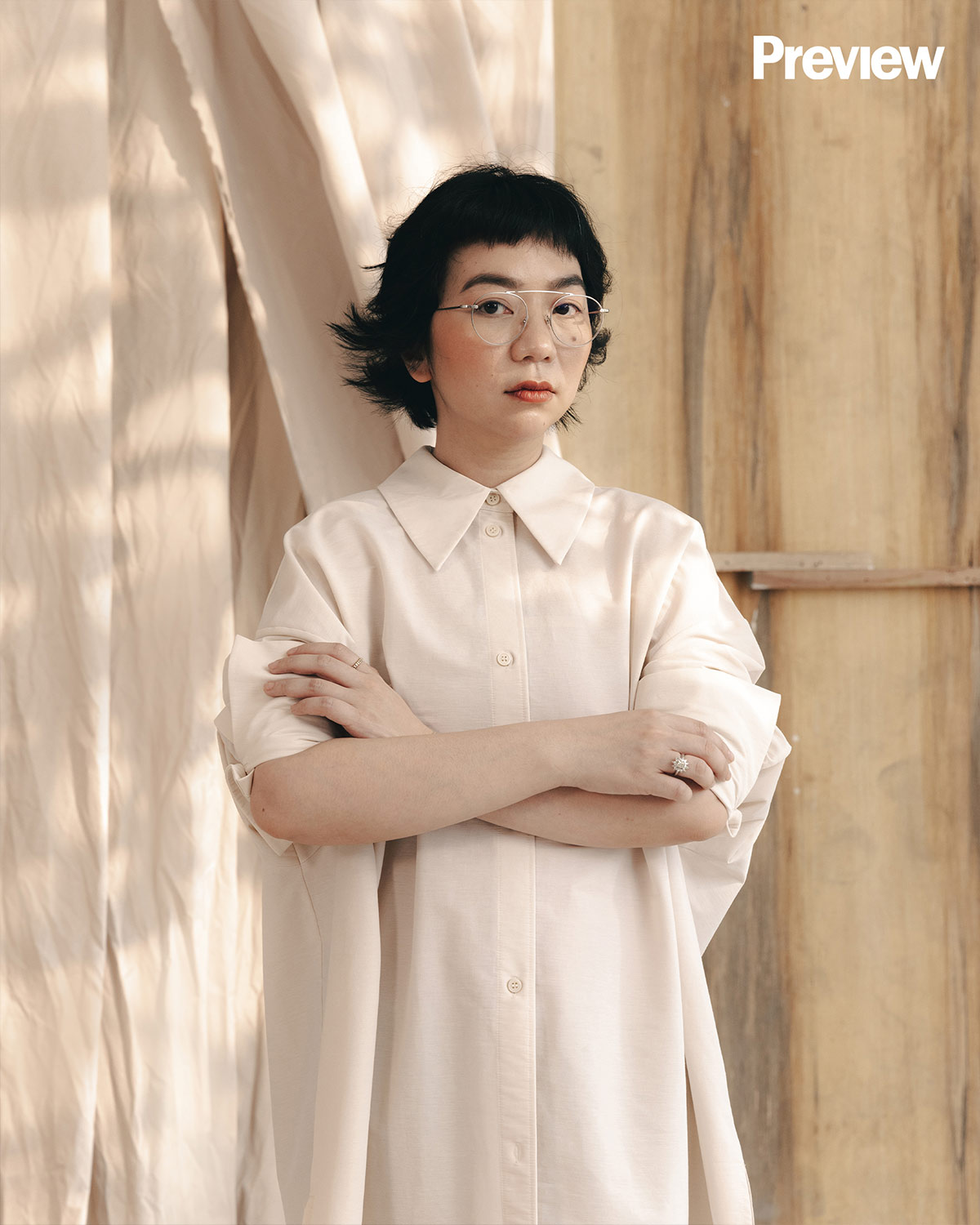
Gabbie Sarenas’ passion for design began in high school, where she doodled sketches on the back of her notebooks. However, pursuing a career in fashion wasn’t initially on the table. “Back in 2003, the options to become a designer were very limited,” she recalls. After experimenting with different creative paths, including working in an art gallery and dabbling in photography, she found her calling at the School of Fashion and the Arts (SOFA). “After the first subject, I knew this was it, this was what I wanted to do in life,” she says.
ADVERTISEMENT - CONTINUE READING BELOW
Yet, even with her newfound direction, Gabbie wasn’t immediately sure what kind of designer she wanted to be. It took years of research and a deep dive into the essence of Filipino design before she found her signature style. “I knew the root of it all was handwork,” she explains. Her curiosity led her to explore pre-colonial Filipino fashion, a journey that would lay the foundation for her brand ethos.
Borgy Angeles
ADVERTISEMENT - CONTINUE READING BELOW
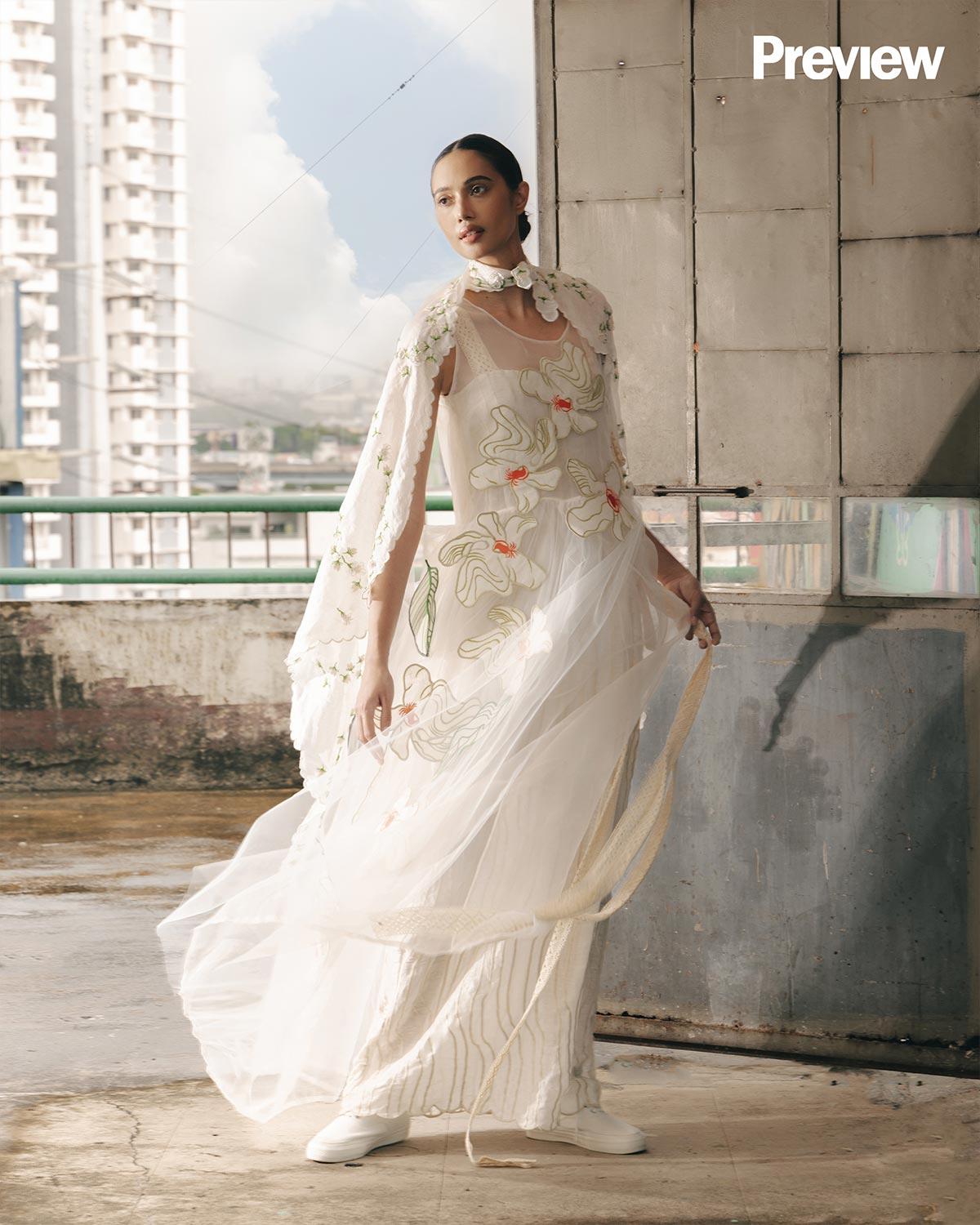
Today, the essence of Gabbie Sarenas’ brand is best captured in her own words: “A love letter to the Philippines.” This love letter is written in the language of traditional Filipino textiles, embroidery, and storytelling, all of which are integral to her collections.
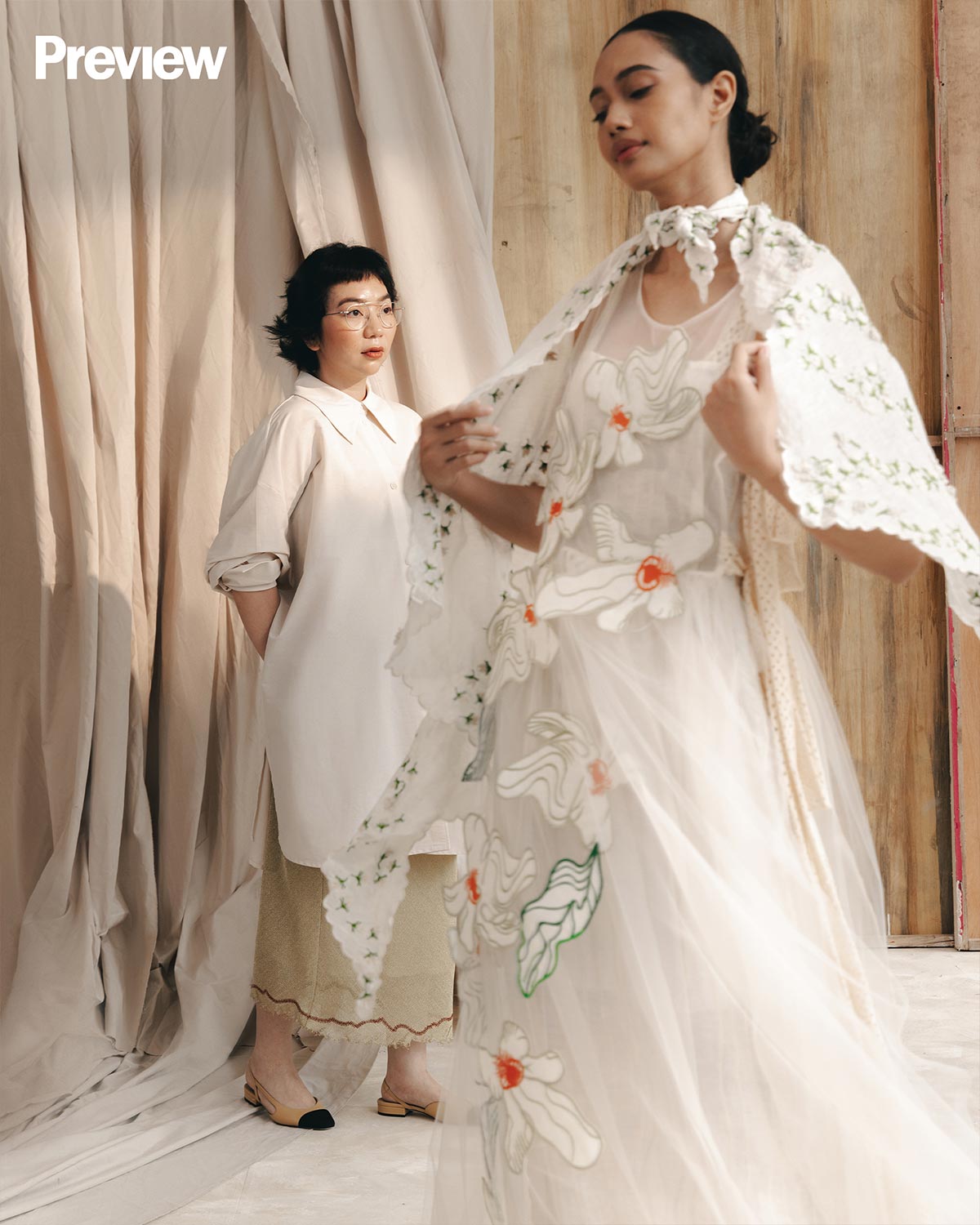
Her use of piña fabric, often adorned with calado embroidery, is central to her work. “When I think of the Philippines, I think of piña. It’s so elegant, so soft, yet with structure—it’s just very Filipino,” she says.
Borgy Angeles
ADVERTISEMENT - CONTINUE READING BELOW
For Gabbie, her work is a reflection of Filipino excellence, something she hopes to convey through every piece she creates. To her, every collection, every piece, is a step towards that goal—a continuation of her love letter to the Philippines, one that she plans to keep writing for years to come.
Neric Beltran
Borgy Angeles
ADVERTISEMENT - CONTINUE READING BELOW
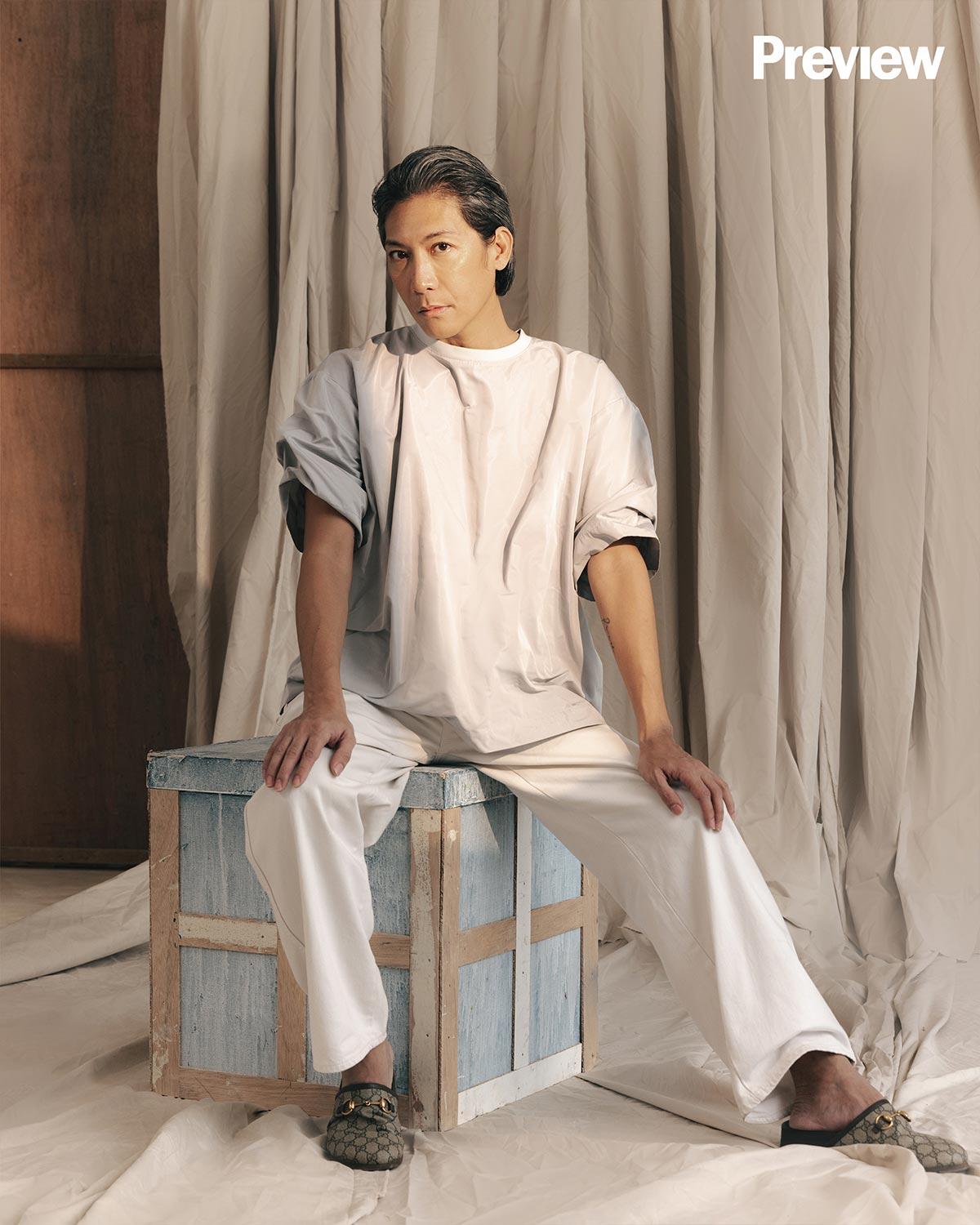
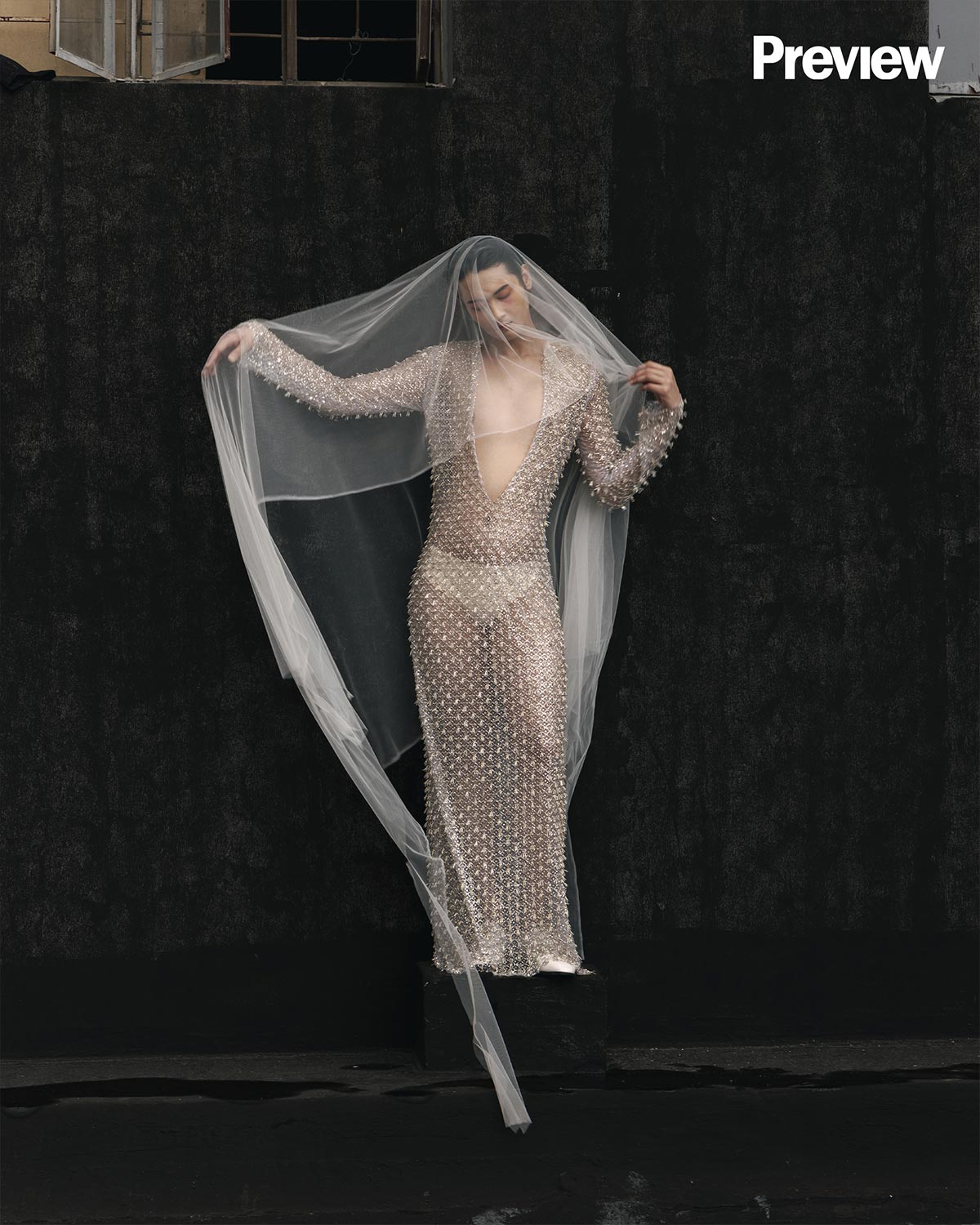
Neric Beltran's foray into fashion began in the bustling world of television and film. Before establishing his eponymous brand, he spent 14 years in the TV and movie industry as a stylist for ABS-CBN. This role, however, was just one chapter in a varied career that also saw him working as a florist, a window display designer, and even designing a ready-to-wear line for a small brand. Each of these roles, while seemingly disparate, contributed to the well-rounded designer he is today."All these experiences culminated in who I am now as a designer," he muses.
It wasn’t until 2018 that Neric dipped his toes into the world of fashion design. "The lack of resources pushed me to create the actual garments that I needed for the shows or for the movies," he explains. This necessity to produce his own designs became the foundation for his brand today.
Borgy Angeles
ADVERTISEMENT - CONTINUE READING BELOW
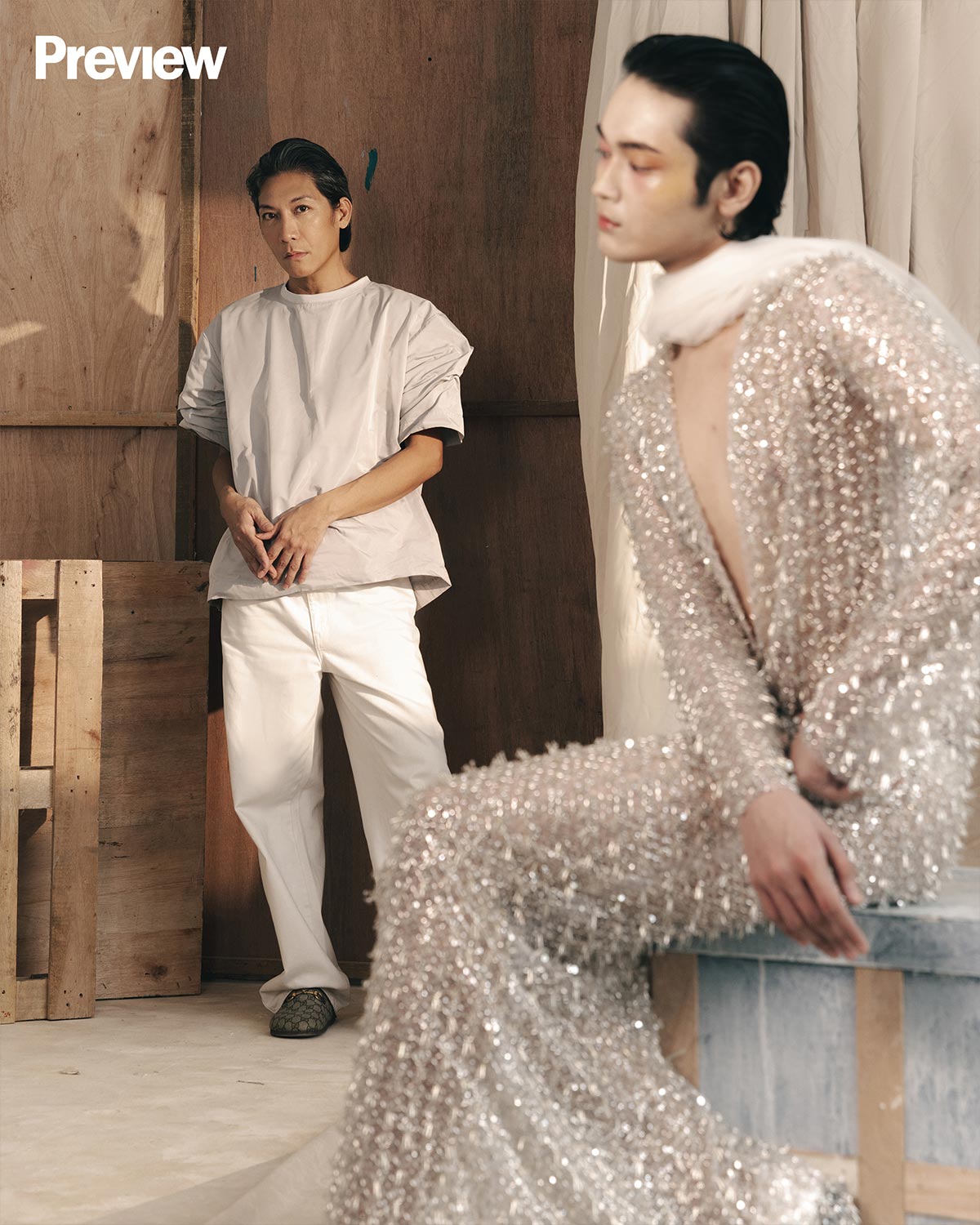
Neric’s design philosophy is one of restrained opulence. "I wouldn't say it's maximalist, but I try to control it. I use simple silhouettes, but the maximalist approach comes through in the embellishment. Even in the quietest pieces, we try to inject techniques that aren't commonly seen in garments." Handwork is central to Neric's process, and he believes that no amount of technological advancement can replace the beauty of something made by hand. "The human element, the imperfections that the human hand and mind can create, is beautiful. Nothing can replace that."
As Neric continues to make his mark on the fashion industry, his vision extends beyond his own success. He is deeply committed to empowering the people around him, particularly the artisans who bring his designs to life. "I enjoy the creative process so much that I want the people around me to have the same experience," he shares. To this end, he plans to share the knowledge he gained in Milan by opening embroidery classes, aiming to inspire and equip the next generation of designers with the skills to incorporate handwork into their creations.
ADVERTISEMENT - CONTINUE READING BELOW
Borgy Angeles
Ultimately, Neric’s vision for the future of Filipino fashion is one where technology and tradition coexist, and where the human aspect of craftsmanship remains central. "Even if everything becomes more and more technologically advanced, it’s still us, the human aspect, that will show," he says.
Martin Bautista
Borgy Angeles
ADVERTISEMENT - CONTINUE READING BELOW
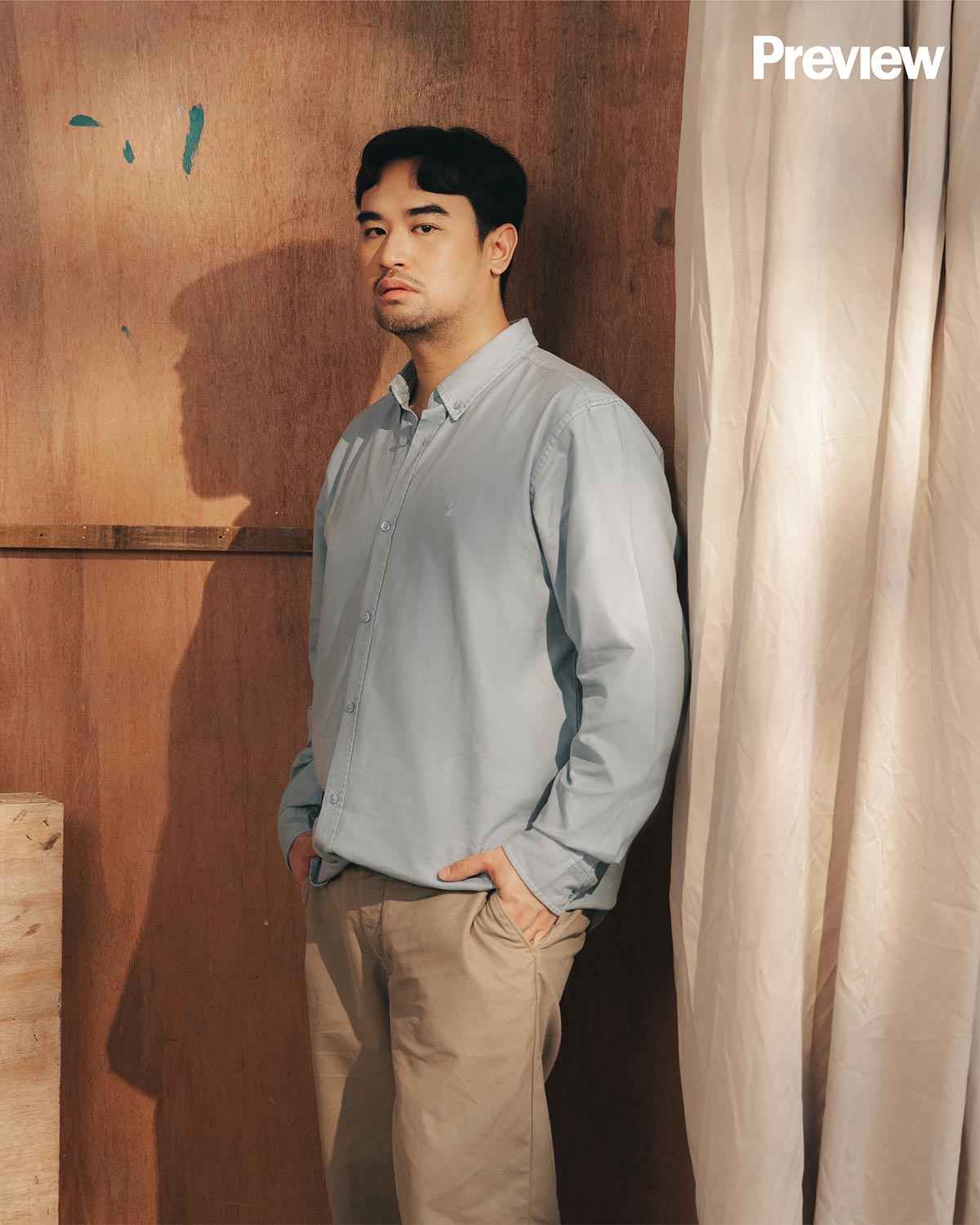
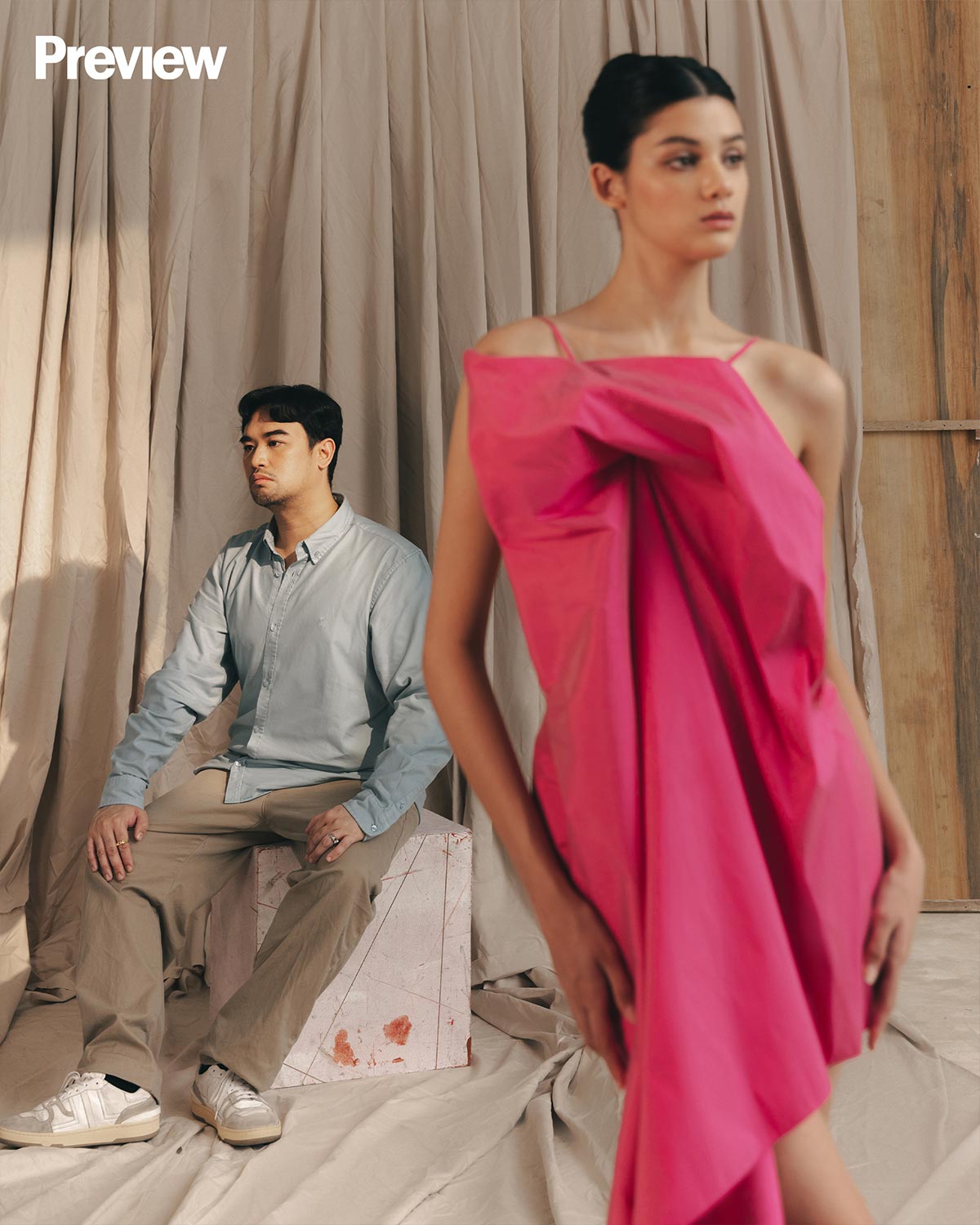
For Martin Bautista, fashion is a celebration of the feminine form— a fascination that has driven his career from the very start. “I think it’s my love for the beauty of women that inspired me to become a designer,” he shares. "They're the ones I’m dressing, so it has to go back to them. My job is really just to enhance what they have, who they are."
Martin's first significant foray into the fashion world was through Philippine Fashion Week in 2007. At just 22 years old, he was “fearless and unbothered,” diving headfirst into the industry. "Everything felt so easy," he recalls. "I was doing my own thing, and it felt fun, natural, and organic."
Borgy Angeles
ADVERTISEMENT - CONTINUE READING BELOW
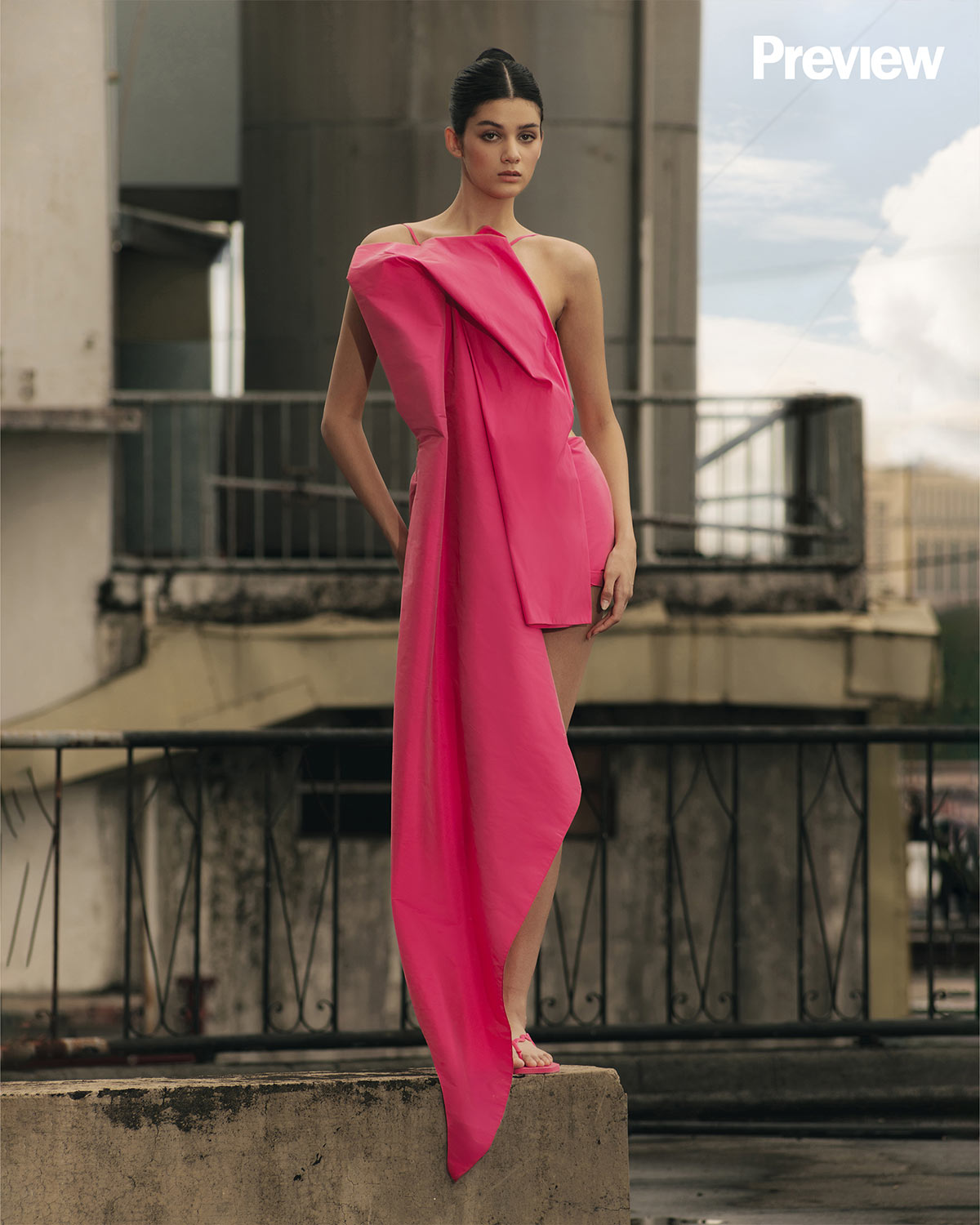
Seventeen years down the line, his perspective has evolved, but his dedication to simplicity and elegance remains steadfast. "The Martin Bautista girl has defined her look. She’s more playful at times but there's always a certain restraint with the looks. There’s a new maturity in my work, but it all boils down to simplicity and ease," he explains. His designs are a delicate balance of femininity and sophistication, often characterized by a play on color and a quiet yet striking presence.
Martin draws inspiration from a myriad of sources, ranging from pop culture icons like Christina Aguilera to the nuances of how a woman tucks in her shirt or chooses her shoes. "I keep a notebook of things I see, like how a girl pairs a T-shirt with her pants or how she ties her hair. These are the things that really strike me, and I try to bring them to life in my work," he shares.
ADVERTISEMENT - CONTINUE READING BELOW
Borgy Angeles
Nonetheless, Martin's affinity with beauty and femininity growing up shaped his aesthetic today. "I’m obsessed with anything beautiful and feminine. That’s the root of my style," he says. This deep connection to femininity is evident in every piece he creates, from the way fabric drapes on the body to the subtle elegance of his color choices.
ADVERTISEMENT - CONTINUE READING BELOW
Joseph Bagasao of BAGASÁO
Borgy Angeles
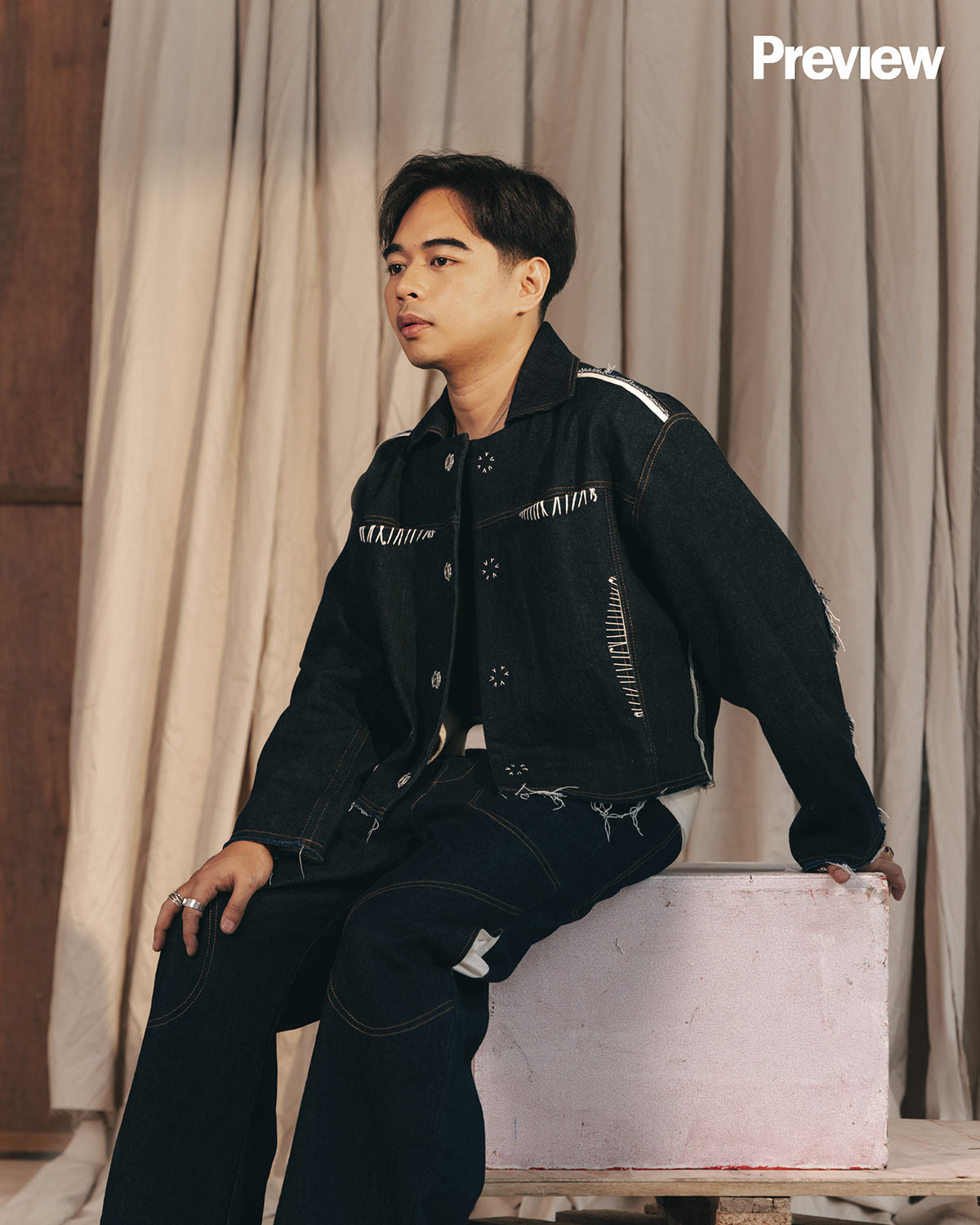
Joseph Bagasao’s love affair with fashion began early. “I knew I wanted to become a fashion designer since I was in the third grade,” he recalls. Unlike many who grow up in bustling cities with access to the latest trends, Joseph’s introduction to fashion was more intimate, rooted in his upbringing in Nueva Ecija. “My grandmother was always dressed in something custom-made, always put together with her small bag and abaniko,” he shares. This early exposure, coupled with his fascination with fashion TV, ignited a passion that would later shape his future.
ADVERTISEMENT - CONTINUE READING BELOW
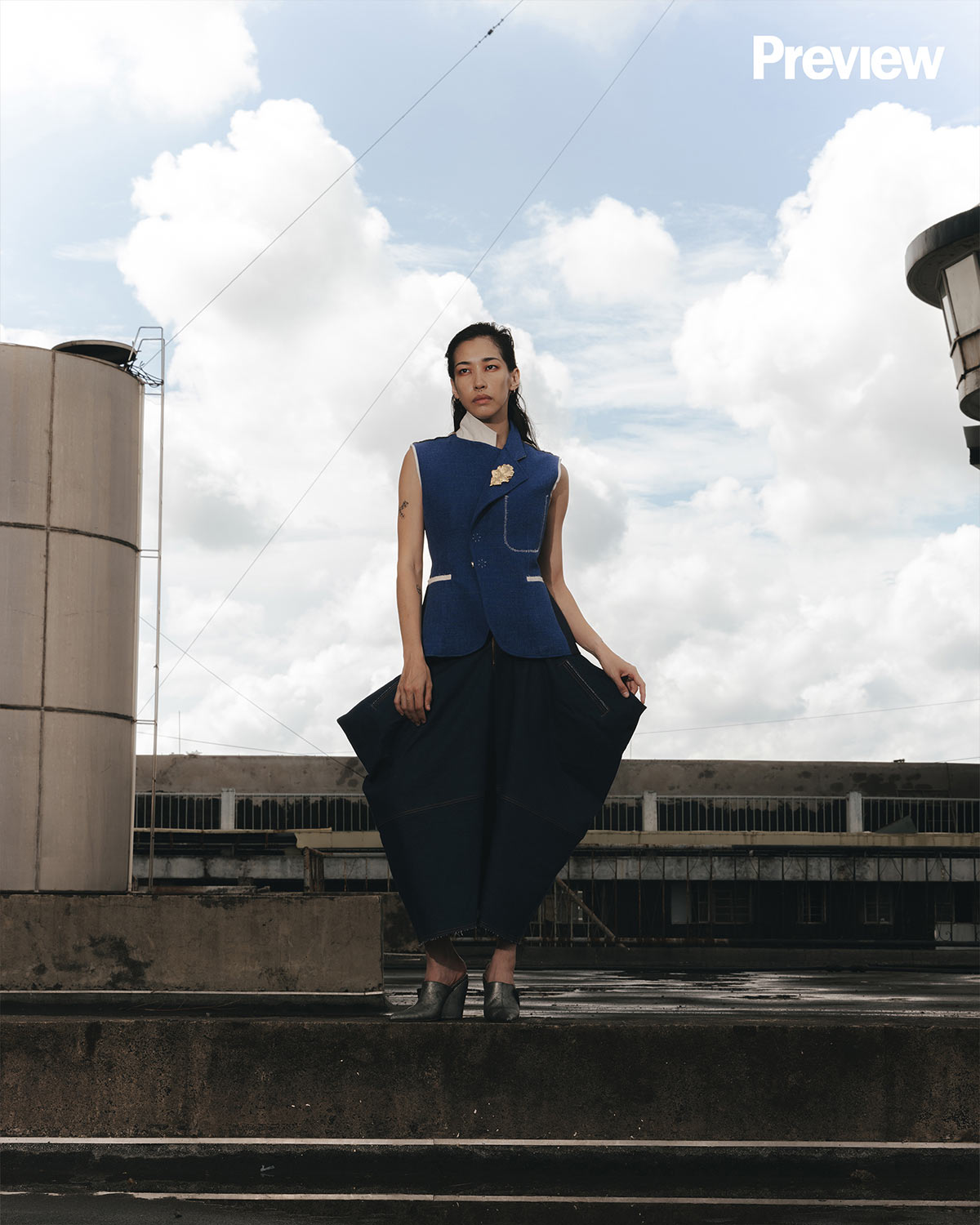
Quality and consciousness are at the heart of his brand. While sustainability is a buzzword in fashion, Joseph approaches it pragmatically. "I realized throughout the years that you cannot be 100 percent sustainable. It’s too expensive, and it’s not true. But we try our best to always review our processes, be it with manpower or how we source materials," he says. For Joseph, the goal is to create pieces that will resonate across generations, and above all, stand the test of time.
Borgy Angeles
ADVERTISEMENT - CONTINUE READING BELOW
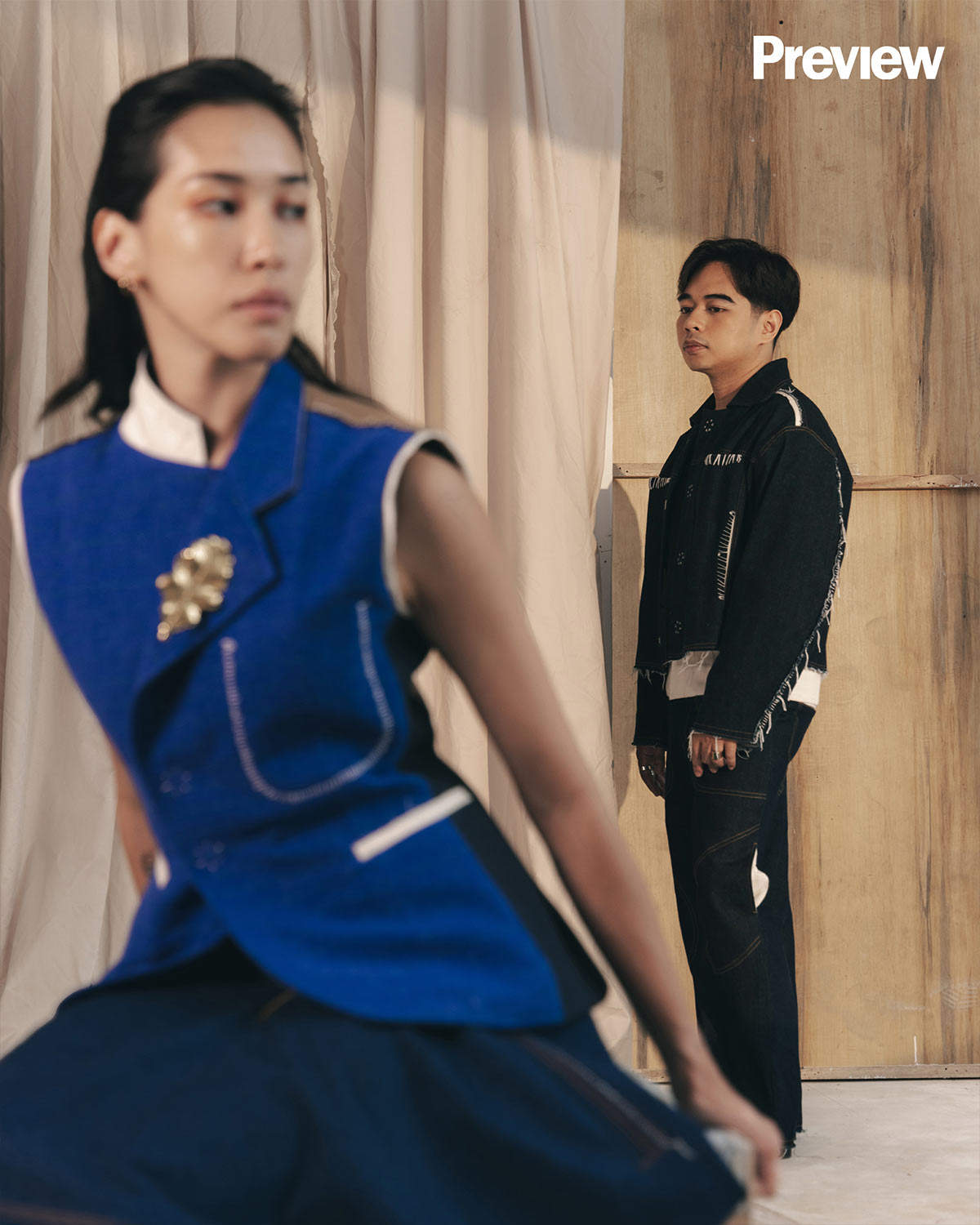
Joseph’s commitment to quality extends to his sourcing practices. "I source a lot of my fabrics from Japan because of the consistency and quality," he notes. However, he is equally passionate about supporting local artisans. "I’ve worked with a community of weavers in Negros to create fabrics that represent the BAGASÁO brand. It’s still made by Filipino hands, with their craftsmanship, using local fibers, but it’s translated into something that fits our aesthetic."
Borgy Angeles
ADVERTISEMENT - CONTINUE READING BELOW
Joseph’s design process is deeply personal, often inspired by the subtleties of everyday life. “[My inspiration] could be a door while I’m walking somewhere, music that I randomly listen to, or a color in the pavement,” he muses. His organic approach lends to each of his collections, where his creations are a reflection of who he is at a given moment, rather than a response to external trends. “I create as a response to who I am as a designer. It’s not about being inspired by something specific; it’s about how I feel about it at that point in my life.”
Produced by The Preview Team
Photographer: Borgy Angeles, assisted by Pao Mendoza
Creative Director: Bacs Arcebal
Editor-in-Chief: Marj Ramos-Clemente
Production: Reg Rodriguez and Paulina Singh
Set Design: Rocket Sets
Models: Yaofa Dela Cruz, Onie De Guzman, and Renee Hartshorne of Mercator Model Management; Nidhya Kumar, and Sherlaine Yap
Makeup: Janica Cleto, Kenric Carpio, Vince Leendon, and Kimroy Opog of BYS Cosmetics, assisted by Maffy Tirol, Justine Sabalvaro, and Renz Ervin Magallanes
Hairstyling: Team Muriel Vega Perez; Cherry Reyes and Alrey Valencia of Toni & Guy Philippines for Gabbie Sarenas
Story: Paulina Singh
Videos: Jana Jodloman and Greeko Junio
Shoot Location: Rocket Sets Studio
Special thanks to Mau De Leon
ADVERTISEMENT - CONTINUE READING BELOW
Hey, Preview readers! Follow us on Facebook, Instagram, YouTube, Tiktok, and Twitter to stay up to speed on all things trendy and creative. We’ll curate the most stylish feed for you!