
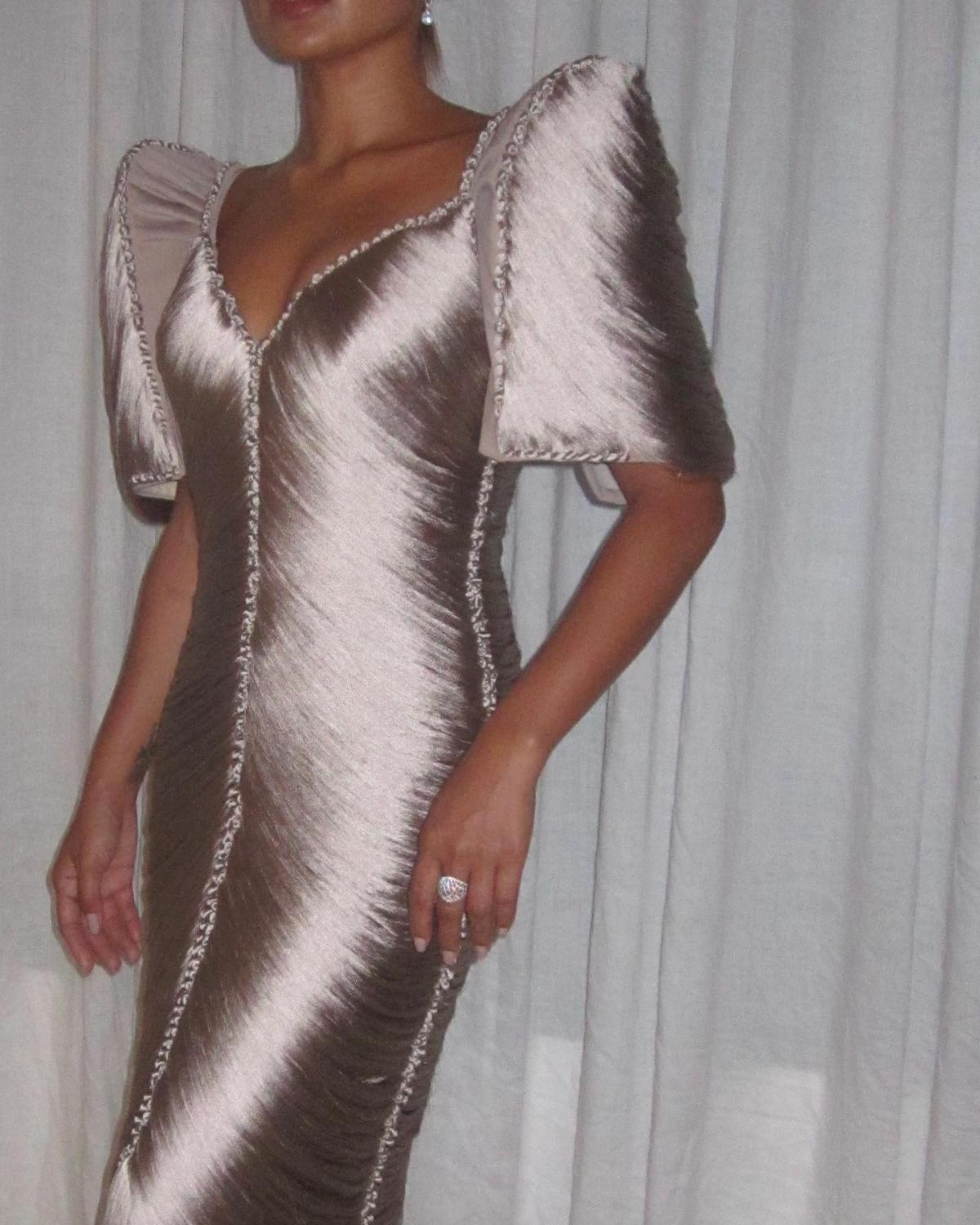
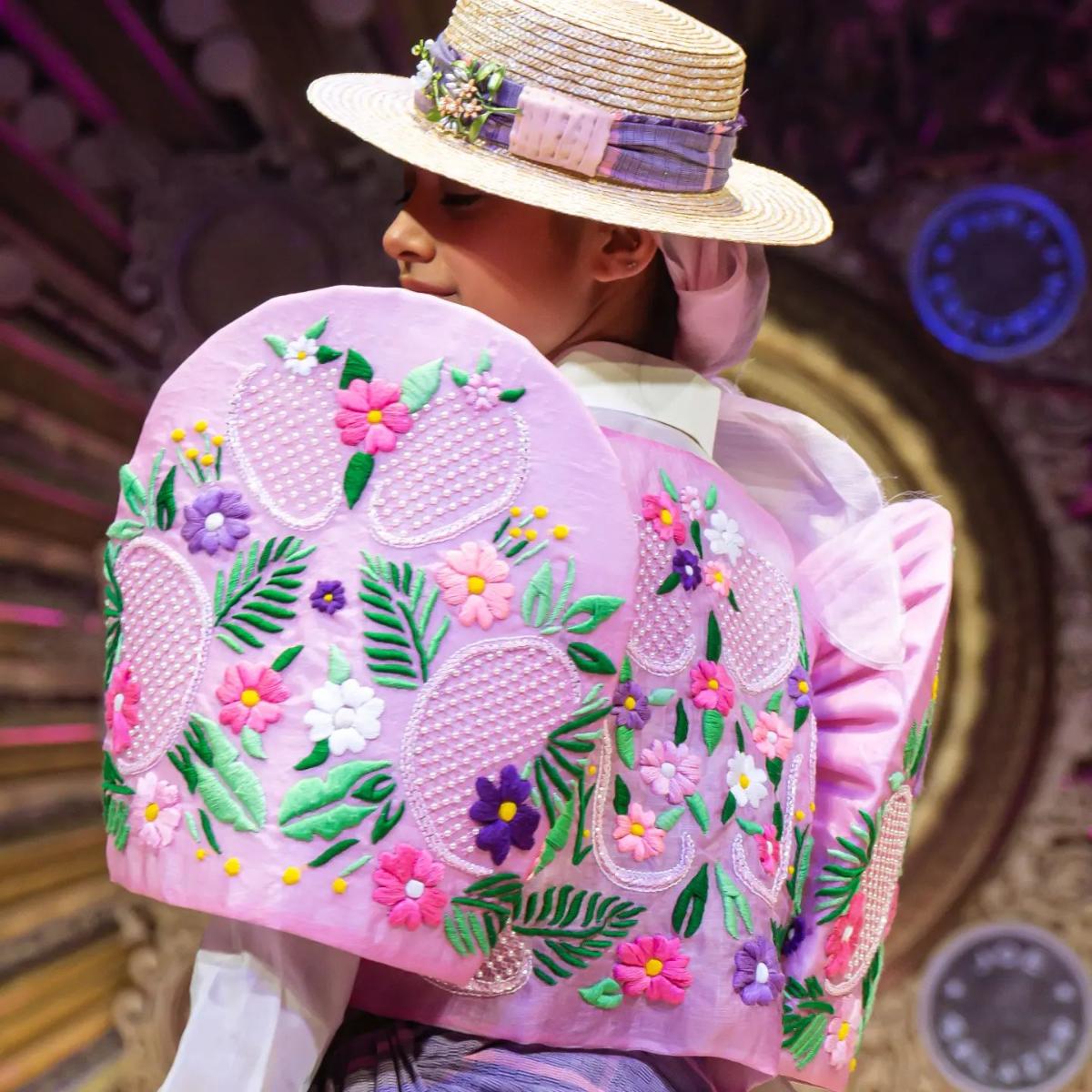
The terno has borne witness to nearly every facet of Philippine history. A product of Spanish colonization, where it was a key component in the uniform of mestizas, the arched sleeves have since been worn by Filipinas of various backgrounds. Once attached to a notorious reputation during the period of Martial Law, it's currently facing a resurgence in popularity thanks to more casual iterations. The Ternocon, held annually, gives up-and-coming designers a platform to reimagine the heritage garment.
These scenarios stir a discussion on upholding the clothing piece's authenticity in the face of modernization. Can a terno show some skin? Are we allowed to incorporate any print into its design? Where do we draw the line between reimagining and bastardizing?
To keep the conversation going, Preview asked Filipino designers for their thoughts on the matter. Read on for their insightful responses.
Preview Asks: Is It Okay to "Modernize" the Terno?
Rajo Laurel
"Fashion, by its very nature, will always evolve and modernize, because the people who wear it also evolve. We are not the same Filipinos of the past. Our lives are vastly different from those from the 1900s. Each generation has different needs and desires so what we wear will have to adapt or else it will wither and die."
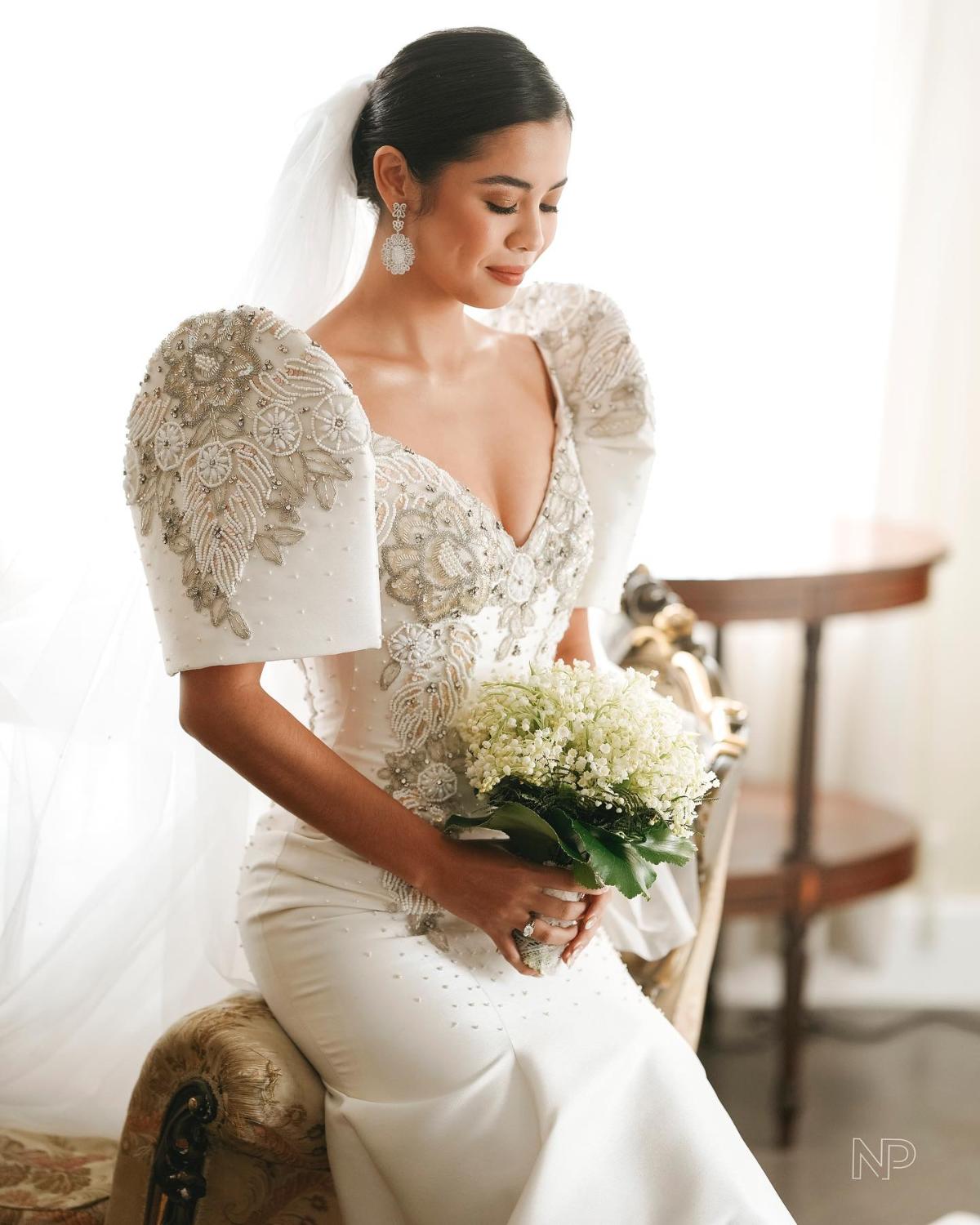
"The terno will definitely modernize whether we like it or not. It will not be made the way our grandparents make it and wear it. We will develop new materials and new ways to interpret it and to make it relevant to our modern lives."
Gabbie Sarenas
"I think that the terno itself requires technical skills, and based on my experience, a lot of math. Before dismantling anything you have to learn how to make it. I honestly believe that the terno sleeve is beautiful as it is. I like doing the regular size as it fits well with the work I have."
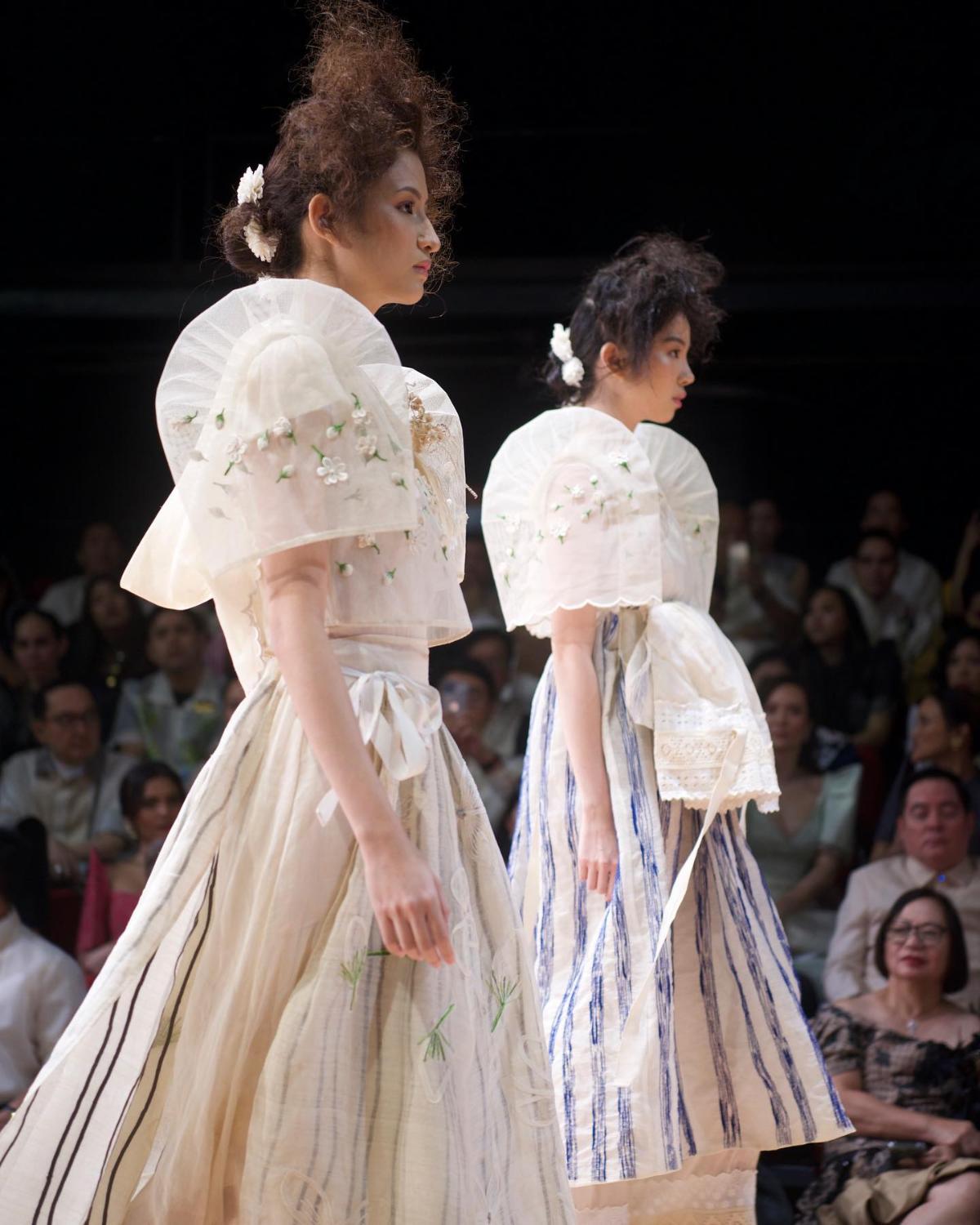
"I understand that some ladies would like to do different varieties of it. I don't oppose to that but I encourage respect and reverence to one of the last—if not the last—elements of a Filipino garment. A lot has been taken out already so I would like to preserve the terno sleeve and [to keep it as pure as it can be in terms of its technical aspects, which will allow it to] blossom as it should."
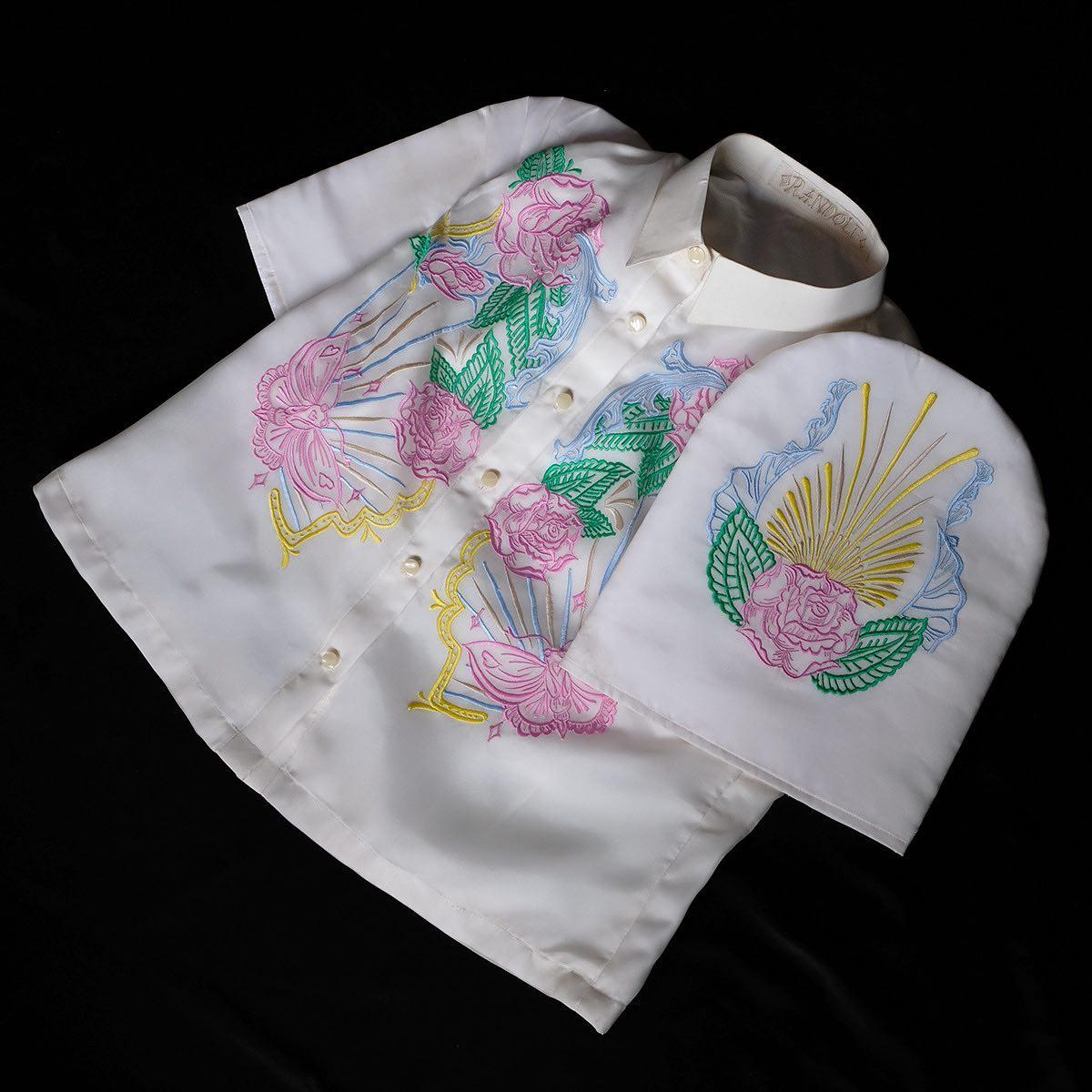
RJ Santos of Randolf Clothing
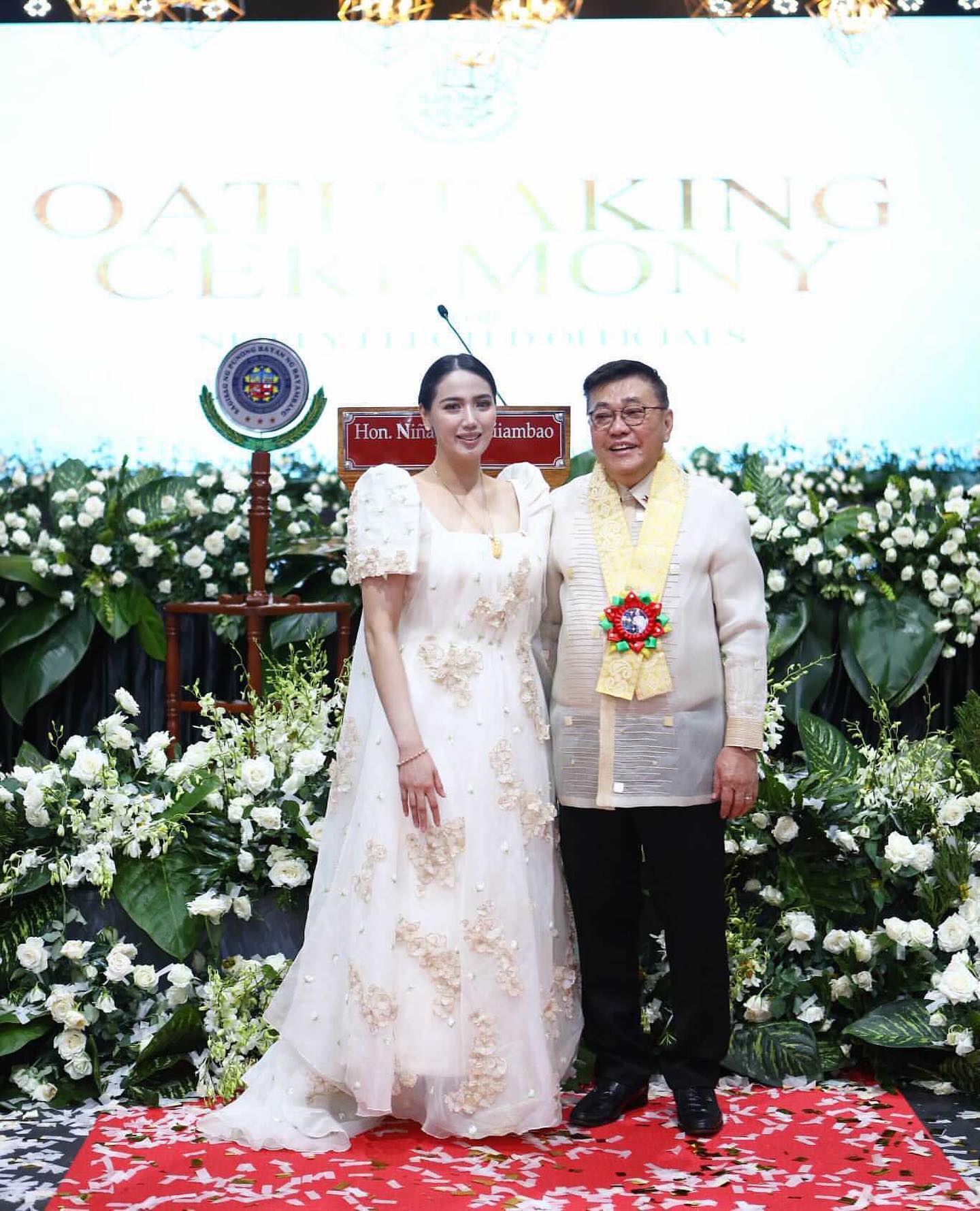
"I don’t think it needs modernizing because it might feel forced or inauthentic, but I do believe that it shouldn’t be prevented from evolving with the times. That’s exactly how we arrived at the terno we have today, so I think it’s only appropriate that we allow it to evolve. We will always cherish the past versions, but [we have to] let it grow and find its place in future generations."
Daryl Maat
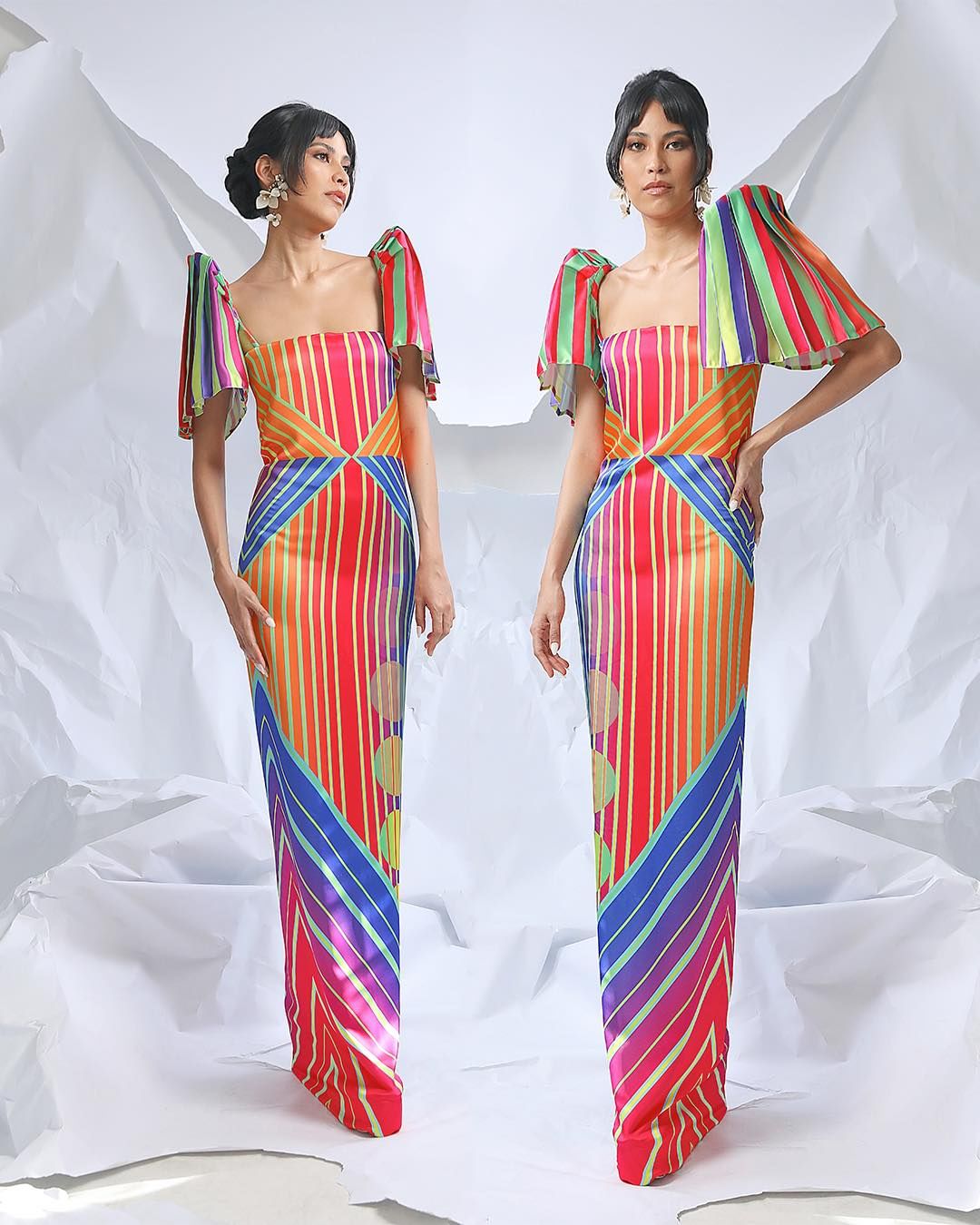
"We’ve seen the evolution of the terno over the years. In order to preserve our local and cultural heritage, it's important that we modernize this iconic garment. Innovation in materials, techniques, and technology is essential in making it contemporary. However, it is our responsibility to uphold the integrity of the terno's design even with these updates. Modernization is not just a choice; it's a necessary step to keep it relevant and celebrated today."
Bon Hansen
"We can certainly modernize the terno while preserving its cultural significance and integrity. Modernization should not be seen as a departure from tradition, but rather, as a means of evolving with the times while staying true to the essence of the garment."
"One way to ensure that modernization does not compromise the terno's cultural significance is by maintaining key design elements that are deeply rooted in Filipino heritage."
"Modernization can be approached in a manner that respects the cultural context of the terno. Designers can draw inspiration from historical references and traditional motifs, infusing them with modern elements to create a seamless fusion of past and present. This approach ensures that the terno remains a reflection of Filipino culture, even as it evolves to suit contemporary tastes."
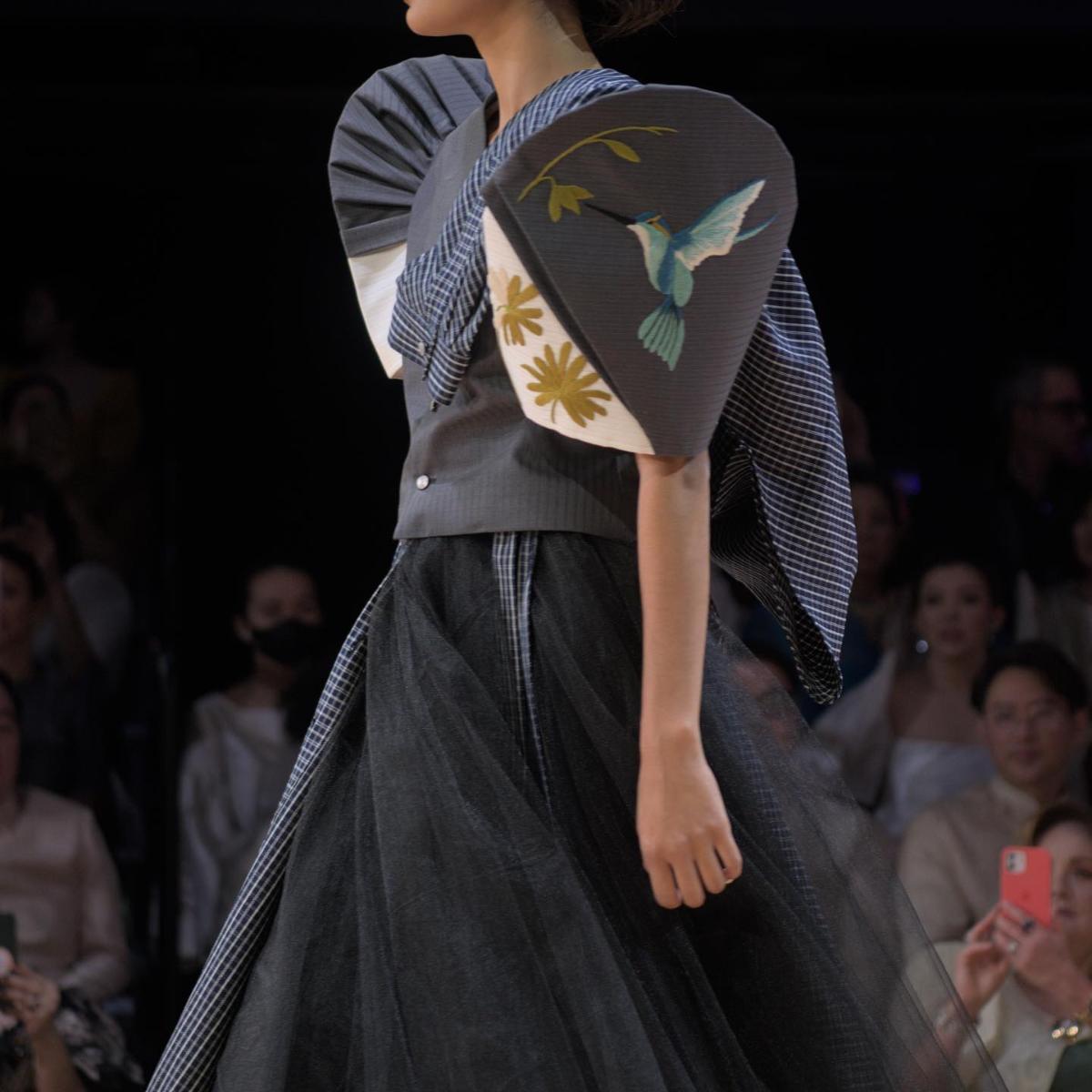
"Collaboration with local artisans and craftsmen is essential in preserving the cultural integrity of the terno during the modernization process. By supporting traditional techniques and craftsmanship, we not only honor the heritage of the garment but also empower local communities and sustain livelihoods."
"Moreover, education and awareness play a crucial role in safeguarding the cultural significance of the terno amidst modernization efforts. By educating the public about the history and symbolism of the garment, we foster appreciation and respect for its cultural heritage, ensuring that modernization is undertaken with sensitivity and reverence."
Hannah Adrias
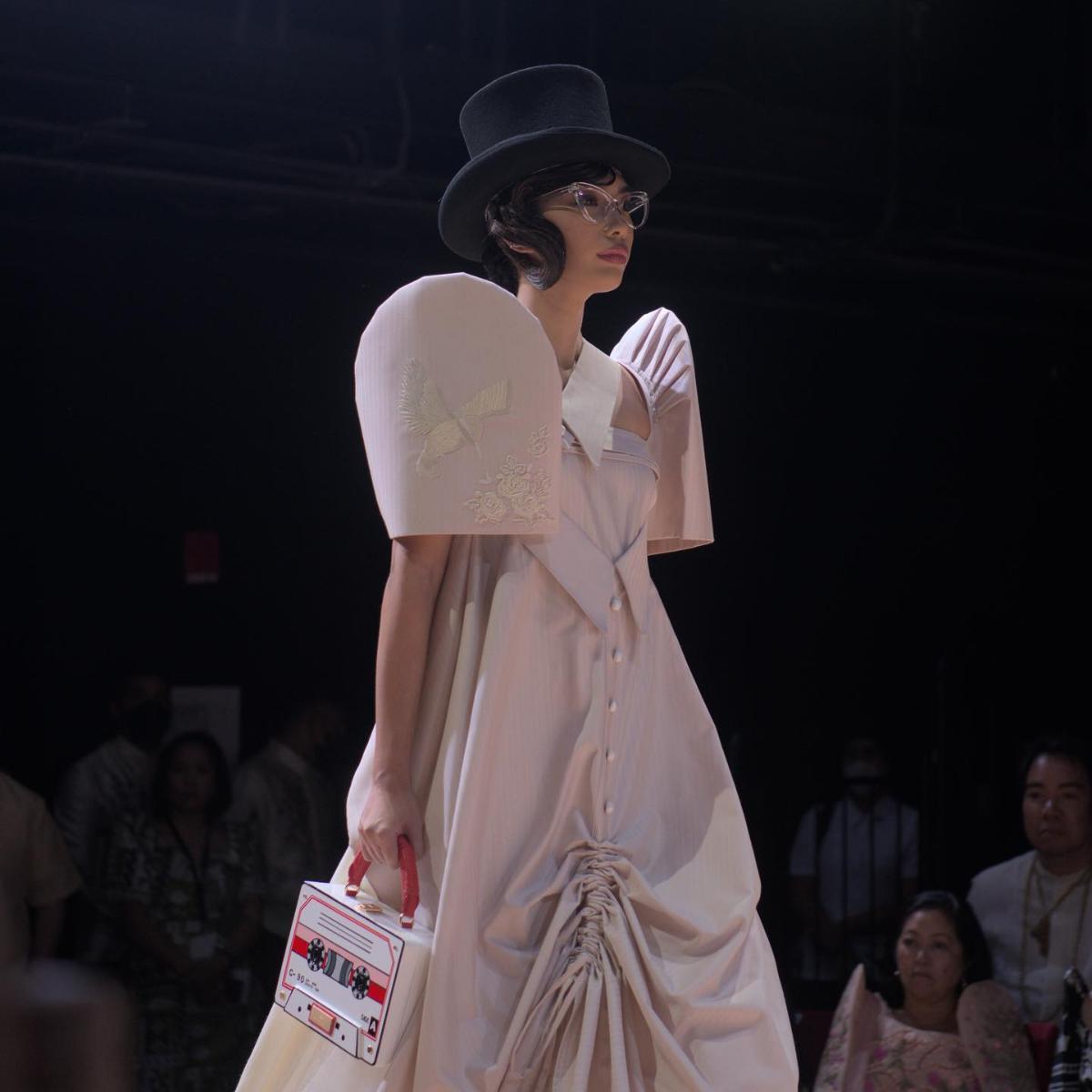
"I believe that the terno should also be modernized to keep up with the times [so that the youth would want to wear it,] which will prevent it from fading into obscurity. [That] is the point of Ternocon."
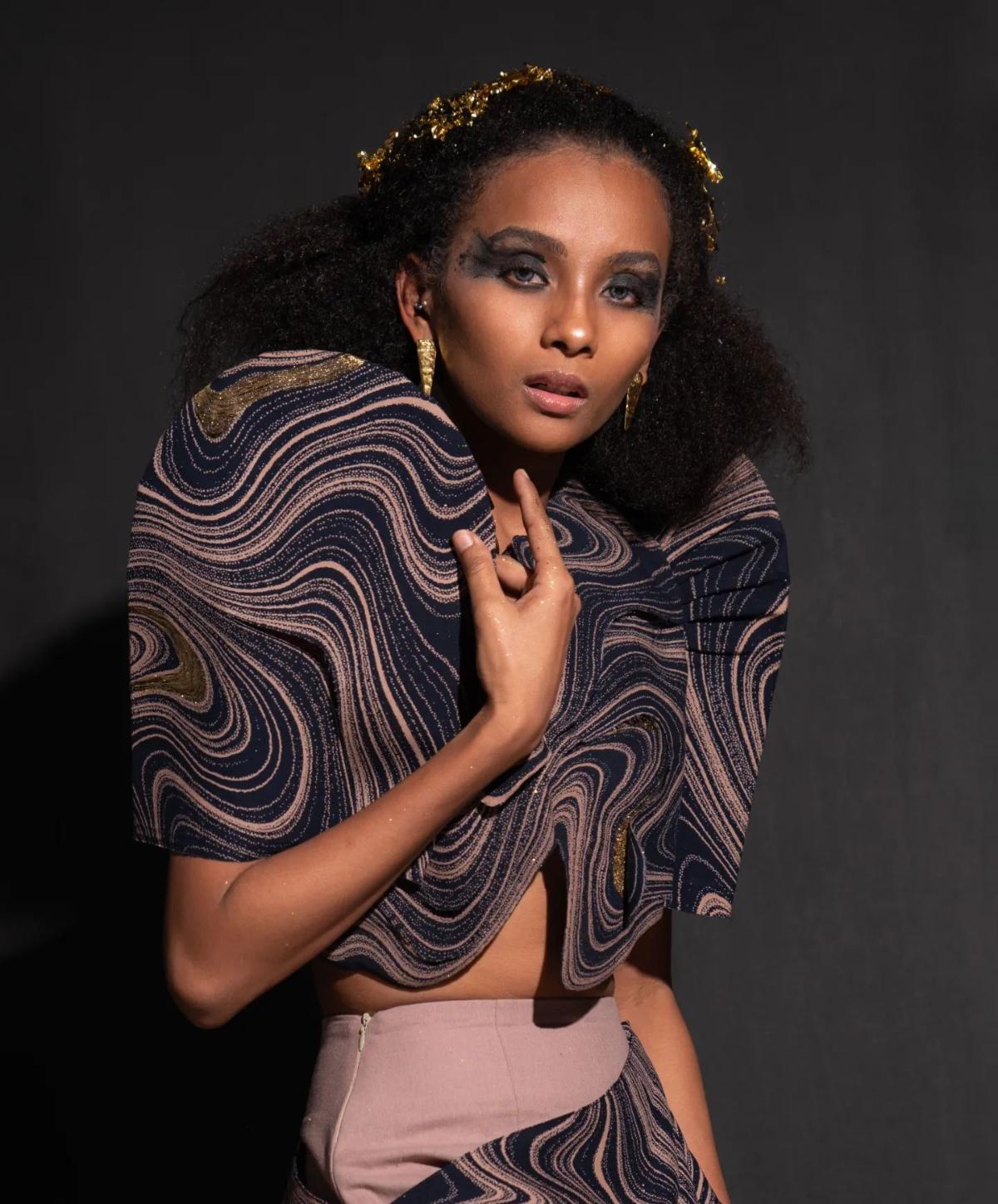
"However, modernizing the terno, which is a symbol of our Filipino heritage, has to have balance. The designers could show their freedom in designing while also exercising restraint. [They can reveal] a little skin with their designs while showing decency, too, [for example]. In the end, the designers must be aware of their limits."
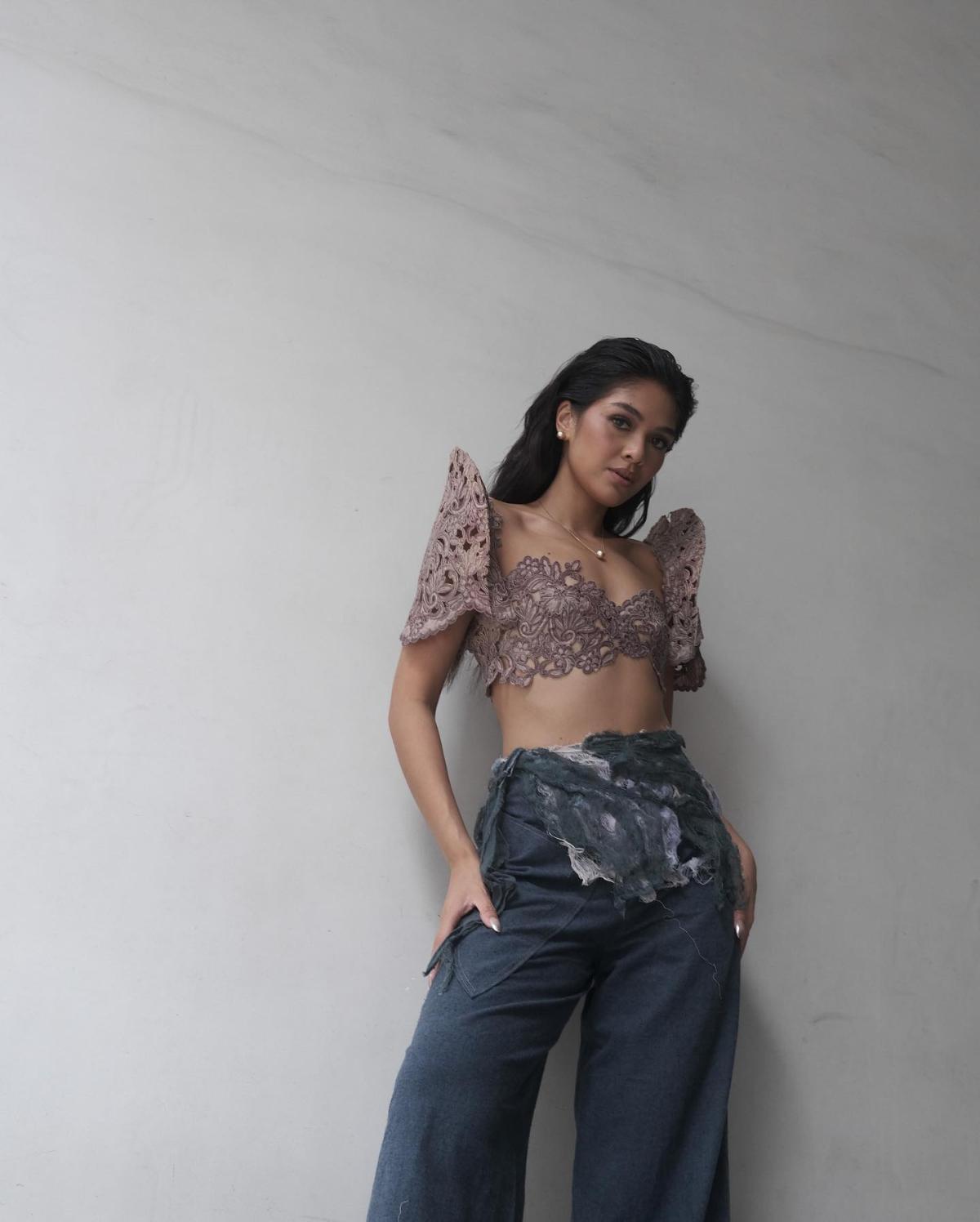
Dee Javier
"I think our current take on the terno is already good as it is. Over the years, there have been certain elements and styles that were removed and revised which signaled the changing times for every Filipina. It changed so much that the only remaining element was the butterfly sleeve."
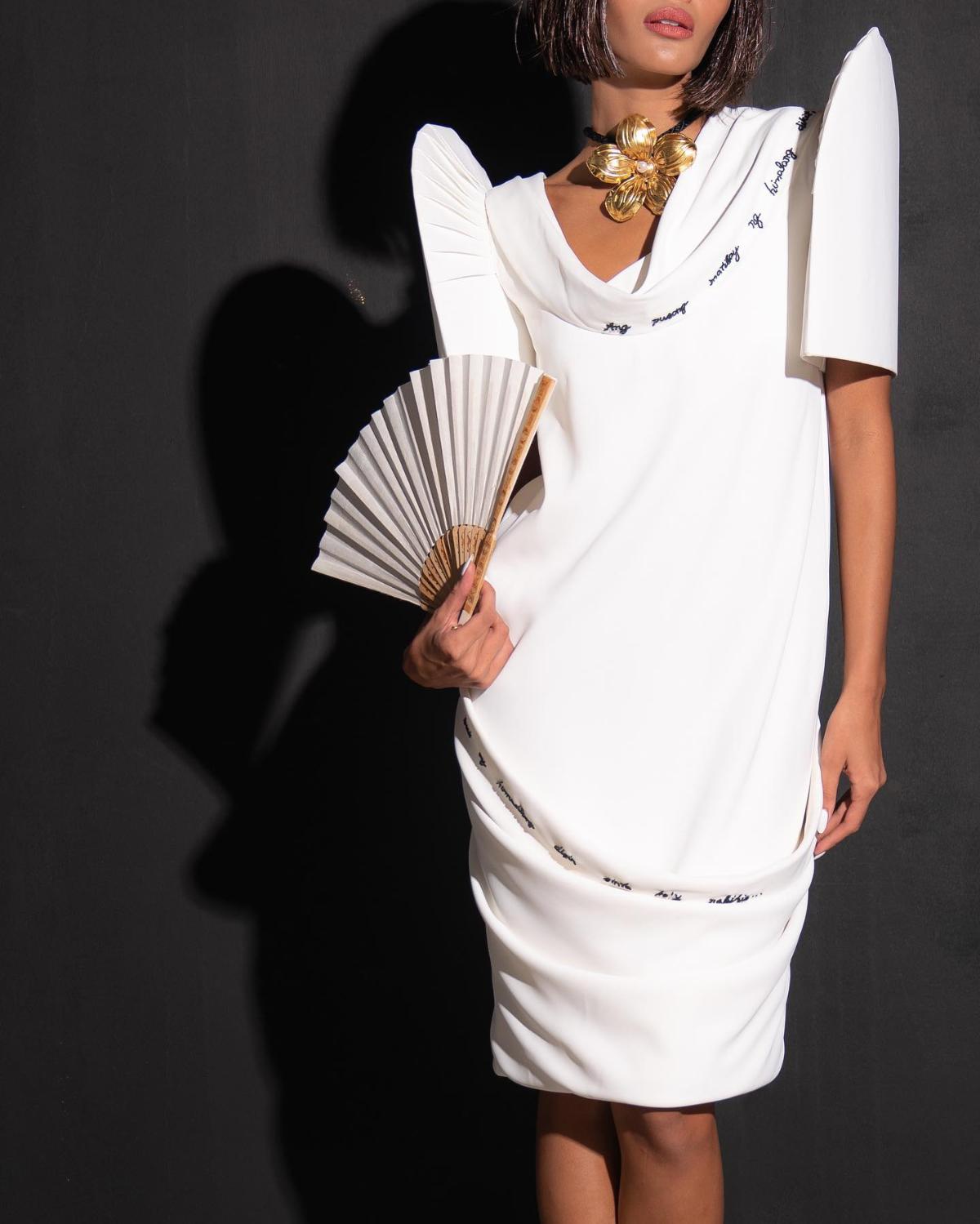
"As someone who is aware that we’re all individuals with different personalities and taste, wearing a terno that represents ourselves best is inevitable. [What's important is that] we are aware of its history and evolution, we are proud of wearing it, and [our intent of wearing it] is well thought-out. To modernize it, I think of [using] fabrication and manipulation techniques that would [utilize] our current technology."
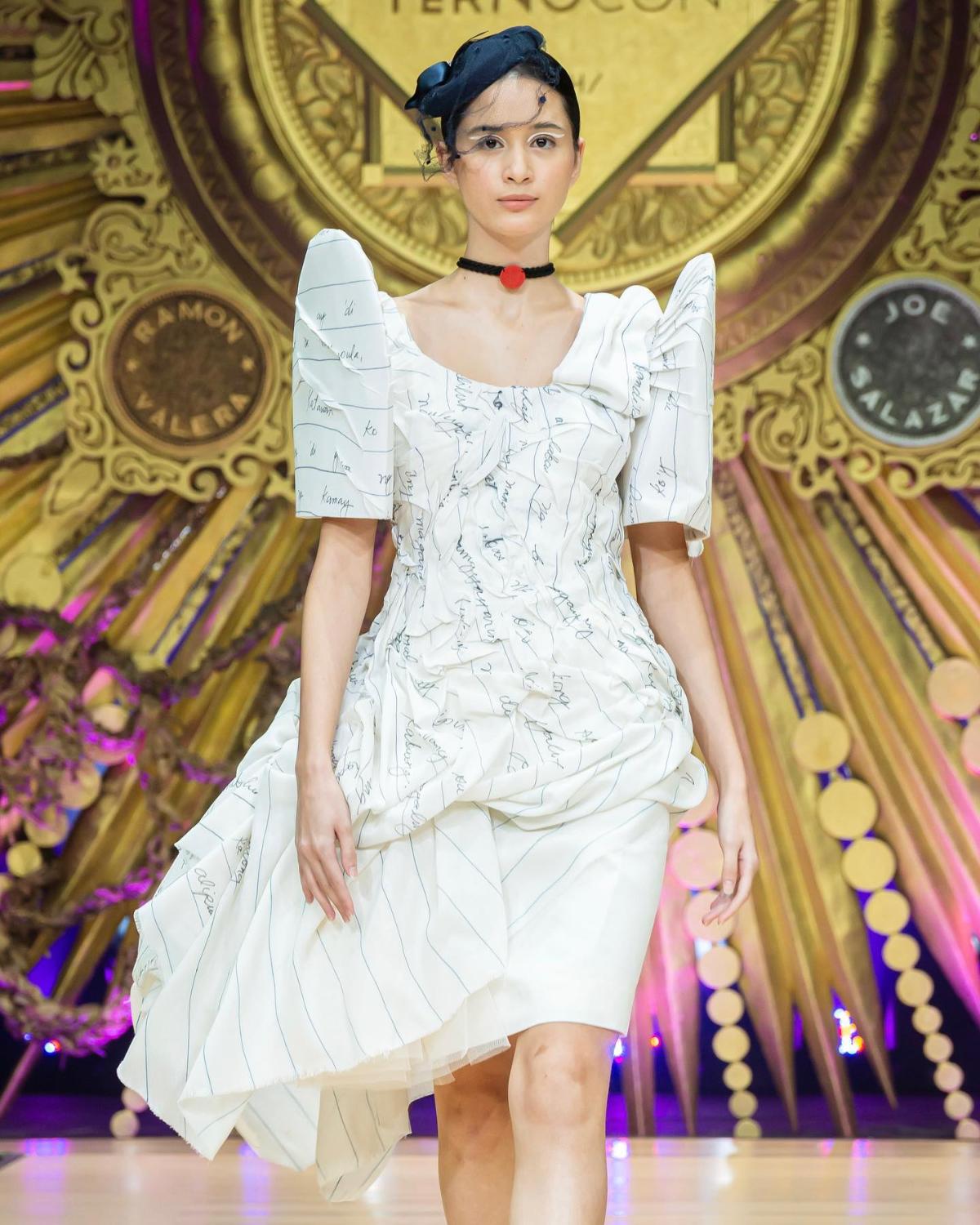
Yssa Inumerable
"Innovation and redesign should not be approached with the intention of erasing the terno's identity, but rather, with the intention of enhancing its beauty and cultural significance. As a designer, I constantly ask myself, 'What truly makes the terno Filipino?'"

"By staying true to its roots and incorporating elements that represent our rich culture and traditions, the terno can remain a testament to our national identity, and at the same time, can leave a lasting legacy that resonates with generations to come."
Hey, Preview readers! Follow us on Facebook, Instagram, YouTube, Tiktok, and Twitter to stay up to speed on all things trendy and creative. We’ll curate the most stylish feed for you!
