
Businesses can often run in the family, and the same can be said for fashion’s most celebrated heritage brands. In the world of leather goods, this can best be typified by the French label Longchamp, which champions its family-run spirit for three generations.
With the Cassegrain family at the helm, Longchamp has been a signature for the practical handbag enthusiast, echoing the style of the Parisian girl beyond the borders of France. Below, get to know the history of the label, the family behind it, and the most iconic pieces in its catalog.
The History of Longchamp
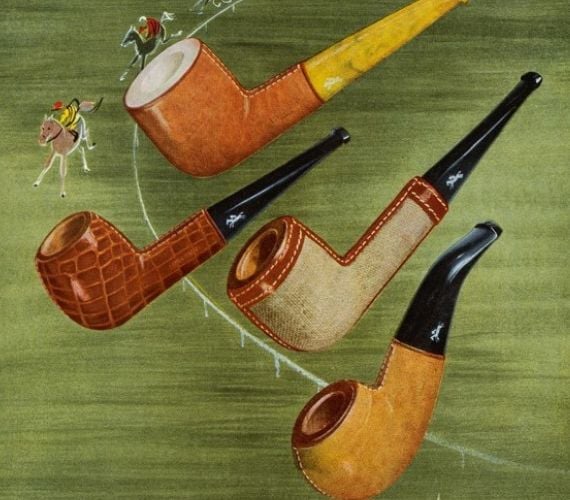
The storied existence of Longchamp is traced back to its founder Jean Cassegrain, who, in 1945, took over a luxury tobacco shop in Paris established by his parents. The beginnings of what we know now as Longchamp took root on February 1, 1948, when Jean crafted the leather-covered pipe. He began to sell it to foreign visitors of Paris, who frequently strolled around the Grand Boulevards and visited theaters.
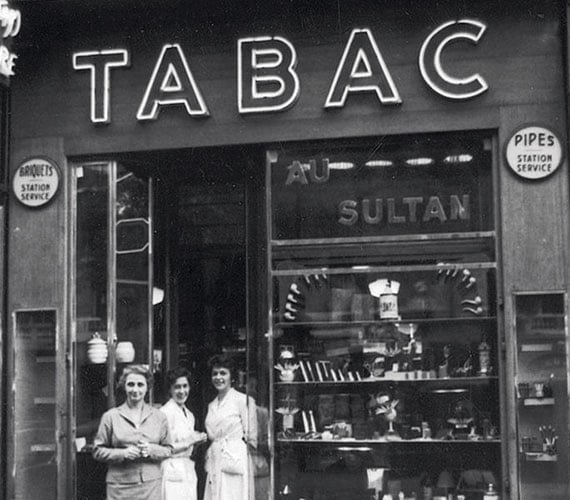
Jean presented his new collection on May 1st at the Paris Fair, with goods crafted from crocodile and lizard leathers. In that launch year, Longchamp commissioned Turenne Chevallereau to create the maison’s emblem, linked with saddlery and the elegant symbol of a galloping horse.
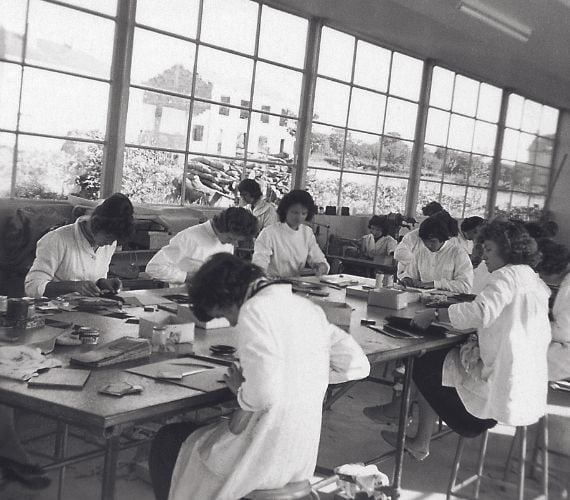
In 1955, the brand expanded its offerings to small leather goods–particularly the leather passport embossed with a gold leaf and the country’s emblem–to cater to Longchamp’s growing international clientele. During that same decade, Longchamp opened its first workshop in the small town of Segré in western France.
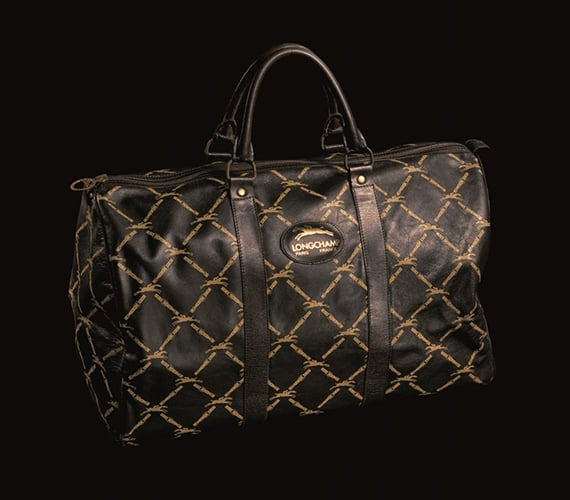
The year 1971 marked a monumental time when Jean’s eldest son Philippe Cassegrain designed his first bag marketed for women. In retrospect, the piece in question launched the brand’s leather goods line, which found particular success miles away in Japan.
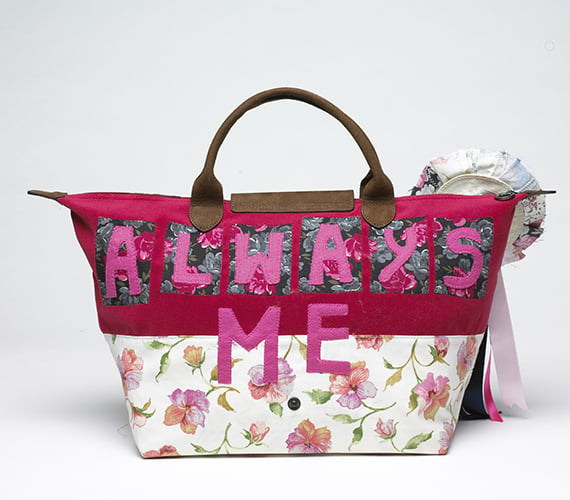
The brand also opened its workshops to creative minds, which paved the way for its famous collaborations for years to come. Starting from a limited edition collection with French-Russian artist Serge Mendijiski, Longchamp’s collaborations with artists and personalities included Jean-Luc Moerman, Tracy Emin, Thomas Heatherwick, Kate Moss, and Jeremy Scott.
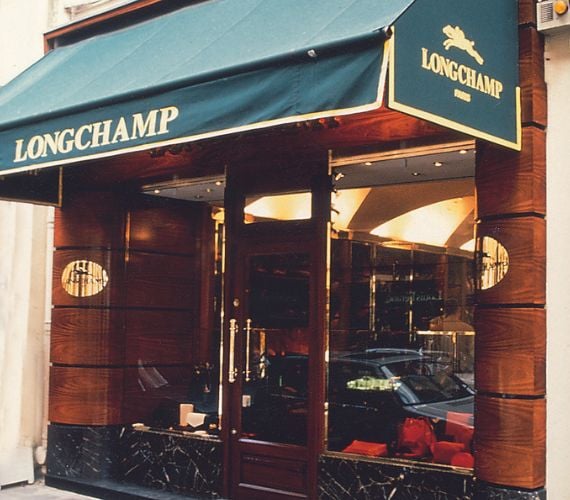
In 1988, Longchamp opened its first flagship store at 390 rue St. Honoré, located in the heart of Paris. The address was picked by Philippe’s wife Michèle Cassegrain, who led the brand’s expansion of the distribution network as the head of Longchamp Boutiques.
An icon was born in 1993 when a bag would change the course of the brand’s history. Fusing the “lightness of a feather with durability,” the Le Pliage sought to solve the long-wondered conundrum of leather makers, who envisioned to create the perfect lightweight bag.
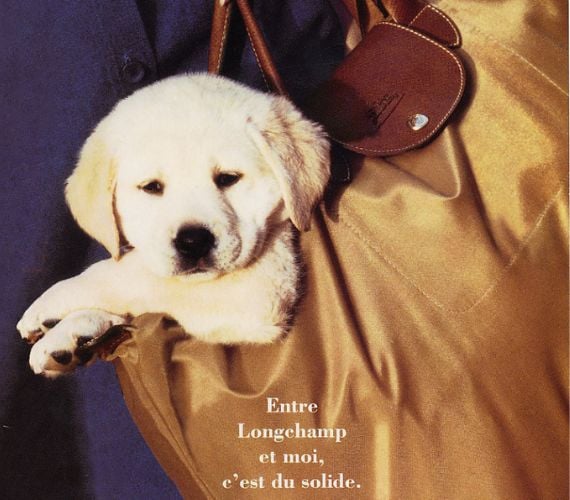
In the new millennium, Longchamp continued to fortify its stature as a fashion house. With the artistic direction of Sophie Delafontaine, Philippe’s daughter, the brand launched its first ready-to-wear collection in 2006, with shoes in 2012 and glasses in 2017. In 2019, Longchamp made a move to reduce its carbon footprint by slowly replacing virgin synthetic fibers with recycled fibers, starting with the entire Le Pliage range.
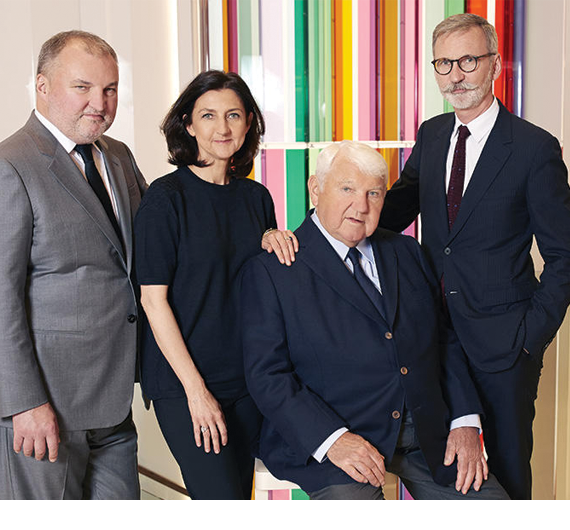
Today, the brand continues to uphold its essence as an independent family-run business, with the Cassegrains at its helm. Behind Longchamp’s current operations are the members of the family’s third generation, including Philippe’s eldest son Jean Cassegrain, his daughter Sophie, and his younger son, Olivier, who helms Longchamp’s American boutique developments. According to Reuters, it’s one of the last remaining family-owned leather goods makers in France with a known global presence.
The Most Iconic Longchamp Bags
1. Le Pliage
Nothing may be more emblematic of the Longchamp brand than the Le Pliage, designed by Philippe Cassegraine in 1993. Dubbed “one of the most worn bags in the world,” the lightweight Longchamp line fuses nylon and Russian leather, inspired by the Japanese tradition of origami with its practical and foldable material. Since the bag first launched, the Le Pliage has seen several iterations of its form, from varied sizes of handbags to backpacks and briefcases.
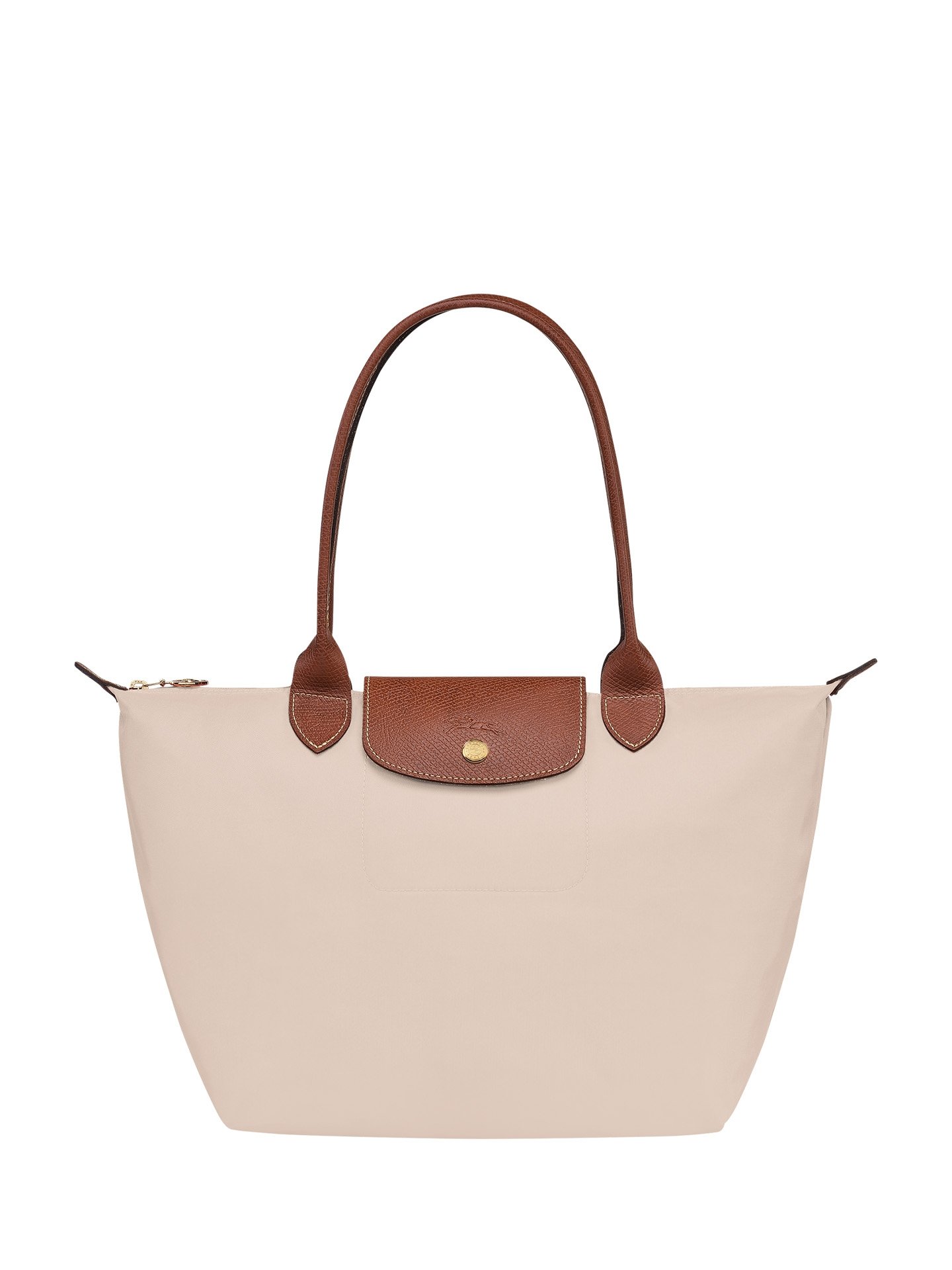
Le Pliage Original Shoulder Bag (M), P9800, LONGCHAMP, trunc.ph
2. Roseau
The year 1993 also saw another birth of an icon among the Longchamp oeuvre with the Roseau. Crafted from cowhide leather, the large tote is recognizable for its signature bamboo-shaped jewel clasps and large chapes. Favored by journalists and trendsetters, the Roseau has adapted into different versions, such as shoulder bags, phone cases, and continental wallets.
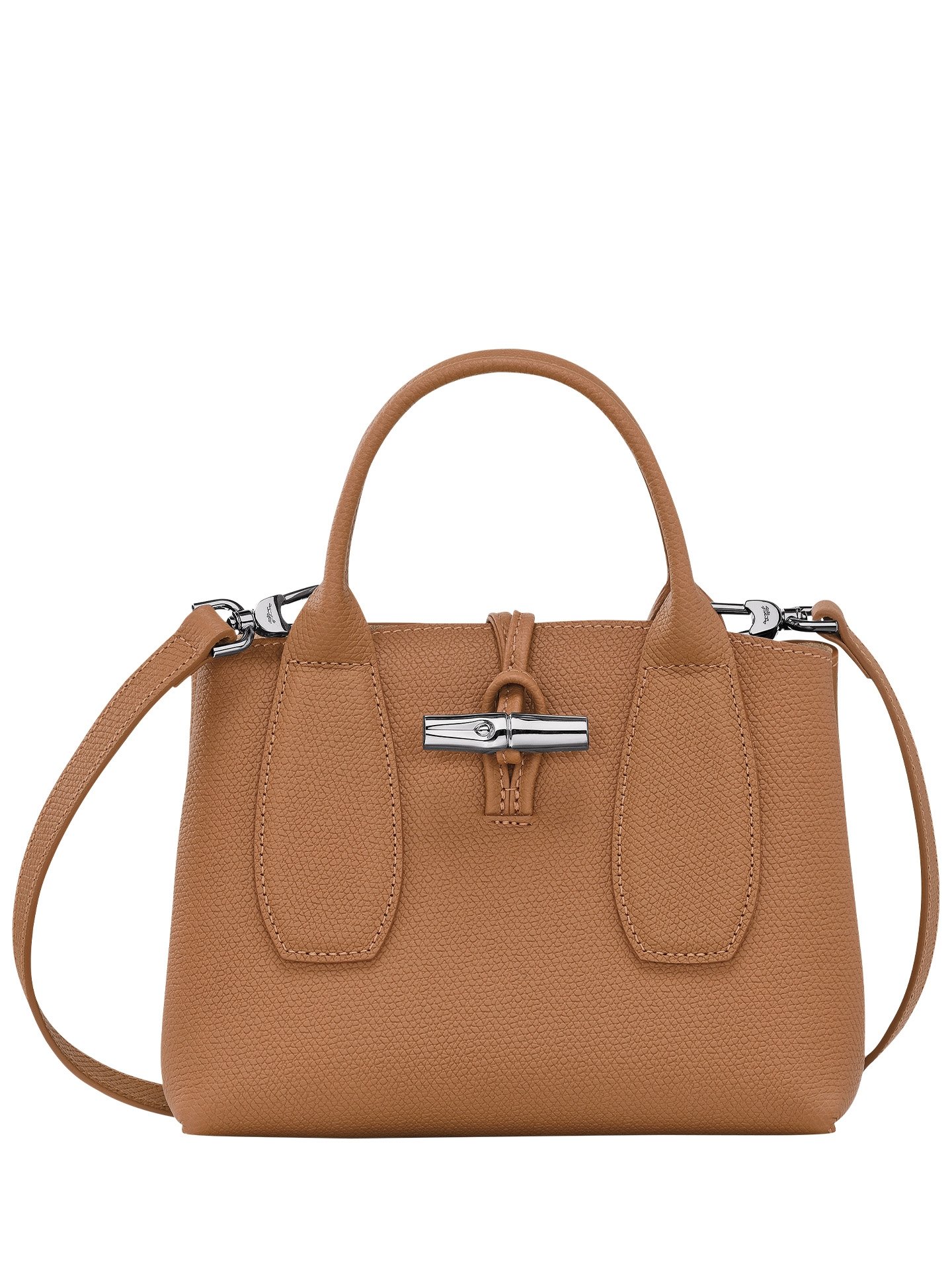
Roseau Top Handle Bag (S), P32,500, LONGCHAMP, trunc.ph
3. Épure
The Épure line has made its way as a Longchamp favorite, thanks to a timeless and versatile silhouette that speaks to Parisian styles. With structured and graphic lines, the Épure is made from Russian leather with distinguishable bold accents and shades.
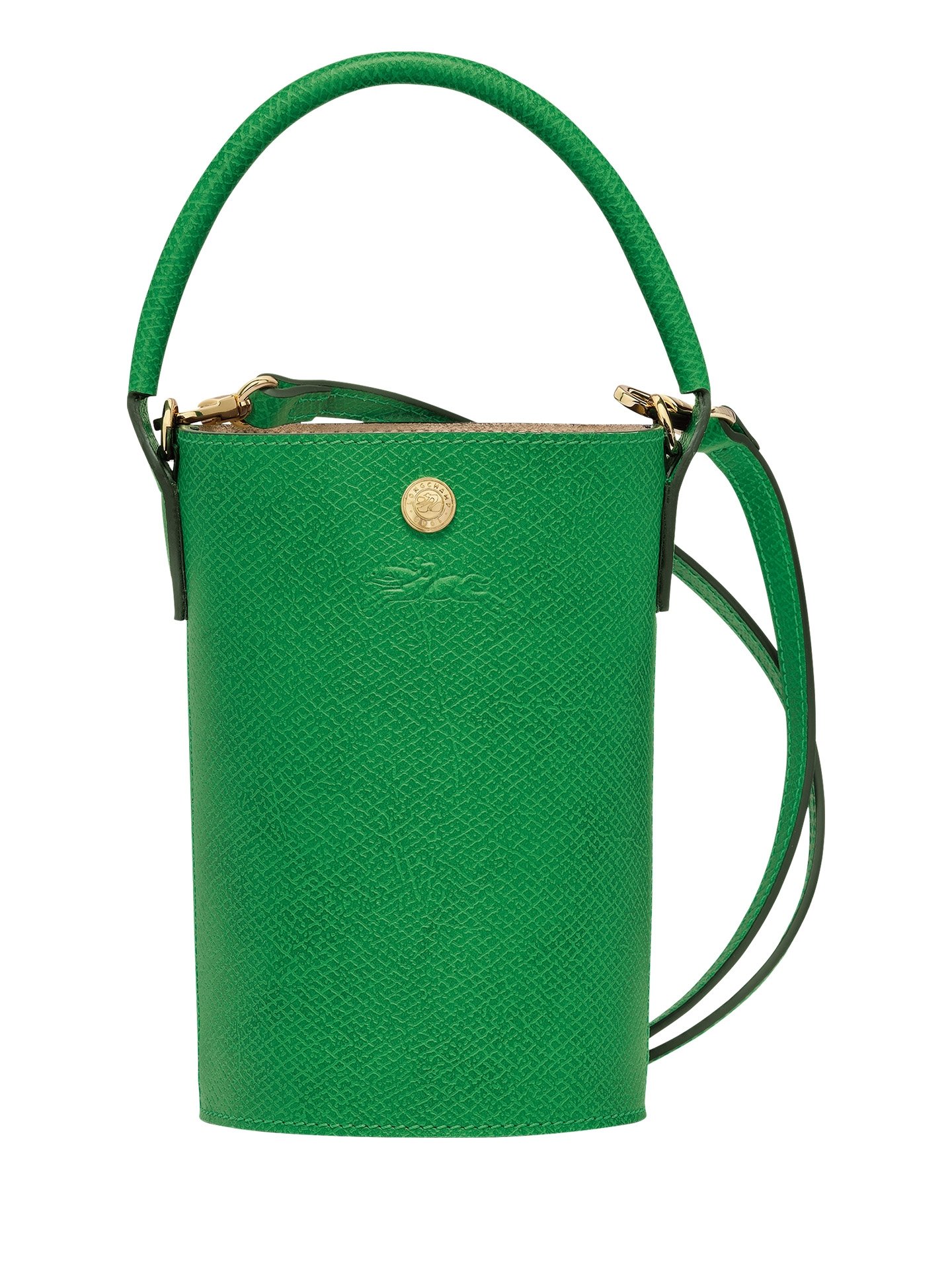
Epure Crossbody Bag (XS), P25,500, LONGCHAMP, trunc.ph
Celebrities and Influencers Wearing Longchamp
1. Kim Sejeong with the Le Pliage
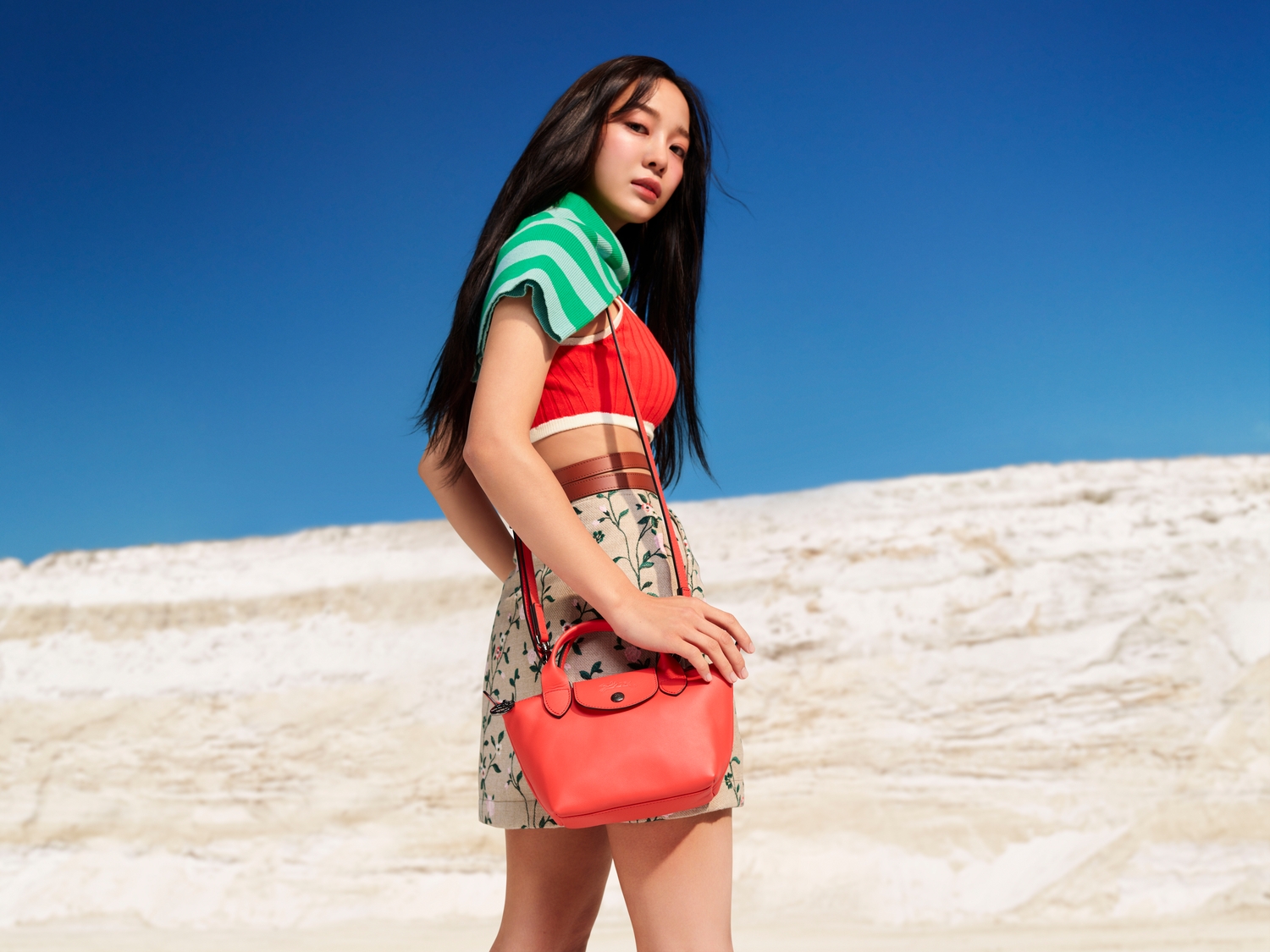
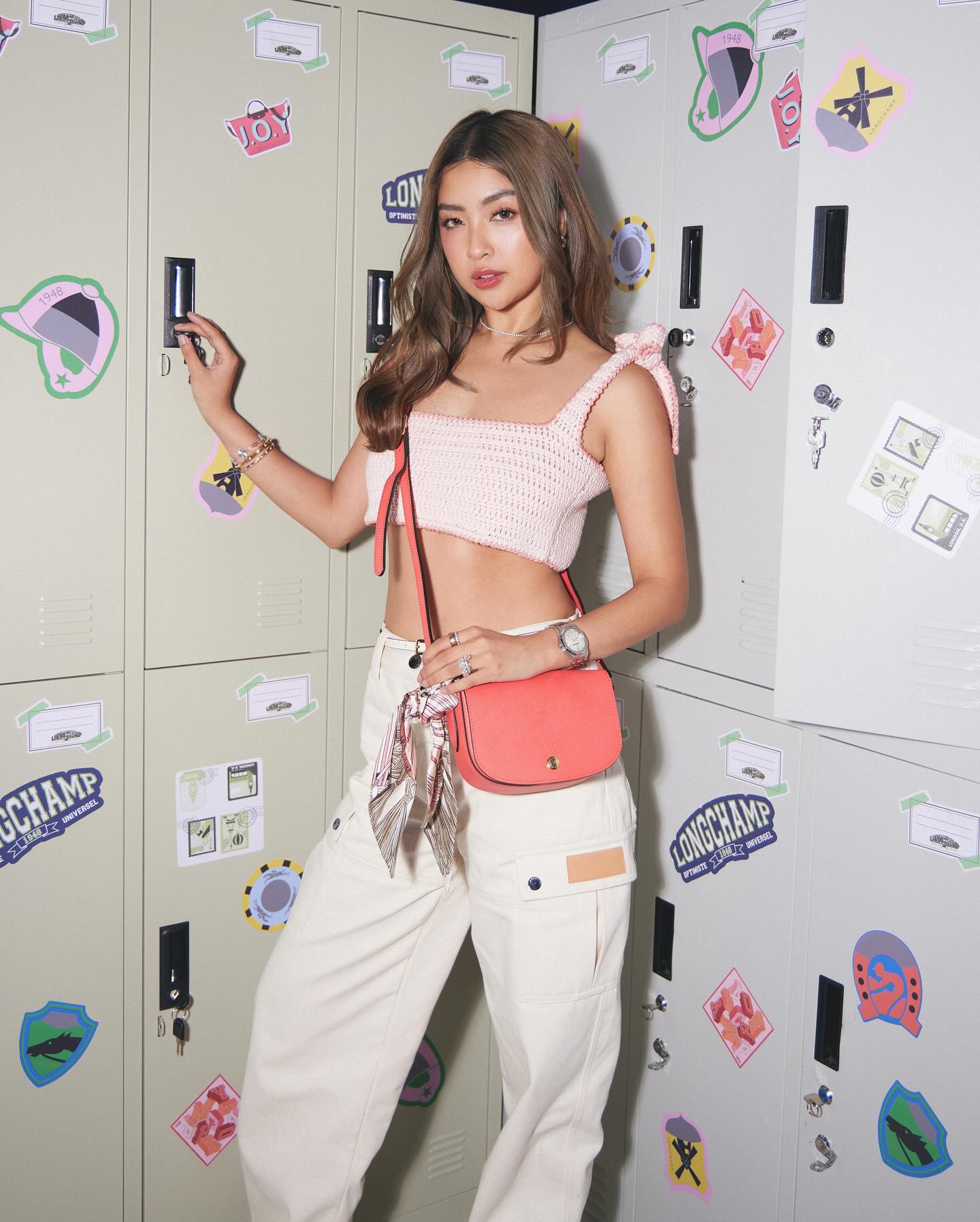
2. Rei Germar with the Epure
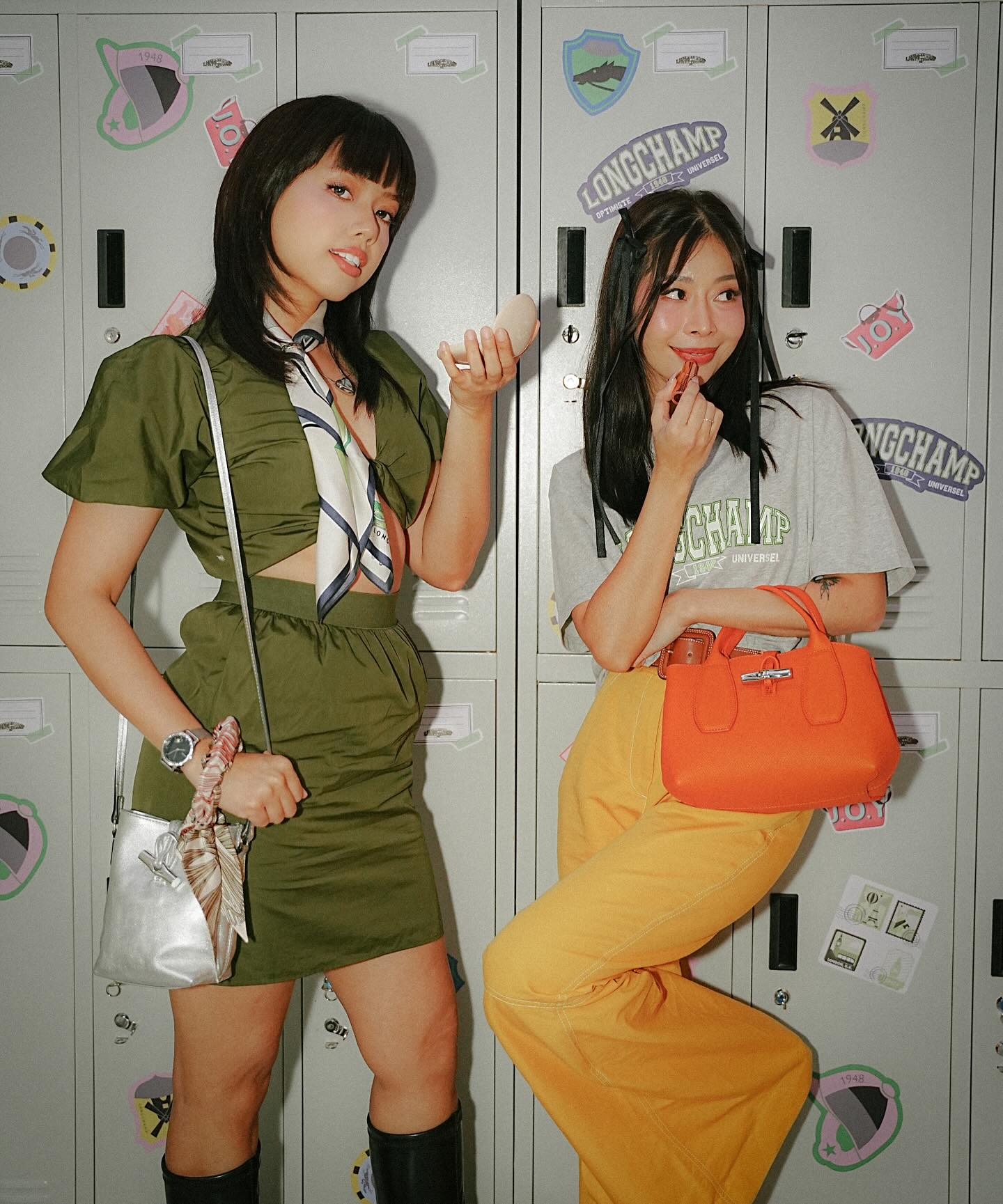
3. Gela Munoz and Rhea Bue with the Roseau
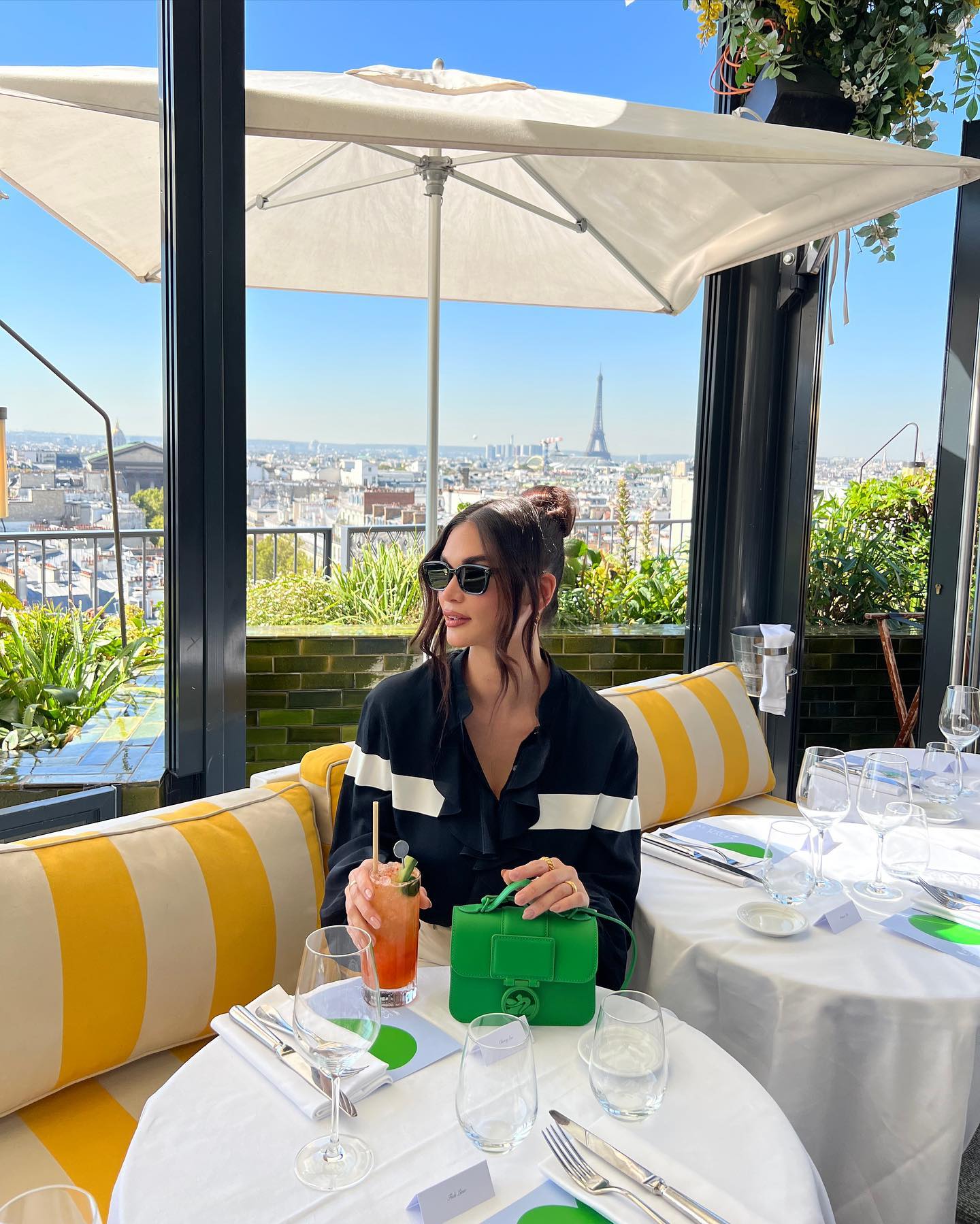
4. Pia Wurtzbach with the Boxtrot
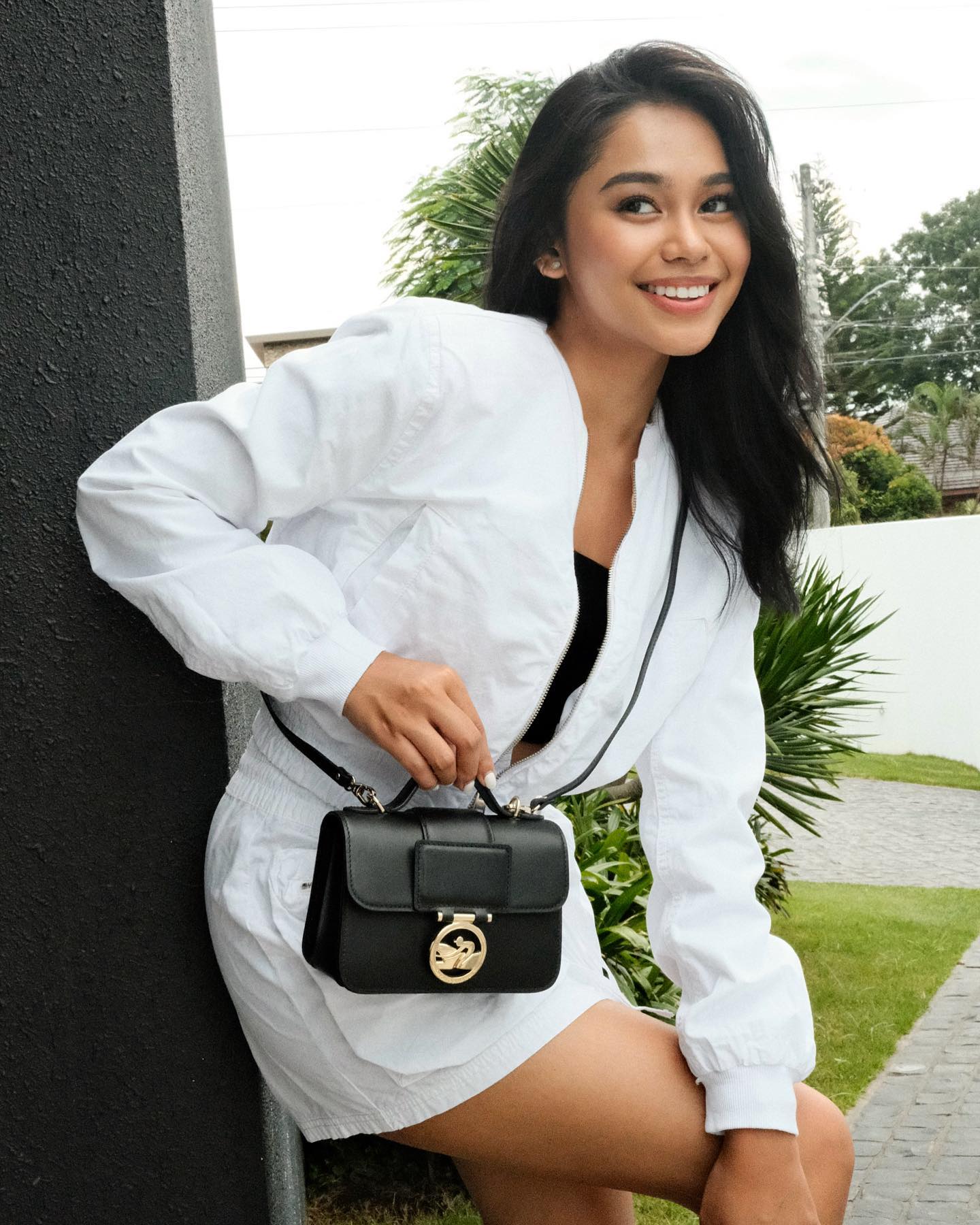
5. Bella Racelis with the Boxtrot
Hey, Preview readers! Follow us on Facebook, Instagram, YouTube, Tiktok, and Twitter to stay up to speed on all things trendy and creative. We’ll curate the most stylish feed for you!
