
So you finally found that pair of shoes that would go perfectly with so many pieces in your wardrobe. You can’t wait to start wearing it as early as tomorrow—after all, there's nothing more exciting than a fab new pair of shoes to take you places. What could go wrong, right? But here's the thing: Less than an hour into the day, your feet start to feel uncomfortable in those new shoes. Like, really uncomfortable—with emerging blisters to boot!
Sounds familiar? Fret not—we’re here to show you how you can prevent and survive those nasty blisters. Here are important things to consider:
1. Apply lotion or foot cream to lessen friction.
More often than not, new shoes (and even shoes you haven’t worn in a while) require some breaking in. Even the best-fitting pair can still cause a blister or two if you’re not careful, as the skin on your feet would need some time to get used to it. The repetitive abrasion through walking and running then results in a blister.
Best way to remedy this would be to apply lotion or foot cream that would serve as a lubricant to prevent small wounds caused by the friction. Given the warm climate we have, the thought of it might sound a bit gross (because who wants to wear shoes with damp feet, right?). Go for a lightweight but equally soothing formula that won’t make your feet feel clammy. Best to get these in smaller bottles that you can easily bring it wherever you go.

SEPHORA COLLECTION Hand Balm, P344, Sephora.ph
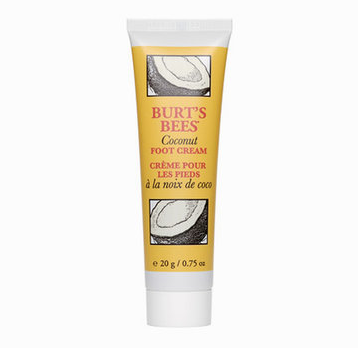
BURT'S BEES Coconut Foot Cream, P895, Beautymnl.com
2. Mind the weather.
Warmer temperatures cause sweat, which in turn can cause blisters due to your feet relying on more friction than normal to keep from slipping. On the other hand, cold weather also does produce blisters. In both cases, blisters are often a result of our skin's defense mechanism as it tries to protect itself from damage and wounding caused by extreme temperatures.
Opt for a foot deodorant to keep sweaty (and smelly!) feet at bay. If frostbite-induced blisters are the problem, keep your feet covered and cozy with thicker socks and thick shoes (i.e. Ditch the strappy sandals if you’re heading up to the mountains).
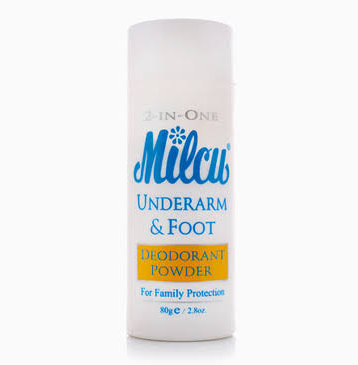
MILCU 2 in 1 Deodorant Powder, P50, Beautymnl.com
3. Make sure your shoes fit you perfectly.
Sometimes, it comes down to how well your shoes fit. The fitting on the heel part is key to preventing blisters. The shoe should not glide up and down on the heel part as you walk, so there should be minimum amount of slipping. And if you can, opt for a shoe with soft, flexible material that matches the shape of your foot.
Whether we're talking about your everyday flats or a pair of high heels that you're saving for a special occasion, we can all agree that you’re definitely better off without the unnecessary hassle and pain brought about by these blisters. To avoid this, foot cushions are your best friend—especially if you're the kind of gal who's always on the go. Or, if it’s just a tiny area that feels uncomfortable, it’s best to always have some band-aids on hand.
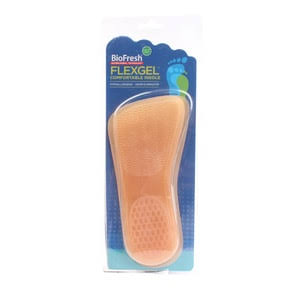
BIOFRESH FlexGel Comfortable Insole, P349.75, Watsons
4. Break ‘em in!
You've heard about this trick before—it's an oldie but definitely a goodie! Because sometimes, it really is all about breaking in those new shoes. Think of it as getting your feet accustomed to a new pair, right before you have to actually wear the shoes for a longer period of time. The best part about breaking in new shoes is that it helps you catch spots where a blister is highly likely to form. While the heel part is the most common problem area, the sides and tops of your toes are also some of the most blister-prone.
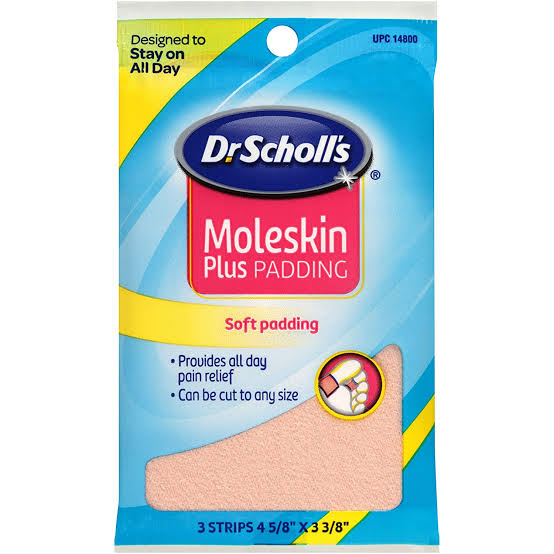
Many people think breaking in new shoes is unnecessary and time-consuming, but trust us, you’ll be thanking yourself later. To make the whole process easier, invest on Moleskin padding. With its thin design and adhesiveness, you probably won’t even notice that it’s there.
Hey, Preview readers! Follow us on Facebook, Instagram, YouTube, Tiktok, and Twitter to stay up to speed on all things trendy and creative. We’ll curate the most stylish feed for you!
