
Filipino teleseryes have definitely been stepping up their game in the fashion department. In recent years, we’ve seen stylish wardrobes grace the silver screens, from the lavish designer OOTDs in I Left My Heart in Sorsogon to all the indigenous weavings we spotted in The Broken Marriage Vow. Now, the latest show that’s making an impact with their fashion is the historical teleserye Maria Clara at Ibarra starring Kapuso actors Barbie Forteza, Julie Anne San Jose, and Dennis Trillo.
The series puts a Gen Z twist to the classic Noli Me Tangere written by Jose Rizal, with Barbie’s 21st-century character Klay being mysteriously transported straight into the novel. And while the show’s fresh and unique storyline has captured the hearts of audiences, another captivating aspect of this teleserye are the beautiful historical costumes.
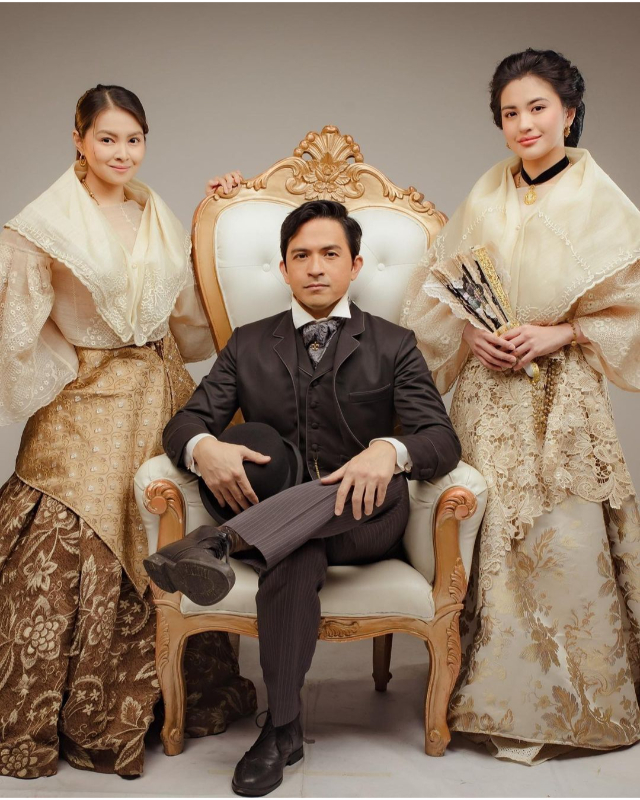


Everything You Need to Know About the Costumes in "Maria Clara at Ibarra"
Being mostly set in the 1800s during the Spanish Era of the Philippines, most of the looks worn by the characters comprised of traditional garments of that time. In an interview with the show’s wardrobe stylist, Jan Ra, he shares that one of the most important aspects regarding the overall styling was that the costumes and accessories stay faithful to the novel and its setting. “The costume and makeup department are tightly monitoring every detail to ensure the accuracy of the costumes and accessories. To help us execute this vision impeccably, we had several workshops with our consultants and historians. In a period piece like this, it is important to do it correctly and to not revise it,” he explains.

Besides attending workshops with Historian consultants, the styling team also found references in many other ways. They went to museums and antique shops to see how surviving pieces from the Spanish era were constructed. Juan Luna’s Bocetos and Leonard Tayao-Cruz’s Noli Me Tangere served as a mood board while developing the costume design and styling. Jan Ra even shares that the team watched previous theatrical and film adaptations of Noli and El Filibusterismo to see what works on the screen and with the actors.
The Characters' Individual Fashion
Much like with any show, each character has their own distinct style and Jan Ra wanted to highlight their nuances through their ensembles. For instance, Barbie’s character Klay who’s a modern woman put in an unfamiliar setting was made to appear like an outsider looking in. Jan Ra tells us, “Her silhouette is inspired by the 1860’s since she is mostly wearing hand-me-downs from Ibarra’s mother. The shape of her skirts are much more of a ball shape, which was the trend of the time. Her skirts are also pleated in the style of ‘Siete Cuchillos’ or a skirt with seven panels.”
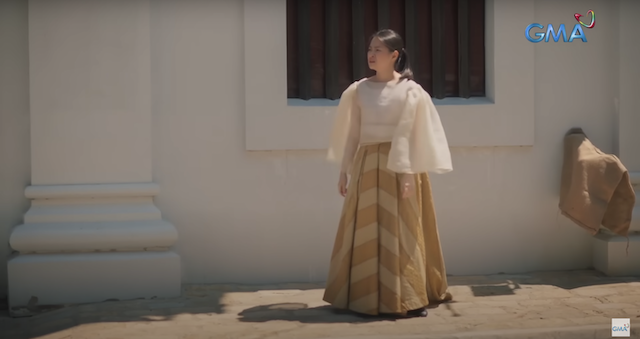
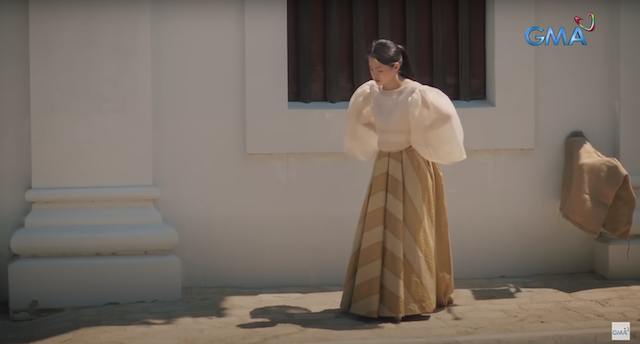
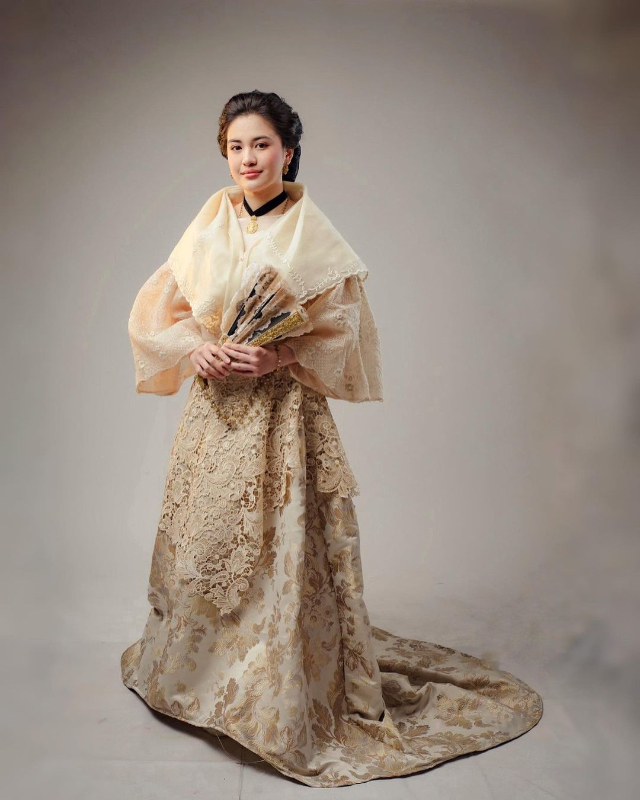
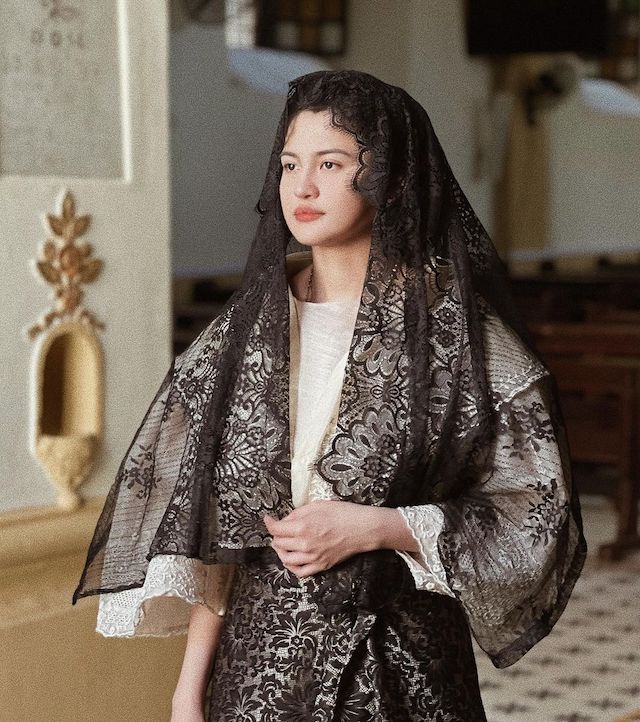
Klay is in contrast to Julie Anne’s Maria Clara who, at that time, was seen to be the ideal Filipina. We can typically find her in a “Traje de Mestiza”— the traditional dress that was named after her and elaborate accessories gilded in gold such as a Victorian cameo choker, tambourines necklace, and earrings that truly signify the character’s “Illustrado woman” social status.

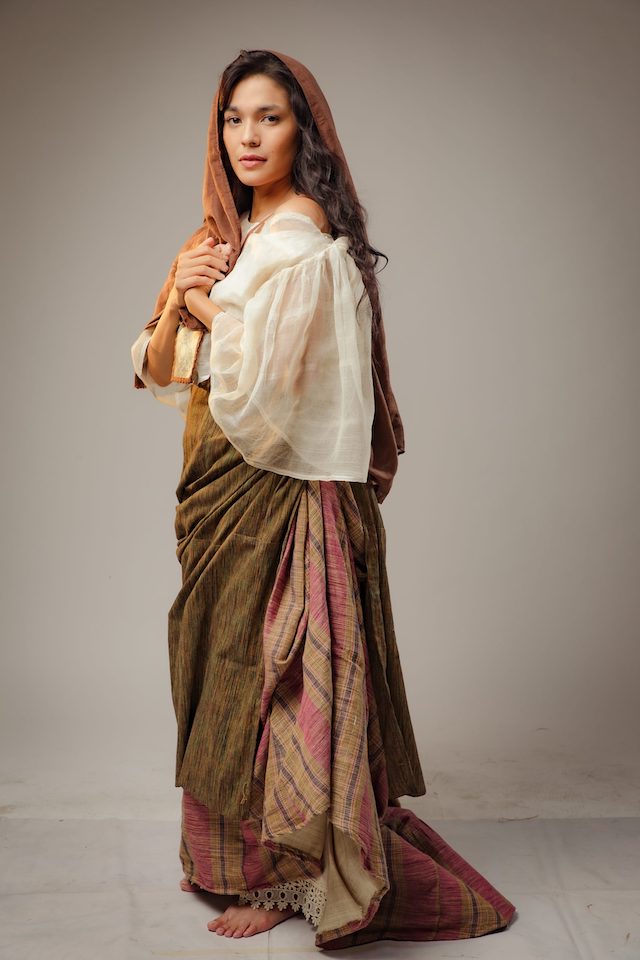
As for Sisa who is played by Andrea Torres, Jan Ra took inspiration from the Baro’t Saya worn by Filipinas in the lower class. “Even though it lacks the embellishments and finer details of the Trade de Mestiza, there is beauty in how the “Indio” women of those times drape the “tapis” and the “Saya” to match their lifestyle, working on the field during the day.”
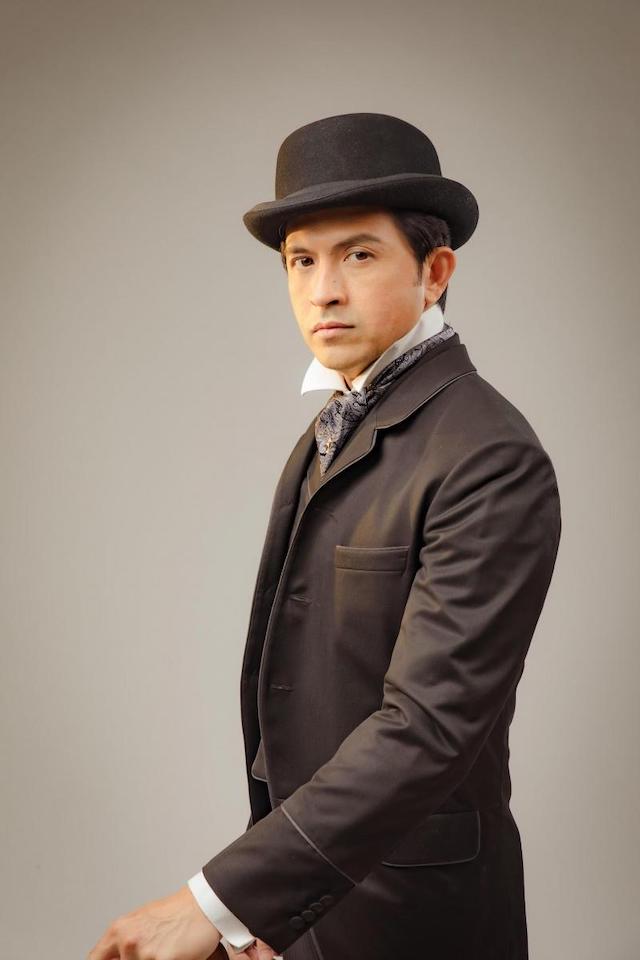
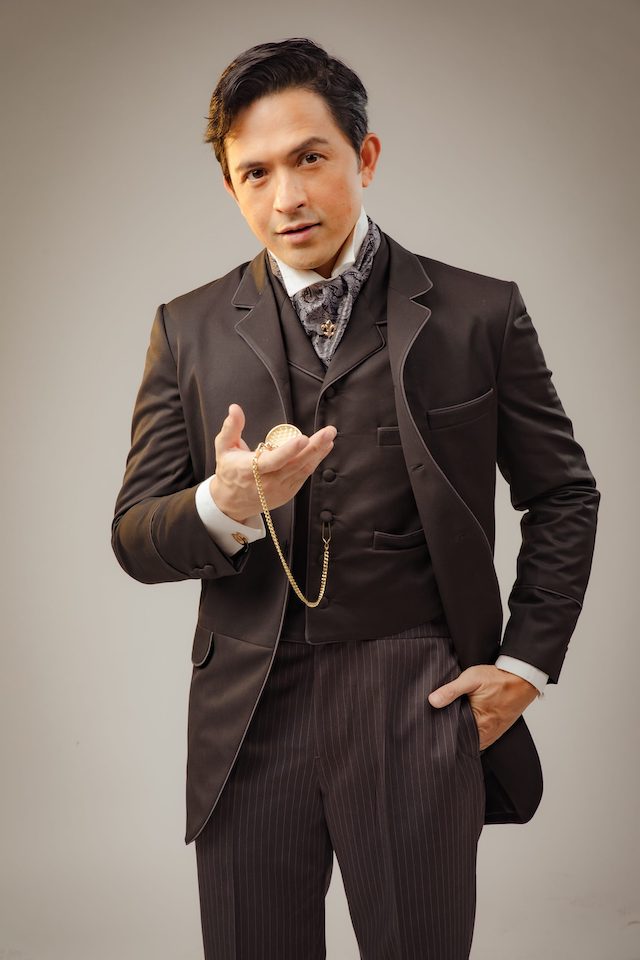
Roko Arceo was the stylist for Dennis’ Crisostomo Ibarra and the other male characters of the show. For the titular male character’s look, Roko injected 1880’s European menswear patterns and tailoring to reflect his up bring in Europe. With Ibarra, we mostly find him in pieces of that time which include coats, jackets, and trousers that are usually paired with a bowler or top hat. His character also accessorizes with other western fashion items such as an ascot tie, pocket watch, and a walking stick.
A production such as this is the perfect platform to highlight Filipino artists and craftsmanship, which Jan Ra reveals was at the top of his and the team’s minds when gathering materials for the costumes. “To source for the fabrics, especially the piña, which we utilized on the panuelo and camisa, we went to Lumban, Laguna. These piña panels were then hand embroidered and made into the garments.”
Accessories play a huge part in the character’s looks in the show and it was what the styling team spent a lot of time sourcing. “We were very fortunate to have contacted the very few artisans who were capable of producing the pieces we need for the show since the process of “pinukpok” or repoussé is considered a dying art,” Jan Ra says gratefully. The team was also able to feature a decorative technique involving gilding gold over accessories used such as Maria Clara’s choker.

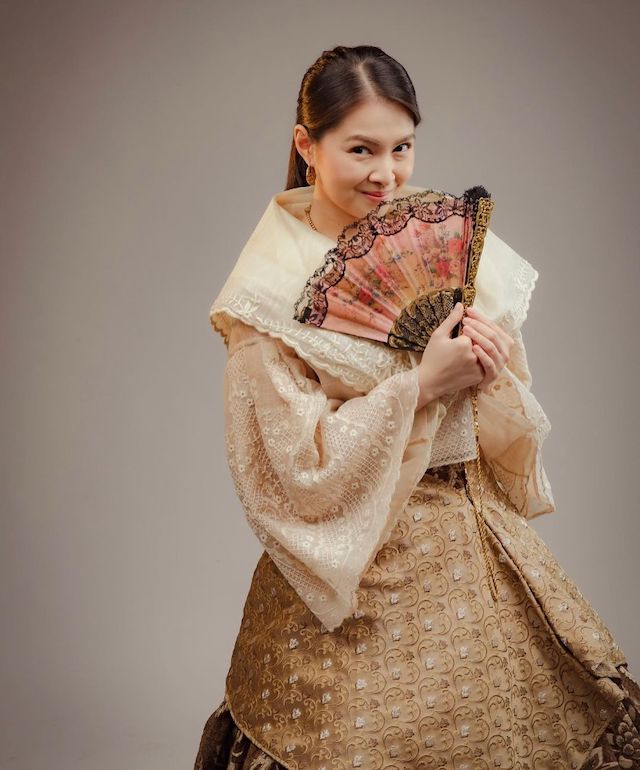
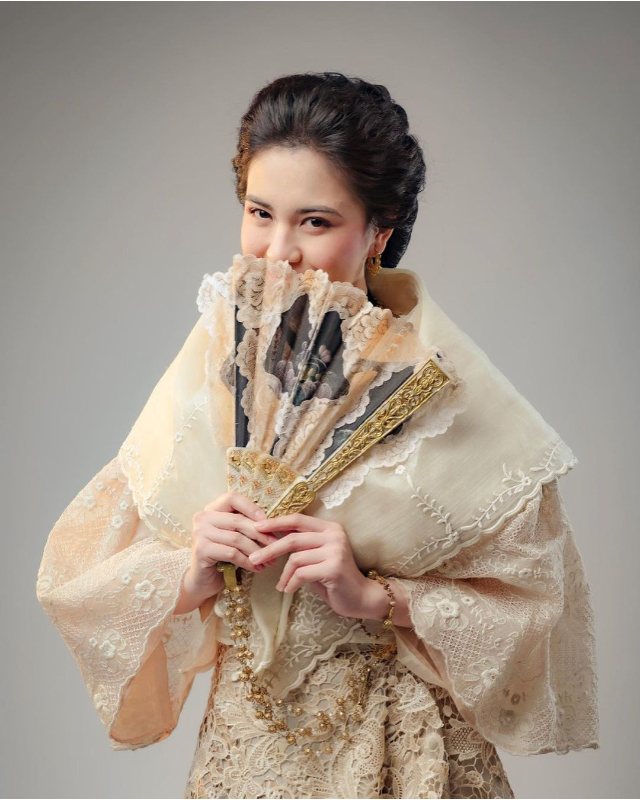
When asked if there was anything that made styling for a historical show different from other shows, Jan Ra explains that it's an entire world away. “The immense attention to detail, the research we lovingly put into the clothes, and the intention that we must remain faithful to the novel and to not revise history — are key factors we always have to consider.” However, Jan Ra also shares that when the camera starts rolling, there’s nothing more fulfilling than watching the characters from the novel brought to life.
Hey, Preview readers! Follow us on Facebook, Instagram, YouTube, Tiktok, and Twitter to stay up to speed on all things trendy and creative. We’ll curate the most stylish feed for you!
