
The ownership fashion designers have over their work has historically been a delicate discussion. According to the Copyright Alliance, copyright protects one's work once it is manifested into a sketch, and later on, as an article of clothing. However, it does not prevent others from creating pieces that resemble one's design as it protects the drawing itself, much less the underlying idea behind it.
Human rights lawyer and UP College of Law professor Atty. Theodore Te enlightens us on the topic in a recent session with Summit Media. He emphasizes that "the basis of copyright protection is to protect the original creation of someone."
In essence, an individual is able to prevent others from copying their original works once these have been crafted into something tangible. Copyright does not cover an idea or concept that has yet to be created. "When you own the copyright, that means you can you have the exclusive right to it. [That's why you can] sue for infringement if someone uses it without your permission," he adds.
With these in mind, designers have the task of upholding the integrity of their work by ensuring its originality. This proves to be challenging in a creative industry where referencing is the norm and drawing inspiration is often a crucial part of the process. For insights from people who experience this firsthand, Preview reached out to Filipino designers for their thoughts on the matter.
Preview Asks Filipino Designers: When Does a Design Become a "Copy"?
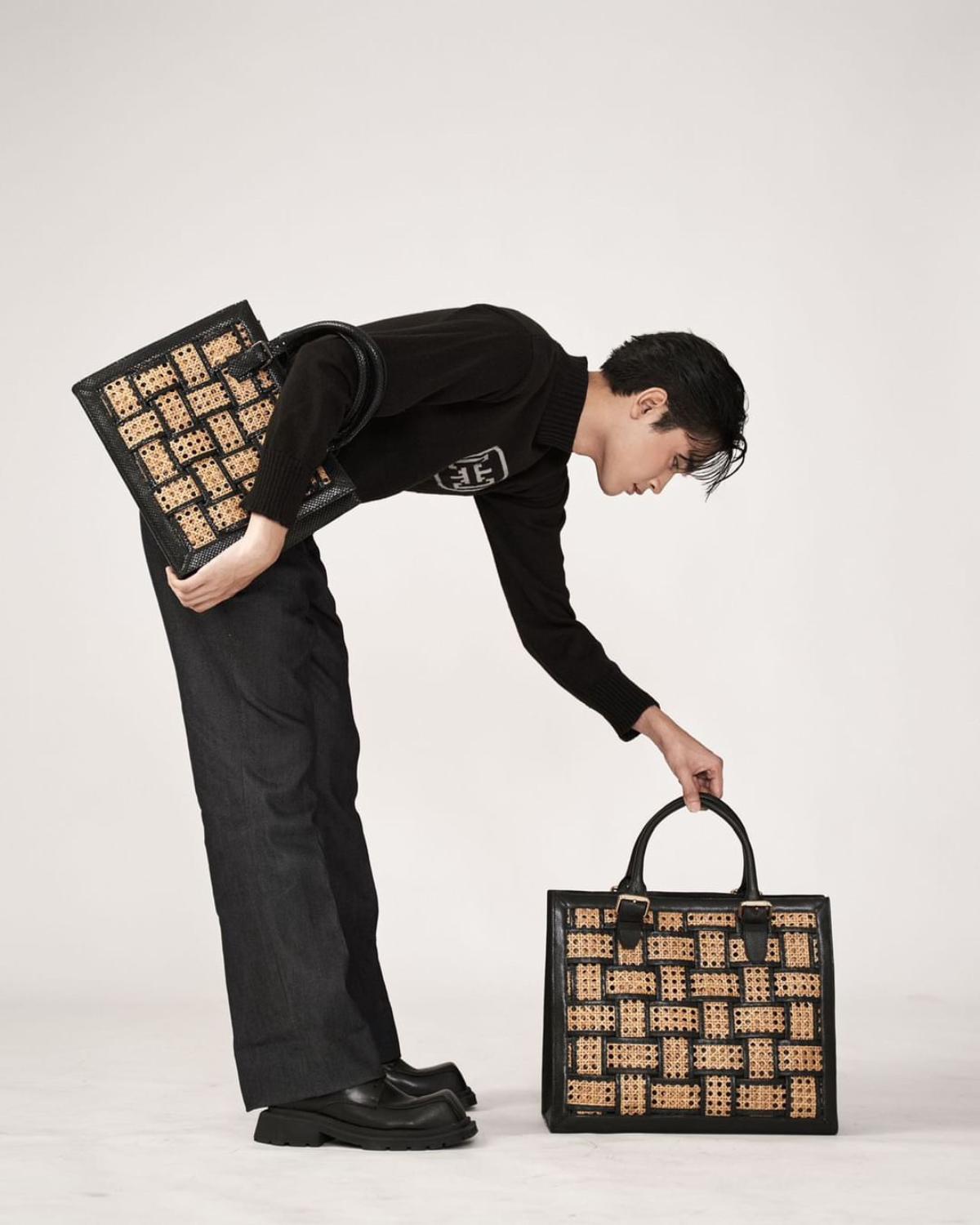
Nina Amoncio of ANTONINA
"A design can be categorized into a 'copy' or dupe' [based on] intellectual property rights and the code of ethics. A 'copy' involves intentionally replicating another design [in terms of its] processes, product developments, and artistic details. On the other hand, a 'dupe' refers to a commercial imitation, which is usually an affordable or accessible version of a product."
"As a designer myself, recognizing these distinctions is crucial, [which emphasizes] the need for vigorous protections to preserve creativity and ethical standards."
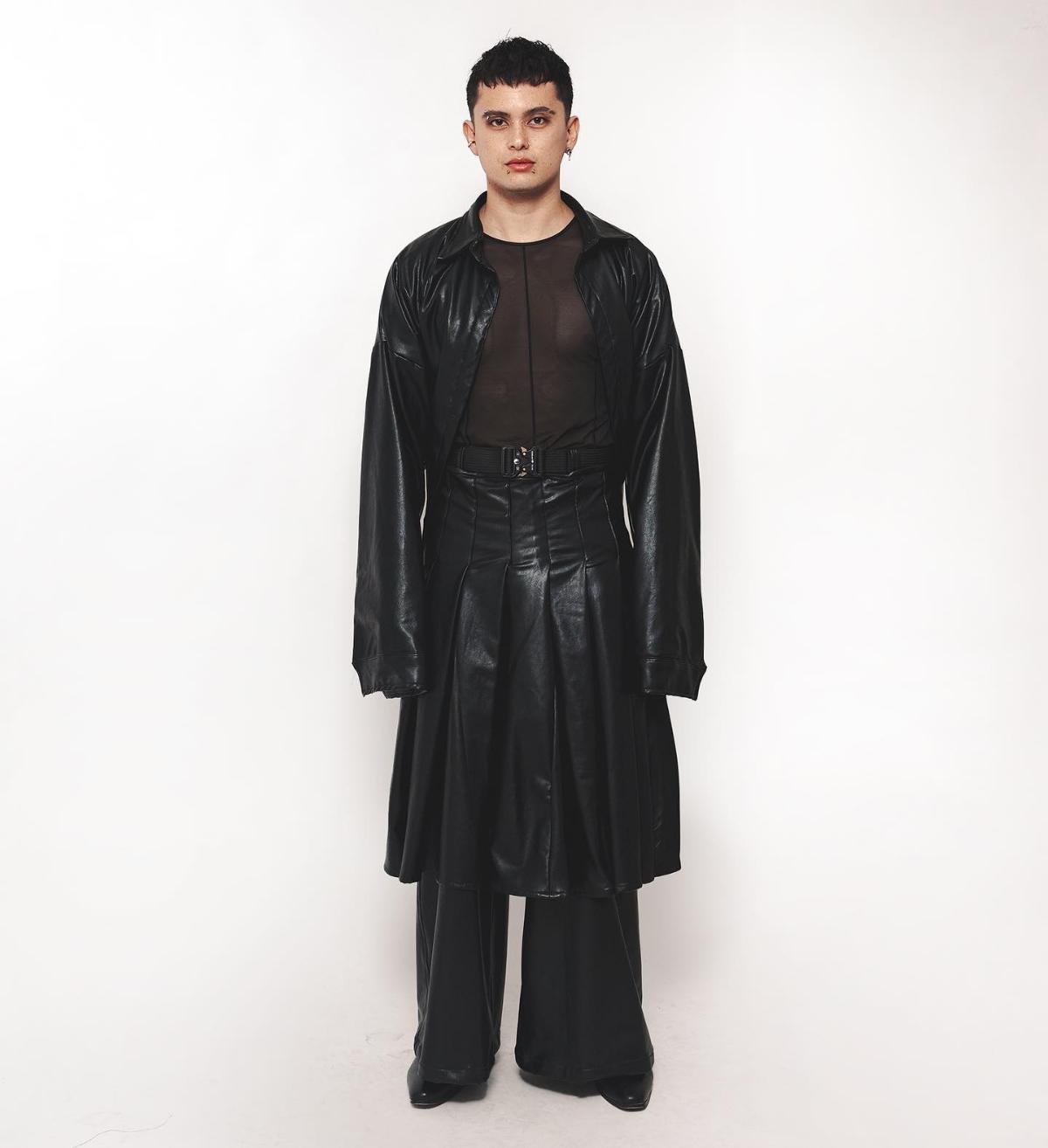
Rik Rasos of Proudrace
"In an article I've read before, Rick Owens said that when you put out something out in the public, you do not have ownership over it anymore. I always carry that with me when I see that some designs I have made inspired other people. I remind myself that anyone can reference your style and design, but nobody can ever replicate the soul that is integrated into your brand, because that part of my output is authentically from my point of view."
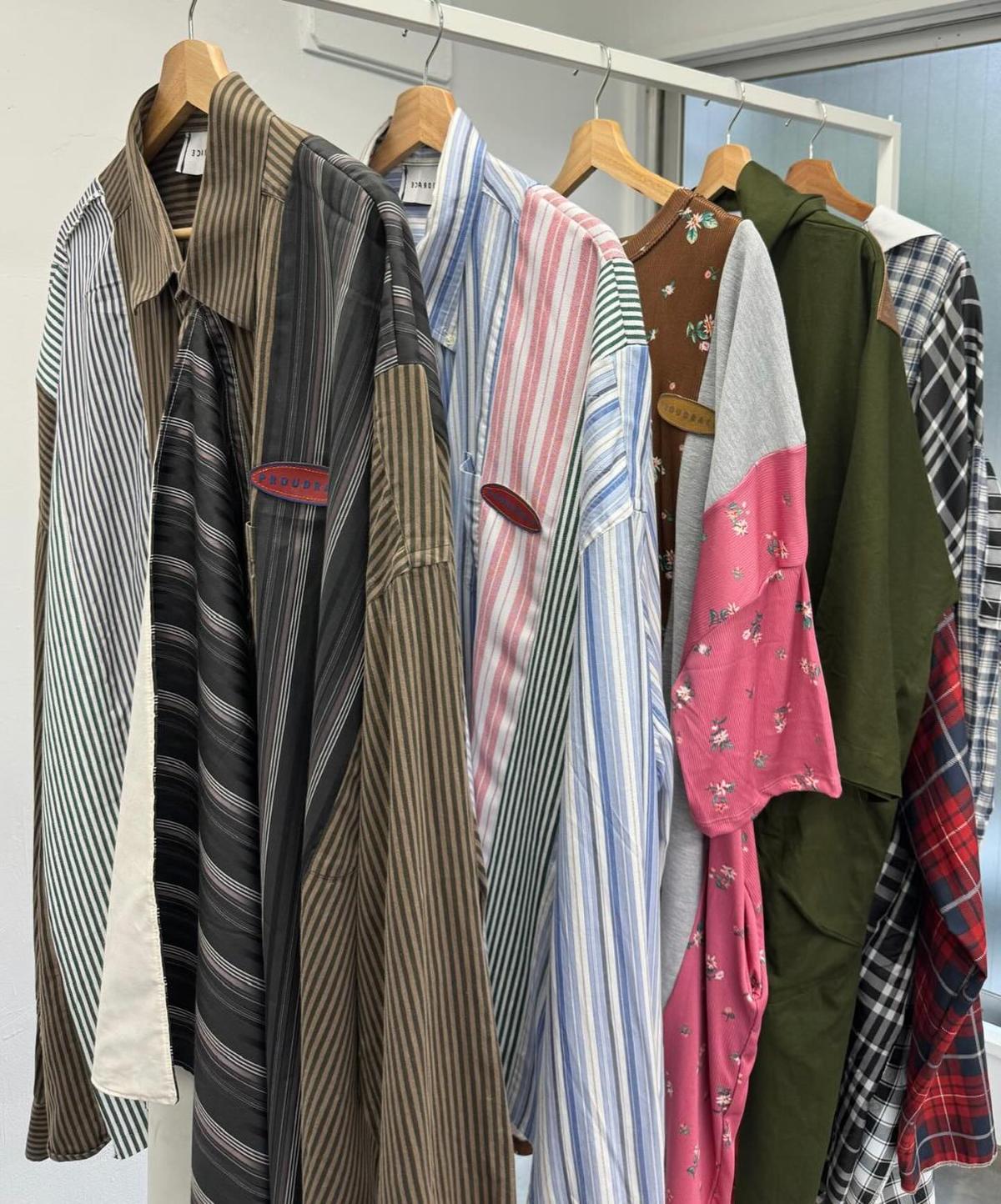
"Yohji Yamamoto said to keep on referencing until you find your own style. That resonates with me because I believe in references and majority of my aesthetic is based on nostalgia and reworking existing silhouettes. But more importantly, I believe that you have to include your references in every opportunity you have to recognize and pay homage to what’s been part of your journey of creating. That, for me, is a crucial part [of] keeping your integrity when you put out something creative."
Ziv Rei Alexi
"At this point in our industry, nothing's truly original anymore. However, I believe that there is a fine line between referencing and copying. Designers reference a lot [as] it is vital to our work. A dupe, on the other hand, is robbery. Nakakalungkot man pero it really happens."
Job Dacon
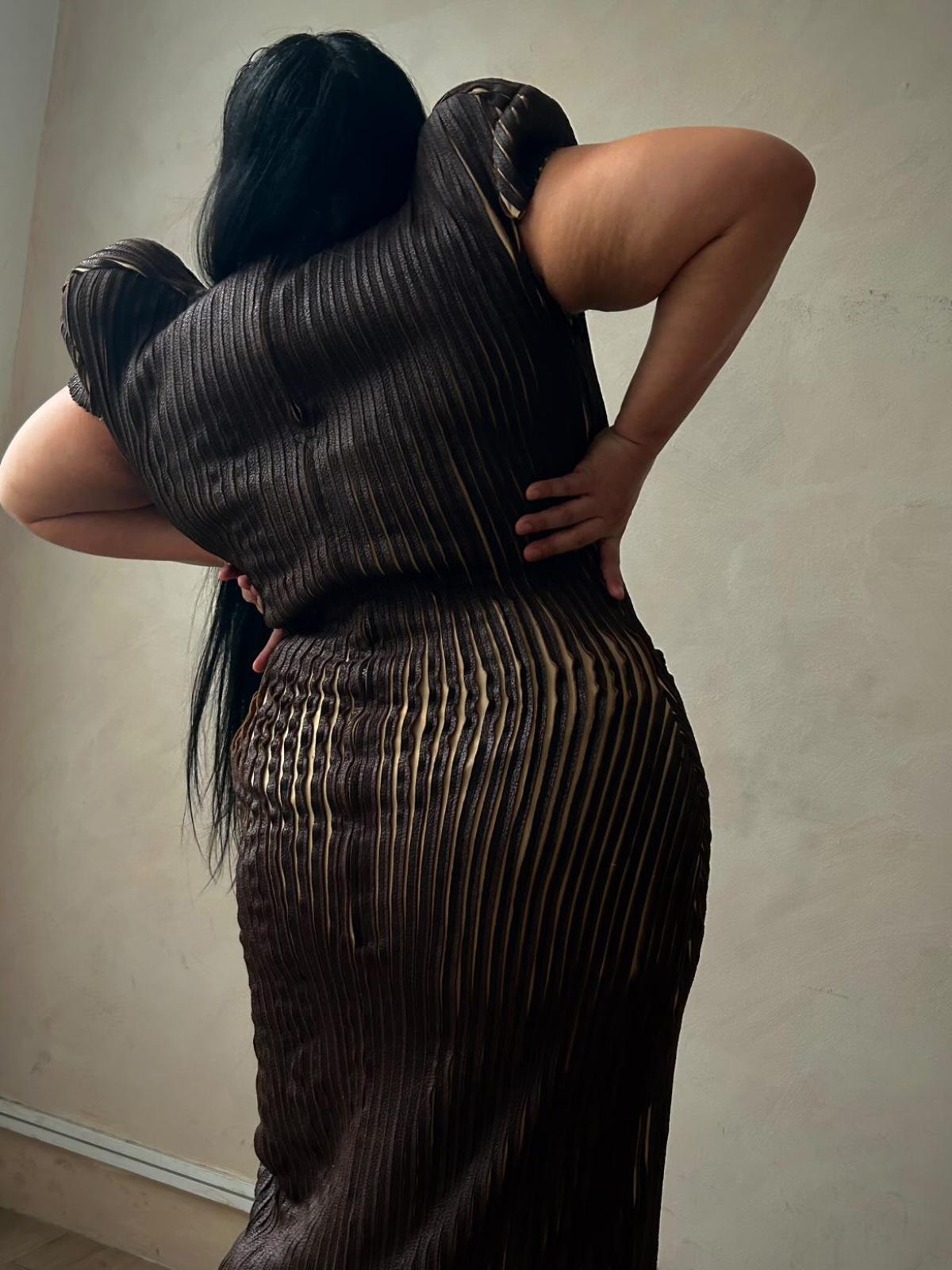
"A design becomes a copy or a dupe when you can easily tell where it came from. This is not to say that designers must be original all of the time, but rather, [they have to be] so well-versed in the industry that they can take influences and nuaces and make them their own instead of [having them look like] another designer's work."
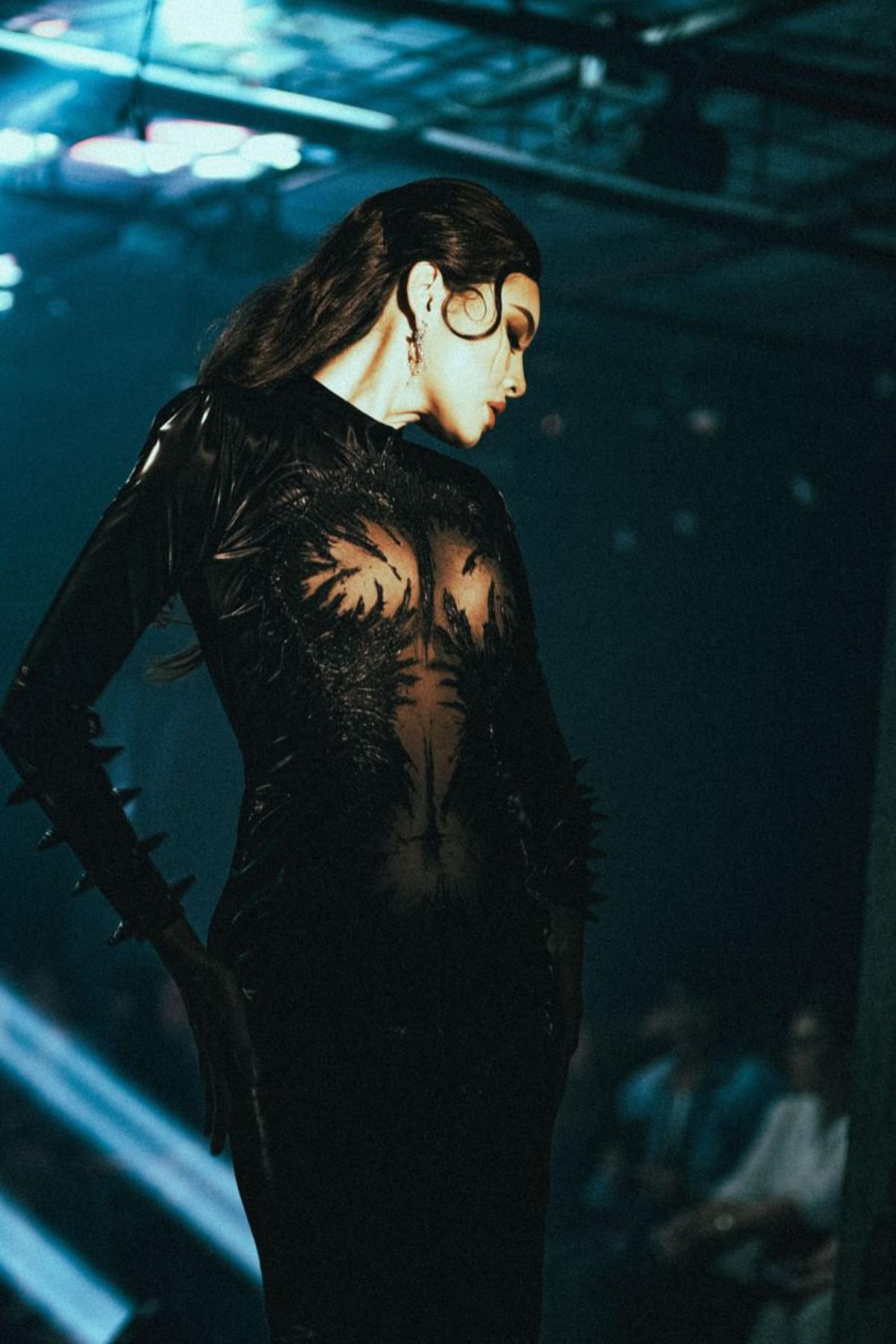
Vin Orias of Orias Essentials
"Apparel is generally classified as functional items, which are utilitarian by nature, or as basic goods. Our works as fashion designers do not have the same protection as those of other creatives. As a creative entrepreneur and a Filipino fashion designer, there is no absolute claim to an original design. Fashion design, by nature, is also evolutionary as it is always dictated by the times."
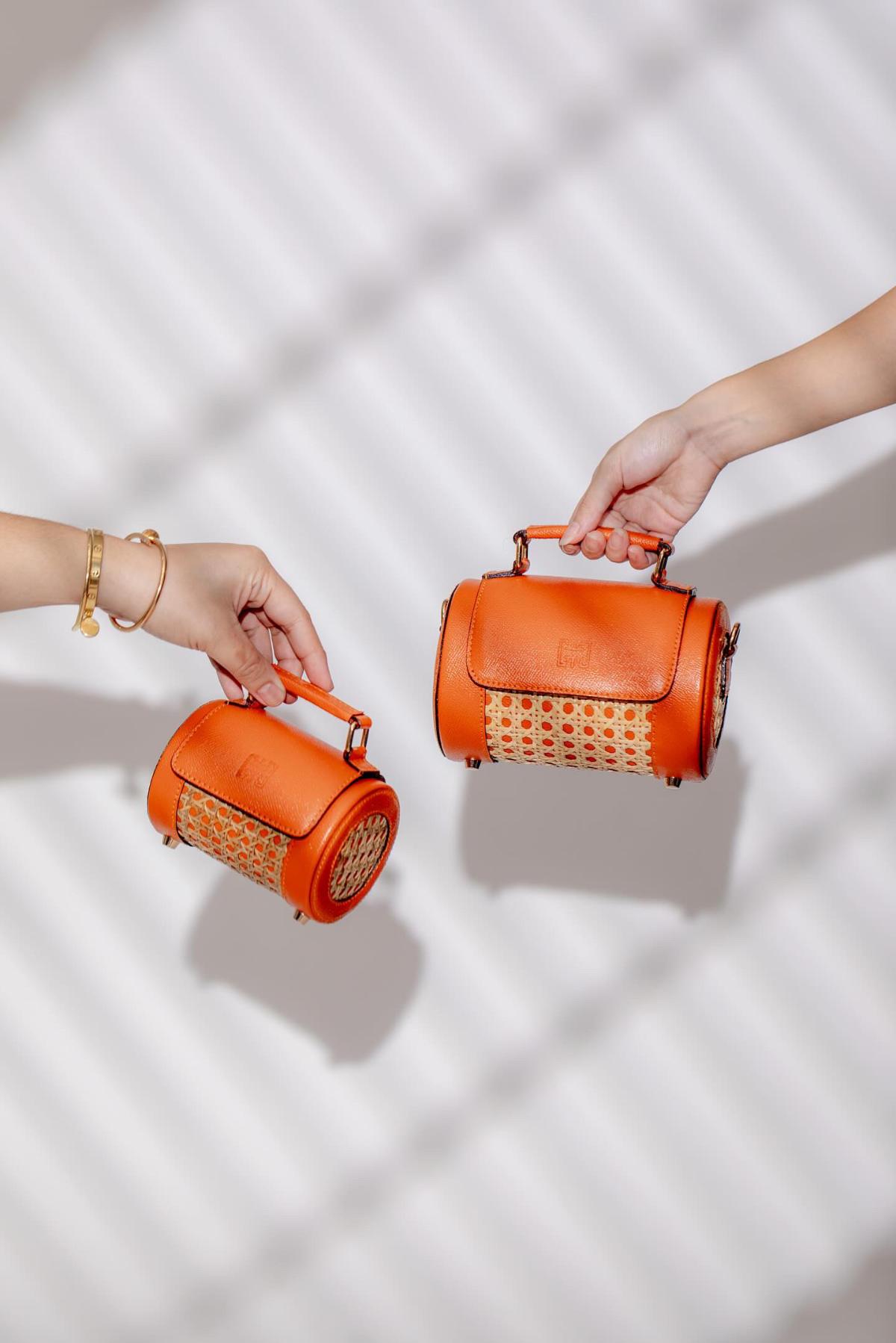
"A fashion designer's work is [classified as] a copy if the materials, textures, patterns, and silhouettes are copied, although it is different when you are a designer [that it is] still finding your voice and aesthetic. It is a practice to 'copy' tried, tested, and working designs."
"In this day and age, everyone is critical, and everyone has a cent to contribute. For me, as long as your design is working and sellable, and you are staying true to your own voice and your values, all is okay. Fashion is art, science, and business rolled into one."
Dona Lim
"We cannot unlearn what we already know. How much of what we see every day gets encoded into our brain subconsciously, whether it's a shape, a color combination, a silhouette, or a detail? How much of that becomes of use and gets incorporated into our own designs?"
"I don’t want to justify copying, [nor do I want to] encourage designers to be irresponsible, but we cannot be so self-absorbed and prideful to the point that we want to own everything that we create. [We should not be] so arrogant to the point [that we ignore] the influences of our predecessors’ work."
"There has to be equilibrium in everything we do. As a designer of a brand that champions timelessness, how can I claim ownership [of] a classic piece that goes way back in time, but, at the same time, also make it mine?"
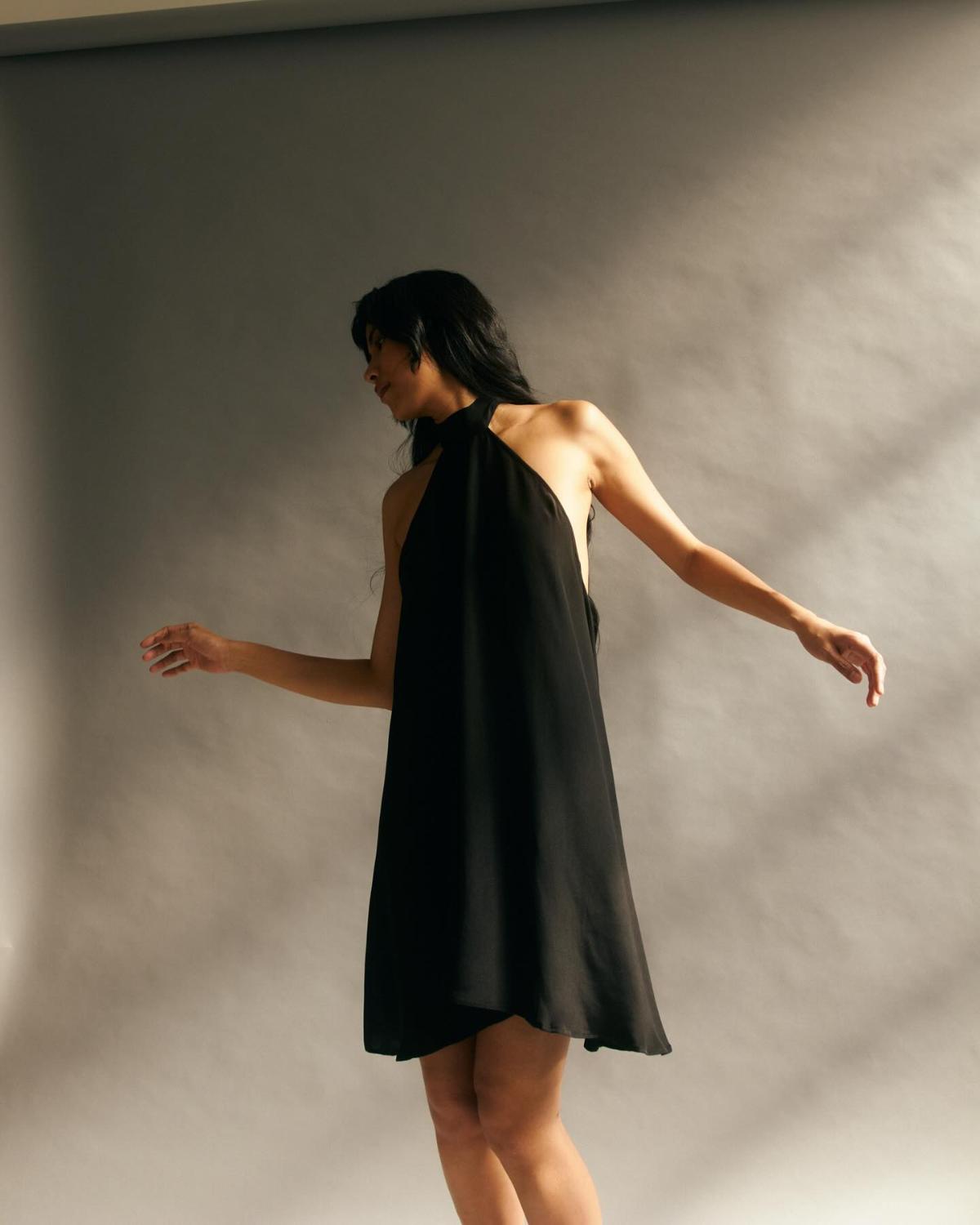
"What is there to gain by using our precious time to only copy other people’s work? Where is the fulfilment of our creative energy and growth? I am [all for] evolving from the foundation of other people's previous work. They are there to inspire us to continue their work, [and they are not meant to be copied], but rather, [are meant to] evolve into something unique to us creators."
"When and how does a design become a 'copy' or a dupe? Only the designer can truly answer that question. Each one of us needs to ask ourselves that and [assess] when one begins to lose yourself."
Anthony Ramirez
"There's a fine line between inspiration and imitation. While I draw from existing techniques and silhouettes, I always incorporate my unique signature into my work. This approach honors past creativity while expressing my personal vision. I feel like this interplay between the past and unique perspectives also defines our artistic identity."
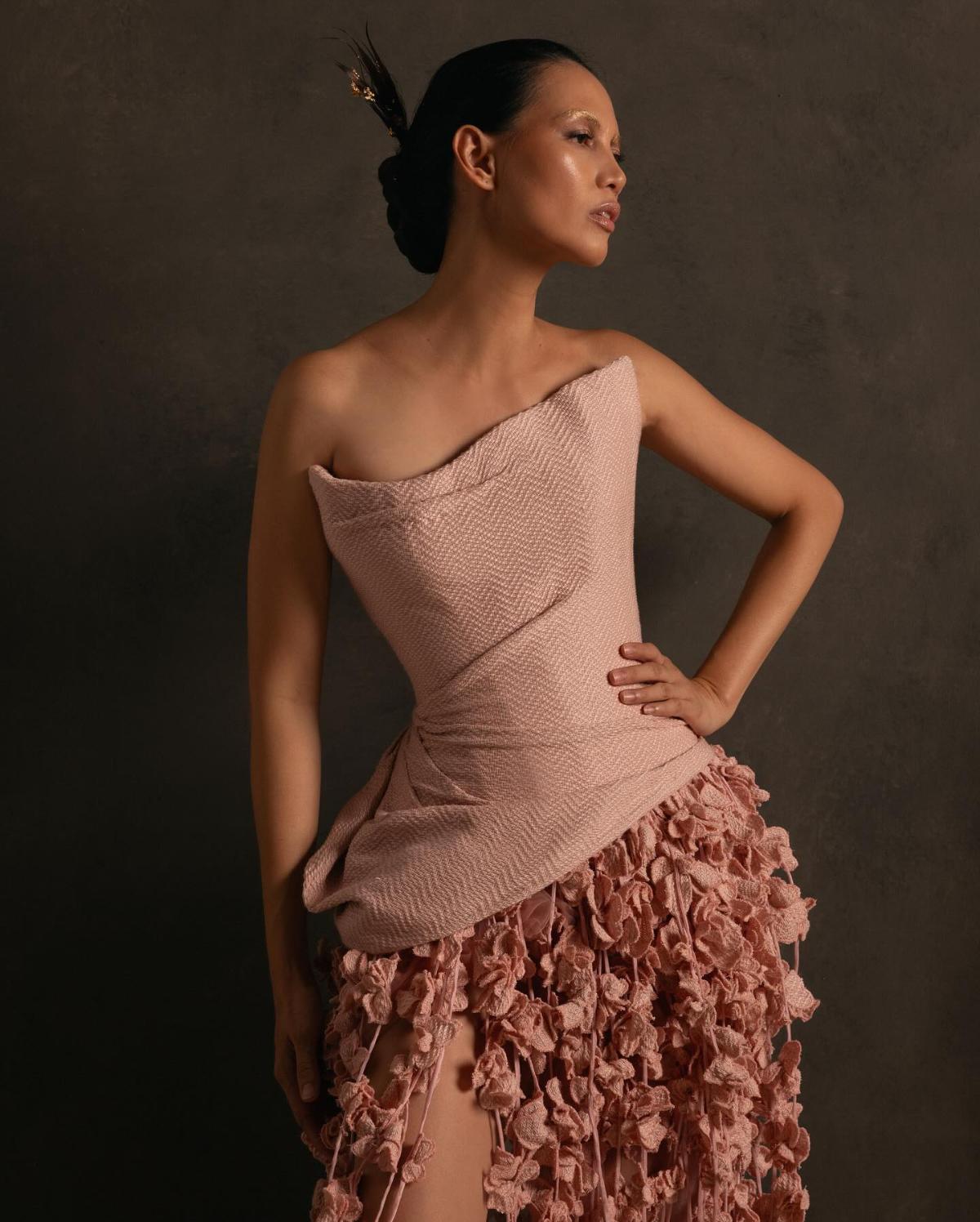
Carla Zhang of Le Ngok
"In my opinion, every design can be traced back to the original story behind it. This narrative, supported by thorough research and study, determines whether a design becomes a 'copy.' What differentiates [the works of] designers [from one another] is their unique interpretations and the originality of their stories. Therefore, if a design lacks an original story backed by research and study, it becomes a copy."
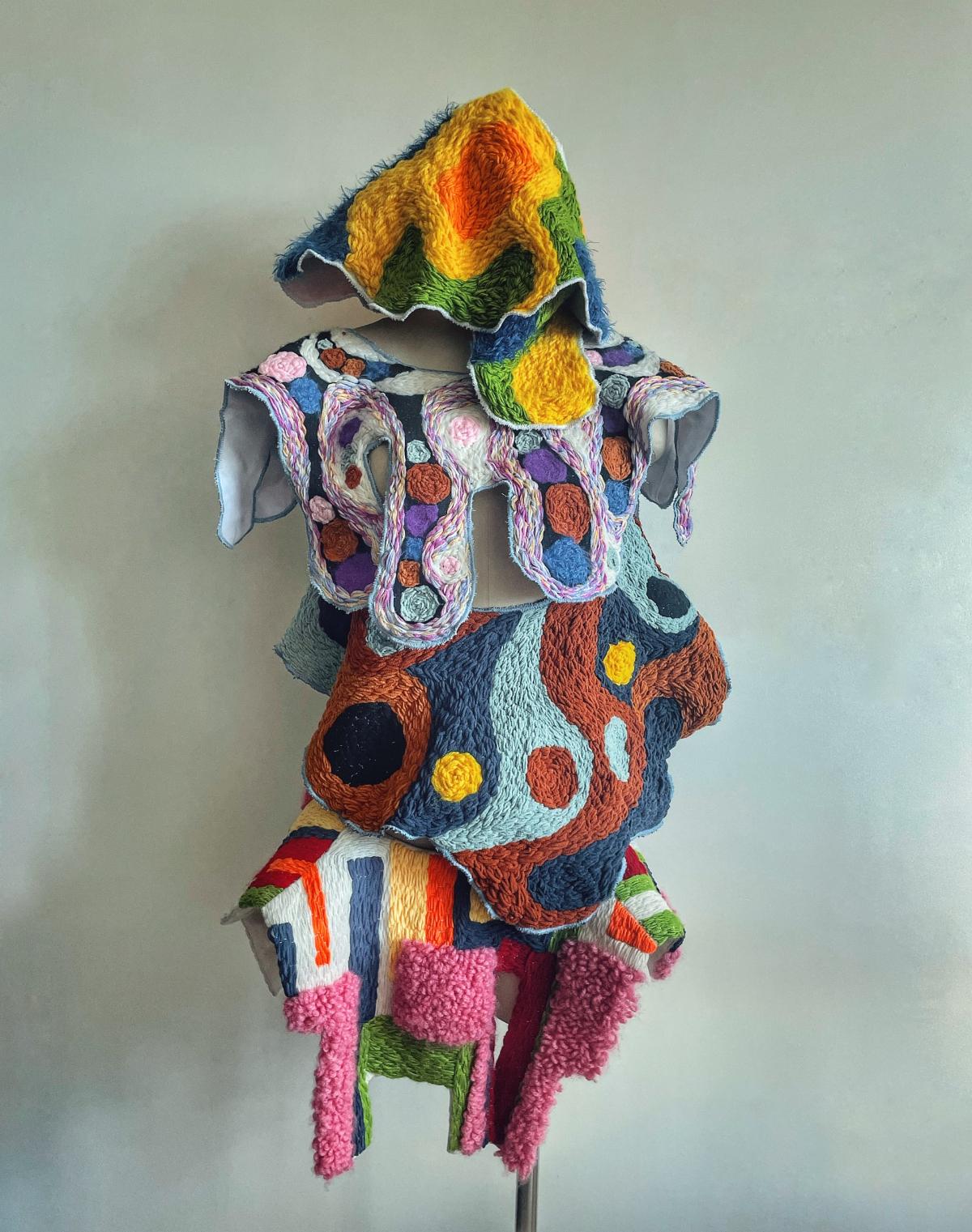
Neil Felipp
"I would consider something a 'copy' or a dupe when the design copies everything from the material to the fabrication. Though, I have noticed that there are designs that are 'confusingly similar,' [meaning a design looks like it] was from a particular brand but it actually wasn't."
*Some answers have been edited for clarity
Hey, Preview readers! Follow us on Facebook, Instagram, YouTube, Tiktok, and Twitter to stay up to speed on all things trendy and creative. We’ll curate the most stylish feed for you!
