
For generations, art forms like beadwork, embroidery, and weaving have been woven into the fabric of Filipino culture, reflecting identity, pride, and spirituality. Local materials such as abaca, nipa palm, and piña fibers were intricately crafted into textiles adorned with symbolic patterns and motifs, passed down through the years as a testament to tradition.
As the nation entered a more globalized and industrialized period, these age-old techniques began to fade into the background. Mass manufacturing and Westernized trends drove local crafts to the periphery, leaving many traditional Filipino artists without a platform to display their creations. Yet, the resilience of Filipino artistry cannot be denied, and today, these skills are being revived and reincorporated into modern society by forward-thinking designers who want to respect traditional methods while elevating them to new levels.
Ahead, meet some of our Filipino designers championing local craftsmanship in their creations.
Filipino Fashion Designers Championing Local Craftsmanship
Rajo Laurel
Rajo Laurel, one of the most well-known designers spearheading this movement, masterfully blends contemporary sophistication with traditional Filipino elements in his collections. His deep appreciation for Filipino craftsmanship shines through in his use of materials like piña fiber, Ikat beads, and organza. Intricate embroidery and beadwork further enrich his modern silhouettes, adding depth and cultural richness.
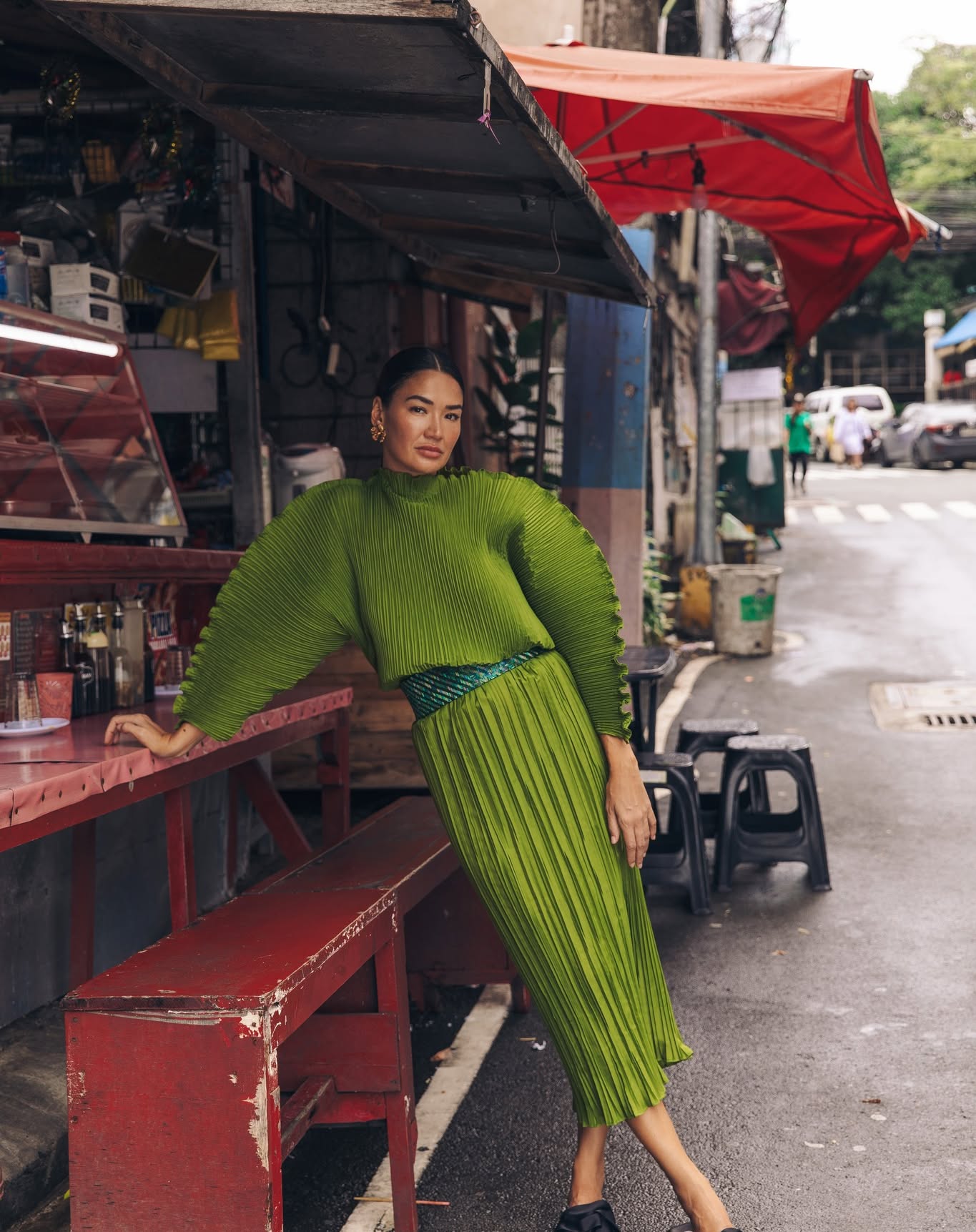
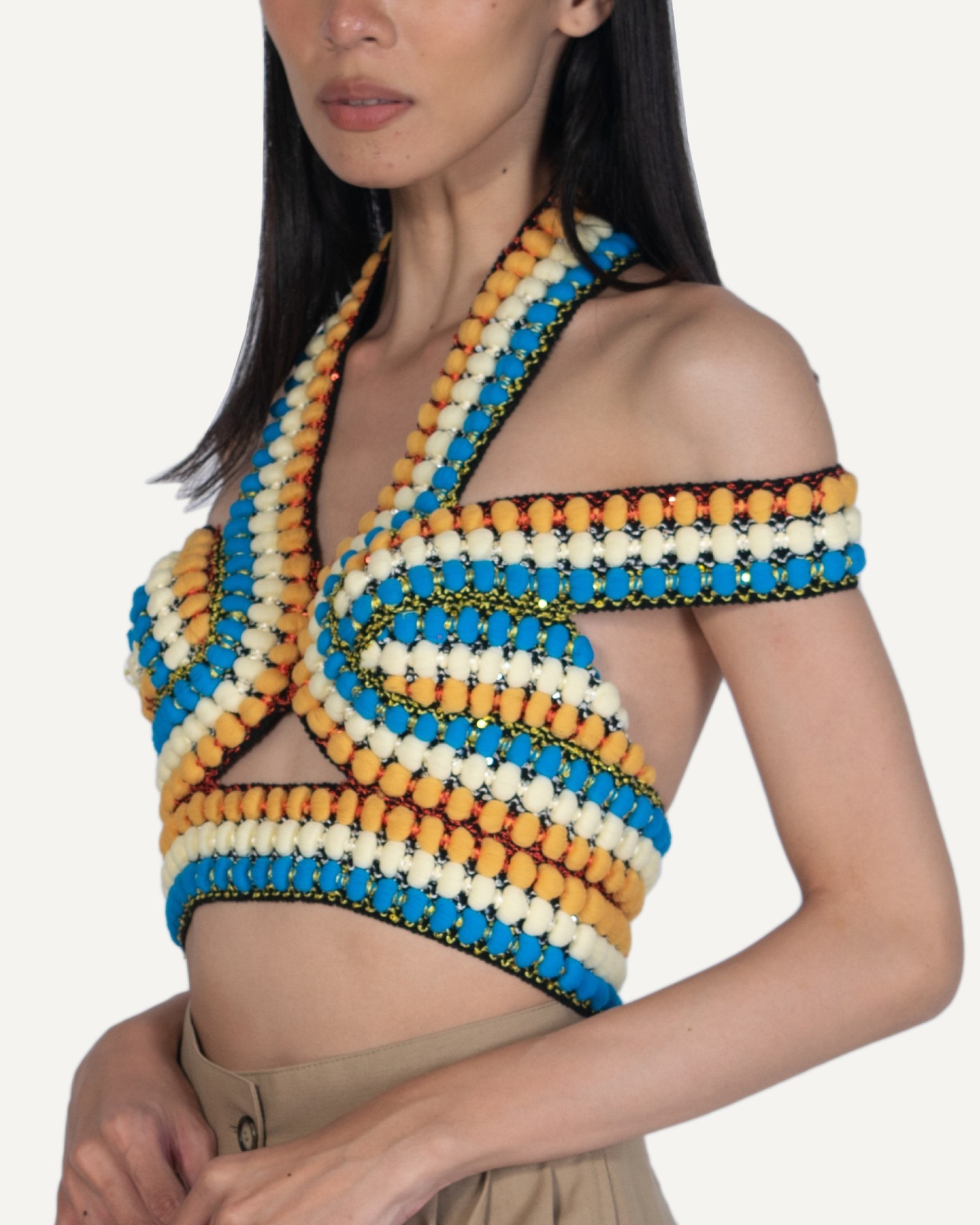
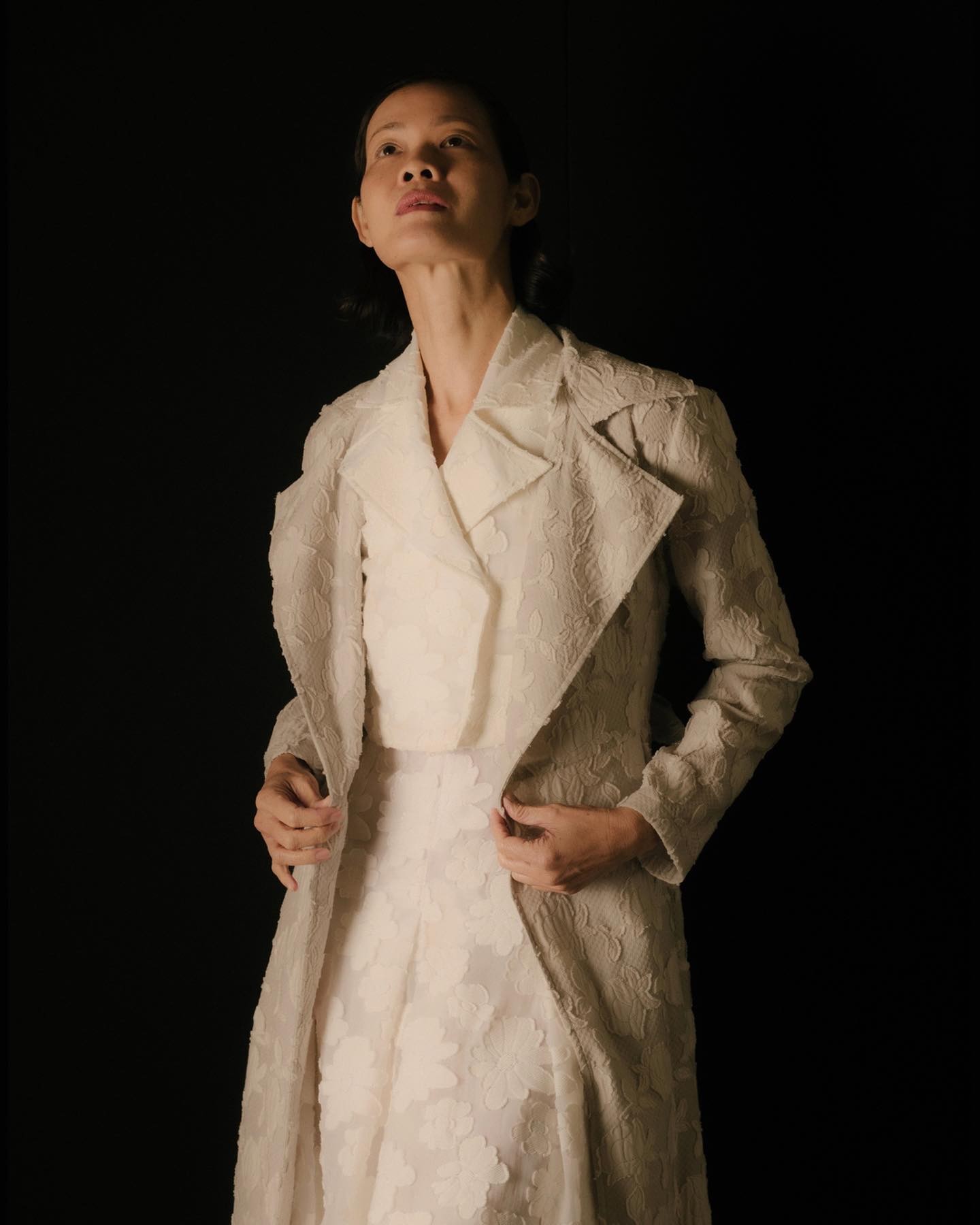
In addition to honoring Filipino creativity, Rajo makes sure it remains relevant in the worldwide market by combining these ageless methods with current fashion trends.
Vania Romoff
Filipino culture has been expertly incorporated into the collections of Vania Romoff, who is renowned for her sophisticated, feminine designs. She works closely with Indigenous communities and artisans from Mindanao and the Cordillera region, incorporating their handwoven textiles—buri, abaca, and piña—into pieces that blend modern cuts with traditional craftsmanship.
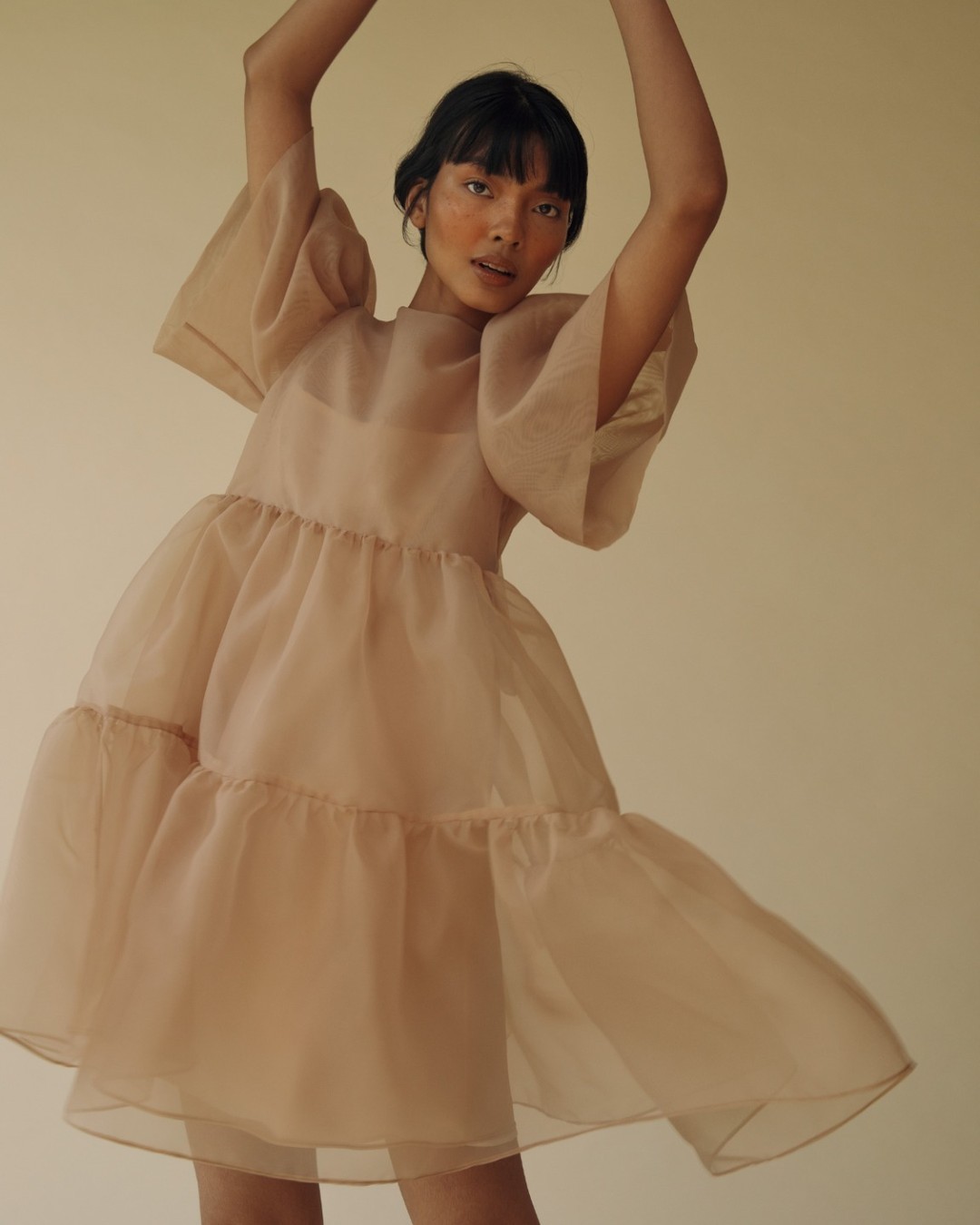
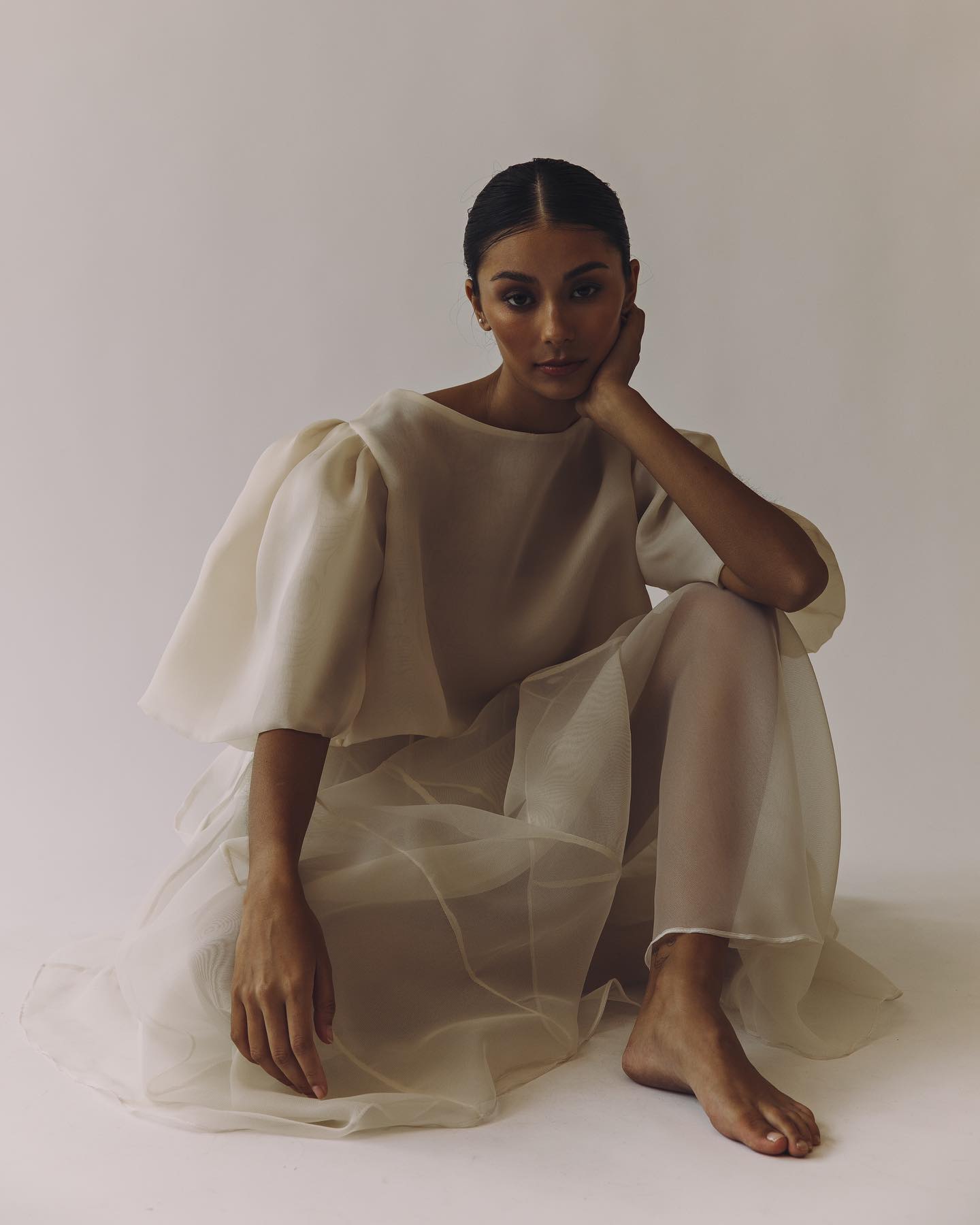
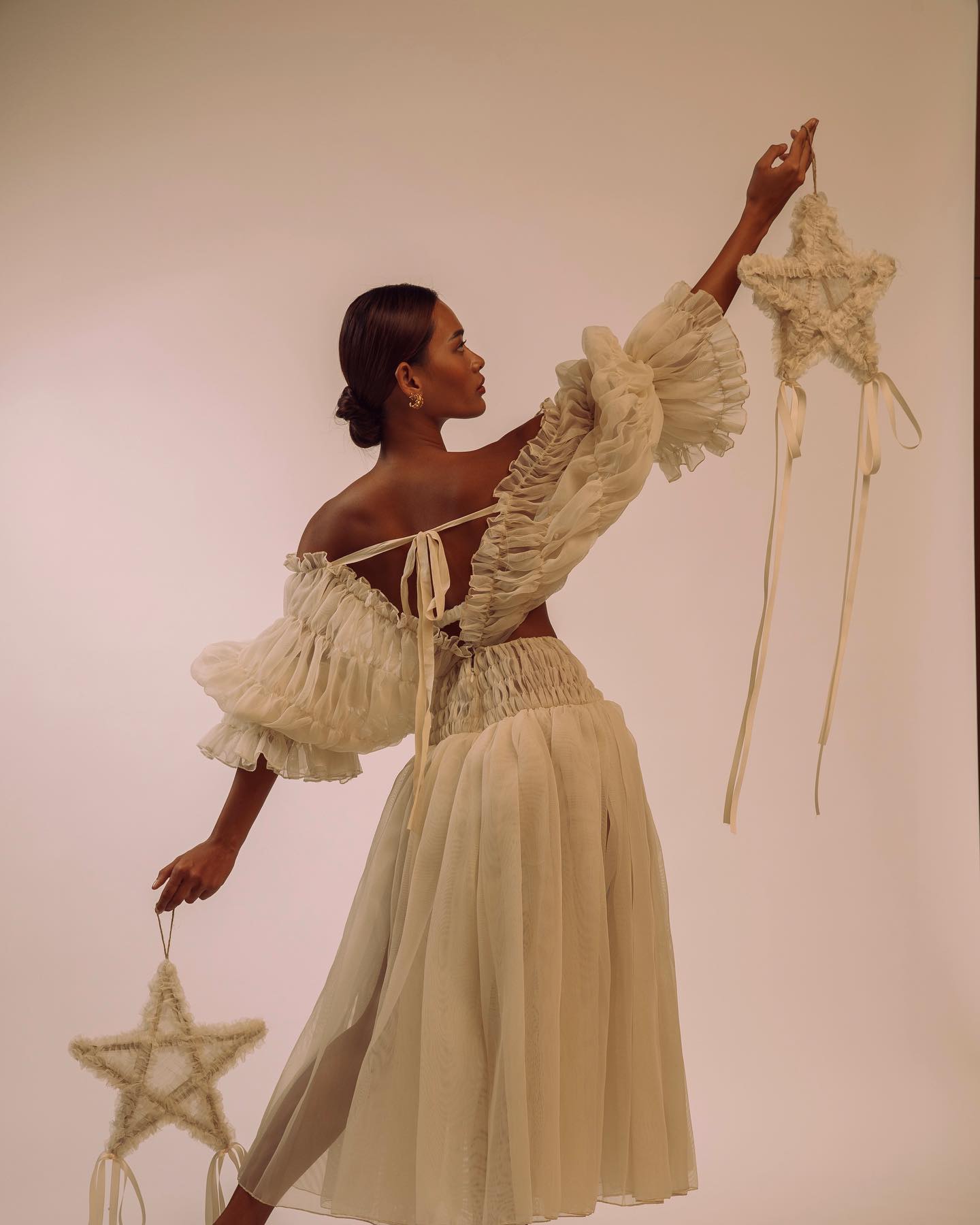
Vania’s designs show how ancient crafts may be enhanced within the parameters of contemporary fashion, proving that Filipino textiles are used for more than simply cultural preservation; they are also used to create items that are in style all over the world.
Patis Tesoro
Patis Tesoro’s dedication to collaborating with native craftspeople around the Philippines, such as the T’boli, Ifugao, and Kalinga communities, is seen in the frequent use of piña fiber in her creations. Her designs are clear-cut, showcasing intricate needlework and blends of different types of traditional fabric.
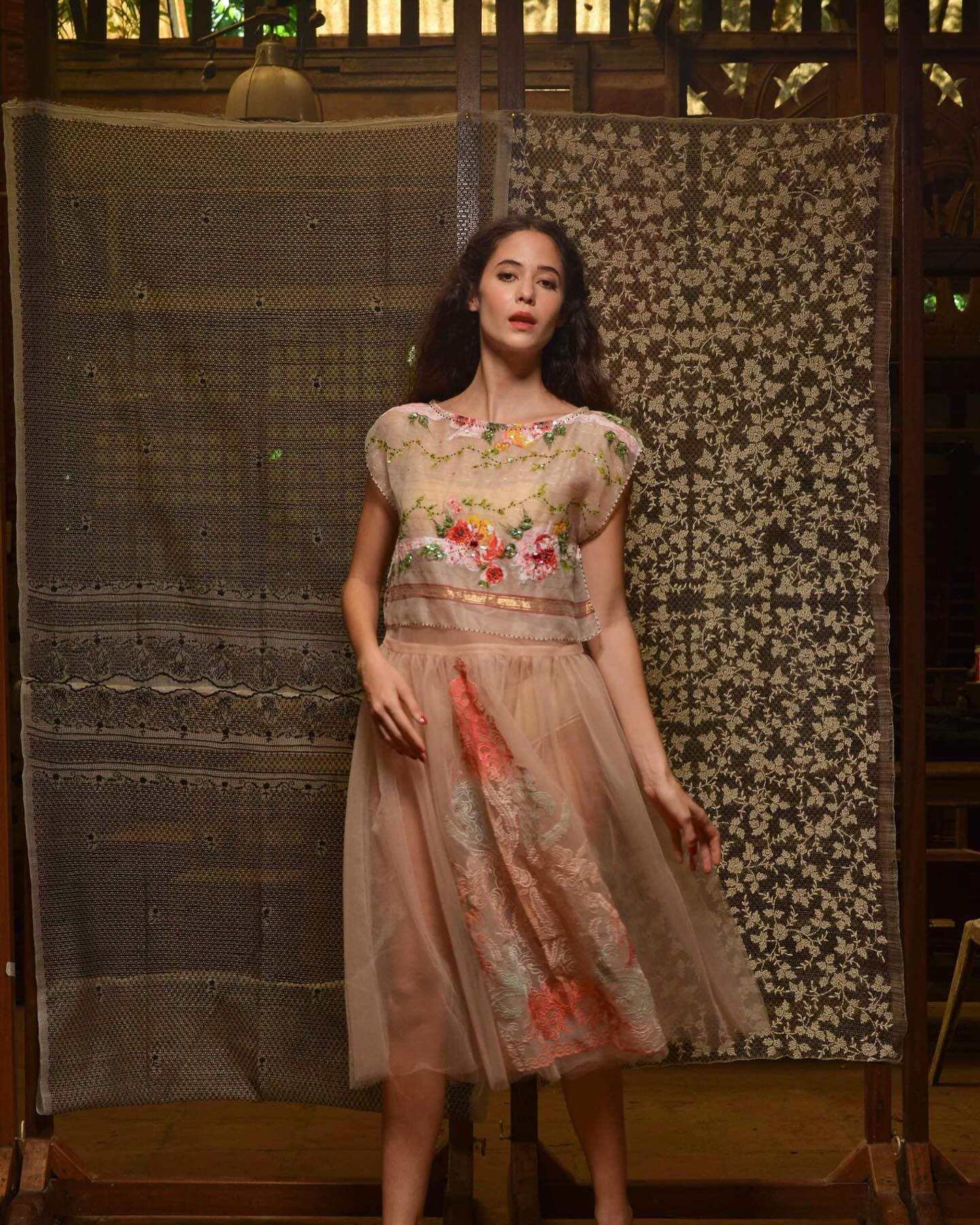
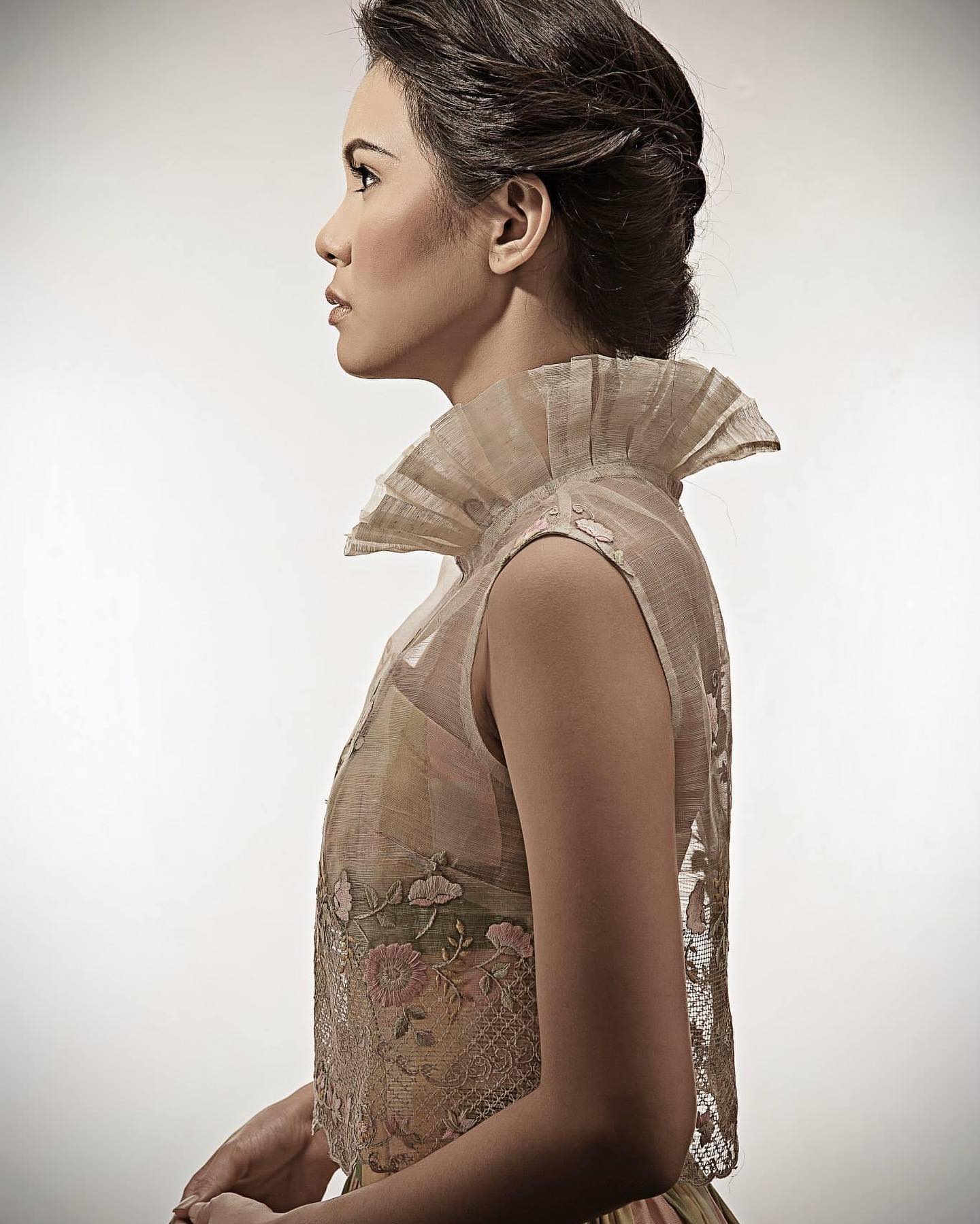
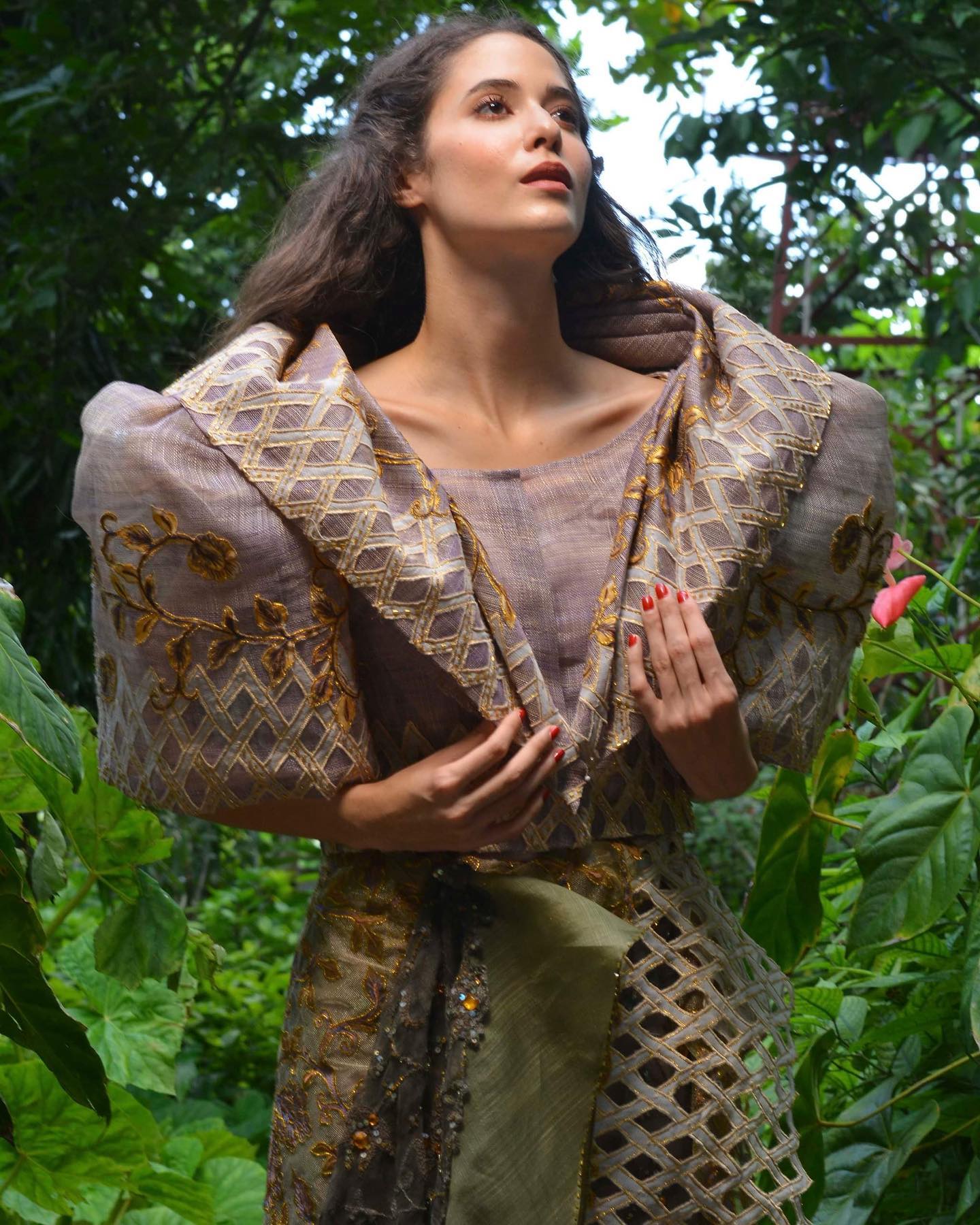
Patis' designs showcase the ever-evolving art form in Filipino craftsmanship with the potential to transform something into something fresh and captivating, rather than simply a nostalgic relic of the past.
Joey Samson
Well-known for his distinct style, Joey Samson honors Filipino workmanship by adding traditional weaving, beading, and embroidery to his works. Joey’s skill in fusing these traditional methods with sleek, contemporary lines is a prime example of how regional crafts can be updated for the fashion-forward world of today. He blends different modern styles, such as women's jumpsuits and structured blazers, into the traditional Filipiniana, making his designs a fusion of culture and aesthetics.
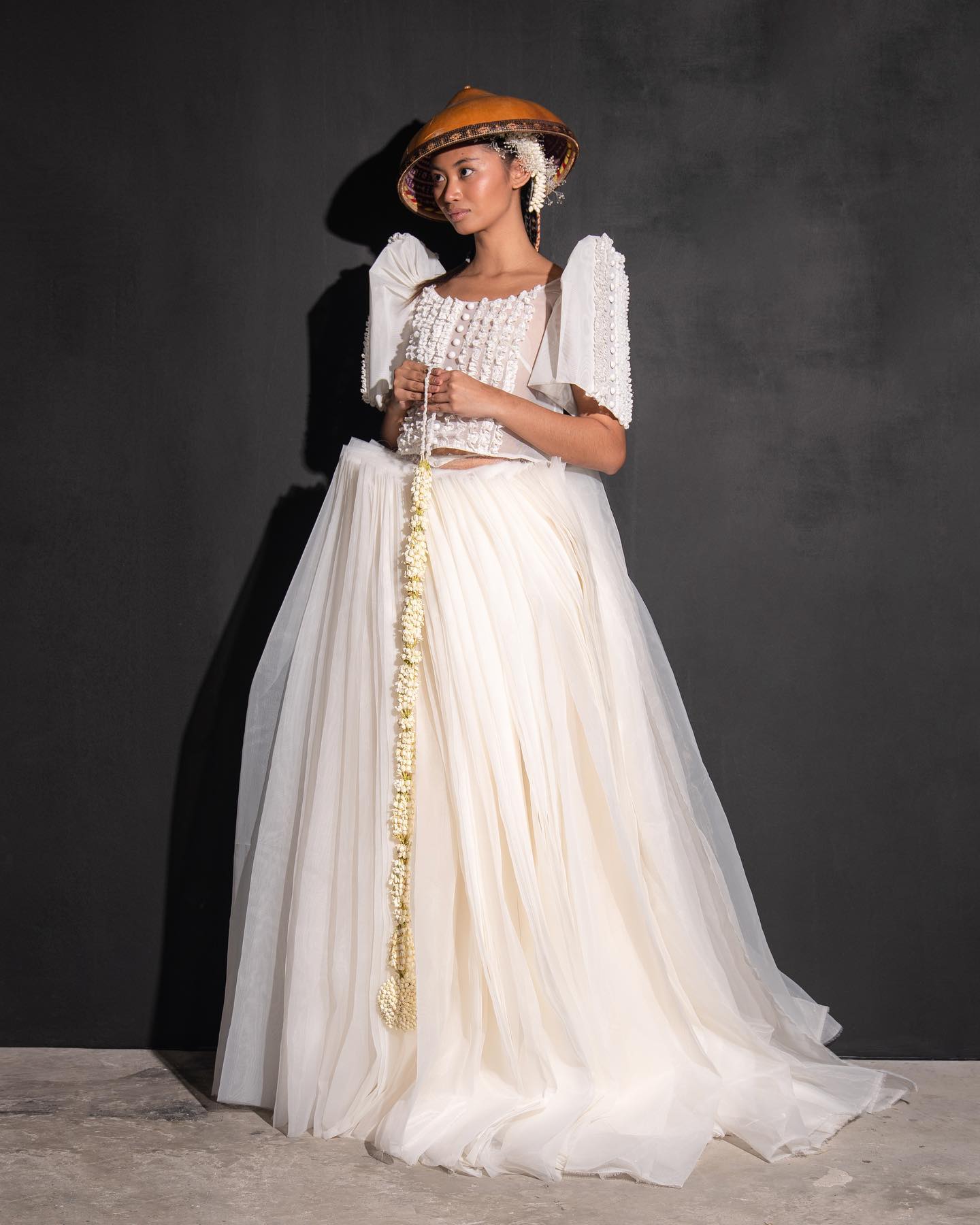
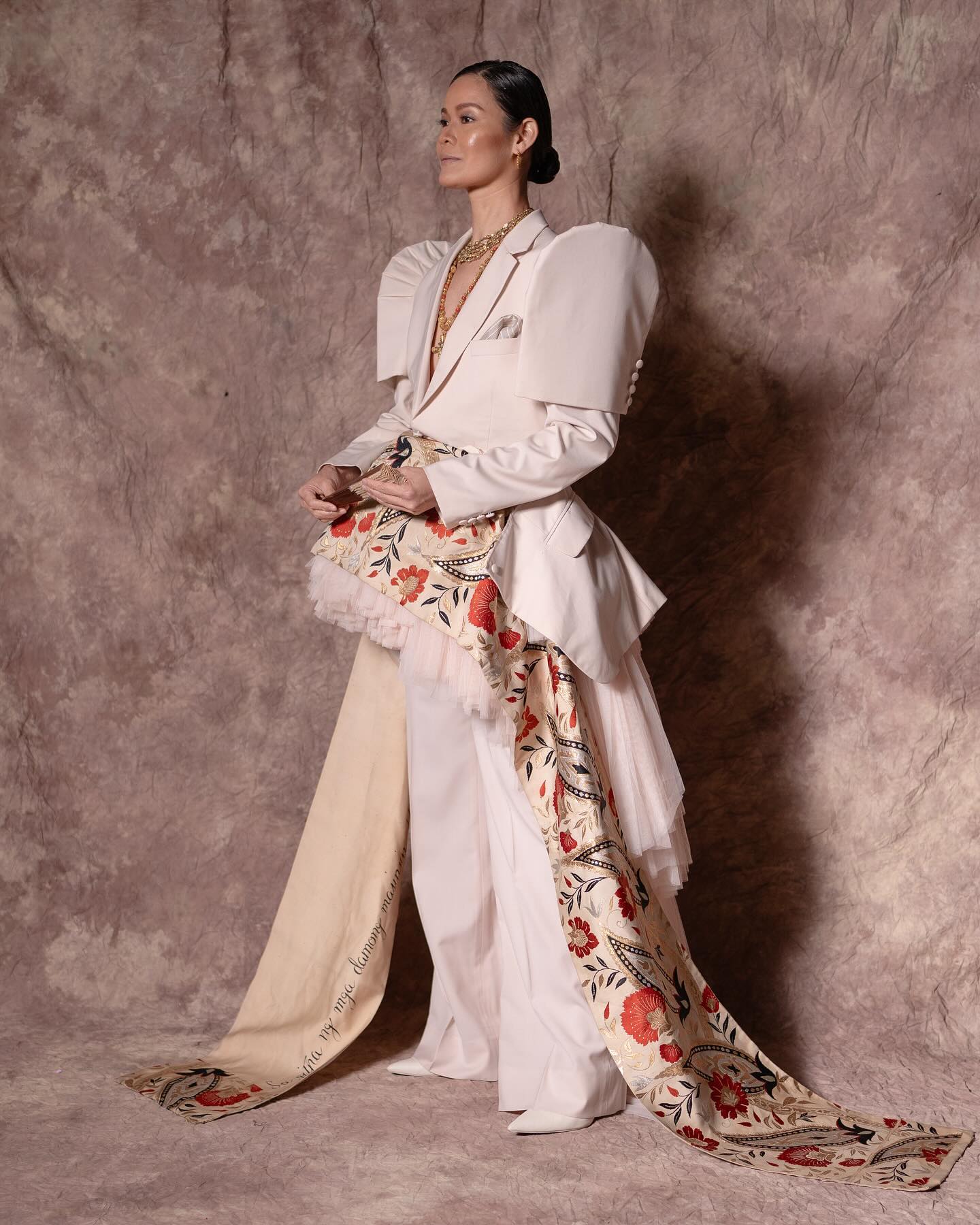
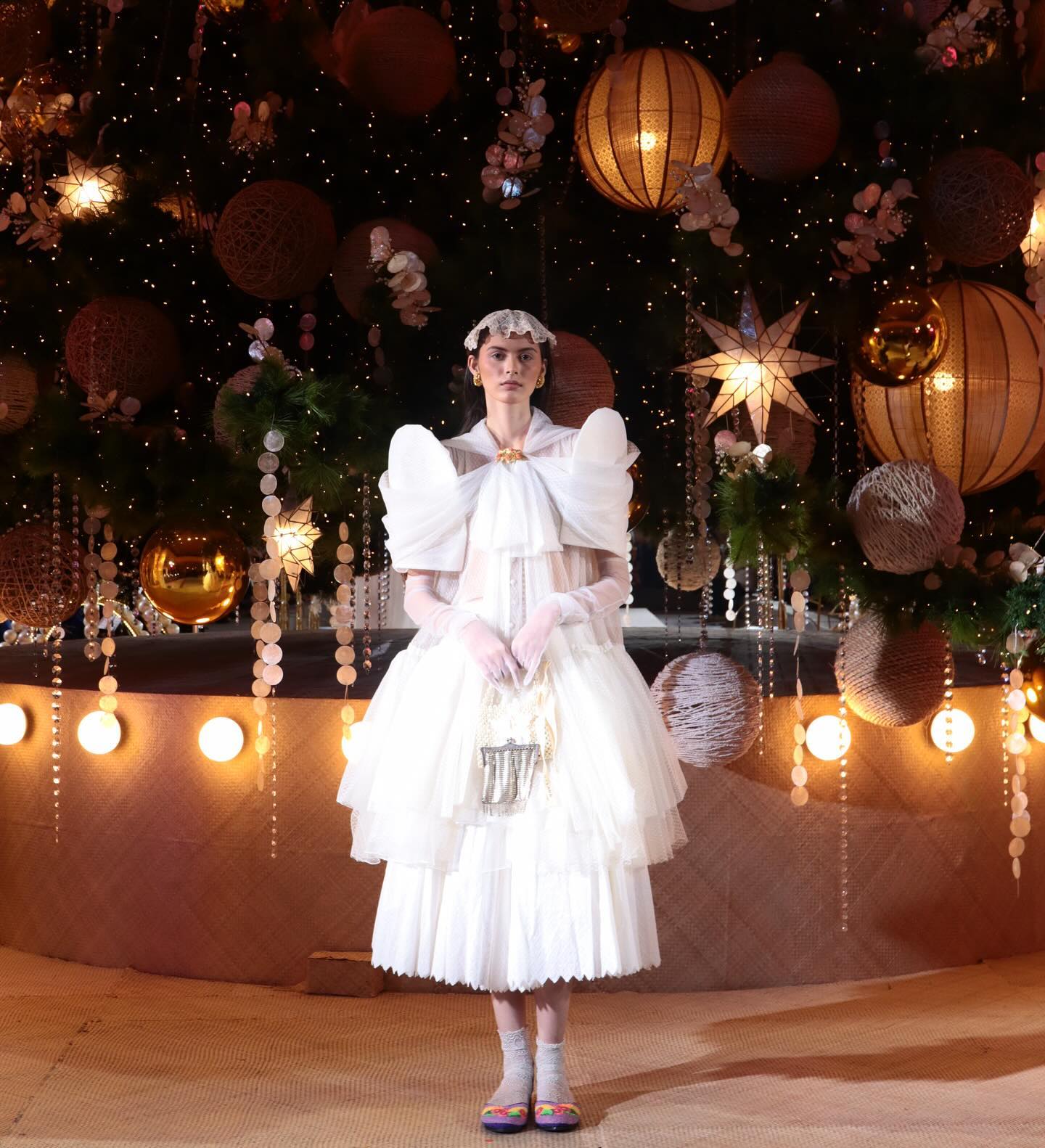
Even as he pushes the limits of modern fashion, his use of regional materials such as abaca and buri palm, as well as close cooperation with craftspeople, guarantees that Filipino workmanship stays at the core of his creations.
Masabel Iloco
Masabel Iloco’s designs showcase the rich weaving traditions of Ilocos through her use of inabel, a sturdy cotton-based fabric adorned with geometric patterns inspired by nature and ancestry. Her intricate handwoven creations have become widely recognized for their craftsmanship and cultural depth.
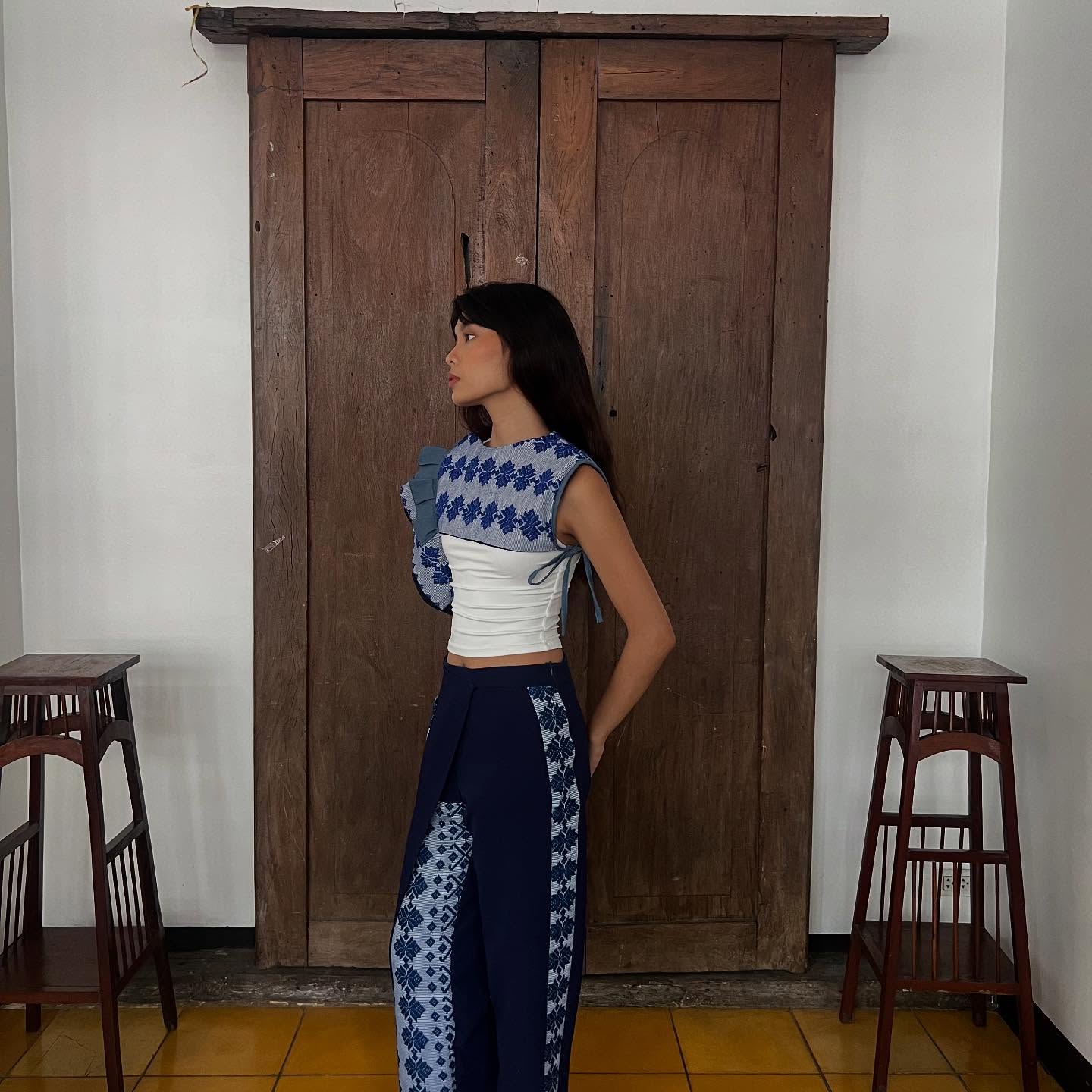
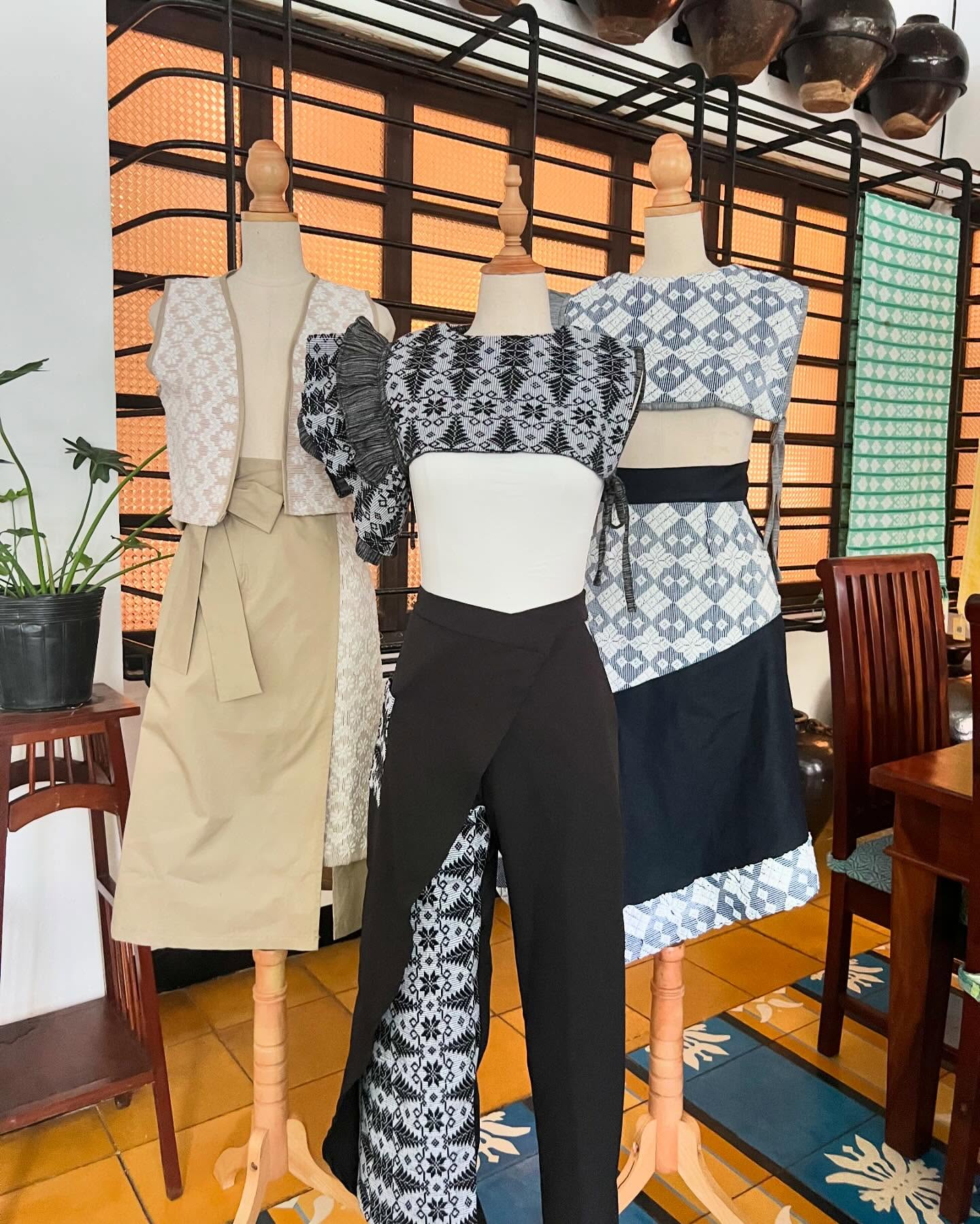
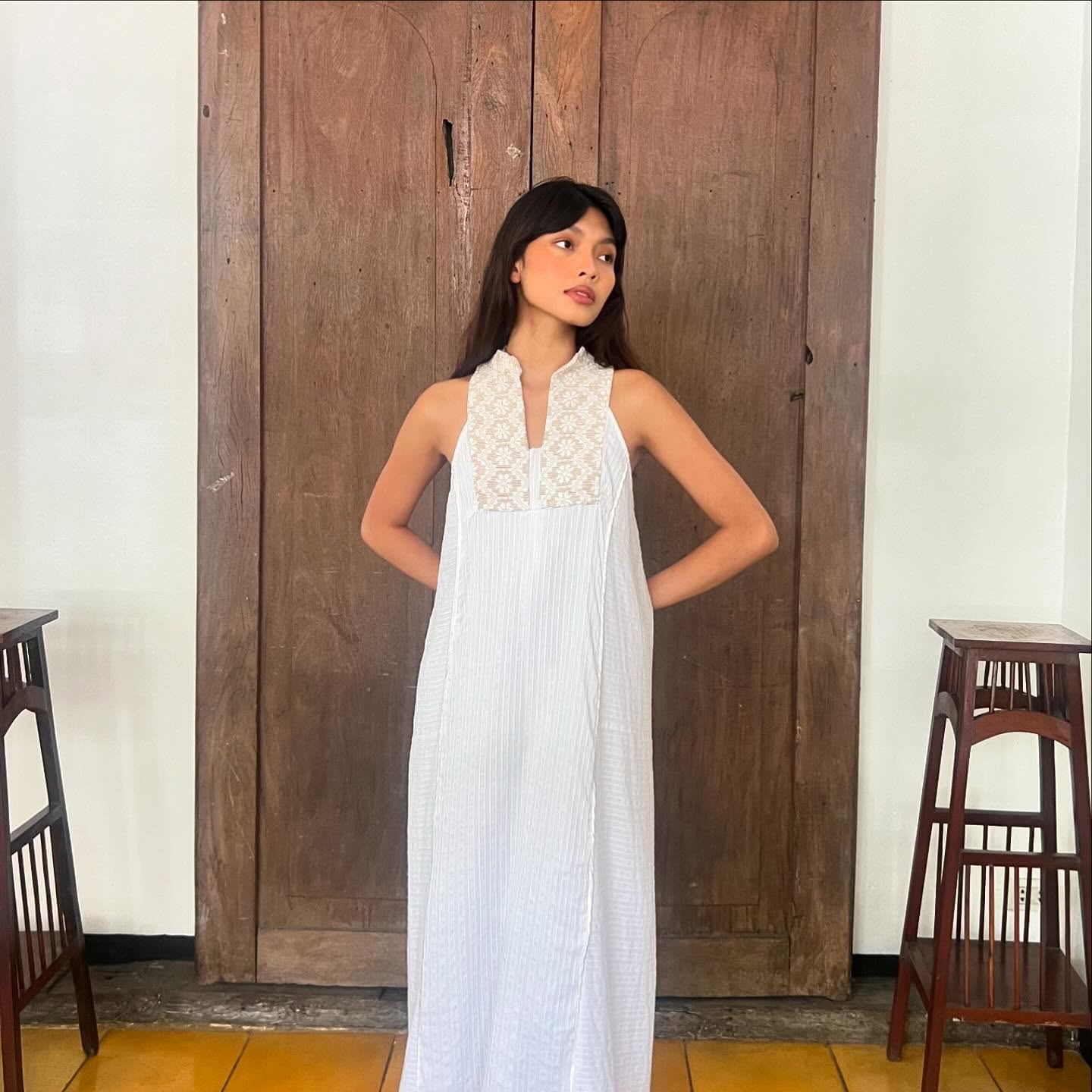
Additionally, she uses piña and abaca fibers to give her creations a subtle fineness and earthy feel. While piña lends a transparent, ethereal aspect that contrasts nicely with the rigid inabel, abaca gives strength and adaptability. Masabel respects Filipino weaving customs with her painstaking artistry, giving them a modern, high-end look that appeals to people all over the world.
Lenora Cabili - Lumban (Filip + Inna)
Lenora Cabili, the designer behind Filip + Inna, creates pieces that are both sophisticated and culturally significant. A standout material in Lenora’s creations is piña, sourced from the Visayan region, particularly Aklan. Lenora uses the fabric to create elegant, ethereal silhouettes that embody both grace and timeless beauty.
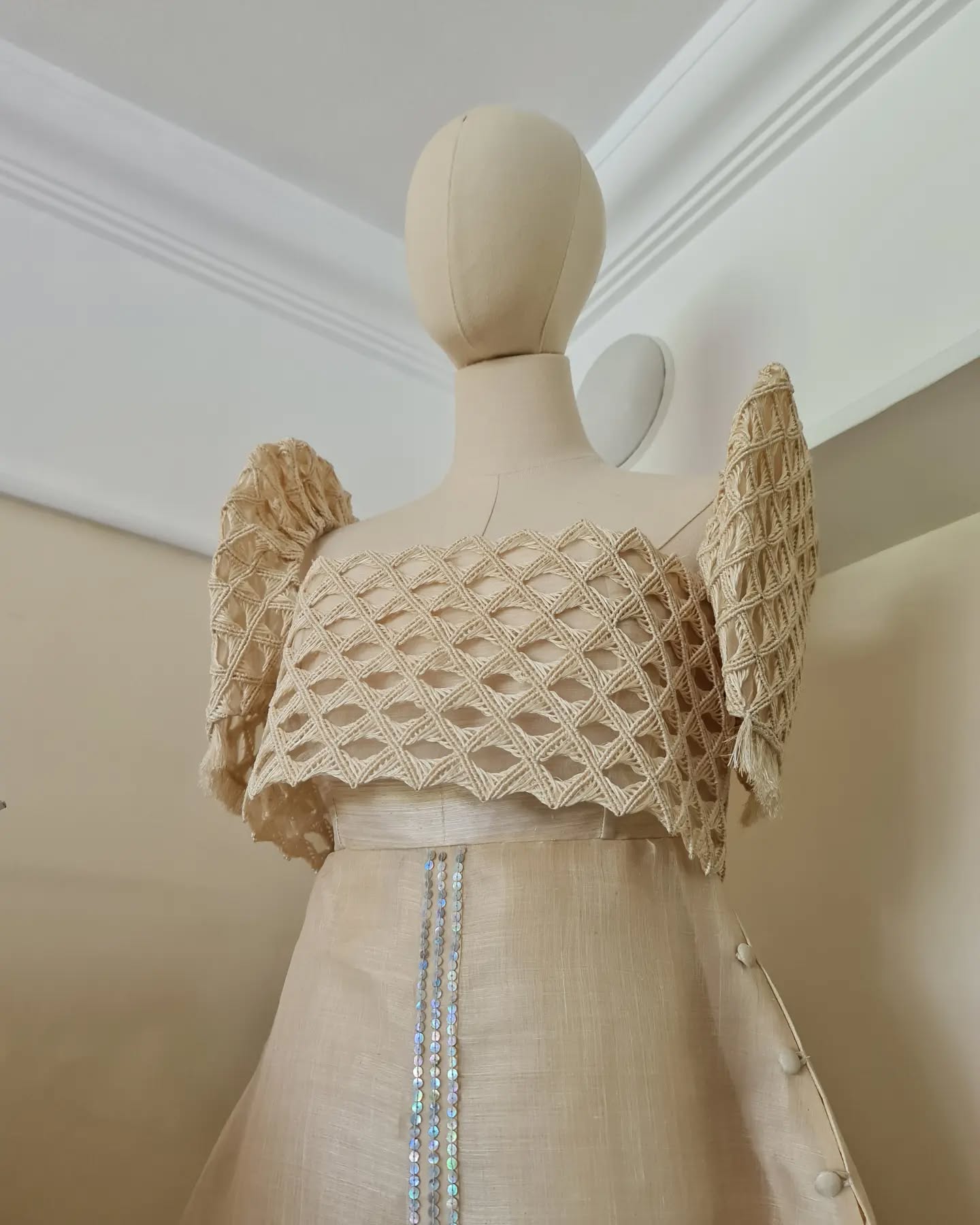
Abaca from the Bicol region complements piña, adding depth and strength to Lenora’s designs. Its earthy tones and rugged texture provide a striking contrast to piña’s softness, creating a harmonious balance of resilience and elegance.
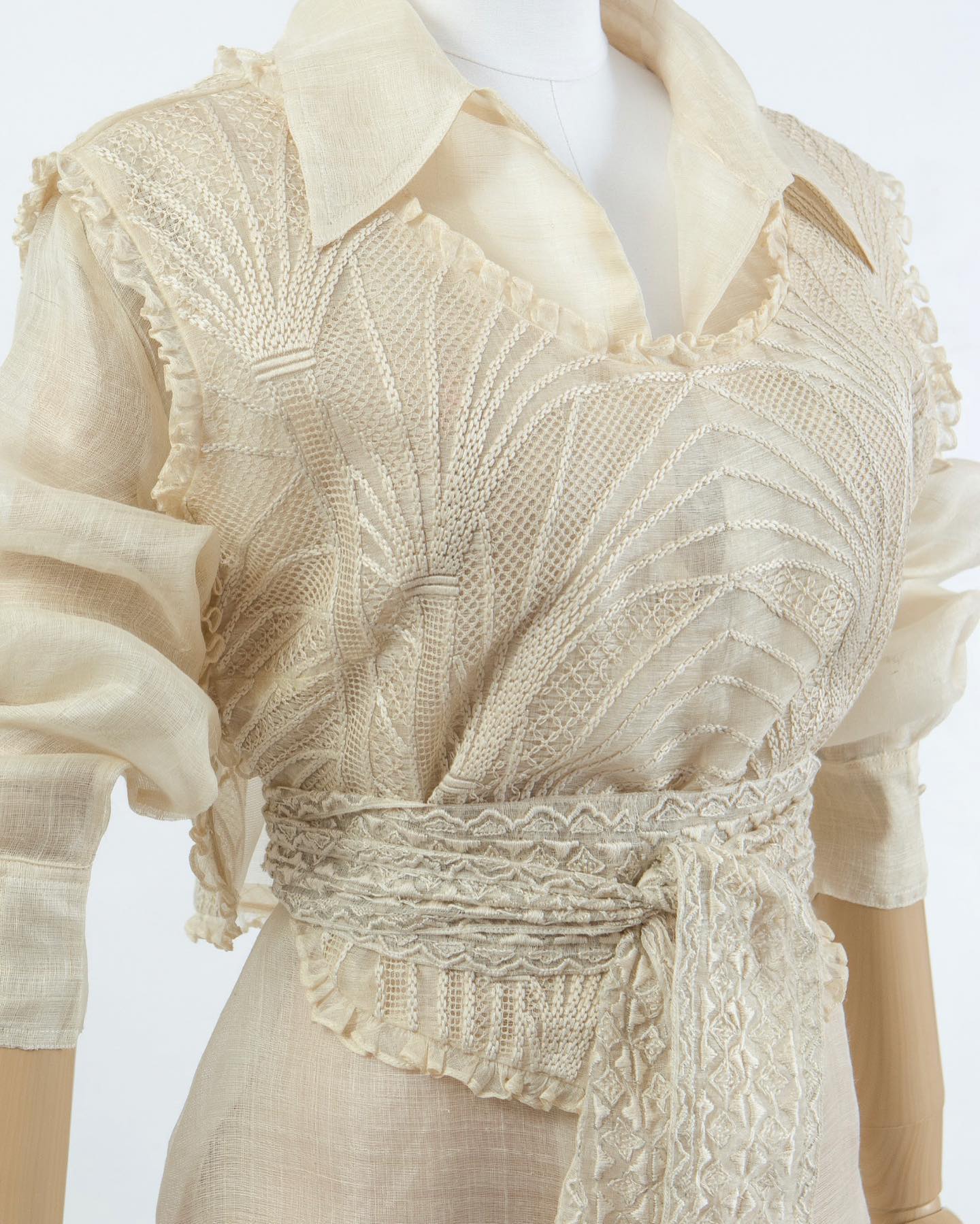
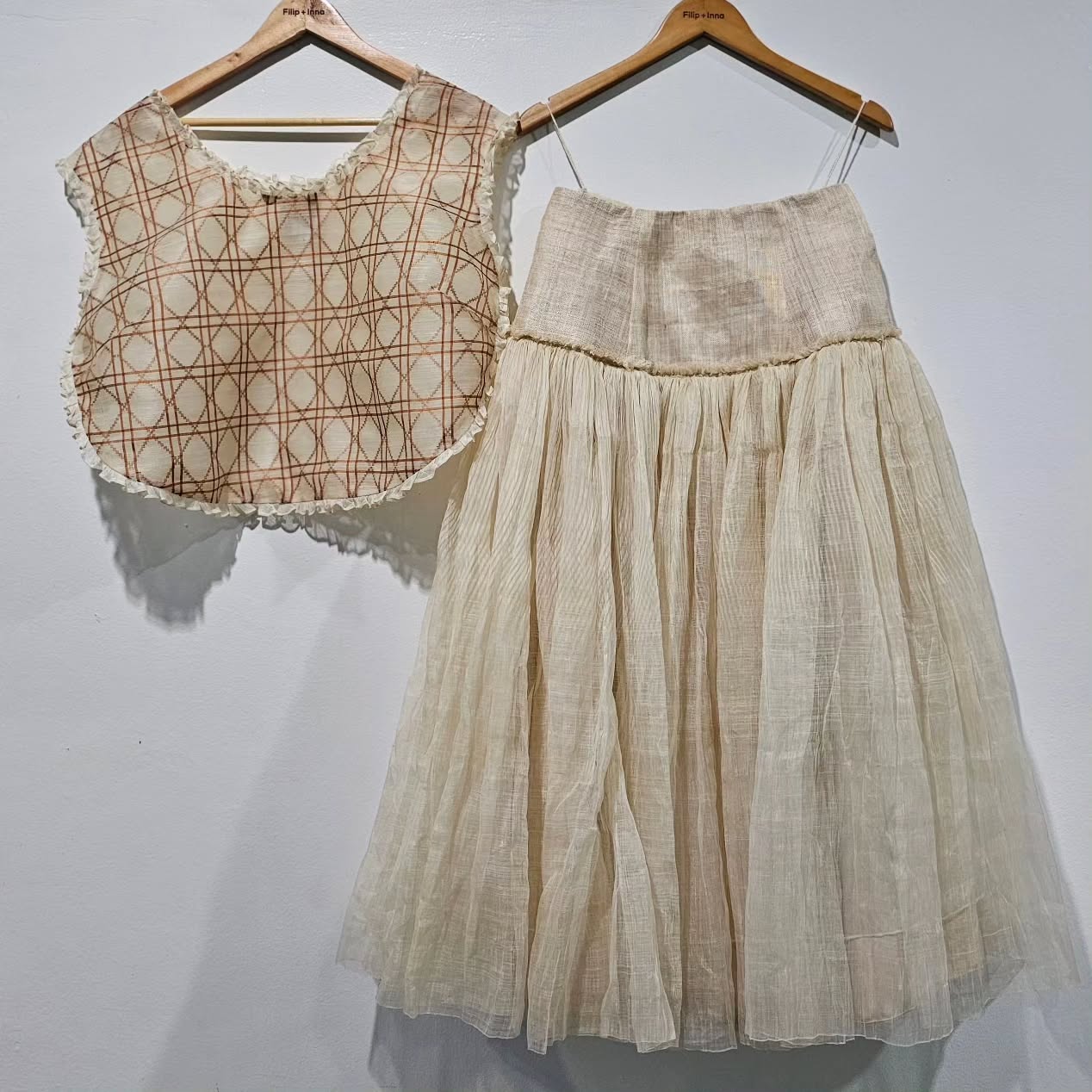
Lenora combines these natural fibers with opulent silk to further enhance her creations. The smooth, glossy texture of silk adds to the fluidity and sophistication of her designs, fusing the delicate grace of piña with the rustic beauty of abaca. This combination of materials produces items that are both up-to-date and rich in cultural heritage, striking the ideal balance between contemporary luxury and Filipino tradition.
Elle Karayan (Lydia Querian)
The rich cultural legacy of the Philippines is celebrated in Elle Karayan's designs, especially when native materials like hablon and T'nalak are used. The T'boli people of Mindanao weave T'nalak from abaca fibers, and it's renowned for its elaborate, symbolic designs that capture the T'boli culture's natural surroundings and spiritual beliefs.
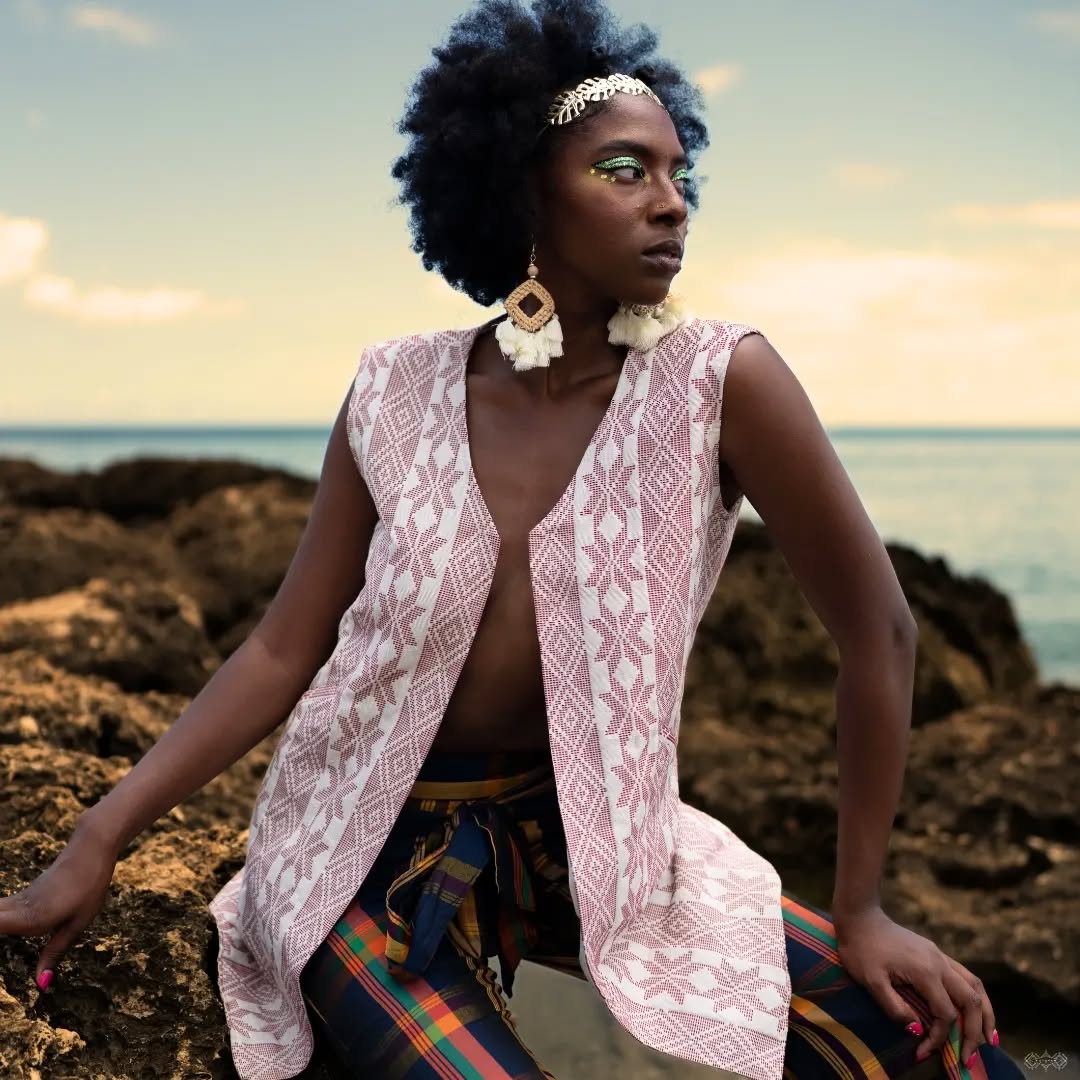
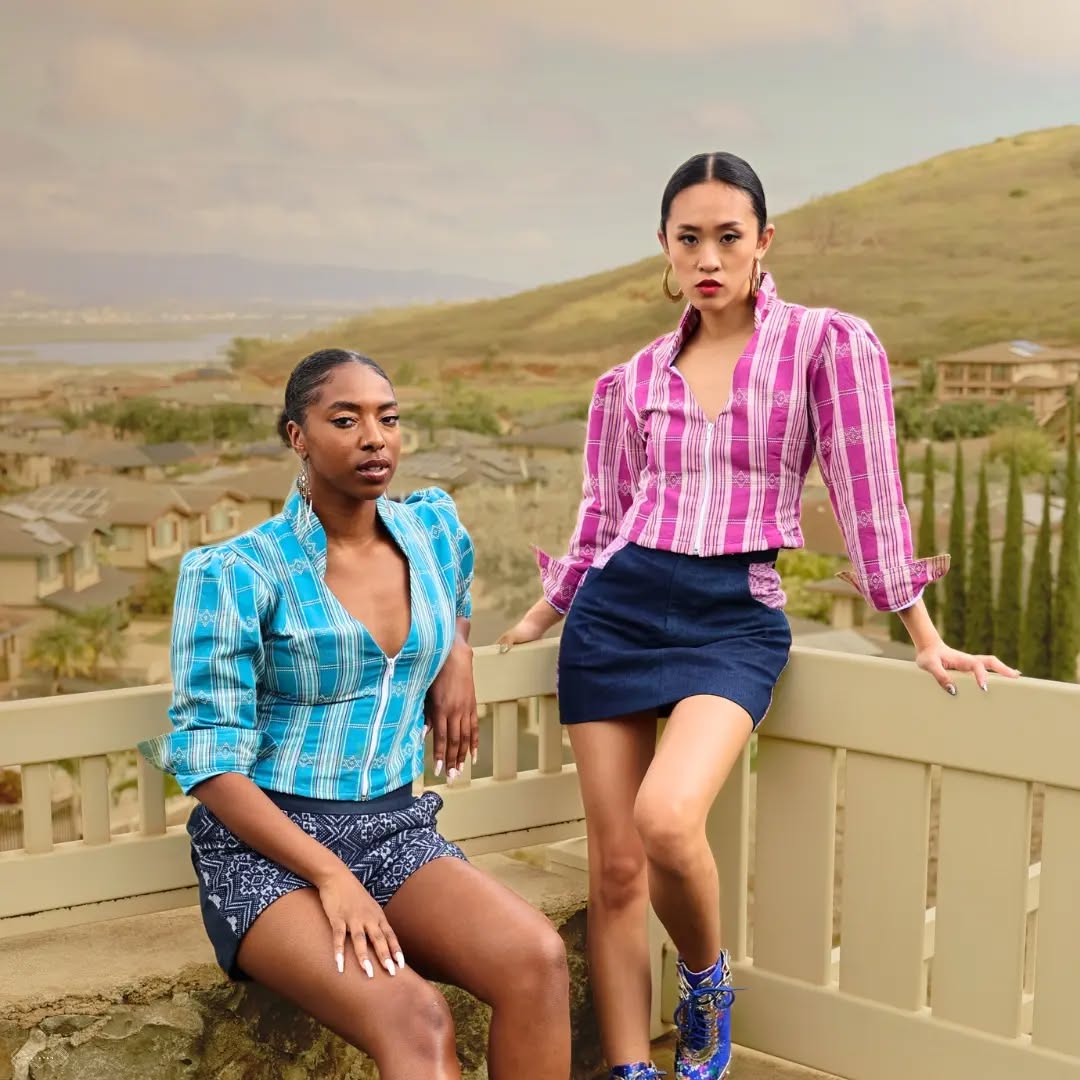
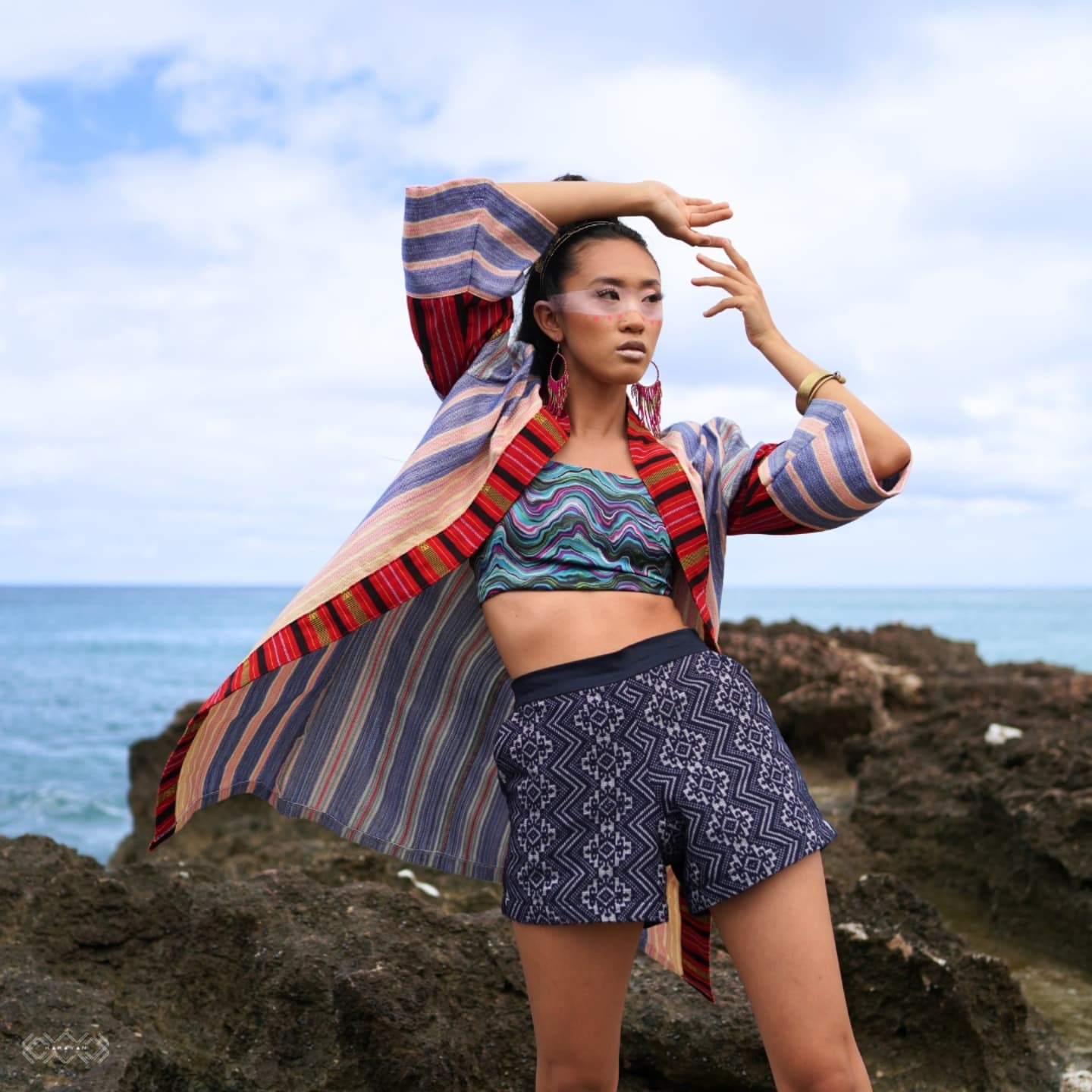
Similarly, hablon, a handwoven fabric from the Visayas, is known for its lustrous finish and smooth texture, crafted from silk, cotton, and abaca. Elle draws inspiration from local experiences, nature, and centuries-old weaving traditions, incorporating hablon into her designs. By blending its rich textures with modern silhouettes, she creates pieces that seamlessly merge heritage with contemporary style.
Lulu Tan- Gan
Filipino fashion designer Lulu Tan-Gan is renowned for blending traditional textiles with modern sophistication, with piña at the heart of her collections. She enhances its delicate, airy quality by pairing it with natural fibers like silk, cotton, and abaca, creating a rich interplay of textures and depth in her designs.
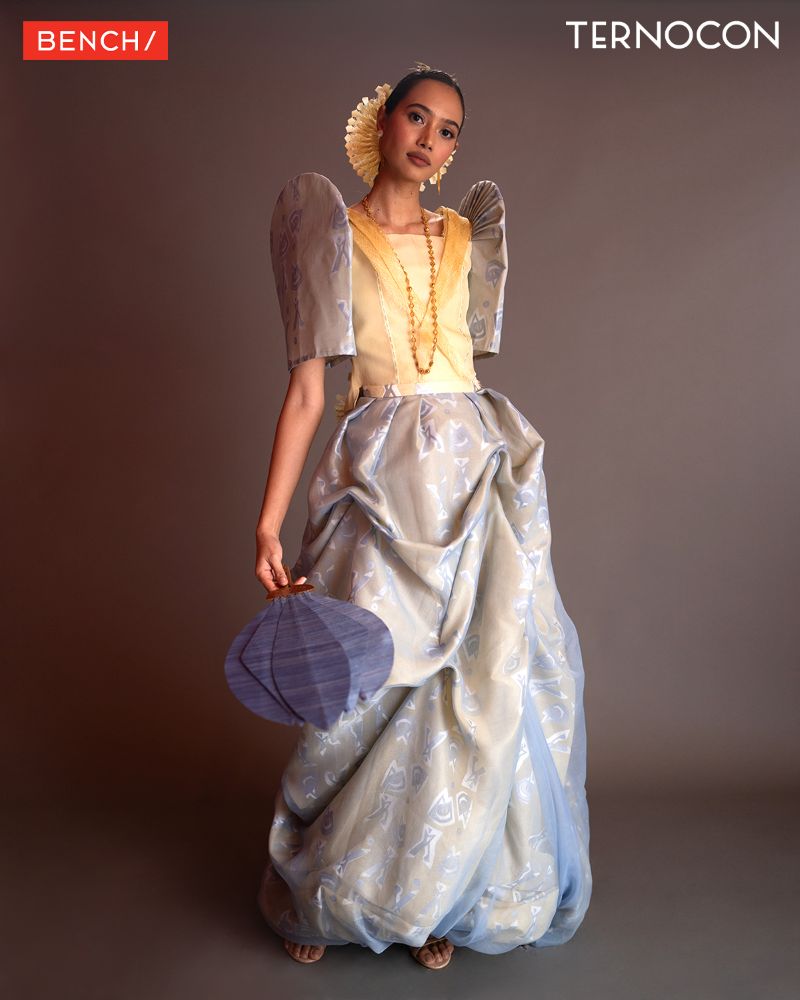
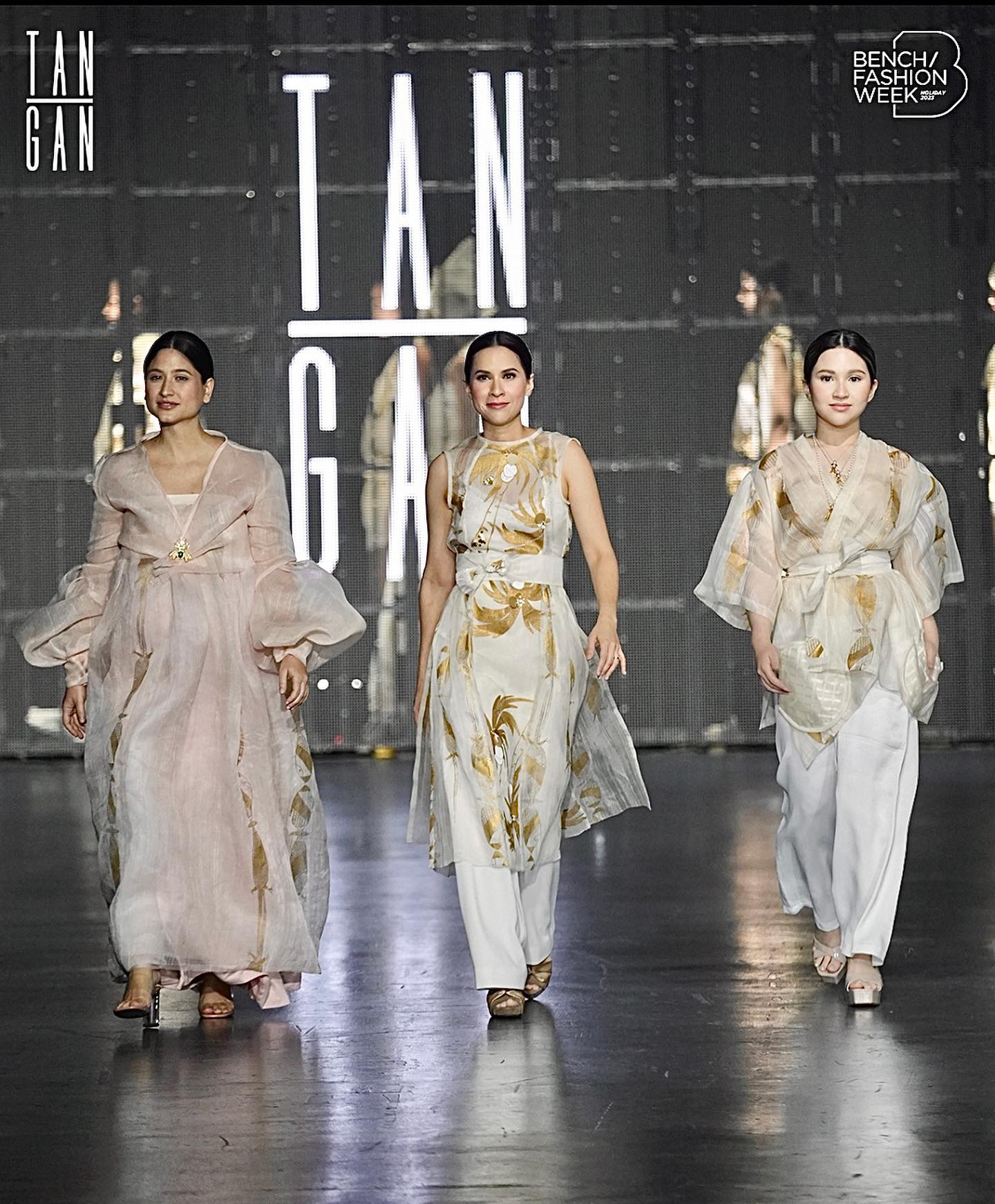
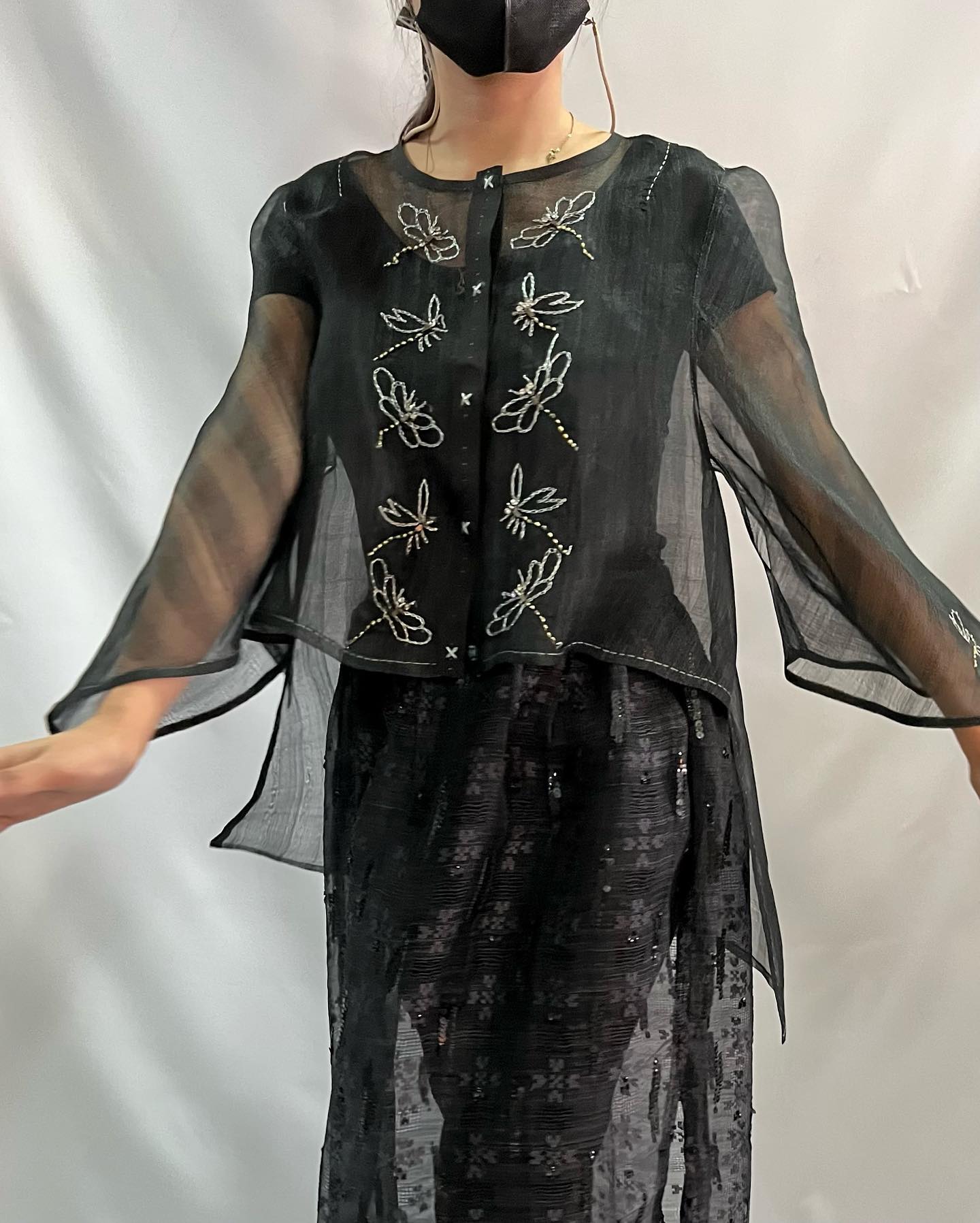
Lulu frequently incorporates piña into formal and evening wear, where its delicate texture and refined sheen enhance the elegance of her designs. Its natural iridescence lends a touch of sophistication, making it ideal for luxurious yet modern creations. In her more avant-garde collections, she sometimes deconstructs the fabric to craft experimental, artistic pieces, showcasing its versatility in contemporary fashion.
Jaggy Glarino
Buri palm, derived from the buri palm tree, is a natural material found abundantly in the Philippines, particularly Mindanao. This material is appreciated for its durability, texture, and sustainability, making it a perfect match for designers like Jaggy Glarino, who focus on eco-friendly fashion without compromising luxury and innovation.
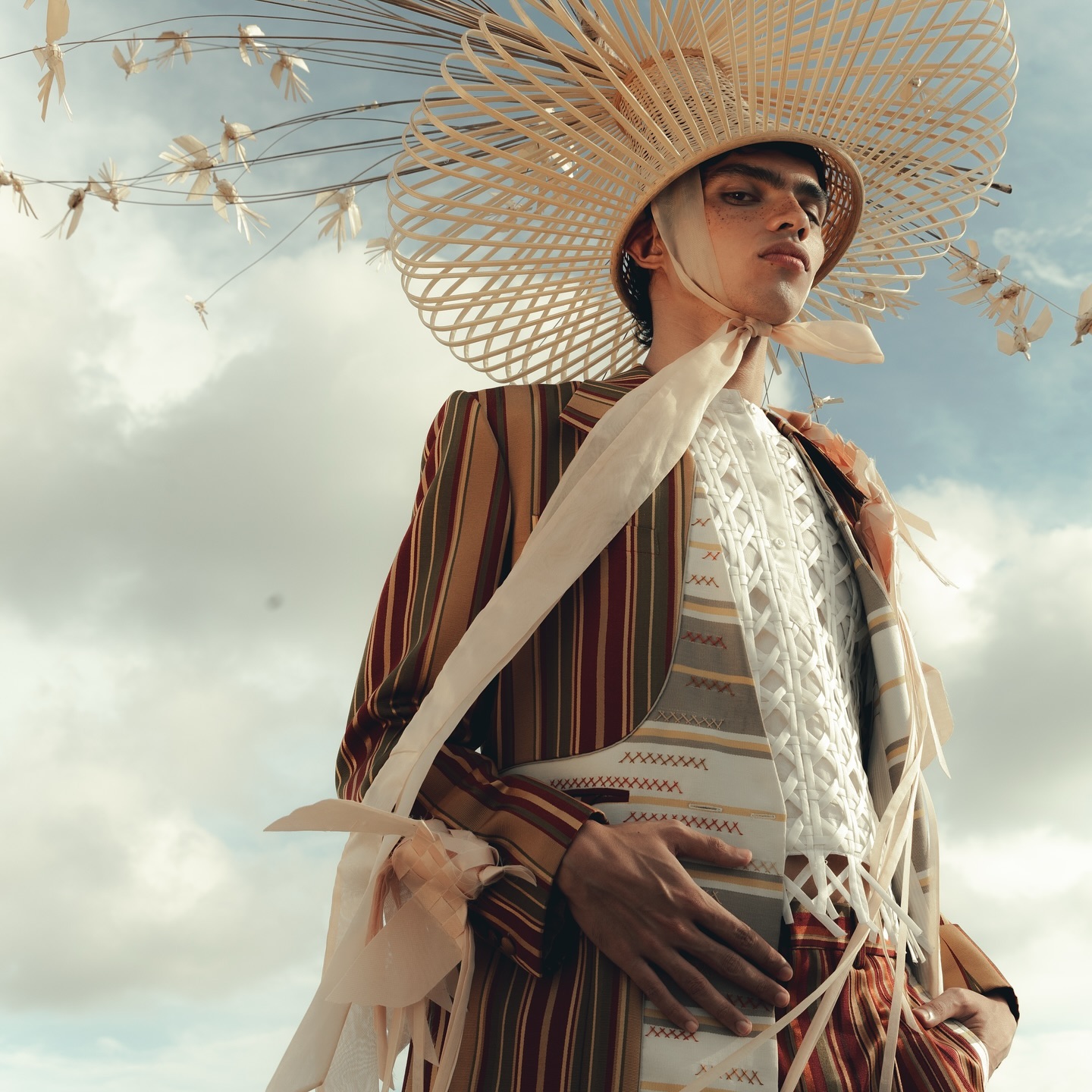
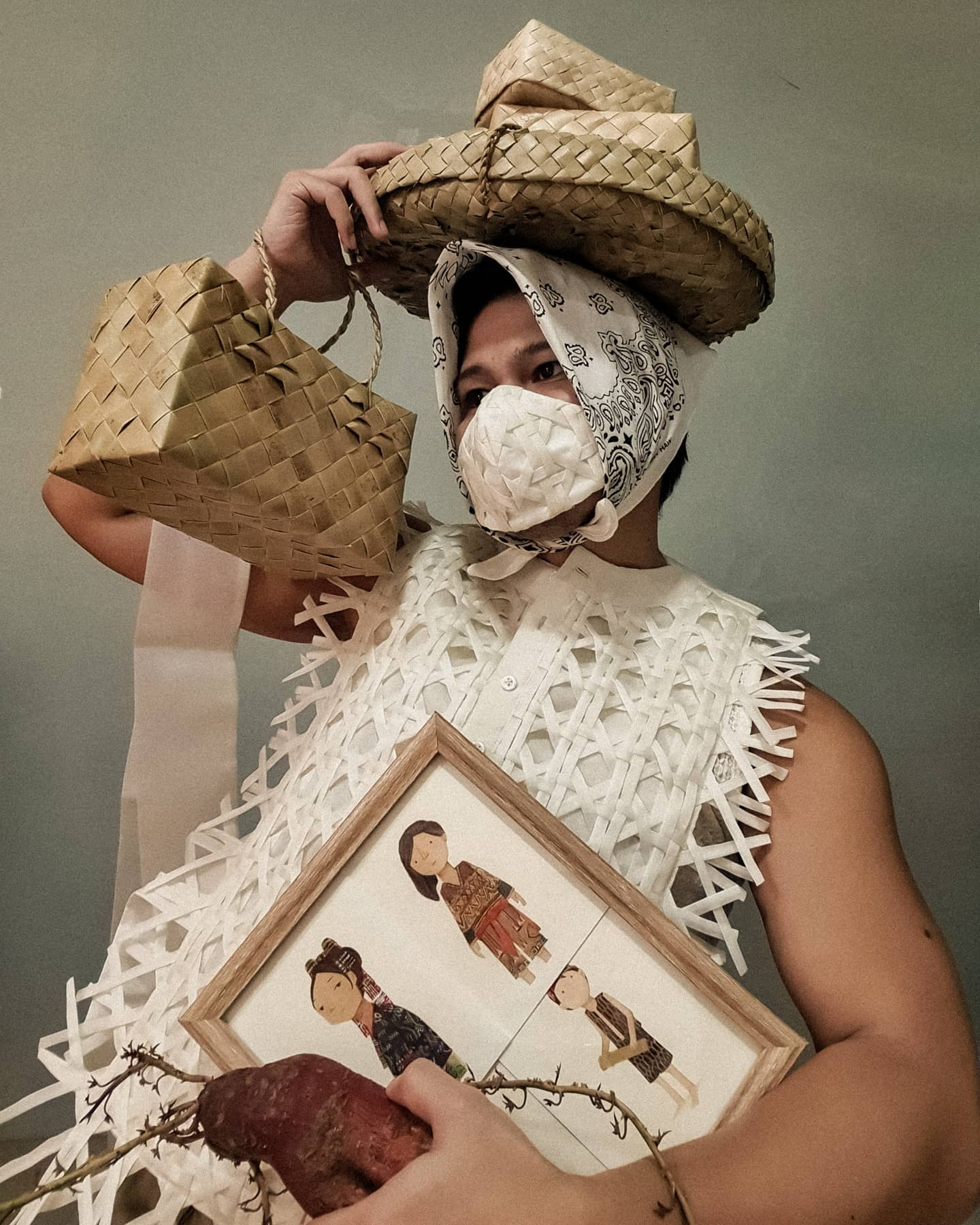
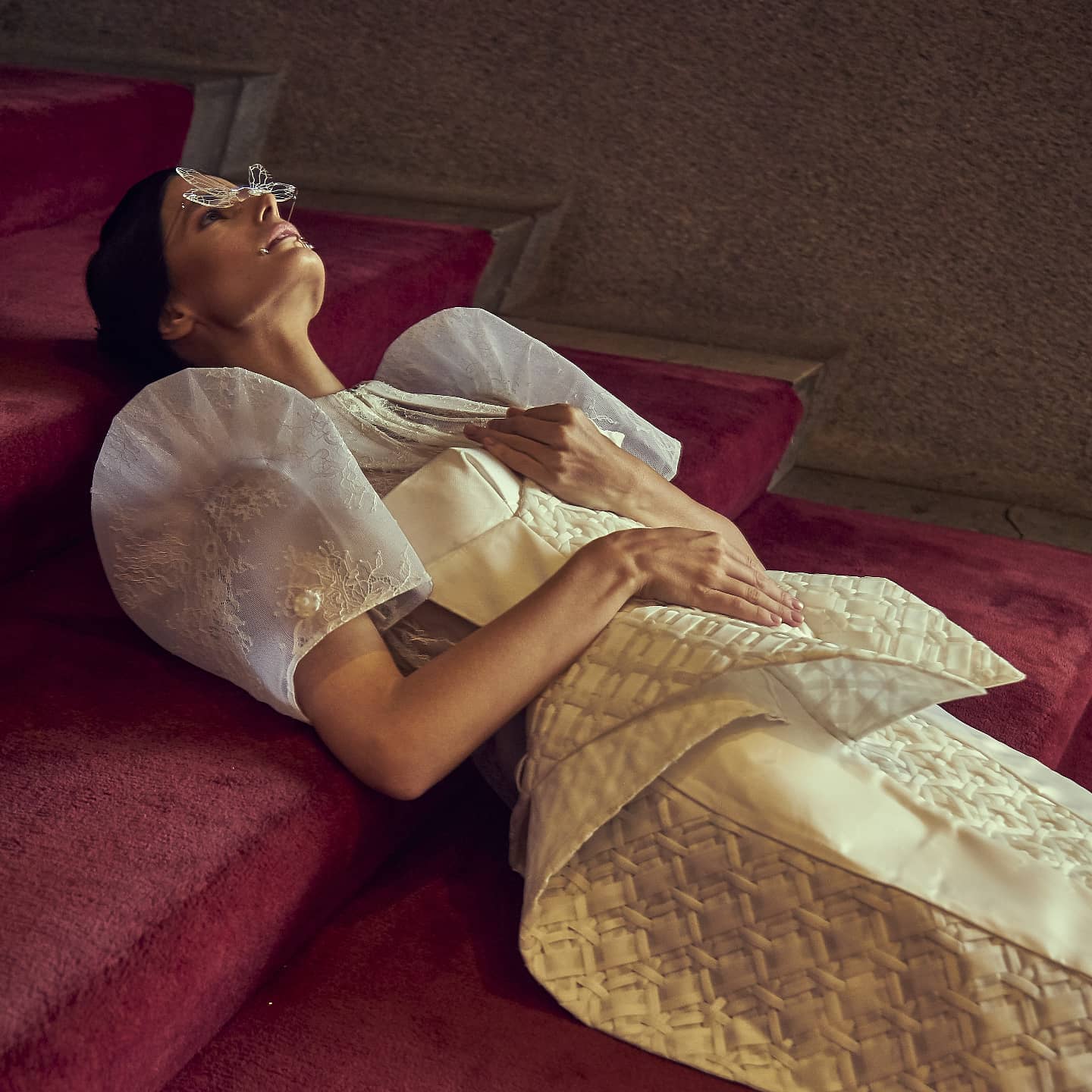
Jaggy integrates buri palm into his collections not just as an accessory but as a key design element, infusing his garments with a tactile, natural aesthetic. He often weaves it into intricate patterns or incorporates it into accessories like handbags, belts, and footwear, striking a balance between organic and modern. In some pieces, he takes it further, using buri palm in larger designs—such as dresses or outerwear—where its woven texture becomes a striking focal point.
Gabbie Sarenas
Gabbie Sarenas is known for her exceptional use of hand-stitched embroidery, a technique that plays a central role in her designs. This intricate, labor-intensive method allows her to create deeply detailed and textured patterns that elevate her garments to works of art.
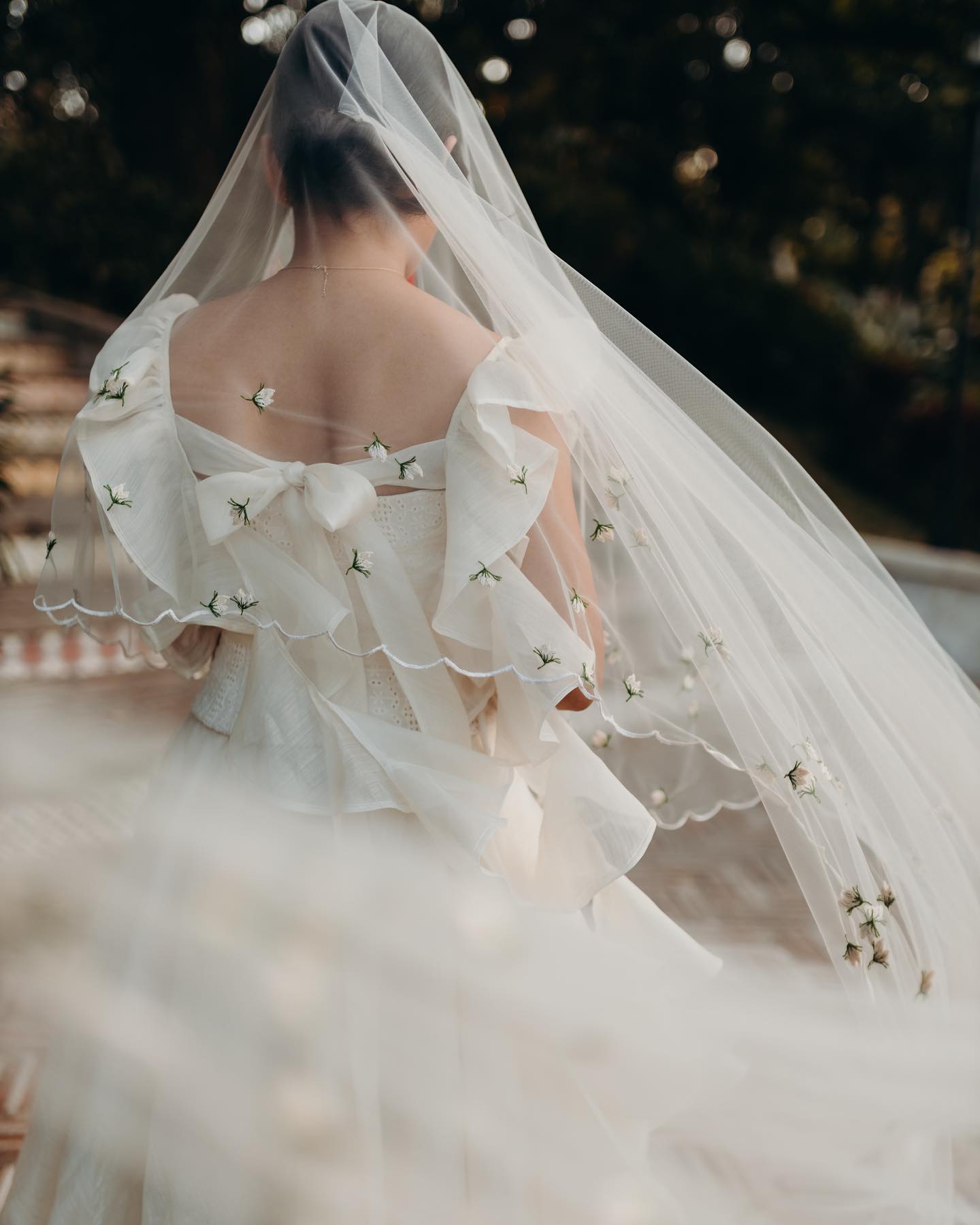
In Gabbie’s collections, the hand-stitched embroidery is often reimagined from tapis, a traditional Filipino garment, which features detailed needlework of symbolic designs. The use of hand-stitching allows her to integrate these traditional patterns into contemporary fashion, often adorning garments like structured dresses, flowing blouses, and outerwear.
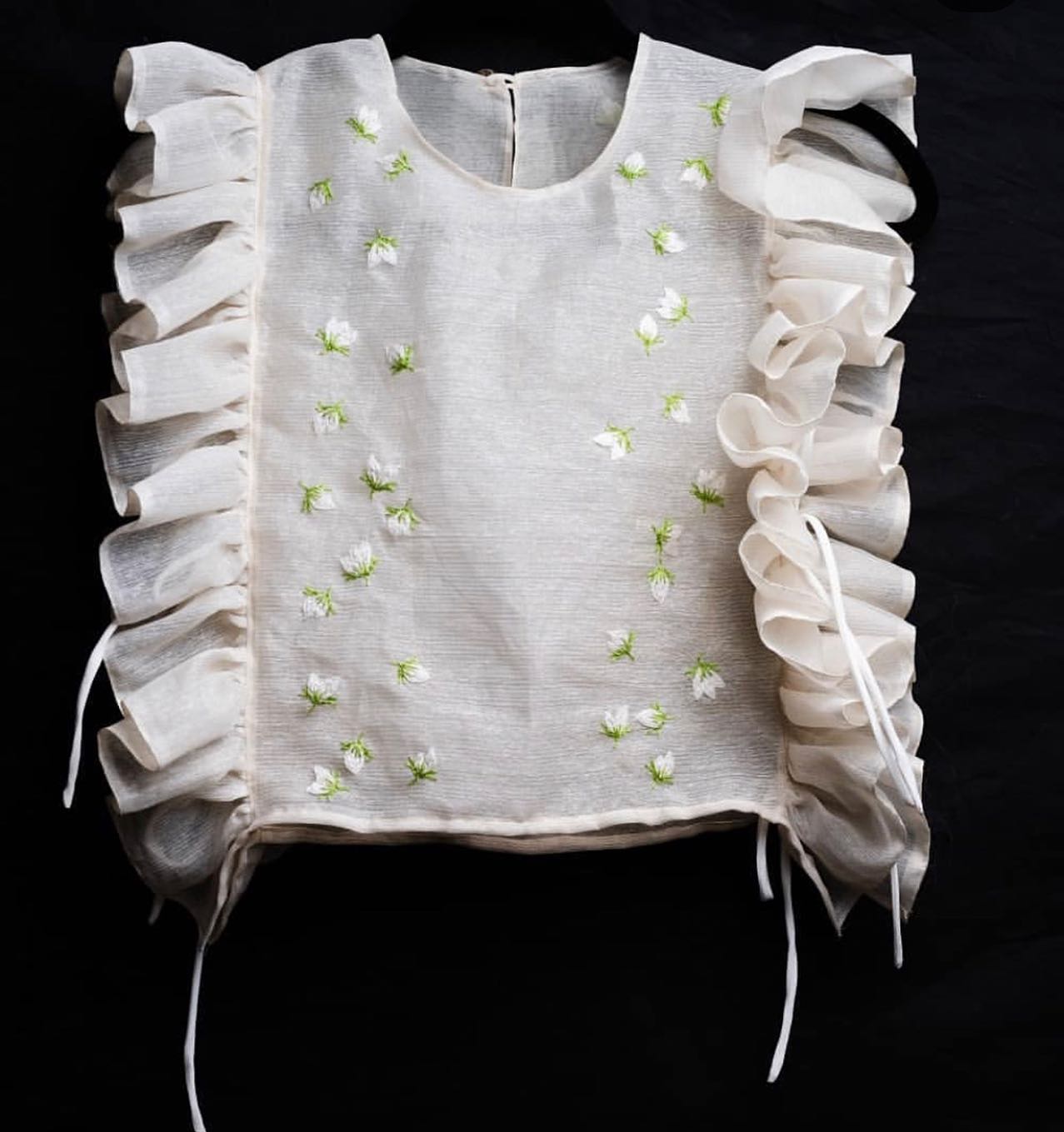
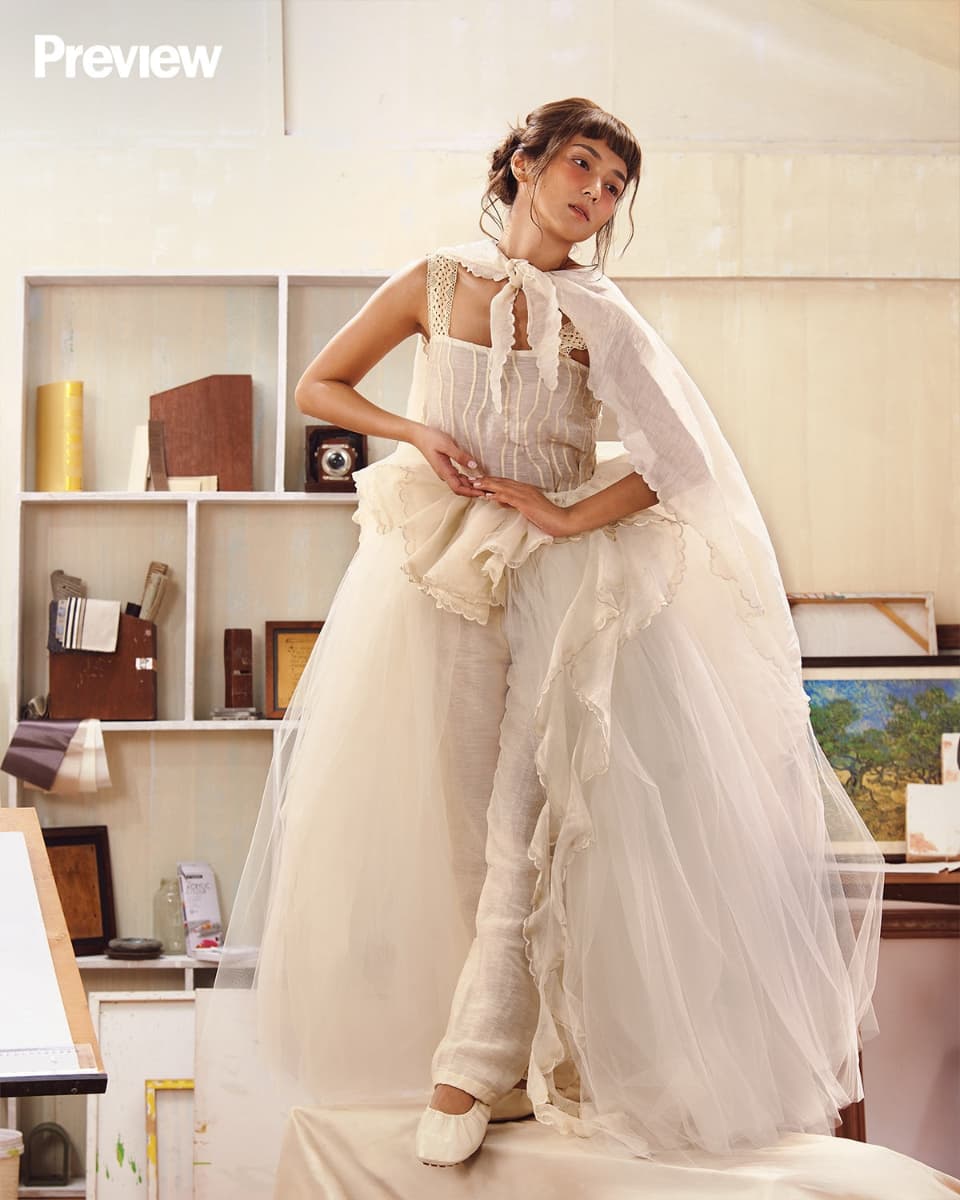
Gabbie combines silk, cotton, and metallic threads to add texture and depth to her embroidery, making it a standout feature in her designs. Thoughtfully placed along necklines, cuffs, and hems, the embroidery enhances the garment’s shape while adding a tactile dimension to her modern, minimalist silhouettes.
Hey, Preview readers! Follow us on Facebook, Instagram, YouTube, Tiktok, and Twitter to stay up to speed on all things trendy and creative. We’ll curate the most stylish feed for you!
