
Clare Waight Keller's journey as a fashion designer commenced at Calvin Klein in the '90s, followed by a significant chapter at Gucci under the tutelage of Tom Ford. When she went to Pringle of Scotland in 2005, a Scottish fashion brand specializing in cashmere knitwear, the British designer brought her design sensibilities to enrich its centuries-old heritage with modern flair. Her transformative tenure at Chloé from 2011 to 2017 garnered acclaim for her approachable yet refined aesthetic, and her stay as the artistic director of Givenchy from 2017 to 2020 revitalized the brand's ethos with a renewed focus on craftsmanship and couture (case in point: Meghan Markle's wedding dress in May 2018).
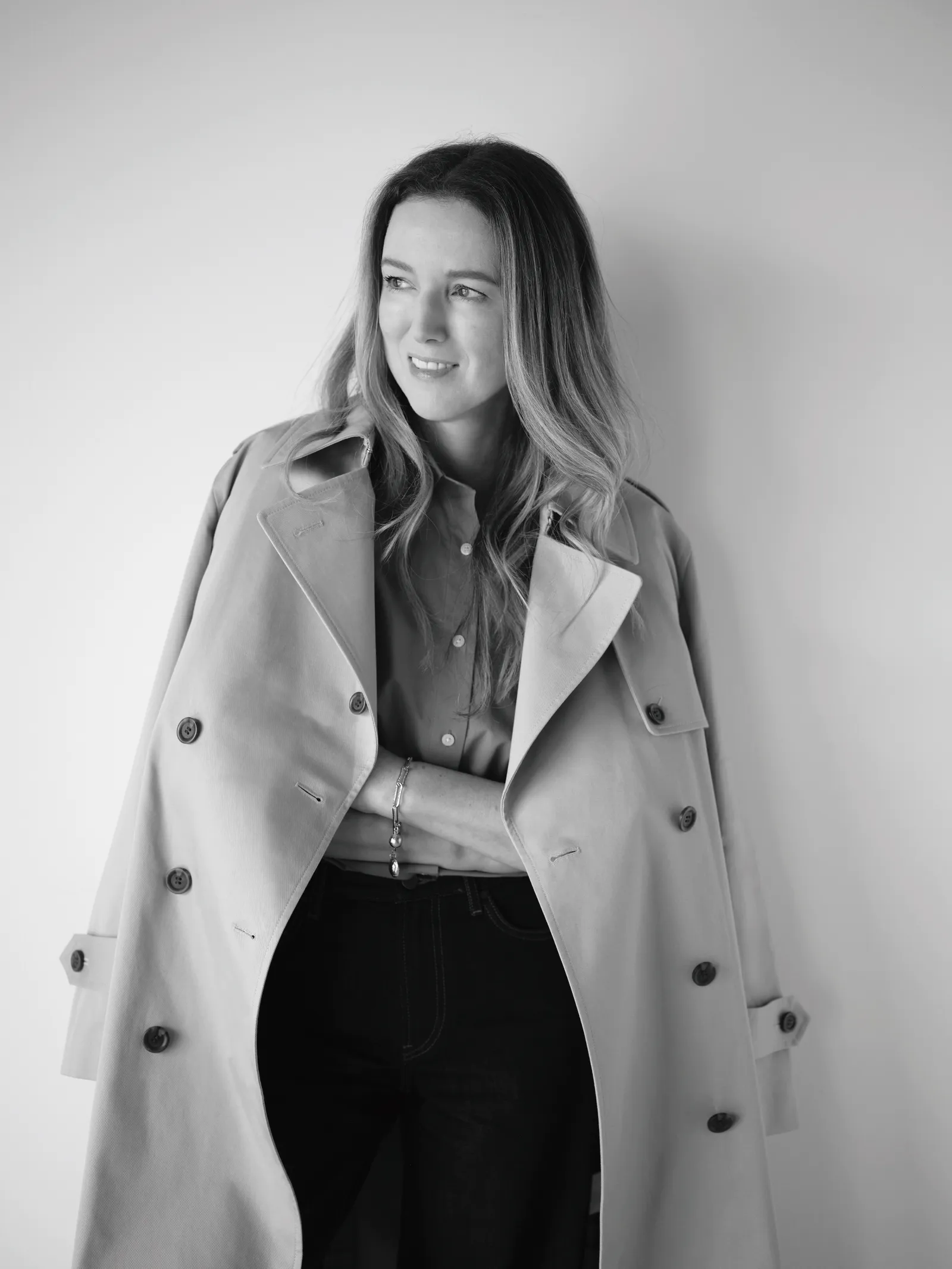
Partnering with Uniqlo, albeit a departure from her usual work with luxury fashion houses, is still a meaningful chapter in her illustrious career. According to the British fashion designer, her collaboration with the brand for the Uniqlo: C collection was fueled by a decade-long affinity for its ethos and products. Inspired by the brand's democratic approach to fashion, she saw an opportunity to merge her design sensibilities with Uniqlo's mass appeal, creating a collection that resonates with a diverse audience.
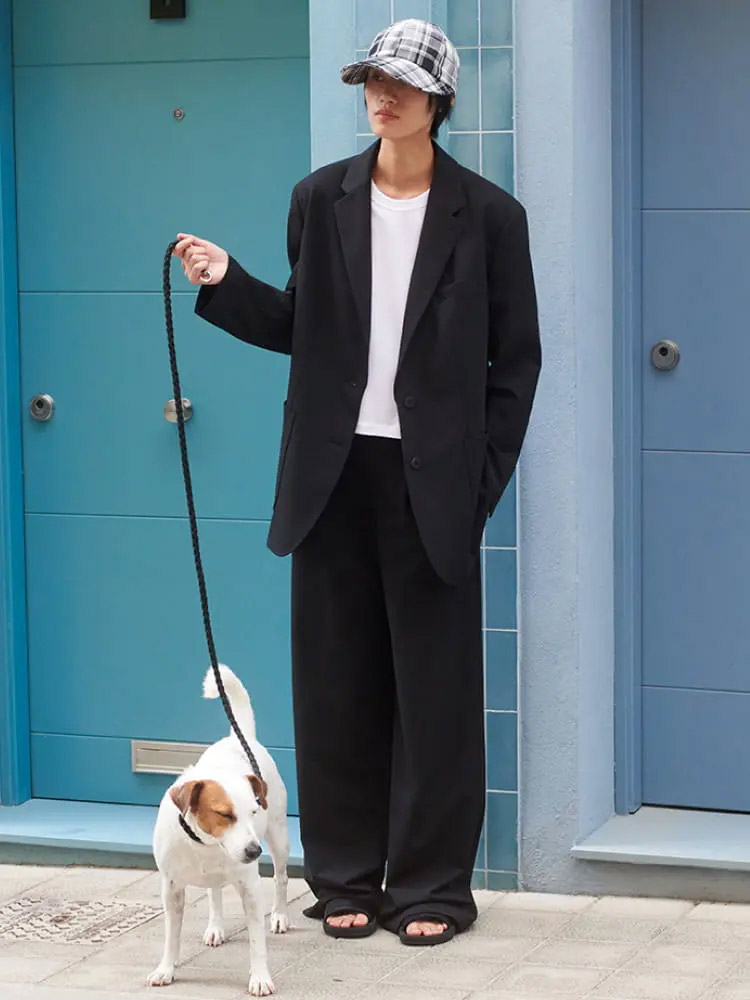
Central to the design process of the Uniqlo: C collection was Clare's commitment to simplicity and functionality, hallmarks of the Uniqlo brand. She approached each piece with a keen focus on personal style, ensuring that the garments not only exuded an air of effortless chic but also offered practicality and versatility for everyday wear.
In an exclusive interview with Preview, the British fashion designer sheds light on the collaborative process, her design approach, and the collection's impact on global fashion.
Preview Exclusive: Clare Waight Keller on Collaborating with Uniqlo, Her Design Process and Philosophy, and Fashion Sustainability
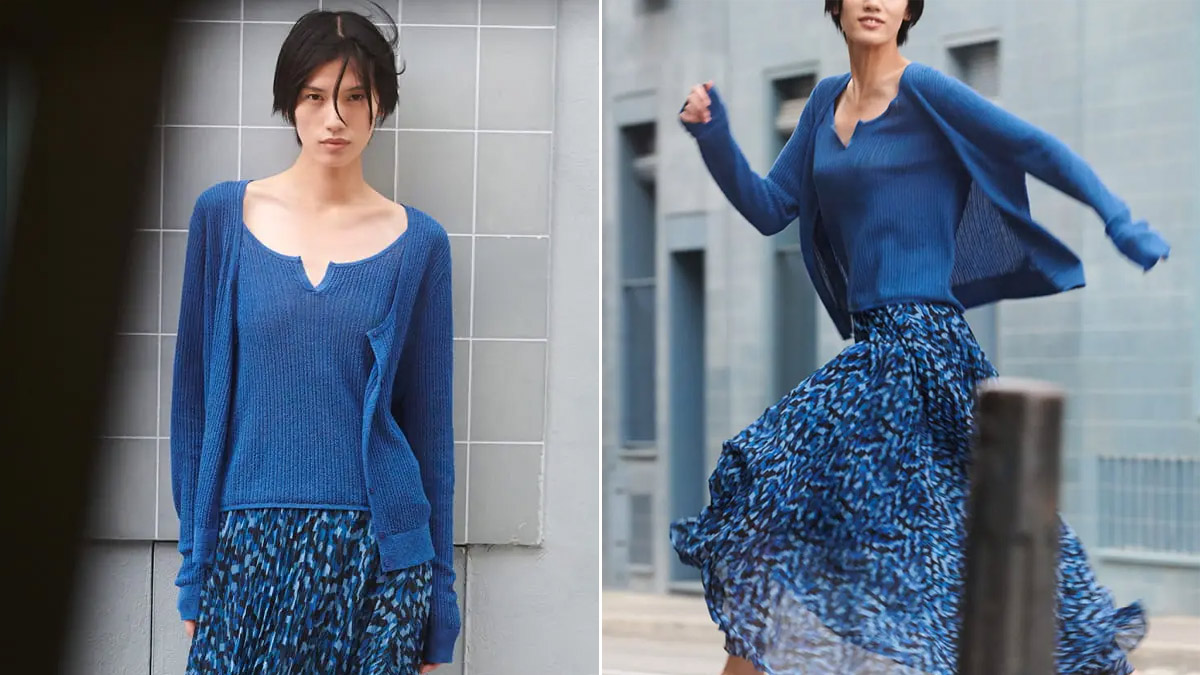
What inspired you to collaborate with Uniqlo for this collection, and what sets it apart from your previous collaborations?
"I was completely inspired to work with Uniqlo mostly because I’ve been a big fan of the brand for over a decade. I first understood and also found out about the brand through Jil Sander back when she started Uniqlo +J Spring/Summer Collection about 12 years ago. And through that collection, I really got to know the brand and also the type of product that they did, and I bought and wore many pieces over the years. Not only from Jil but from the other collaborations and also their main line.
"[The collection is] very familiar with what Uniqlo stands for, and I was really interested in working on it, and what sets it apart, really, from my previous work is that this is a brand that is very democratic and it’s working at scale and it’s working globally, so for me, this was a really interesting territory to get into; to really understand what people are buying, what people are wanting to wear, and how to create style for a huge audience from all different corners of the earth. So, this was something that fascinated me and I was really excited to be a part of."
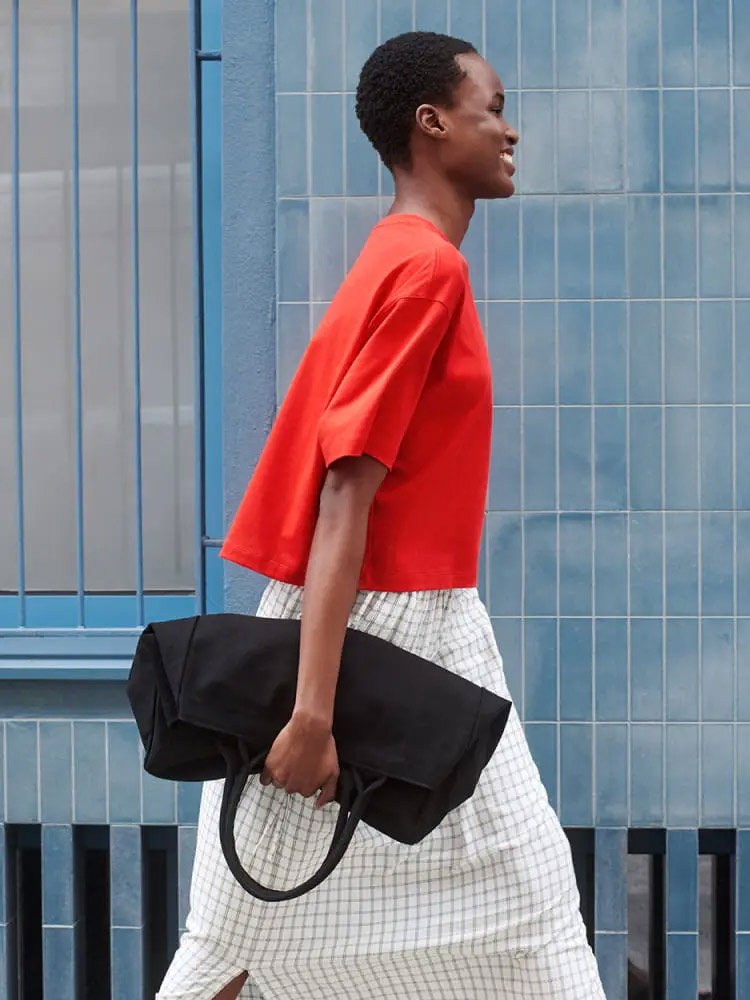
How did you approach the design process for the Uniqlo: C collection, considering Uniqlo's ethos of simplicity and functionality?
"I started my Uniqlo: C collection from my personal point of view. It started the way I do for every collection, be it for a luxury brand, a couture brand, or equally for this brand, which is with a concept, an idea, fabrics, and colors. And I think for me the attitude is always really critical when you start, and so thinking about the outfits, thinking about the look, thinking about the personal style that you want to bring to a collection is really critical when you start designing."
What role did sustainability play in the creation of the Uniqlo: C collection, and what efforts were made to ensure its environmental impact was minimized?
"I think with every single collection today, we all think about the longevity of clothes, and I think, for me, what is interesting about Uniqlo is I have and still wear pieces from over 10 years ago. And I think that’s the true answer to sustainability, is to actually just wear the clothes the longest possible, and for them to have a life in your wardrobe as long as possible.
"And I think, obviously, fabric, sourcing, and the way you produce the clothes has equal importance, but longevity is ultimately the best solution for all clothing, and I think just to buy carefully and a considered way, and pieces that really enhance your wardrobe that are not trend-based, are really working towards a more sustainable wardrobe solution as well."
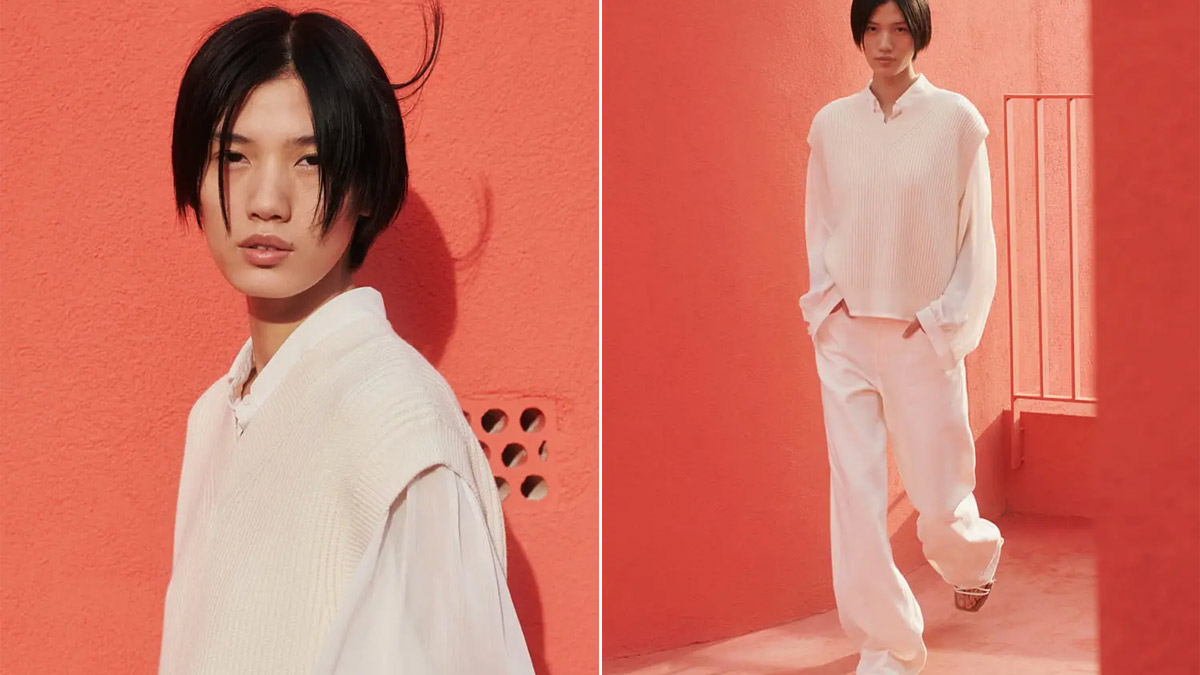
How do you envision women incorporating pieces from the Uniqlo: C collection into their everyday lives, particularly with the tropical Manila weather in mind?
"I think this is what has been fascinating for me, is working with a brand such as Uniqlo where you really touch on people all across the globe, and people who often live in subtropical climates. I think it’s particularly difficult to imagine how to live in that environment when you live in the West because we very much are still in an extremely seasonal pattern of weather, whereas in the subtropics, it’s summer all the time mostly, and with differing variance of humidity.
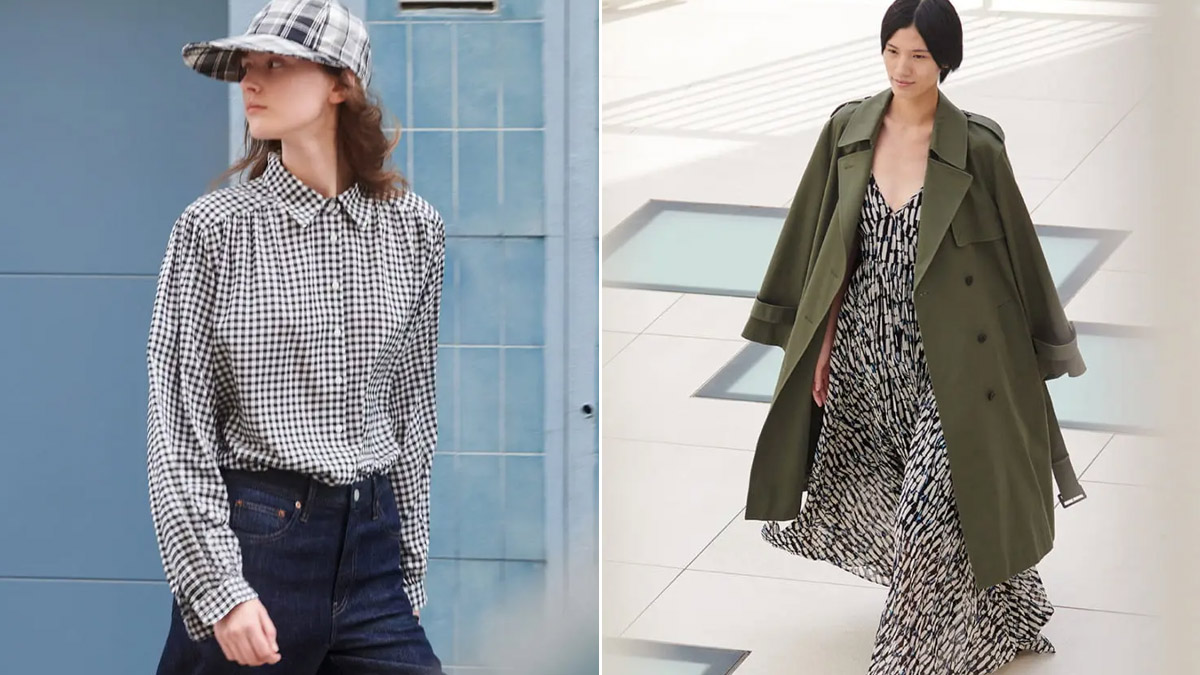
"I think that’s why for me, especially with each of the collections I’m creating, I’m really looking at the weight of the fabric, the breathability of the fabric, the use of the fabric, and the proportions. So, everything that I design has a sense of airiness to it, a sense of movement, so wherever you’re out and you’re walking, there’s a lightness and the pieces hang a little away from your body, so there’s always this air circulation around. I think it’s also about super light layering. So even when I’m designing a winter collection, the layers are always light, and you build them up in layers."
Collaboration often involves compromise and synergy between creative visions. Can you share any challenges or highlights you encountered while working with Uniqlo on this project?
"Absolutely, there are always going to be moments where you have to think carefully about your choices, but I think the challenges have been actually benefits, and I think by looking at things through a different lens, through this lens of democratic fashion, is really looking at not only basic items, but beautiful items, timeless items, that have longevity, and will last the test of time even at this price point, has been a really interesting exercise and it’s been one that I’ve been able to successfully achieve with the collection."
In what ways does the Uniqlo: C collection reflect your personal design philosophy, and how do you see it resonating with the brand's global audience?
"My personal design philosophy is all about effortlessness and timelessness, and I think it’s something that I root for myself in my wardrobe and my everyday life is to find a really effortless sense of style and clothing that really works hard, so if I’m buying three or four pieces, I know that I can combine them in different ways, I can work them into my normal wardrobe, and I can really create something that has great efficiency in my wardrobe, as well as great style. And I think that’s the perfect blend of the perfect piece in your wardrobe."
As a designer with a diverse portfolio spanning from haute couture to ready-to-wear, how do you adapt your creative process when designing for a mass-market brand like Uniqlo?
"I think for me it’s really not been that much of an adaptation because I take the same principles but I’m just applying it to a different price point. I don’t think quality necessarily is a hindrance to design, I think design—beautiful design—is priceless, it’s free, it’s something you design with the intention of it being beautiful and simple. Where it’s priced is just a matter of which company you’re working in, and I think, obviously the materials make a difference, but the principles, the attitude, the intelligence to the design, the carefulness is what’s important when you’re looking at any collection that you design."
Looking ahead, what do you hope audiences take away from experiencing the Uniqlo: C collection, both in terms of style and broader cultural impact?
"I think for me it’s really an interesting project for me because I get to talk to so many more women than I’ve ever done in my whole career, and actually reach women in a really affordable way. I think for a long time, I’ve been lucky enough to have a large audience of people who greatly admire my work but have never really been able to afford it, and now, I can really reach out and give great design and also fantastic wardrobe solutions, timeless, effortless, beautiful style, and I hope that that brings something into their lives that’s less basic and beautiful; something that really brings fantastic piece into their wardrobe that gives them confidence and great style in a really timeless but also really chic way."
Hey, Preview readers! Follow us on Facebook, Instagram, YouTube, Tiktok, and Twitter to stay up to speed on all things trendy and creative. We’ll curate the most stylish feed for you!
