
The National Commission for Culture and the Arts (NCCA) and the Cultural Center of the Philippines (CCP) has announced the opening of nominations for the National Artist Award. Among the personalities long advocated for this recognition is Apo Whang-Od, but as the Internet is shocked to find out, she's not eligible for the award.
Whang-Od is the 106-year-old legendary Filipina artist from the Kalinga province who gained international recognition for her traditional hand-tap method of tattooing known as “pagbabatok." Online campaigns for Whang-Od to become a National Artist have been around since 2015.
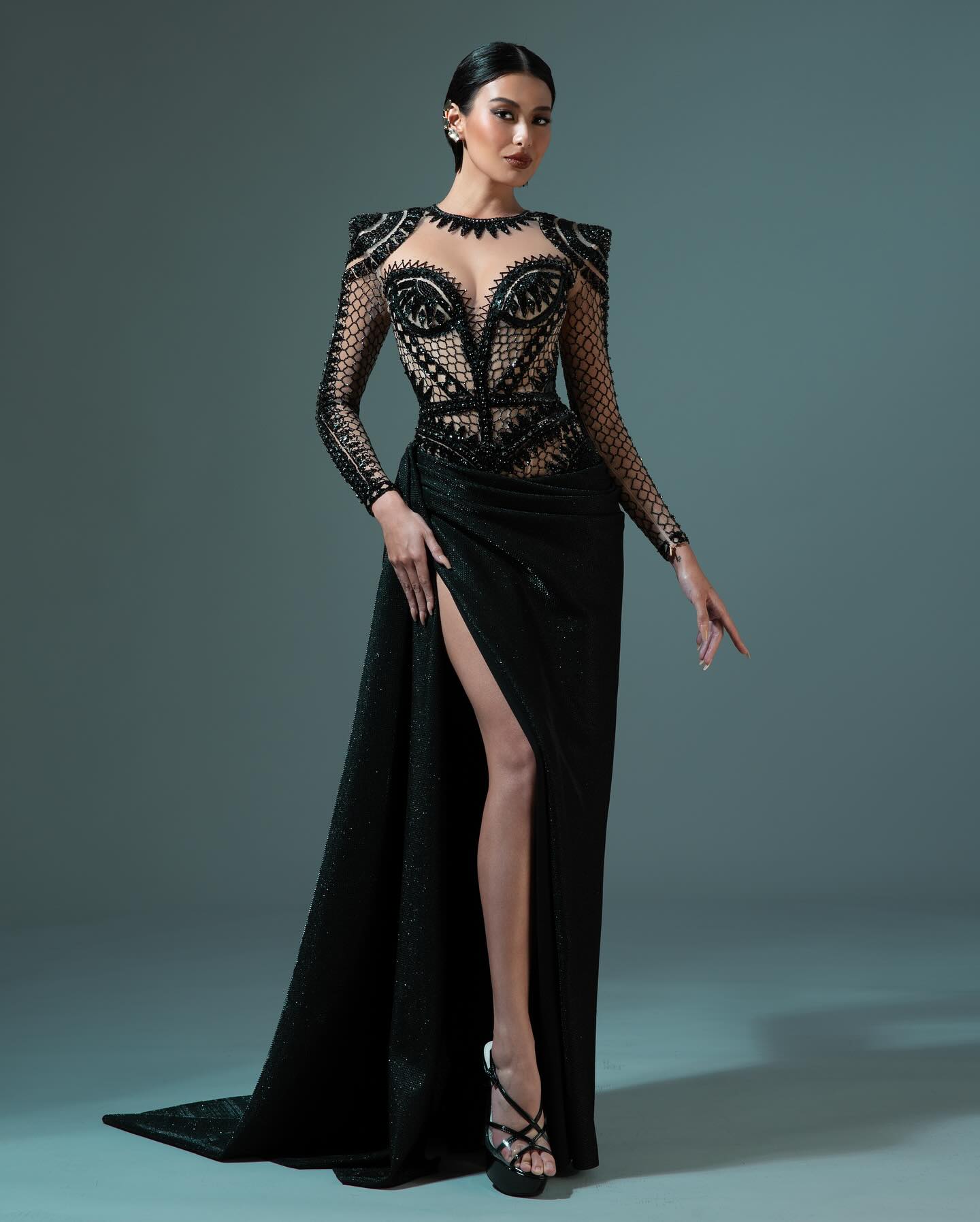
Her nomination makes sense given her influence and impact on Philippine culture. Just this year, she was the inspiration behind Michelle Dee’s black evening gown in the finals of Miss Universe.
However, NCCA Chairman Victorino Manalo said Whang-Od's expertise doesn't align with the specified qualifications outlined in the guidelines for selecting a national artist. He argued that Whang-Od's aligns more with the Gawad sa Manlilikha ng Bayan (GAMABA) or the National Living Treasures Award, for which she was formally nominated on October 20.
"Unang-una, ang artistic field ni Whang-Od ay hindi sa national artist papatak kundi sa GAMABA, Gawad sa Manlilikha ng Bayan. Pang-GAMABA talaga ang kaniyang field, pero nagkaroon na ng discussion tungkol sa kaniya and nagkaroon ng desisyon na hindi siya bibigyan,” Manalo told reporters at a press conference.
How is Gaward sa Manlilikha ng Bayan (GAMABA) different from the National Artist Award?
Both the National Artist Award and the GAMABA are prestigious honors in the Philippines organized by the NCCA, but each has its own distinct criteria for recognition.
The National Artist Award celebrates individuals who have made significant contributions to Philippine arts and culture, having recognized 81 luminaries such as Fernando Amorsolo, Nick Joaquin, and Nora Aunor. Beyond the P200,000 cash prize, becoming a national artist comes with several benefits: a minimum lifetime monthly stipend of P50,000, a gold-plated medallion by the Bangko Sentral ng Pilipinas, a life insurance policy, a place of honor at state functions and ceremonies, medical and hospitalization benefits, and a state funeral prepared and paid for by the government at the Libingan ng mga Bayani.
On the other hand, the GAMABA focuses specifically on honoring traditional folk and indigenous artists for preserving and propagating cultural heritage in the Philippines.
The GAMABA is institutionalized through Republic Act No. 7355, which recognizes “a Filipino citizen engaged in any traditional art uniquely Filipino whose distinctive skills have reached such a high level of technical and artistic excellence and have been passed on to and widely practiced by the present generation in his/her community with the same degree of technical and artistic competence.”
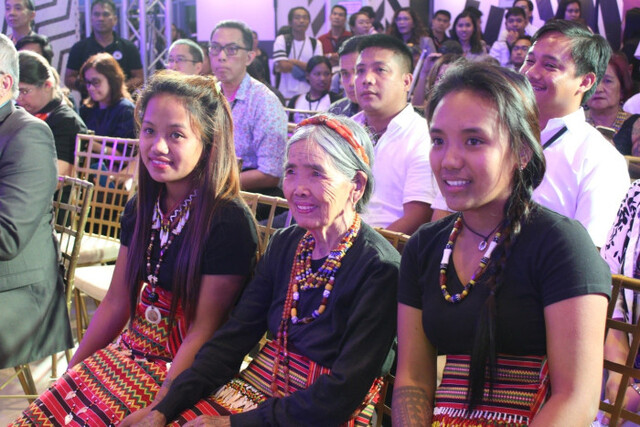
Whang-od is widely known for the cultural significance of her craftsmanship, drawing visitors from different parts of the world to witness and receive traditional Kalinga tattoos from her. She uses thorns from pomelo trees in bamboo sticks and soot as ink to create intricate designs rooted in her cultural heritage.
“Actually, in the first place, we never had any nomination for Whang-Od for the national artist. The nomination we have had was really for the Gawad sa Manlilikha ng Bayan,” NCCA Deputy Executive Director Marichu Tellano was quoted as saying. “’Yung works niya kasi is really a reflection of the community that she belongs to. It is a work that symbolizes the tradition but there are a lot of things being considered as well with the council of the Gawad sa Manlilikha ng Bayan. It’s a long discussion."

Discussions about Whang-Od's recognition as a National Artist continue. As of now, she remains a nominee for the GAMABA, with ongoing deliberations by the committee. This nomination brings her one step closer to becoming a National Living Treasure, an honor that would immortalize her legacy in the annals of Philippine cultural history.
“Apo Whang-Od’s impact extends farther than her village. Her presence brought new life in appreciating our traditional art sand she now stands as the living embodiment of the Philippine culture’s unwavering resilience against the test of time,” Acting Governor of Kalinga James Edduba said. “I can’t think of anyone more deserving of recognition than Apo Whang-Od.”
This story originally appeared on Spot.ph. Minor edits have been made by the Preview.ph editors.
Hey, Preview readers! Follow us on Facebook, Instagram, YouTube, Tiktok, and Twitter to stay up to speed on all things trendy and creative. We’ll curate the most stylish feed for you!
