
One of the most worn fashion jewelries, rings are a dime a dozen. You can buy them anywhere from small kiosks, trendy online shops, to designer boutiques. The price you can get them for varies depending on what they’re made of, and most recently, netizens found out that you can even craft one out of a P10 coin.
What is the viral P10 coin ring from Siquijor?
Last December 2024, word of jewelry made out of Philippine coins made rounds online after a foreign tourist posted about the beachfront business on social media. According to travel vlogger Kara Wildbur, while on vacation in Paliton Beach, San Juan, Siquijor, she was approached with an offer to turn a P10 coin into a ring. “This is definitely one of those times where I took a big gamble,” she said in the video.
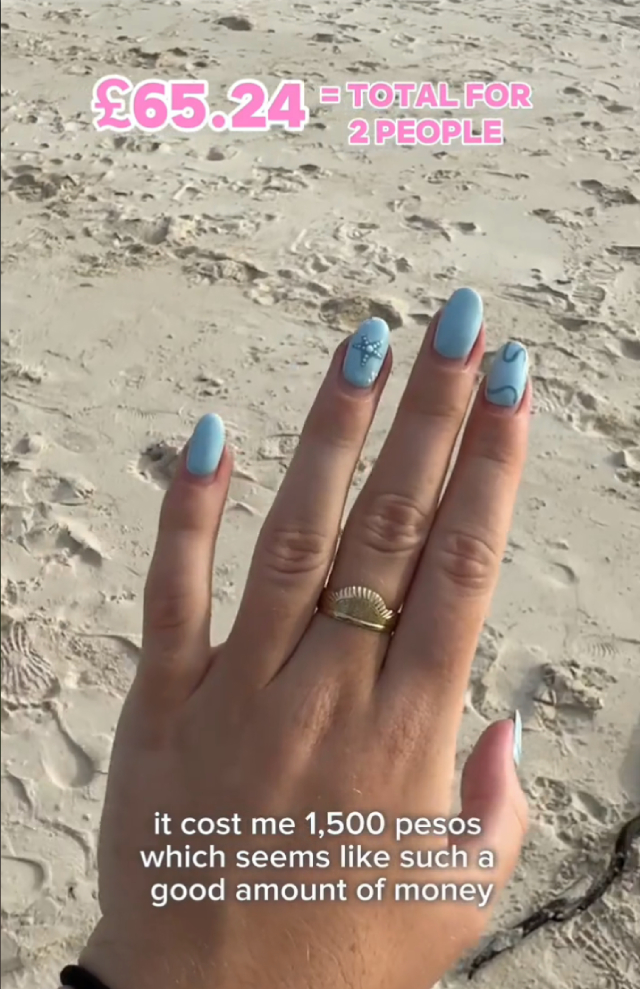
As seen in the clip, a group of local artists took the inner core of a P10 coin, made of aluminum bronze, and hand-carved it to make jewelry. They even asked Wildbur if she had a specific design in mind. The end result was an intricately-crafted ring designed after a sunset, which even bore engravings of her and her partner’s names. The ring took 45 minutes to make and was priced at P1,500.
While the process drew amazement from foreigners, Filipino netizens quickly flooded the vlogger’s post with concern over the business’ legality. As several users pointed out, the group of artisans were in violation of Presidential Decree No. 247, which prohibits the defacement, mutilation, or destruction of Philippine currency. “That is punishable by law. The people in your video might be put in jail,” said one netizen.

Bangko Sentral ng Pilipinas arrests P10 coin ring makers
On January 6, 2025, the Bangko Sentral ng Pilipinas along with local police reportedly arrested five individuals in Siquijor responsible for the viral rings. Several test buy operations were conducted by authorities to confirm that they were offering the rings to tourists, especially if they were foreigners.
As per the BSP, the men are not local residents and made up to P50,000 a day from 20 to 30 rings. “In the Philippines, this is prohibited since the coins are property of the Republic of the Philippines. We should protect them because producing coins is costly,” explained Mark Fajardo, senior investigation officer of the BSP-Payments and Currency Investigation Group.
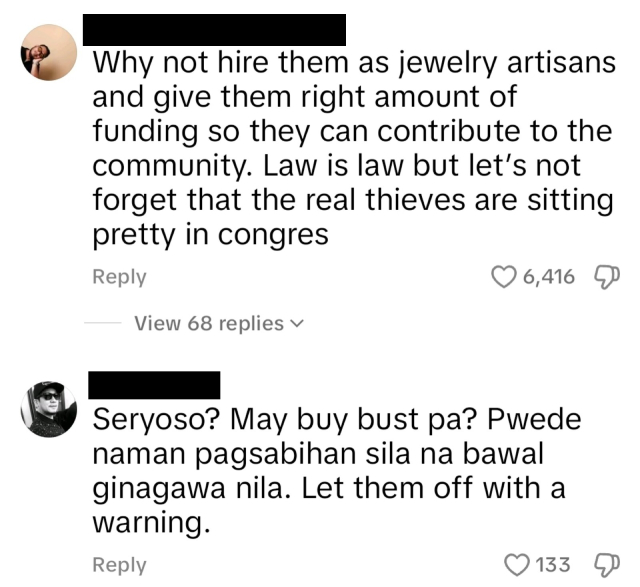
News of the arrest received mixed reactions from netizens with some wondering why they weren’t given a warning first before being detained. Others came to their defense, suggesting that they simply might not have known of the law.

The five suspects are currently being detained at the San Juan Municipal Police Station.
Hey, Preview readers! Follow us on Facebook, Instagram, YouTube, Tiktok, and Twitter to stay up to speed on all things trendy and creative. We’ll curate the most stylish feed for you!
