
Shopping while on vacation always hits different—until you check the receipt. Luckily for foreign tourists in the Philippines, they will now be able to get a refund on the 12% value-added tax (VAT) they pay on certain purchases.
Signed into law in December 2024, the Republic Act 12079 or the VAT Refund for Non-Resident Tourists Act is our attempt to catch up with other travel destinations that already offer this kind of perk to boost visitor spending. This way, tourists can splurge on souvenirs without feeling bad about the cost.
Under the newly signed implementing rules and regulations (IRR), tourists holding foreign passports who are not residents of the Philippines can apply for a VAT refund on goods worth at least P3,000 per transaction in participating retailers. Only physical items for personal use—think food, clothing, electronics, accessories, and souvenirs—are eligible.
Here’s the catch: Foreign tourists can’t use them while they’re still in the country. To qualify for the refund, the items have to leave the Philippines with them, unused, as part of their luggage within 60 days of purchase.
How to get a VAT refund as a tourist in the Philippines
While the system isn’t fully operational yet, the IRR gives government agencies the green light to begin setting up the necessary infrastructure. Full implementation is expected in the coming months.
That said, how tourists can claim the VAT refund is still unclear. If the setup ends up being similar to what other countries like Japan are doing, Rappler reported that tourists may need to present their passports to prove non-resident status, along with receipts and possibly a boarding pass. Refund counters could pop up at airports before departure or even inside accredited stores.
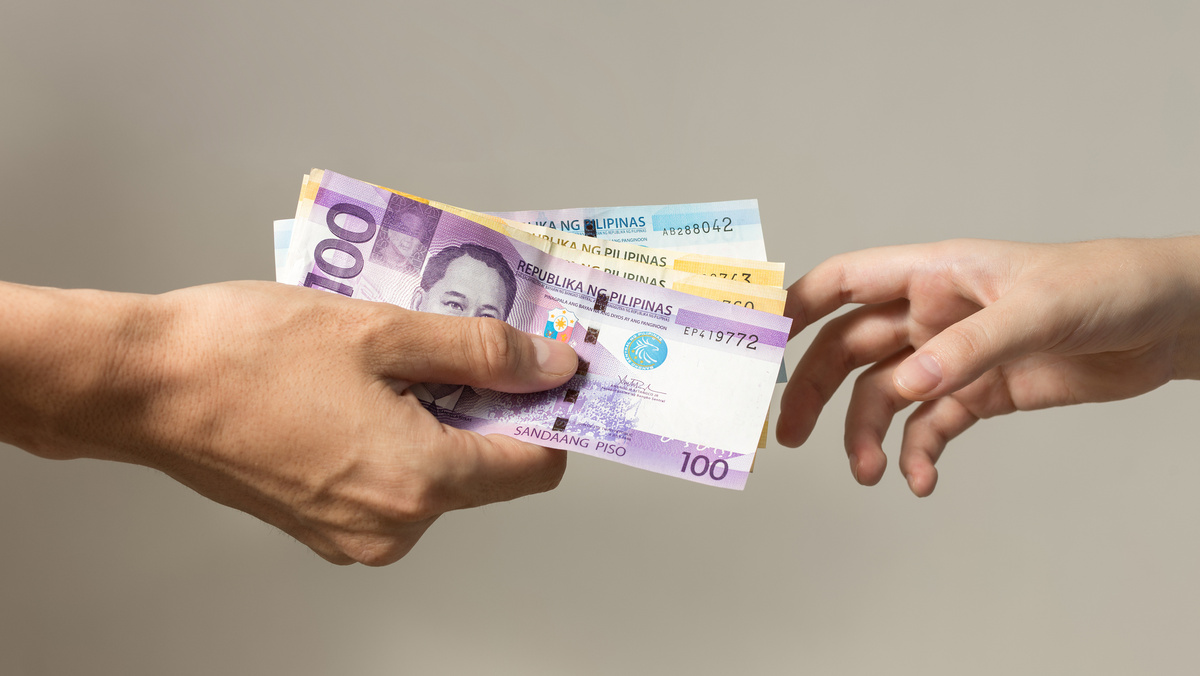
The refund process will be handled by VAT refund operators—private companies with experience in managing tourist tax refund systems. Once accredited by the Department of Finance, they’ll be processing the actual refund, whether in cash or via electronic payment.
Meanwhile, for locals, they’ll still be expected to pay the full 12% VAT, which has been in place since 2006. According to the Bureau of Internal Revenue (BIR), VAT is a form of sales tax that is “levied on the sale, barter, exchange or lease of goods or properties and services in the Philippines and on importation of goods into the Philippines.”
Hey, Preview readers! Follow us on Facebook, Instagram, YouTube, Tiktok, and Twitter to stay up to speed on all things trendy and creative. We’ll curate the most stylish feed for you!
