
Singaporean Prime Minister Lee Hsien Loong speaks now about the deal that basically ensured the Eras Tour's only Southeast Asian stop will be the city-state, a move that appears to stirring bad blood with sister Southeast Asian nations, but one that he does not think of as "being unfriendly."
"(Our) agencies negotiated an arrangement with her to come to Singapore and perform and to make Singapore her only stop in Southeast Asia," said the Prime Minister at an ASEAN Summit. He explained that funds for this deal came from their tourism board, a post-COVID fund aimed at bolstering tourism in the city-state.
"It has turned out to be a very successful arrangement. I don't see that as being unfriendly," Lee said. "Sometimes one country makes a deal, sometimes another country does. I don't explicitly say 'You will come here only on condition that you'll not go to other places,'" he then clarified.
"If that's what's needed to be done to get an outcome which is mutually beneficial and which, from Singapore's point of view, serves not just to grow the economy but also to bring in visitors and goodwill from all over the region, I don't see why not," Lee said.
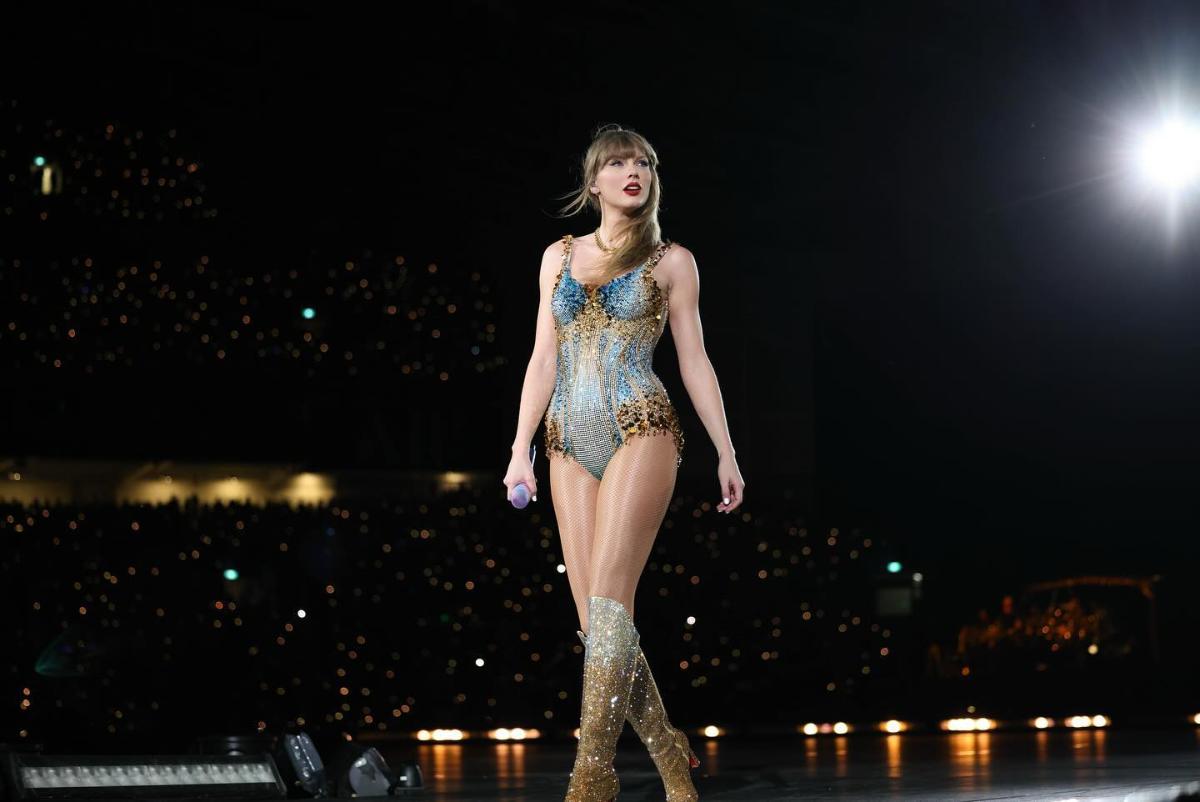
Singapore is hosting the singer from March 2 to 9 at the National Stadium, all sold-out shows and more than 300,000 tickets sold. The Singapore Tourism Board has noted that a "significant" number of fans are coming in from other countries.
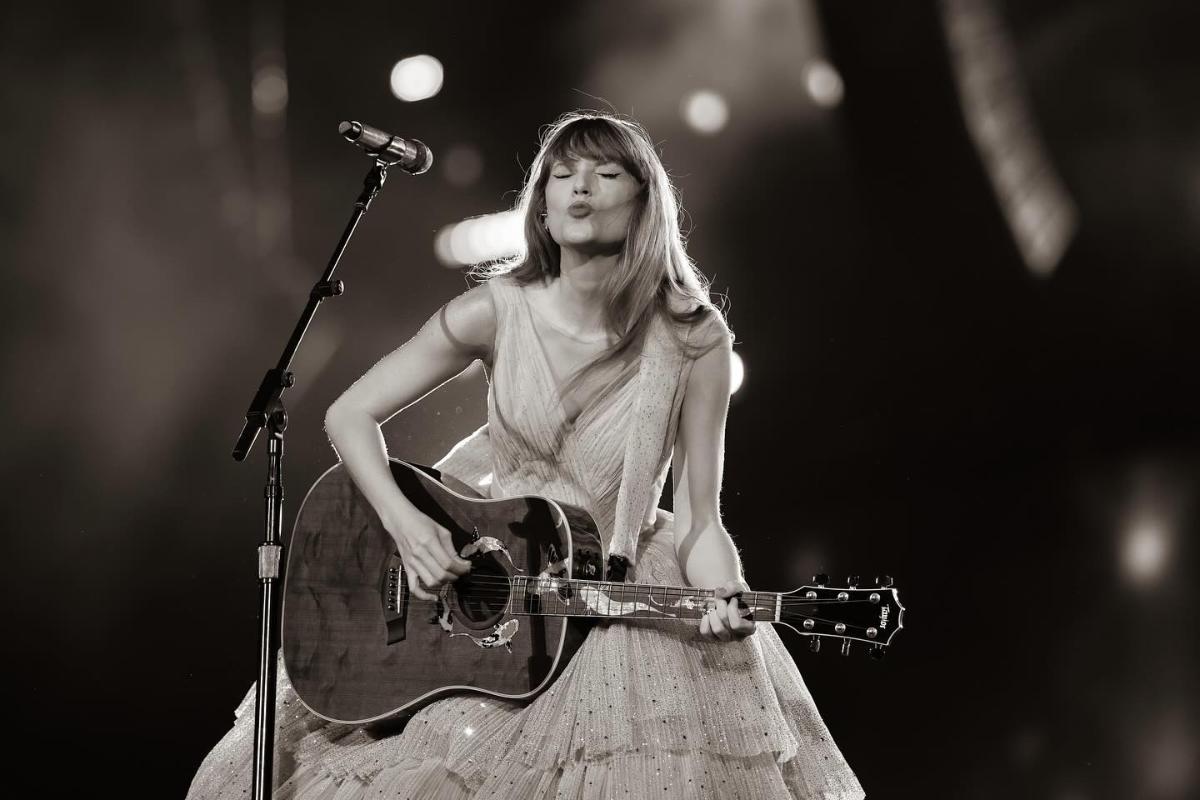
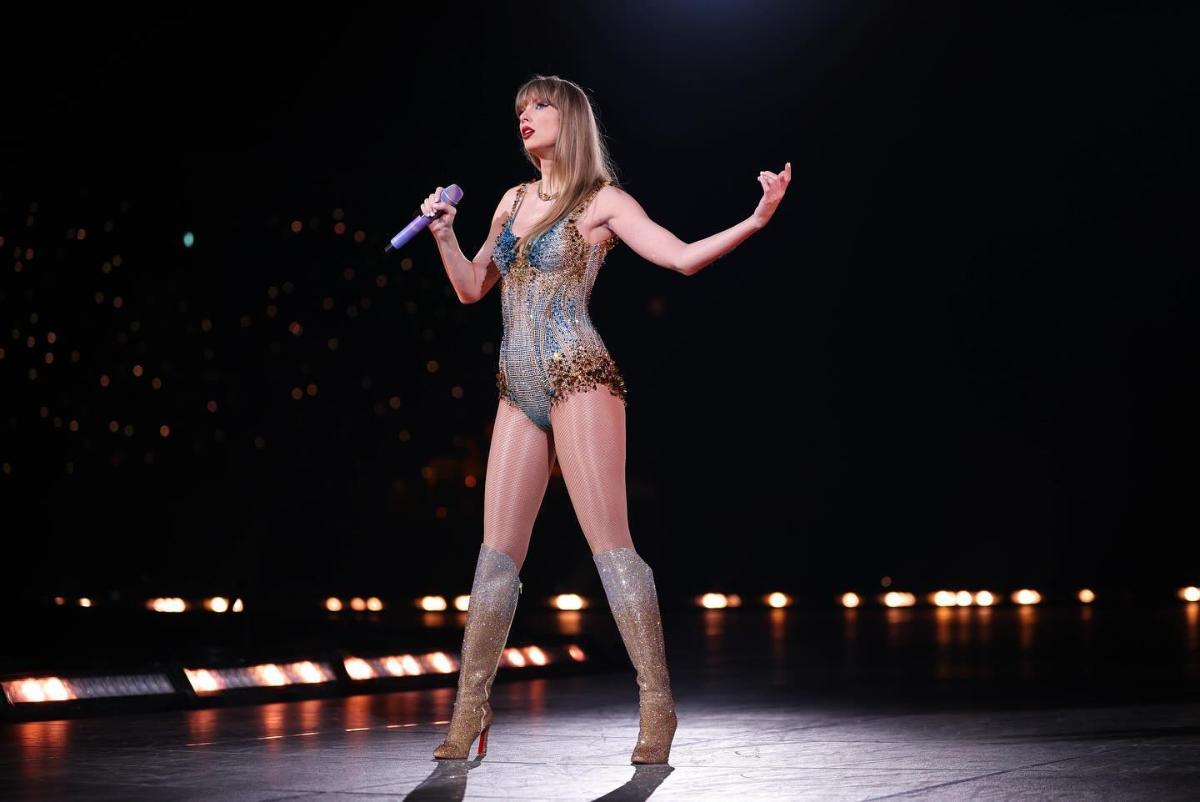
You might be asking, why are all these decision-makers seeing red over a concert? Well, the Eras Tour is the biggest music tour ever, and we mean that in many ways, most especially in terms of revenue. The Eras Tour hit the U.S. $1 billion mark in December 2023, and it's not even over yet.
With the concert itself hitting those numbers, imagine its impact on local economy. Think tourists flying in, staying in hotels, eating out, and all that. Reports have pointed to the Eras Tour generating U.S. $4.6 billion in consumer spending-and that's just in the U.S. leg of the tour. No doubt many nations want a slice of the Eras Tour pie.
Buzz about the exclusivity deal first came from Thailand's Prime Minister Srettha Thavisin in February, who was quoted as saying "Concerts can generate added value for the economy."
Albay representative Joey Salceda has called the move not "what good neighbors do." The solon had reportedly asked the Department of Foreign Affairs (DFA) to inquire with the Singaporean ambassador to the Philippines about the exclusivity deal in late February.
"I give it to them that the policy worked. Regional demand for Singaporean hotels and airlines was up 30 percent over the period. I estimate that the exclusivity term caused an increase in industry revenues by USD 60 million. So, the grant produced 30 times more in economic activity," said Salcedo. "But it was at the expense of neighboring countries, which could not attract their own foreign concertgoers, and whose fans had to go to Singapore. I doubt the exclusivity terms were on the grant contract itself."
Echoing the Singaporean Prime Minister's thoughts that if they hadn't done it, someone else would have, Salcedo noted, "In the long run though, we need to up our game. That is what agencies like the Tourism Promotions Board were made for."
Hey, Preview readers! Follow us on Facebook, Instagram, YouTube, Tiktok, and Twitter to stay up to speed on all things trendy and creative. We’ll curate the most stylish feed for you!
