
With its inhumane and brutal concept, the mere idea of a competition like Squid Game seems as if it’s meant to stay inside the bubble of fiction. However, with the Korean series’ international popularity since its premiere in 2021, rumors of its alleged real-life inspiration have circulated across the internet, with many linking it to an internment camp in the 1980s. But how true are these claims?
Is “Squid Game” Based on Real Life? The Stories That May Have Inspired the Series
Japanese Comics and Animation
Creator Hwang Dong Hyuk has openly shared the origins of his vision for Squid Game. According to Variety, Dong Hyuk stated, “I freely admit that I’ve had great inspiration from Japanese comics and animation over the years. When I started, I was in financial straits myself and spent much time in cafes reading comics including Battle Royale and Liar Game.”
He explained that these works, which feature intense competition and survival elements, influenced his storytelling. “I came to wonder how I’d feel if I took part in the games myself. But I found the games too complex, and for my own work focused instead on using kids’ games.”
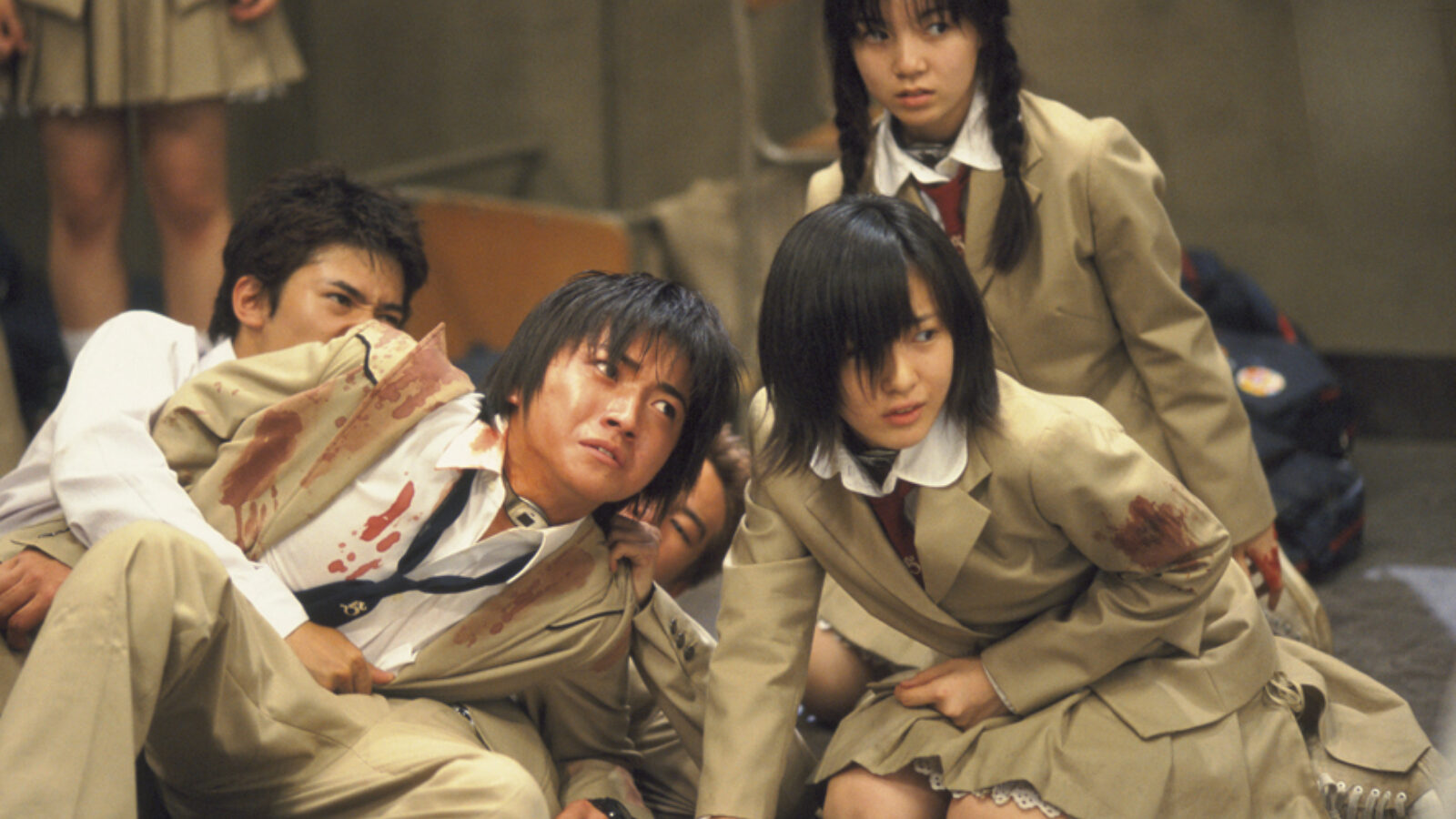
While these acknowledgments clarify some of the creative influences behind the series, they also reveal that the idea of Squid Game did not originate from any single true event.
The Brothers’ Home
Another story that has often been tied to Squid Game is the horrifying reality of the Brothers’ Home, a facility in South Korea during the 1970s and '80s. According to a report by the BBC, this “welfare center” detained thousands of people against their will, many of whom were subjected to abuse, forced labor, and even death. The facility was part of South Korea’s “Social Purification Projects” aimed at clearing the streets of “vagrants” ahead of the 1988 Seoul Olympics.
Survivors of the Brothers’ Home have recounted horrific experiences, including beatings, torture, and rape. Choi Seung Woo, one survivor, told the BBC, “A police officer asked me to stop and started searching my bag. There was half a loaf of bread, a leftover of my lunch which was given from school. He asked where I stole the bread from. He tortured me, burning my genitals with a lighter. He kept beating me, saying he wasn’t going to let me go unless I confessed to the ‘crime.’ Just wanting to go home, I lied. ‘I stole it, I stole it. Please let me go.’”
Seung Woo also recounted experiencing severe abuse at the facility, detailing instances of physical violence and sexual harassment that left lasting emotional scars.
Despite eerie similarities between the facility’s conditions and elements of Squid Game, Hwang Dong Hyuk has not confirmed this as a direct inspiration. Furthermore, viral photos linking the show to the Brothers’ Home have been debunked as AI-generated art, according to Capital FM. Still, the parallels in themes of exploitation and dehumanization are undeniable.
The Ssangyong Motor Strike
While the Brothers’ Home’s connection to Squid Game remains speculative, the series’ depiction of economic desperation finds firm footing in real-life events like the Ssangyong Motor Strike. As reported by the Associated Foreign Press (AFP), Dong Hyuk explicitly referenced the 2009 layoffs at Ssangyong Motor Company as a key influence on the backstory of Gi-hun (played by Lee Jung Jae), the show’s protagonist.
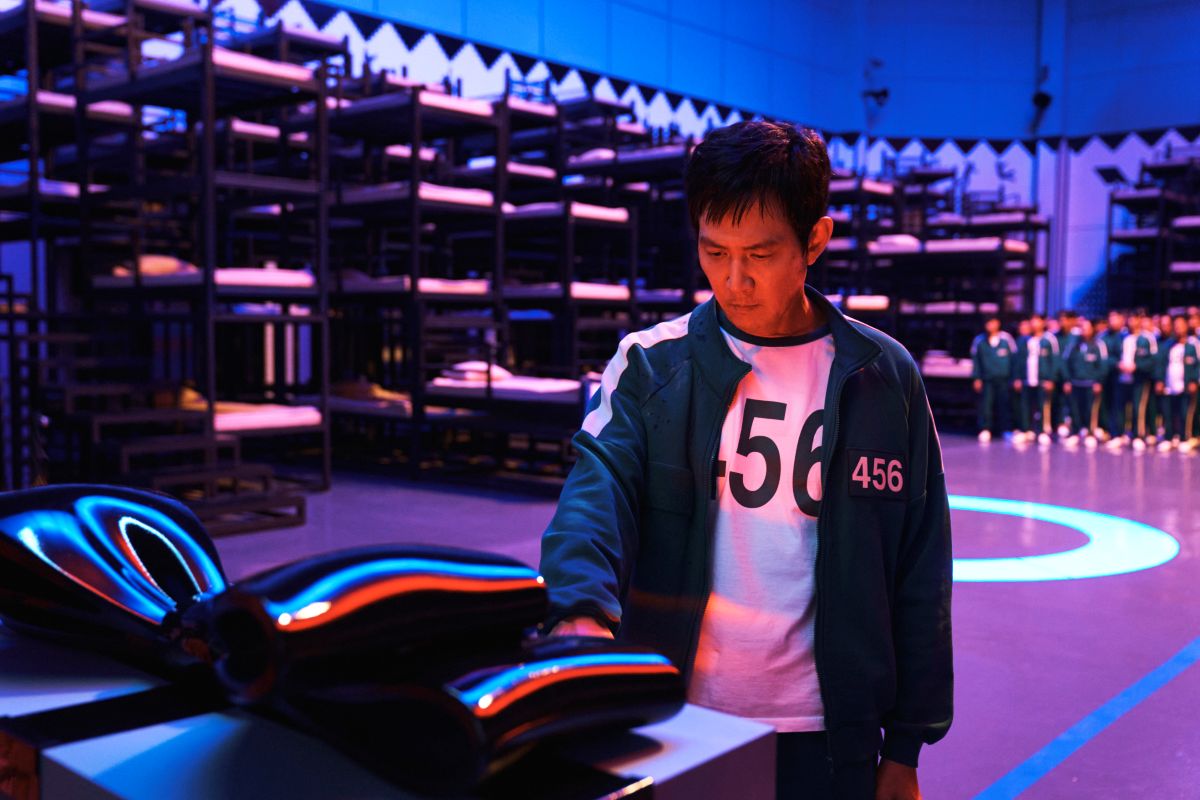
“I wanted to show that any ordinary middle-class person in the world we live in today can fall to the bottom of the economic ladder overnight,” Dong Hyuk told AFP.
In May 2009, Ssangyong laid off over 2,600 workers—nearly 40% of its workforce—triggering a 77-day strike. Striking workers clashed violently with riot police wielding rubber bullets and tasers. The fallout was devastating, with around 30 workers and their family members dying by suicide or from stress-related illnesses in the aftermath. Union leader Lee Chang Kun, who protested atop a factory chimney for 100 days, shared with AFP, “Many have lost their lives. People had to suffer for too long.”
Beyond specific events, Dong Hyuk has stated that Squid Game is a broader critique of modern capitalism. Speaking with Variety, he explained, “I wanted to write a story that was an allegory or fable about modern capitalist society, something that depicts an extreme competition, somewhat like the extreme competition of life.”
Squid Game Seasons 1 and 2 are streaming on Netflix.
Hey, Preview readers! Follow us on Facebook, Instagram, YouTube, Tiktok, and Twitter to stay up to speed on all things trendy and creative. We’ll curate the most stylish feed for you!
