
The Philippines is the biggest gambling country in Asia, according to a report by Insider Monkey. The article was published on June 28 on the finance website that tracks hedge funds and corporate insiders. Insider Monkey listed Las Vegas as the biggest gambling city in the world, while Manila is in 13th place.

How the 'Biggest Gambling Country' Was Identified
Insider Monkey used the database of the World Casino Directory to tally the number of casinos and casino hotels per country in Asia. The number of casinos was prioritized for ranking, while the number of casino hotels was used as a tiebreaker.
As one of the largest gambling markets in Asia, the Philippines has 76 casinos and 66 casino hotels. Gambling in the Philippines "has a robust gambling infrastructure that significantly boosts the local economy through tax revenues and local employment," they site said.
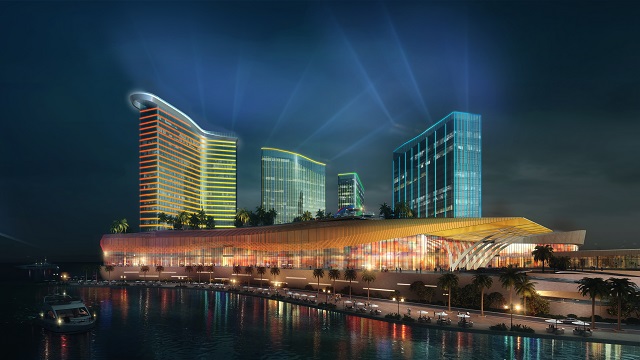
10 Biggest Gambling Countries in Asia, According to Insider Monkey
- Philippines
- Cambodia
- Macau
- Vietnam
- South Korea
- Japan
- India
- Russia
- Nepal
- Kazakhstan
10 Biggest Gambling Cities in the World
- Las Vegas
- Prague
- London
- Macau
- Barcelona
- San José, Costa Rica
- Deadwood, South Dakota
- Lima, Pero
- Reno, Nevada
- Cairo, Egypt
History of Gambling in the Philippines
Gambling has always been a part of Filipino culture. Early civilizations engaged in various forms of betting and games of chance long before the Spanish colonization. Traditional games like jueteng, a numbers game, and sabong (cockfighting) have deep roots in the nation's history. These activities were not just pastimes but were also woven into the social and economic fabric of communities.
The Spanish colonial period brought about significant changes. The colonizers introduced new games and regulated existing ones, often using gambling as a means to raise funds for the colonial administration. The American occupation further influenced the gambling scene, introducing Western-style casinos and betting systems. However, it was during the post-World War II era that gambling began to take on a more organized and commercial form.
In the late 20th century, the Philippine government recognized the potential economic benefits of a regulated gambling industry. The Philippine Amusement and Gaming Corporation (PAGCOR) was established in 1976 to oversee and regulate all games of chance in the country. This move aimed to curb illegal gambling activities and generate revenue for national development projects. PAGCOR's creation marked the beginning of a more structured and state-controlled gambling industry.
The advent of the Internet in the early 2000s revolutionized gambling in the Philippines. Online gambling platforms began to emerge, offering a convenient and accessible alternative to traditional casinos. The rise of online gaming also attracted international operators, further expanding the industry's reach and economic impact. The Philippine Offshore Gaming Operators (POGOs) became a significant player in this space, catering primarily to foreign markets, especially China.
Hey, Preview readers! Follow us on Facebook, Instagram, YouTube, Tiktok, and Twitter to stay up to speed on all things trendy and creative. We’ll curate the most stylish feed for you!
