
An international traveler’s most trusty companion is their passport. Many moments are spent rifling bags and patting pockets to secure them, and during idle airport lulls, curious wanderers might even begin to question: What exactly is the meaning behind their passport color?
Diplomatic and official passports may vary in color to distinguish them from each other, but a nation’s ordinary passport can pack cultures, history, and allyships all in one shade. Ahead, take a look at the world’s most common ordinary passport colors and the potential meanings behind them.
What Are the Meanings Behind Passport Colors?
Blue Passports
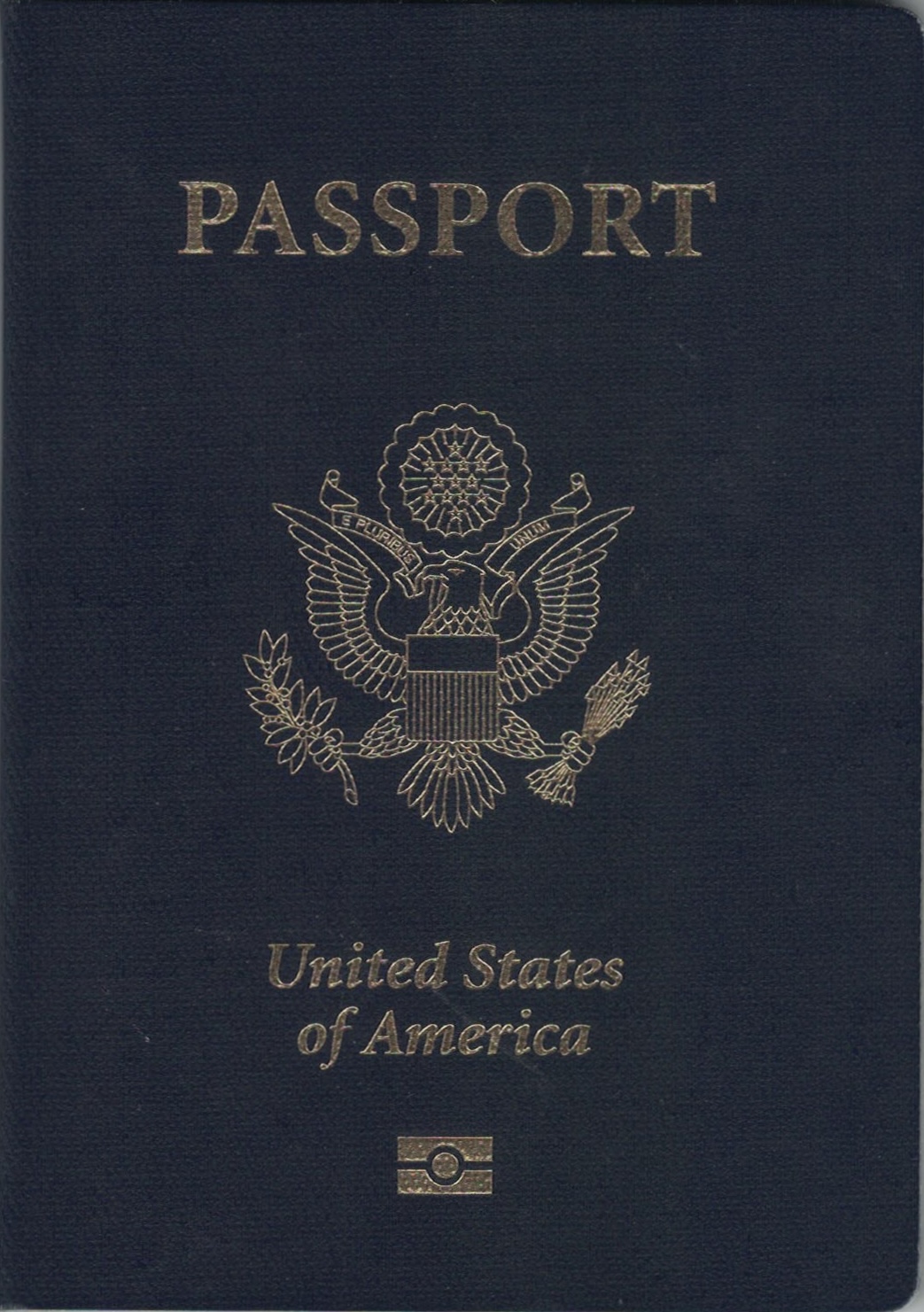
Blue passports often signify the “new world” with connections to the free market and the ocean, according to the Passport Index. Many citizens in the Americas can be spotted bearing blue passports during their travels, including the United States of America, which bore a blue-shaded color since 1976 for their bicentennial celebration.
High-ranking passports have also sported this particular cover color, including South Korea, the United Kingdom post-Brexit, the United Arab Emirates, Australia, Canada, and Iceland.
Red Passports
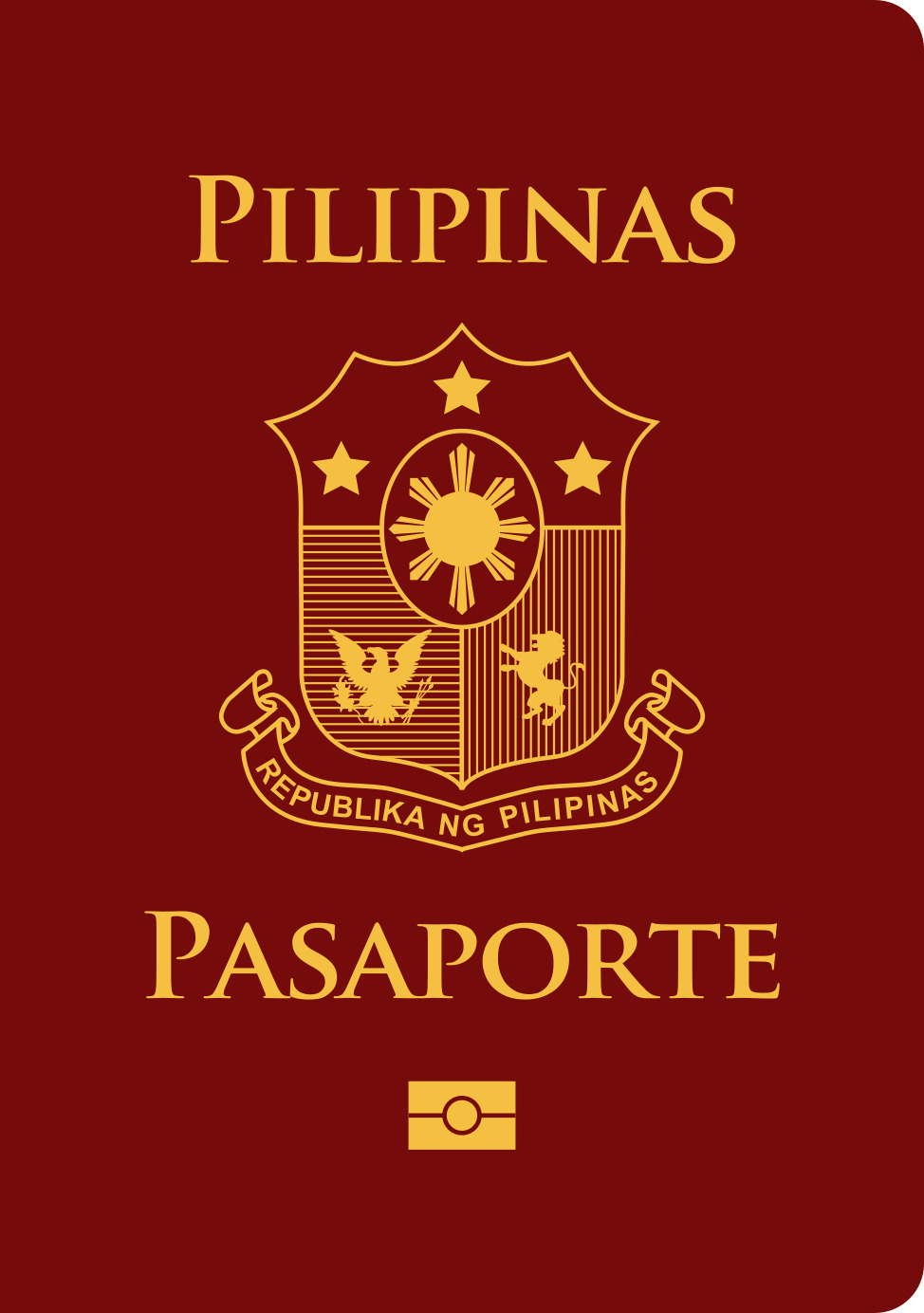
In history, passports with a red cover have been linked to Communist or Christian countries, but it’s now one of the most common colors to possess, regardless of a nation’s religion and ideologies. Excluding Croatia, the countries of the European Union have burgundy red passports that were made official in 1981. Henley Passport Index’s top-ranking passport, Singapore, bears the red cover, while the Philippines switched to a maroon red shade after the former green.
Green Passports
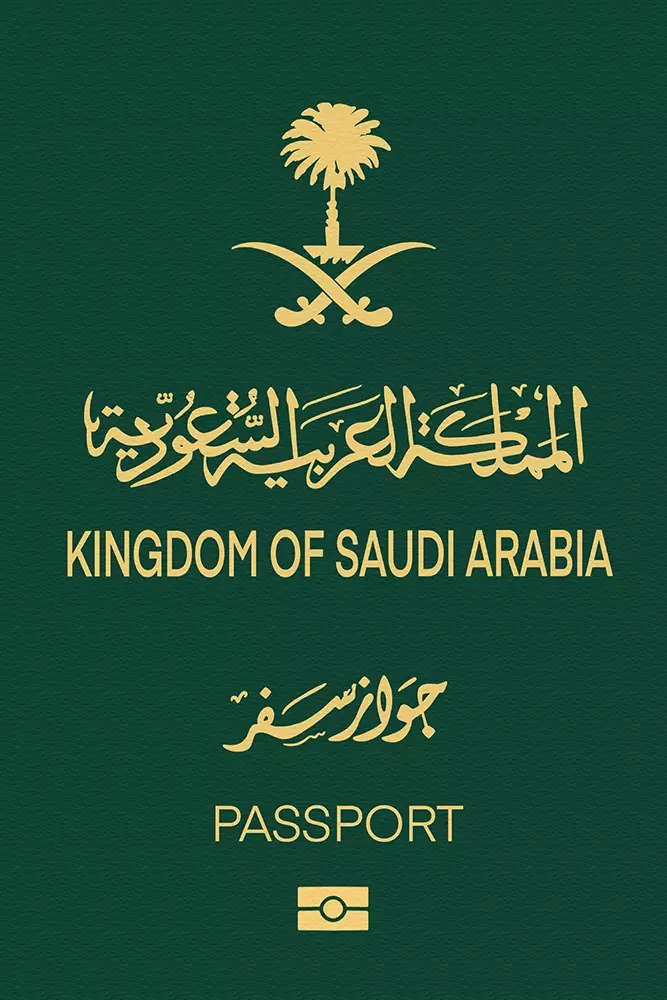
Green passports are a popular choice for Muslim countries, as the shade was linked to the Prophet Muhammad in the Quran. The color plays a large part in Islamic nations, and it is even prominently seen on several national flags. Member nations of the Economic Community of West African States (ECOWAS) also hold this passport color. The Philippines and the United States previously sported a green cover until they swapped it for maroon and blue, respectively.
Black Passports
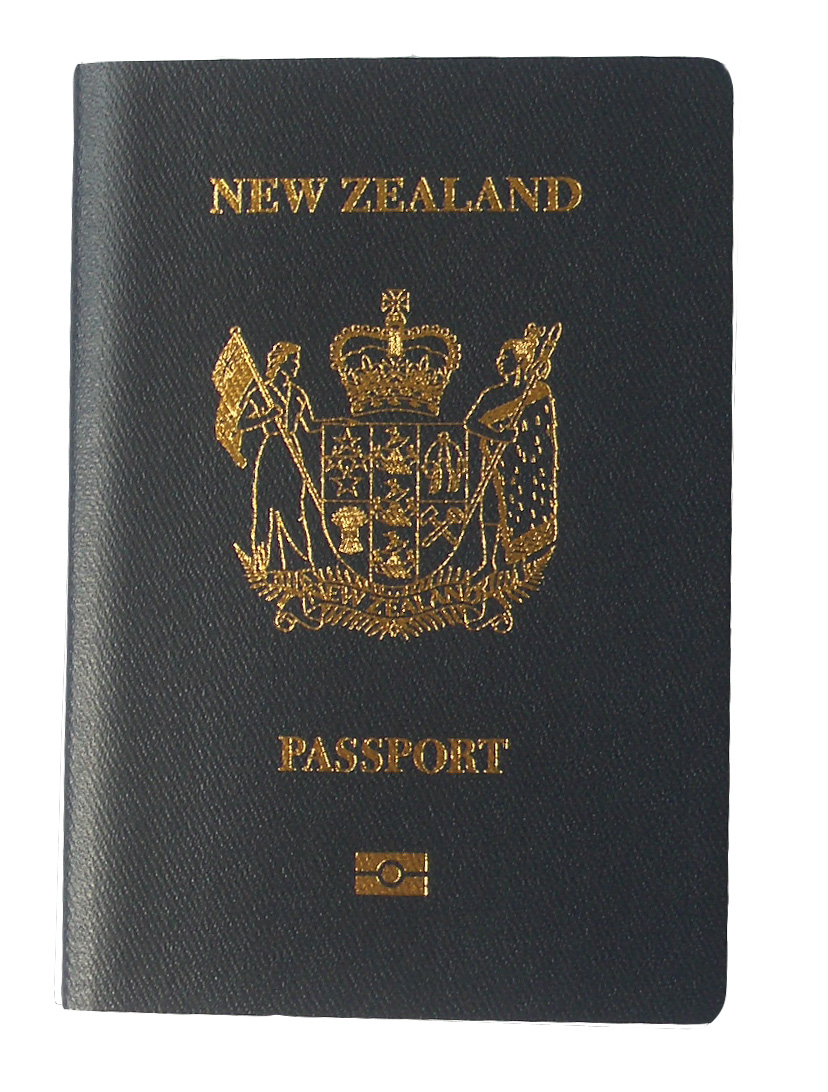
The black passport is known as one of the rarest ones to have. Countries like New Zealand, Malawi, and Tajikistan are among those who possess it, which can be linked to their country’s culture, as is the case with black being New Zealand’s national color. Otherwise, black can also present a practical side, since it effectively conceals wear and tear throughout the years.
How Do Countries Choose Their Passport Colors?
With the variety and the potential meanings behind these passport colors, curious travelers may wonder how their countries opt for a certain shade. Primary colors are a favorite among the majority of nations, but in an interview with Travel + Leisure, William Waldron, vice president of security products at passport cover manufacturer Holliston, LLC, says that they can make “any color” in the Pantone book.
While the International Civil Aviation Organization (ICAO) mandates that passports must be impenetrable to certain temperatures and conditions, and crafted with material that bends instead of creases, its physical look is up to the country. According to Travel + Leisure, ICAO can raise suggestions for typeface, font, and the like, ICAO’s communications officer Anthony Philbin states that “nothing stipulates the cover color.”
A country’s chosen passport color can speak to its culture, but practicality can also play a chunk in the decision-making for the shade. Hence, according to William Waldron in the same interview, this is the reason why many of the colors are dark-toned–they’re “official-looking” and they can easily obscure dirt!
Hey, Preview readers! Follow us on Facebook, Instagram, YouTube, Tiktok, and Twitter to stay up to speed on all things trendy and creative. We’ll curate the most stylish feed for you!
