
Last year, bed bugs terrorized the city of Paris. Videos of these wingless insects crawling over metro seats, hotel beds, and buses went viral causing much panic among Parisiennes and travelers alike. And in case you haven’t heard, Paris isn’t the only city you should be worried about. There seems to be a “global resurgence” in bed bugs happening right now—and it looks like the issue has made its way to the Philippines, too.
READ: NAIA Is Reportedly Infested with Bed Bugs
James Montenegro, president of the Tourism Congress of the Philippines, urged the Manila International Airport Authority to fumigate the Ninoy Aquino International Airport (NAIA) Terminals 2 and 3 after reports were made by passengers complaining about being bitten by bed bugs.
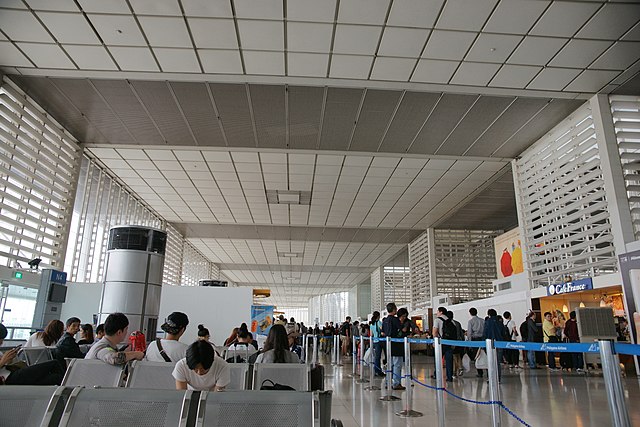
“I saw they removed the chair already. I hope they fumigate the airport so that they can stop the spread of these bed bugs,” he said during an interview with TeleRadyo Serbisyo. He also mentioned that, although it's embarrassing, this is an “isolated incident” and “it shouldn’t have a major impact on our industry.”
Airport authorities have already apologized to the victims and also assured the speedy resolution of the said infestation.
While authorities assure us that this is an isolated case, it won’t hurt to take some extra measures to avoid catching bed bugs and unknowingly spreading them in your home. That said, here are some tips on how to avoid bed bugs.
How to Avoid Bed Bugs
Here’s a not-so-fun fact: Newer generations of bed bugs have become highly resistant to chemicals, making them harder to eradicate. But the good news is you can still avoid catching them and spreading them around.
The first step to avoiding bed bugs is to know how to spot them.
Bed bugs are tiny, flat, wingless reddish-brown insects that feed on the blood of people and animals. They’re usually found near areas where people sleep, such as Airbnb, condos, dorm rooms, hotels, cruise ships, buses, trains, etc. During the day, they like to hide inside mattress seams, bed frames, or headboards—basically any crack or crevice they can crawl into, including the walls, floors, and other furniture.
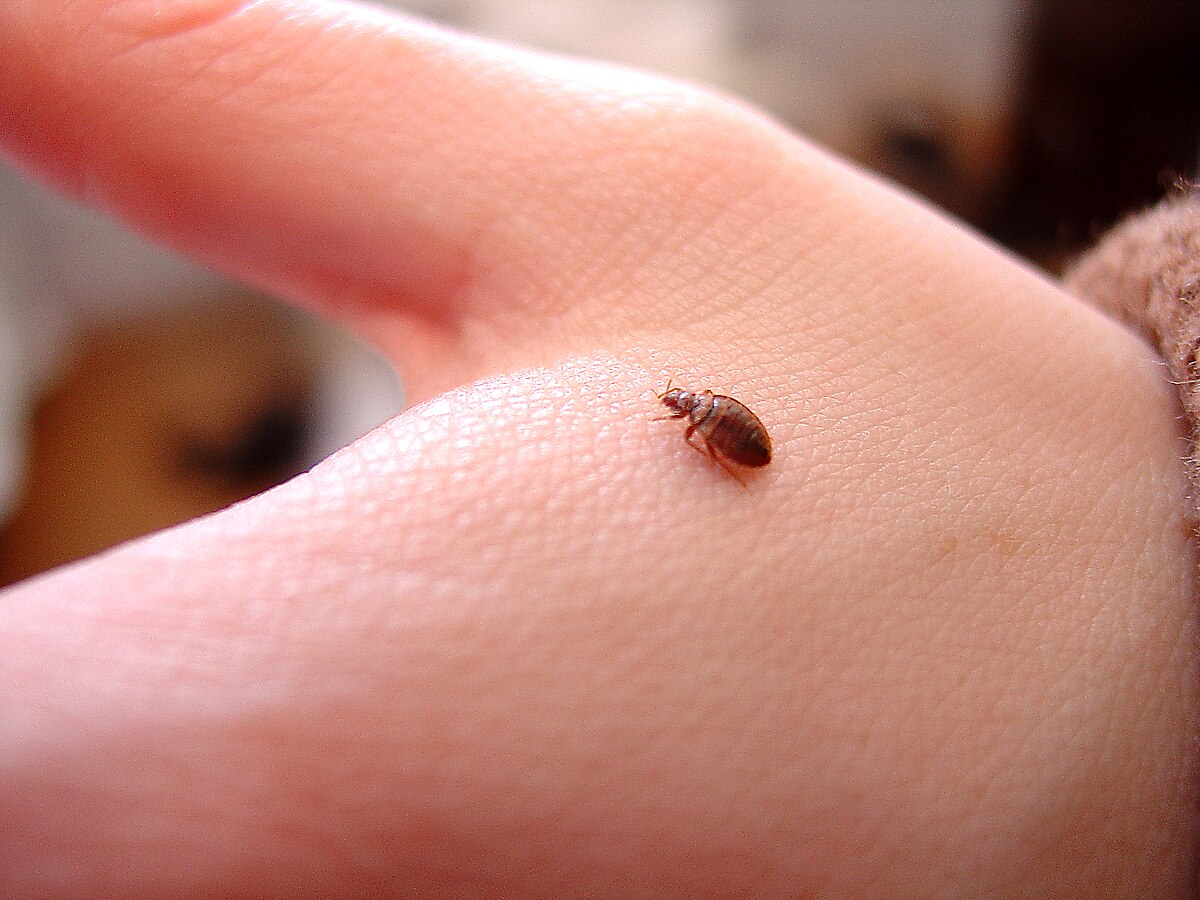
Whenever you’re staying at a hotel, Airbnb, or any place that isn’t your home, you should first check the furniture and the mattresses for signs of bed bugs. One of the tell-tale signs that something is infested with bed bugs is if you find reddish-brown blood stains on your furniture. These might actually be the bed bugs’ feces and they tend to defecate after feasting. You can also try to spot the bugs themselves; they’re roughly the size of an apple seed so they’re visible to the naked eye.
Do not bring in your luggage inside your home after staying at a place likely infested with bed bugs.
If there are no signs of bed bugs, then you should be safe. But if you happen to stay at a place with these pesky pests, or if you simply want to be cautious, what you should do when you head home is to not bring your luggage inside. Get your steamer or a clothes iron and heat-treat your garments before bringing them into your home. If there’s one thing bed bugs can’t stand it’s high temperatures and heat will kill any eggs. Once they’ve been heat treated, toss them in a plastic bag, put them straight into the washer, and then dry them. You can also use the steamer to heat-treat your luggage.
Call a professional to deal with bed bugs if they've infested your home.
Now, what do you do if your home is already infested with bed bugs? Simply call a professional. Do not–I repeat, do NOT—attempt to treat a bed bug infestation on your own. Keep these tips in mind and you won't have to worry!
Hey, Preview readers! Follow us on Facebook, Instagram, YouTube, Tiktok, and Twitter to stay up to speed on all things trendy and creative. We’ll curate the most stylish feed for you!
