
More Videos You Can Watch
How Mikee Cojuangco-Jaworski Became a Champion of Athletes
The equestrian and '90s it girl talks to Preview about being the first Asian woman on the International Olympic Committee’s executive board, her showbiz career, and whether or not the Philippines is in its “golden age” of sport.
Published Aug 30, 2024
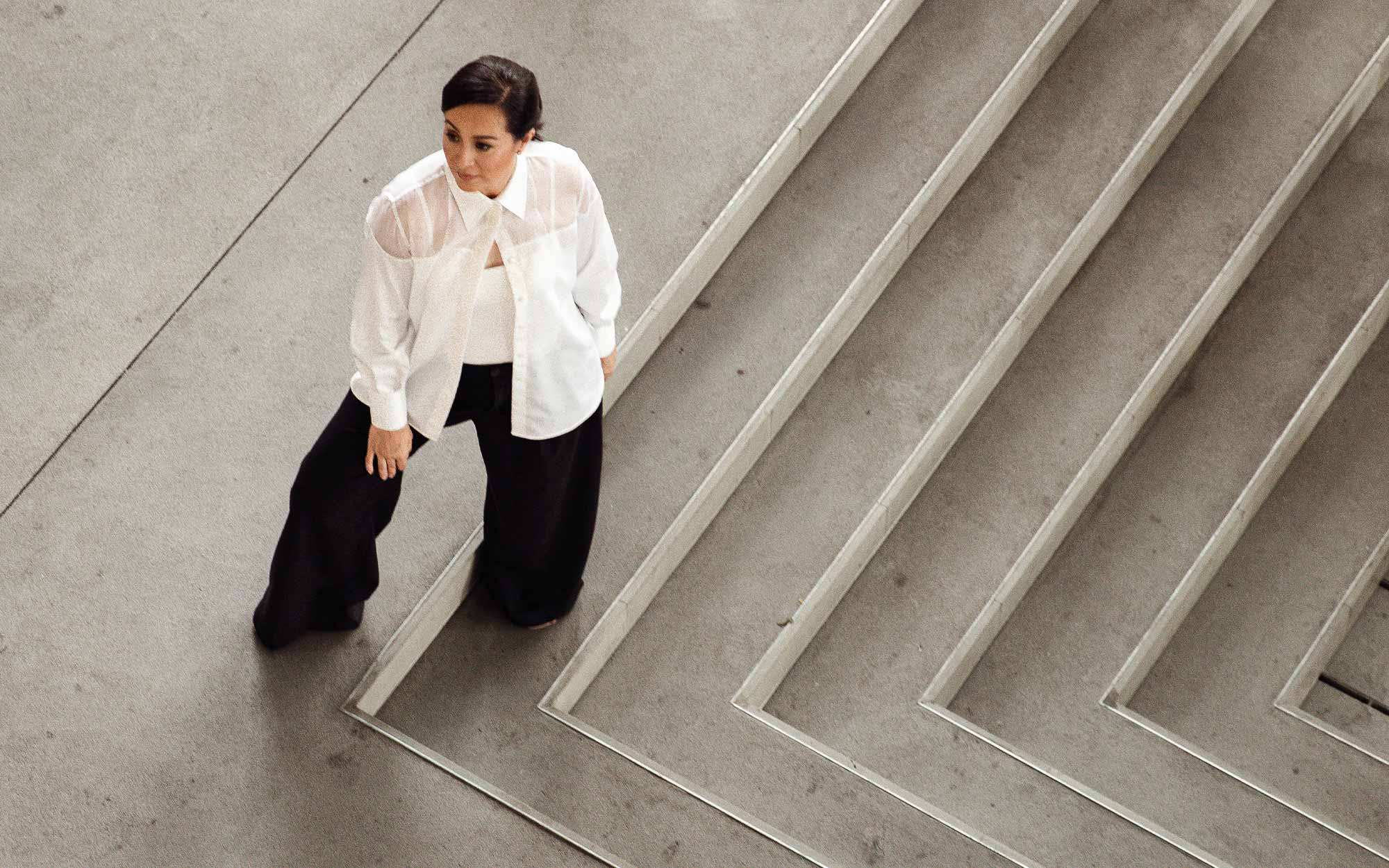
The former actress, athlete, and Olympic board member is changing the game—in and out of the sport.
It was a few days after her return from Paris when Mikee Cojuangco-Jaworski recalled the past weeks in the French capital, ones that were, as expected, eventful for the world. As a member of the International Olympic Committee (IOC)’s executive board, Mikee is privy to the well-oiled machine of the quadrennial Games. That includes even the minutest details, like the inside jokes the Olympics’ social media presence has produced.
“The muffin? Yeah, I know,” the Filipina executive nodded in recognition when asked if she had tried the Olympic Village’s TikTok-famous chocolate dessert. “We were at one of the venues and I was so hungry and I was looking at it. I was so curious,” she recalled.
“I remember it was during the US versus Serbia [basketball game]. I bit into it. Sometimes you’re not expecting something good, but this was quite exceptional, really. I’m not even a sweets person.”
ADVERTISEMENT - CONTINUE READING BELOW
Playful as it may be, the viral dessert was one small aspect of the social impact the 2024 Paris Olympics afforded the world. Participating countries flocked to France, where training and tribulations reached their conclusions, and to some, were rewarded with medals that became historical feats. The Philippines, which had its best medal haul since first joining a century ago, would be familiar with this.
On her part, Mikee Cojuangco-Jaworski was among those who worked behind the scenes, but she, too, knows the uphill battles these Olympians faced as a celebrated equestrian, who, in 2002, won gold at the Asian Games’ individual show jumping event. The multihyphenate has worn many hats in her life as an athlete, actress, and now, an Olympics board member, but with whatever role, the ethos of a sportsperson runs as the common denominator–playing her best, and not just for herself.
Belg Belgica
CONTINUE READING BELOW
watch now
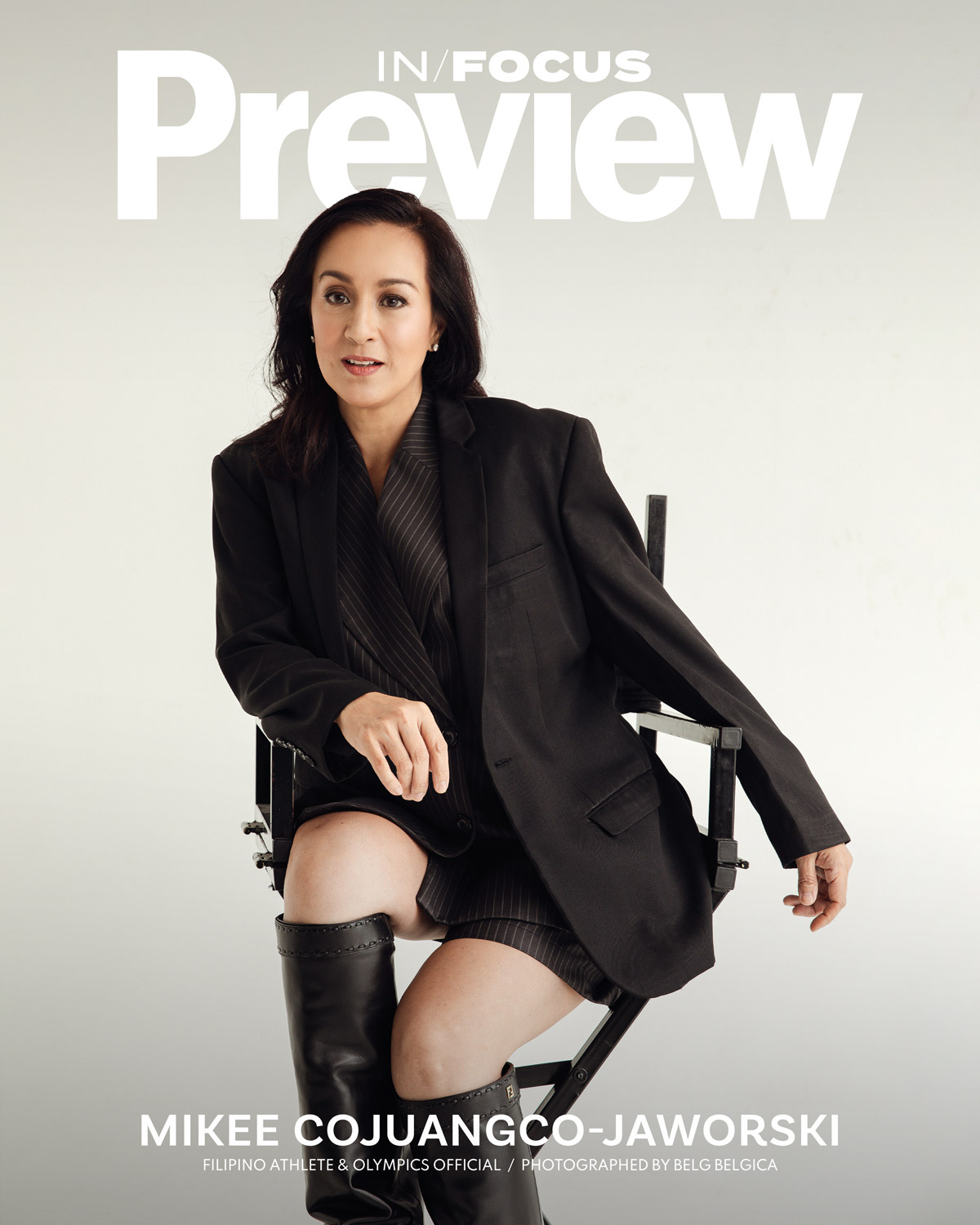
Mikee Cojuangco-Jaworski for Preview In Focus August 2024
Leaps of Faith
In 2013, Mikee joined the roster of members of the IOC, where she became the Committee’s full-fledged representative to the Philippines. Seven years into her term in 2020, the possibility of becoming a member of the executive board was on her horizon. Running for a post was a “win-win” situation, at least in theory. “After a number of people had come to me and encouraged me, I said, ‘You know what? The worst that can happen is I can lose,’” she said. “I’ve lost a lot more than I've won. I've learned more from the losses than I have from the victories. So what’s the worst that could happen?”
Belg Belgica
ADVERTISEMENT - CONTINUE READING BELOW
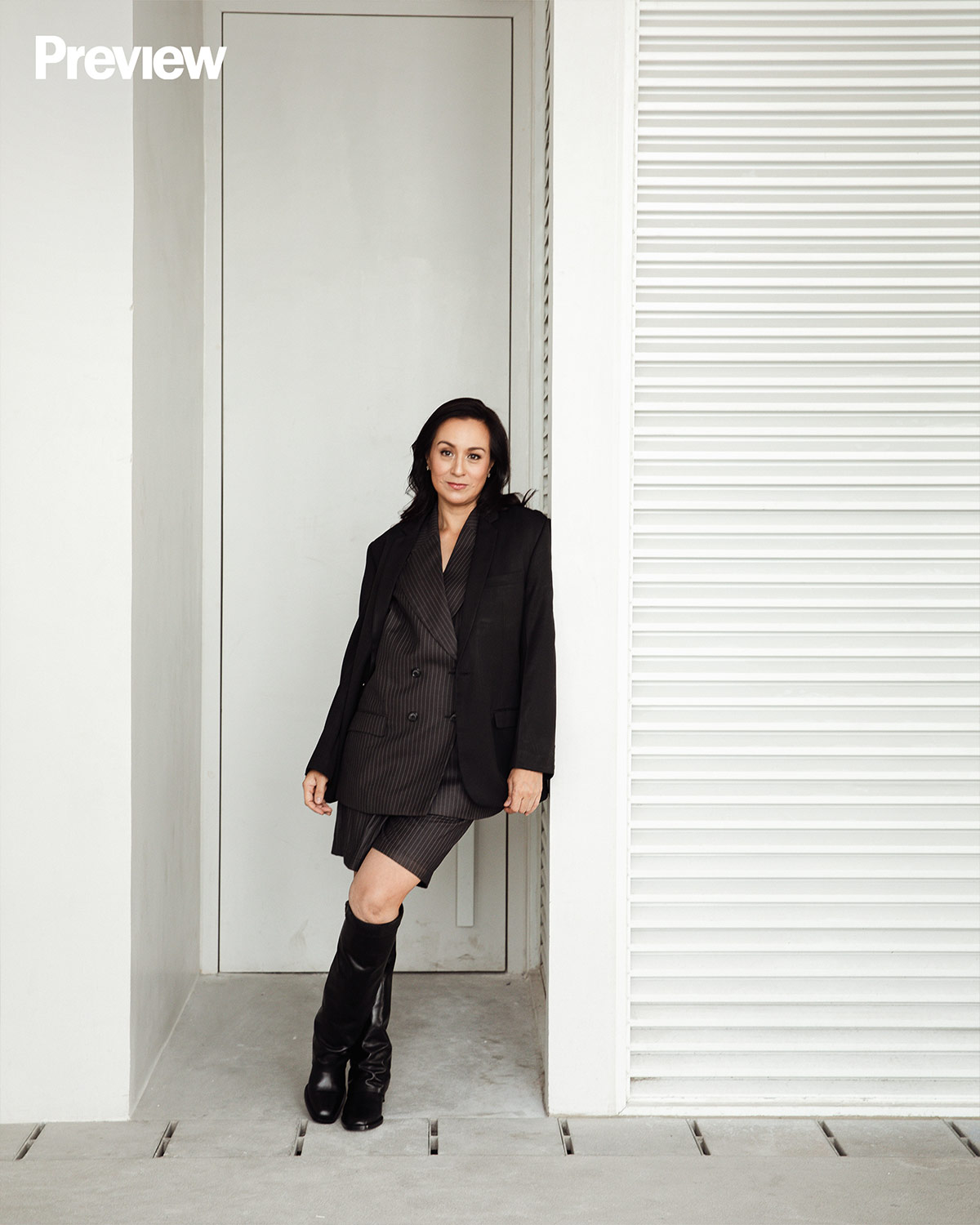
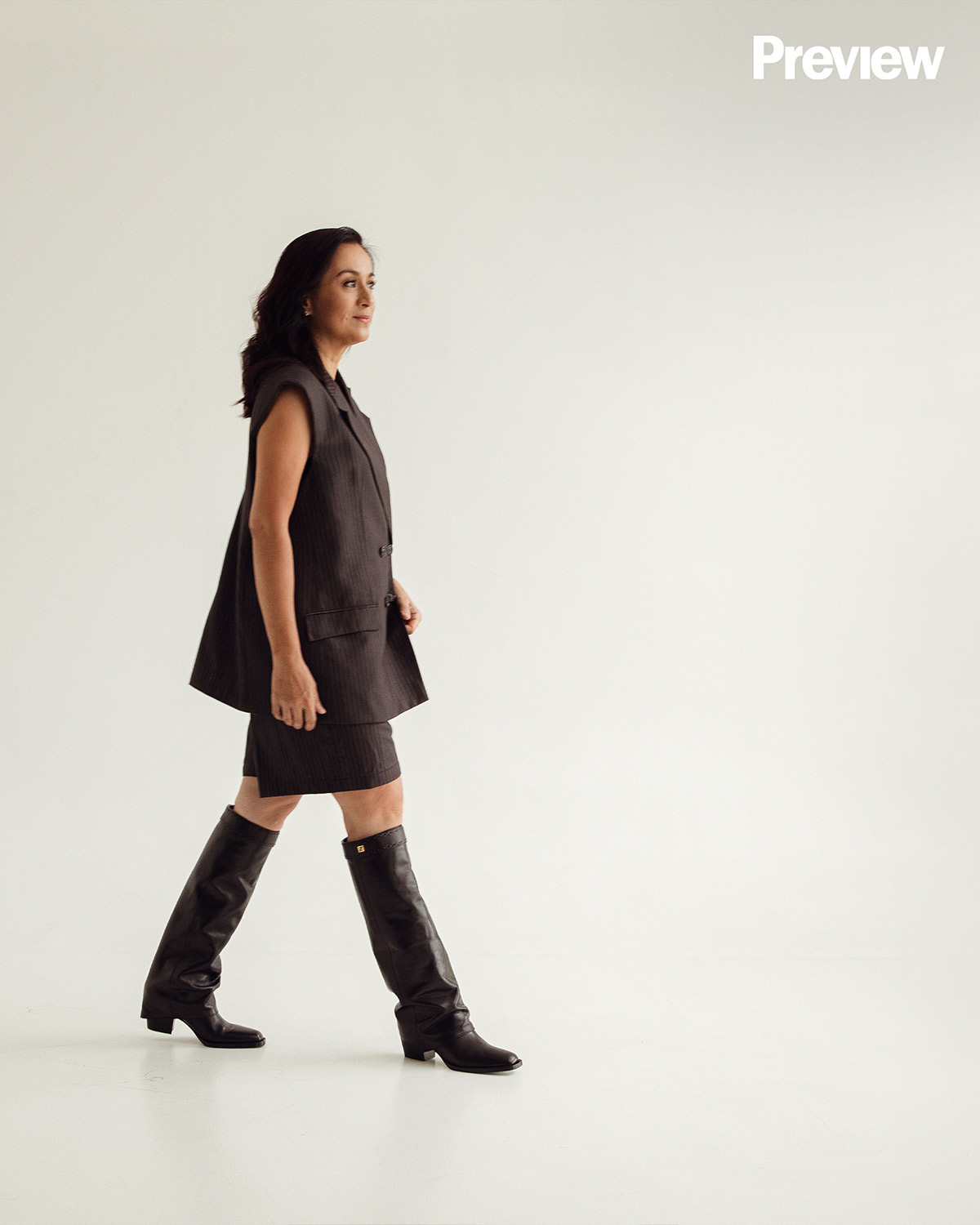
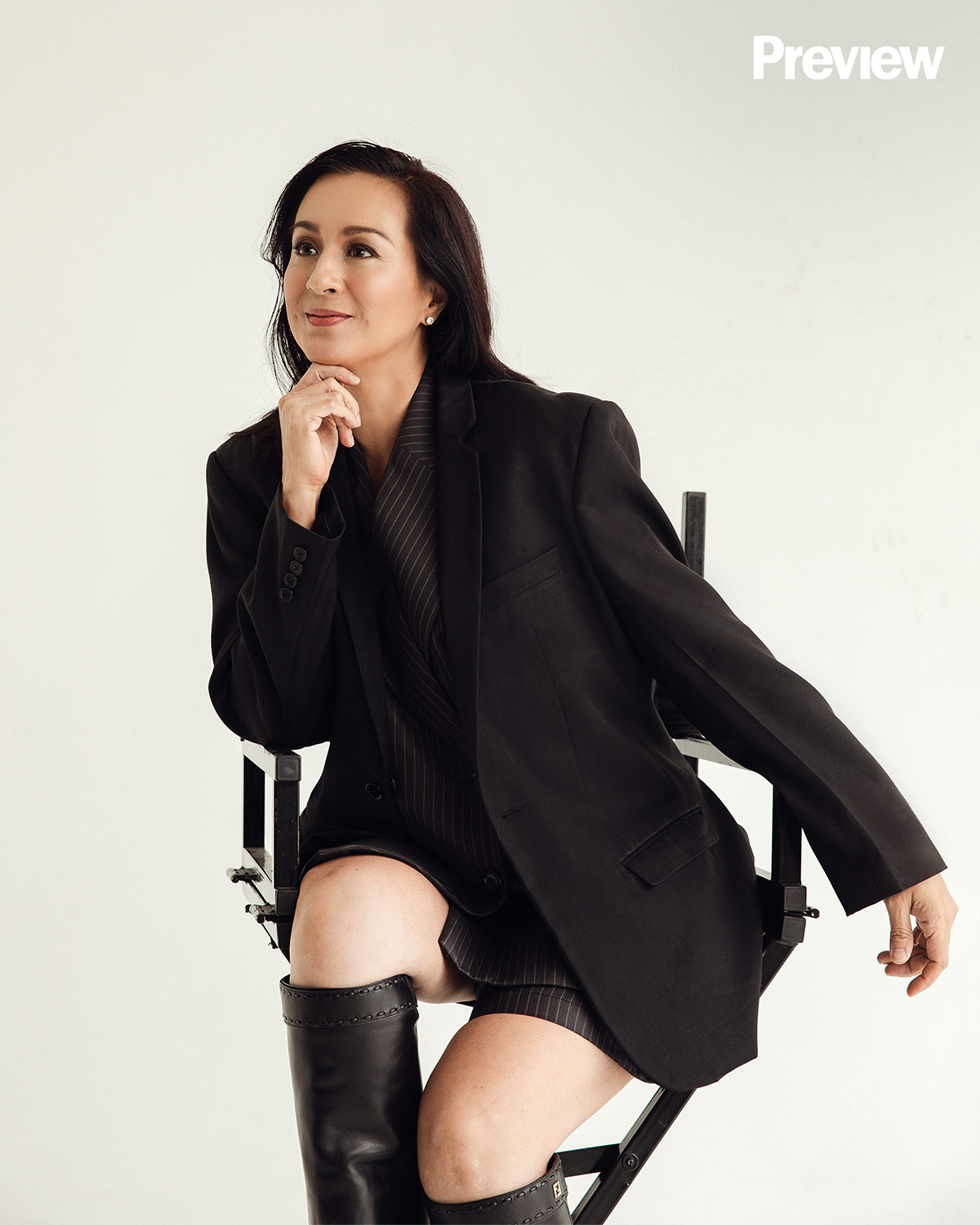
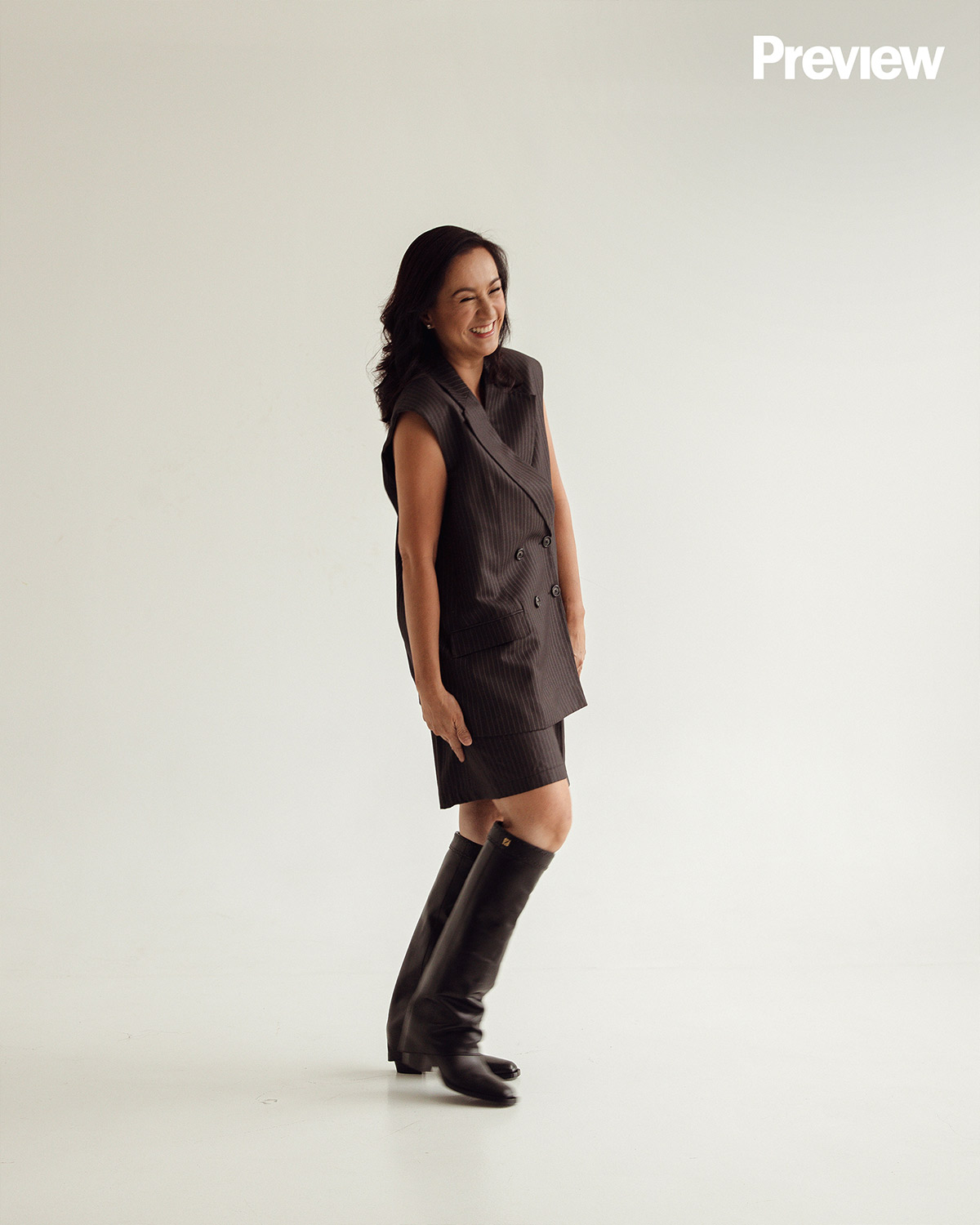
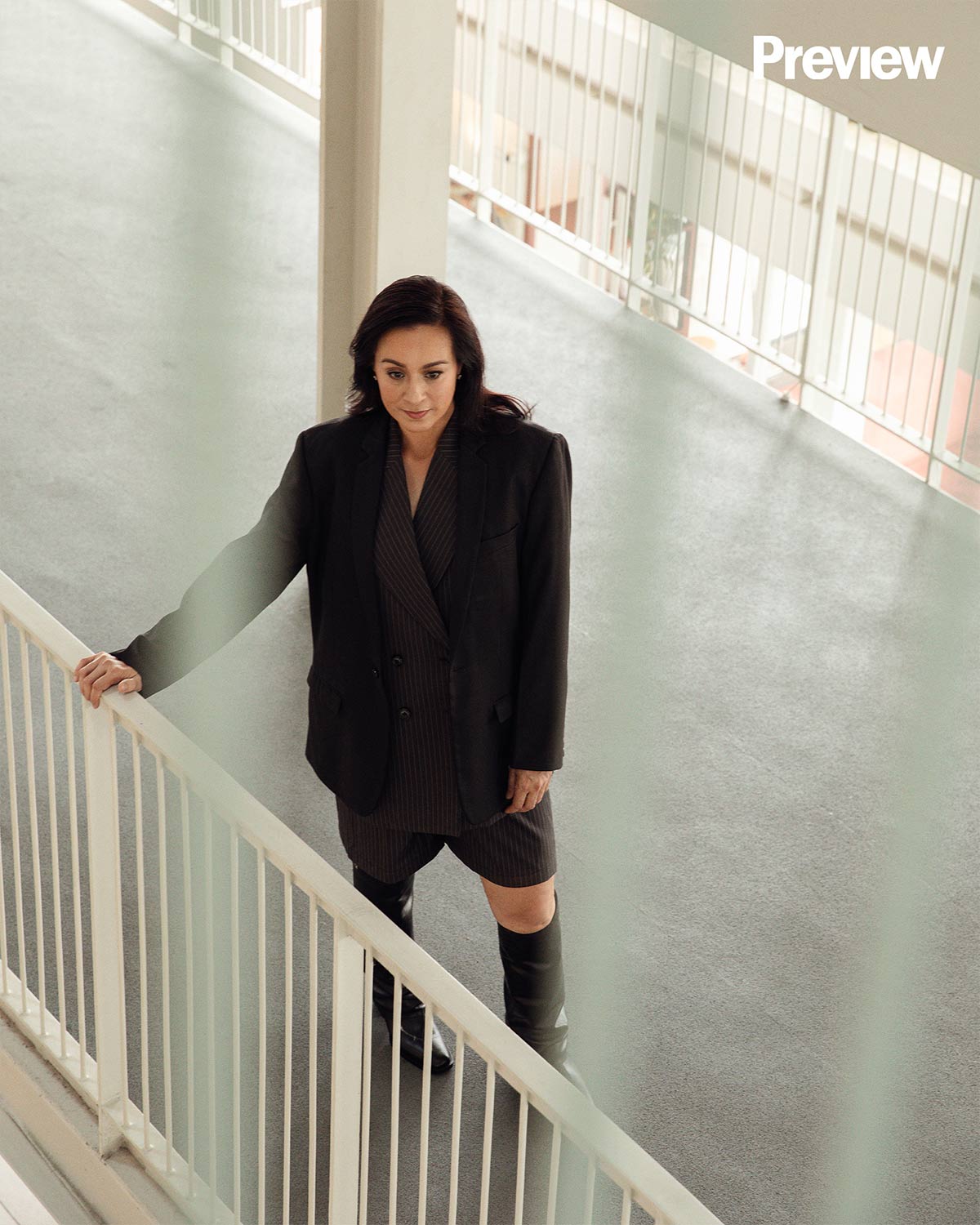
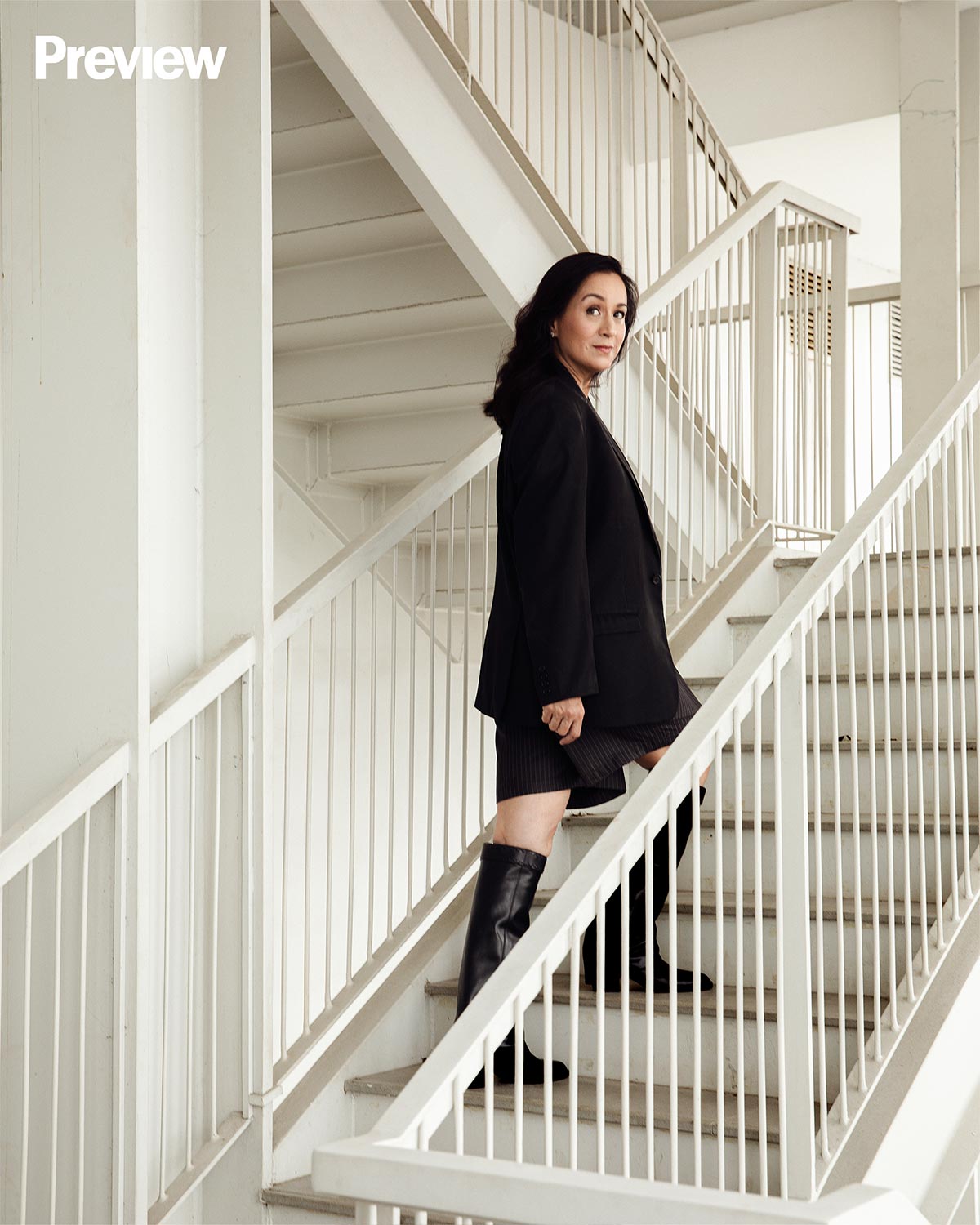
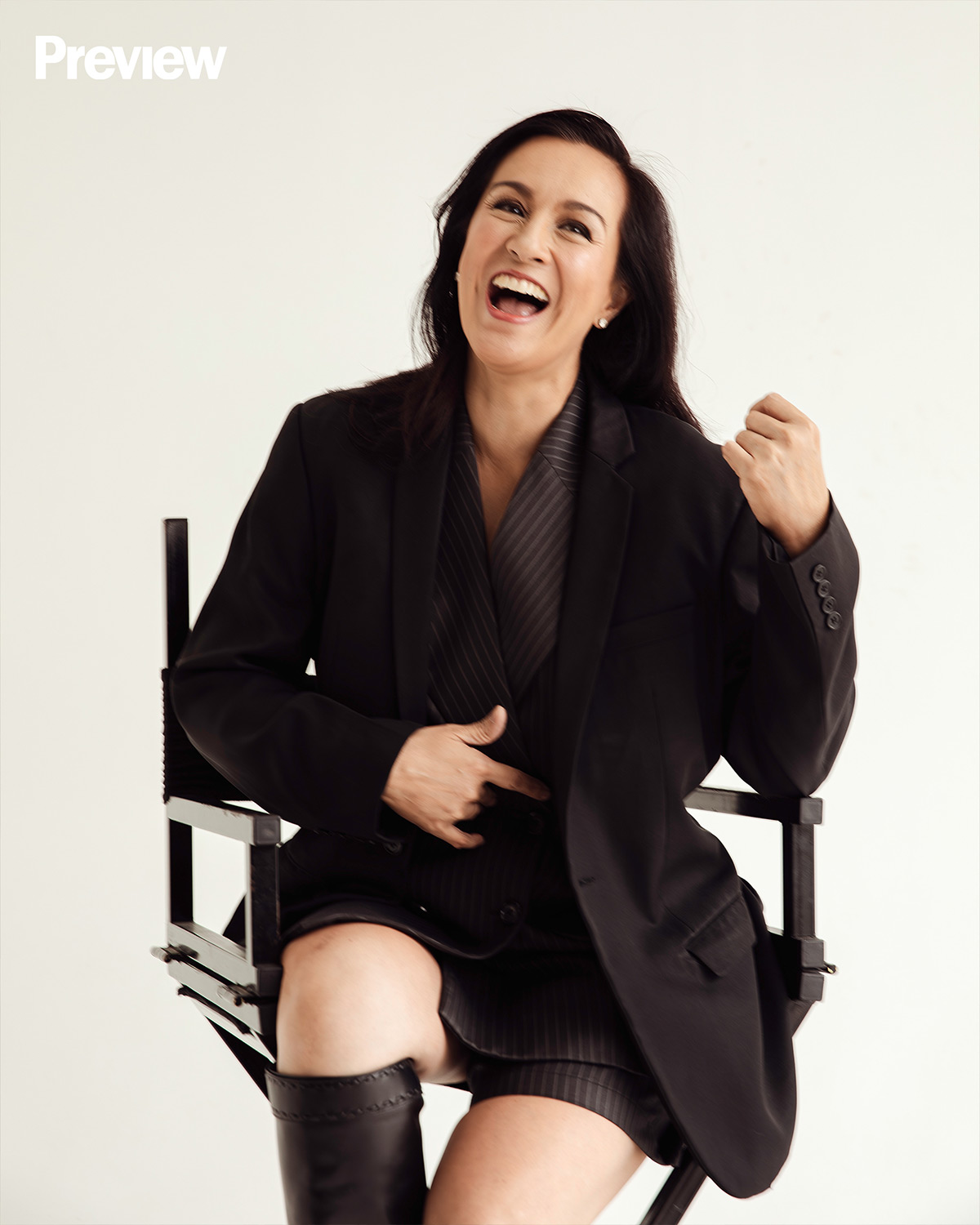
ON MIKEE: Dani Women’s Oversized Pinstripe Suit Shorts & Vest Set in Black, P13,475, BARÒ LABEL, barolabel.com. Black leather high-heeled boots, $1980 (approximately P112,156.11), FENDI, fendi.com.
The leap of faith proved to be fulfilling when she became the first Filipino and Asian woman to be elected to the IOC’s executive board. Much of her schedule involves delving into the technicalities that deliver the Olympics to the globe, such as her involvement in the Coordination Commission. The IOC is still a corporation, whose main product happened to be the Olympics. But Mikee likens the Committee’s system to that of Congress, a setting she recognized, given that she was raised in a family of politicians and public servants, and wedded to Dodot Jaworski, the vice mayor of Pasig City.
“I’ve lost a lot more than I've won. I've learned more from the losses than I have from the victories. So what’s the worst that could happen?”
Belg Belgica
ADVERTISEMENT - CONTINUE READING BELOW
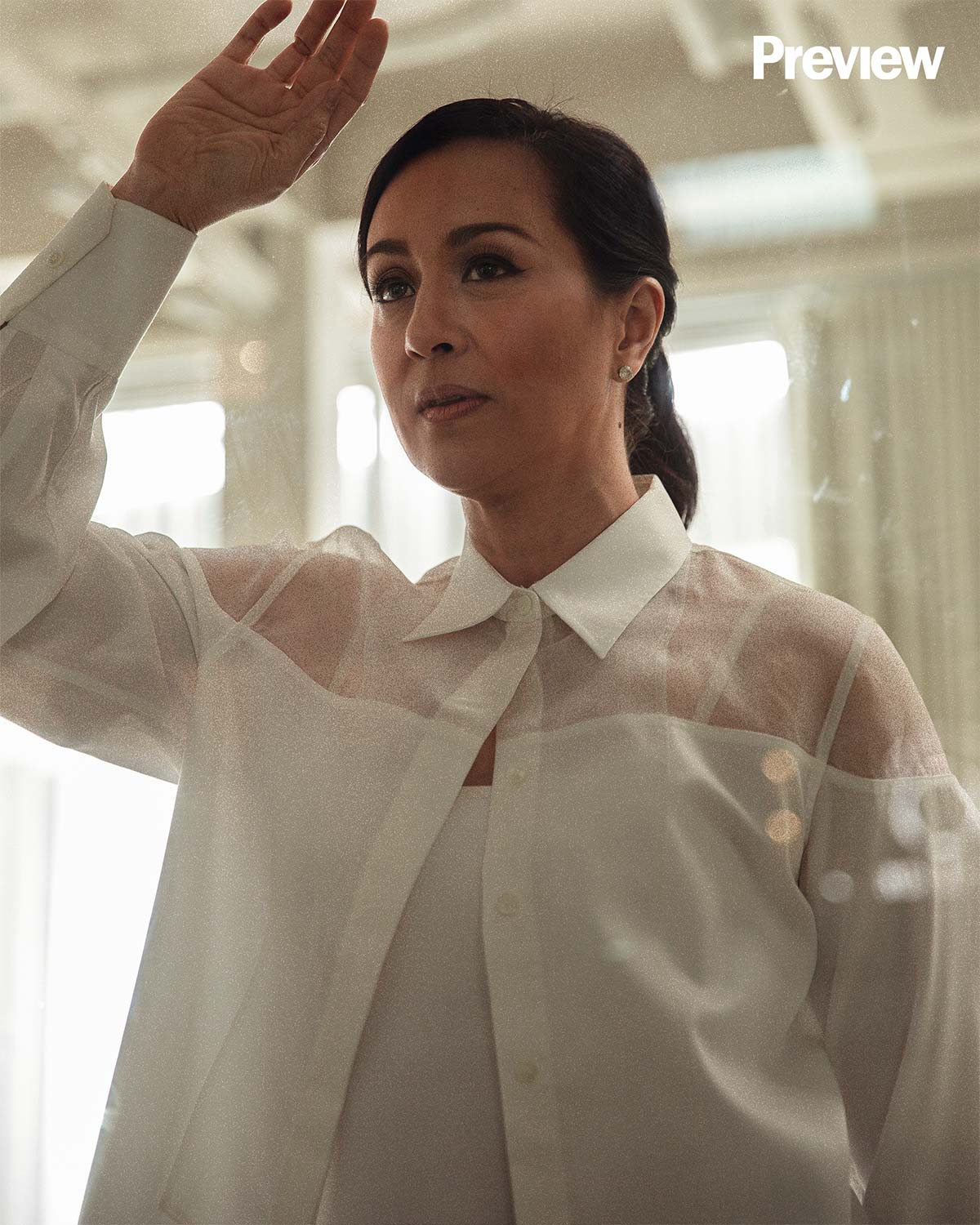
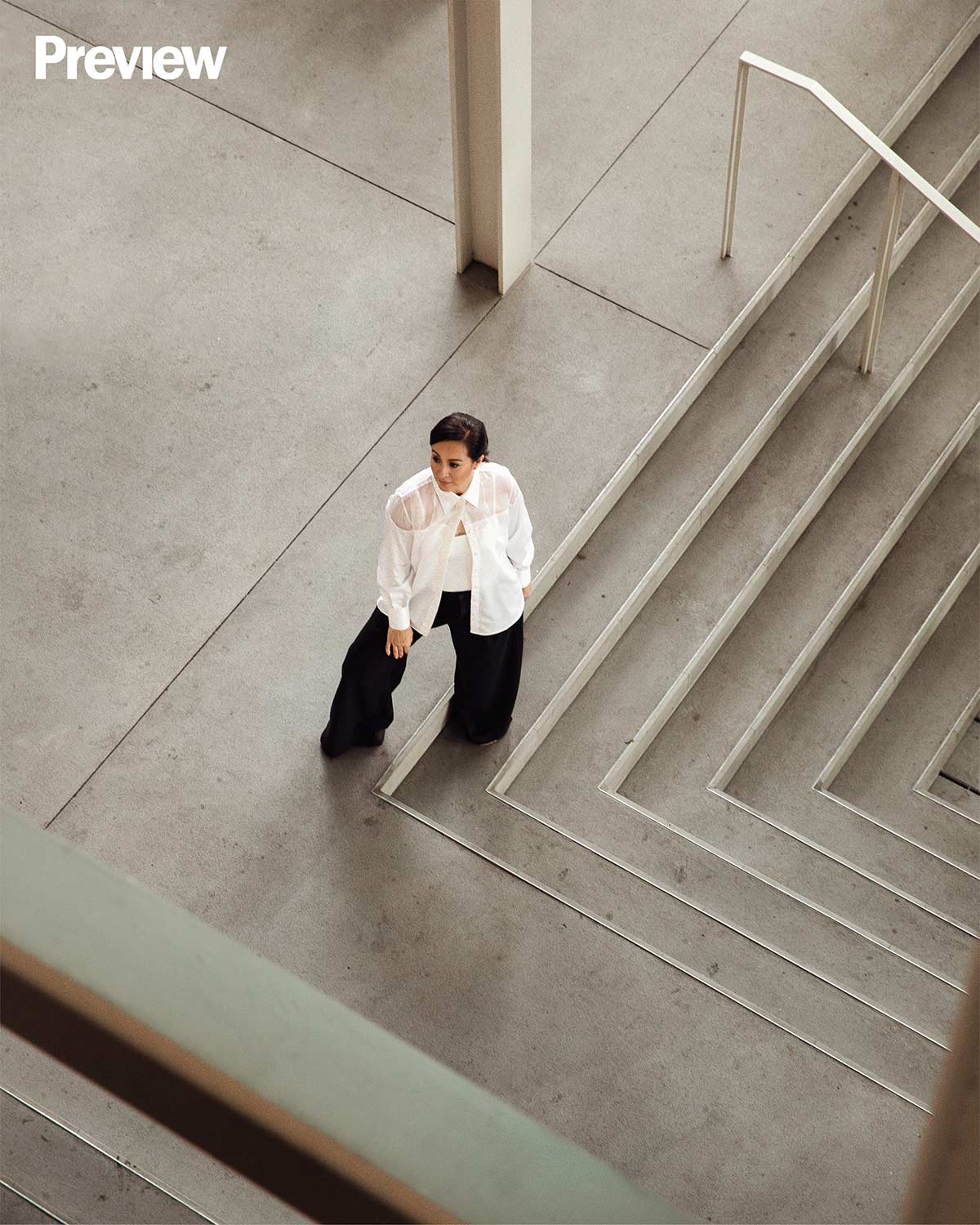
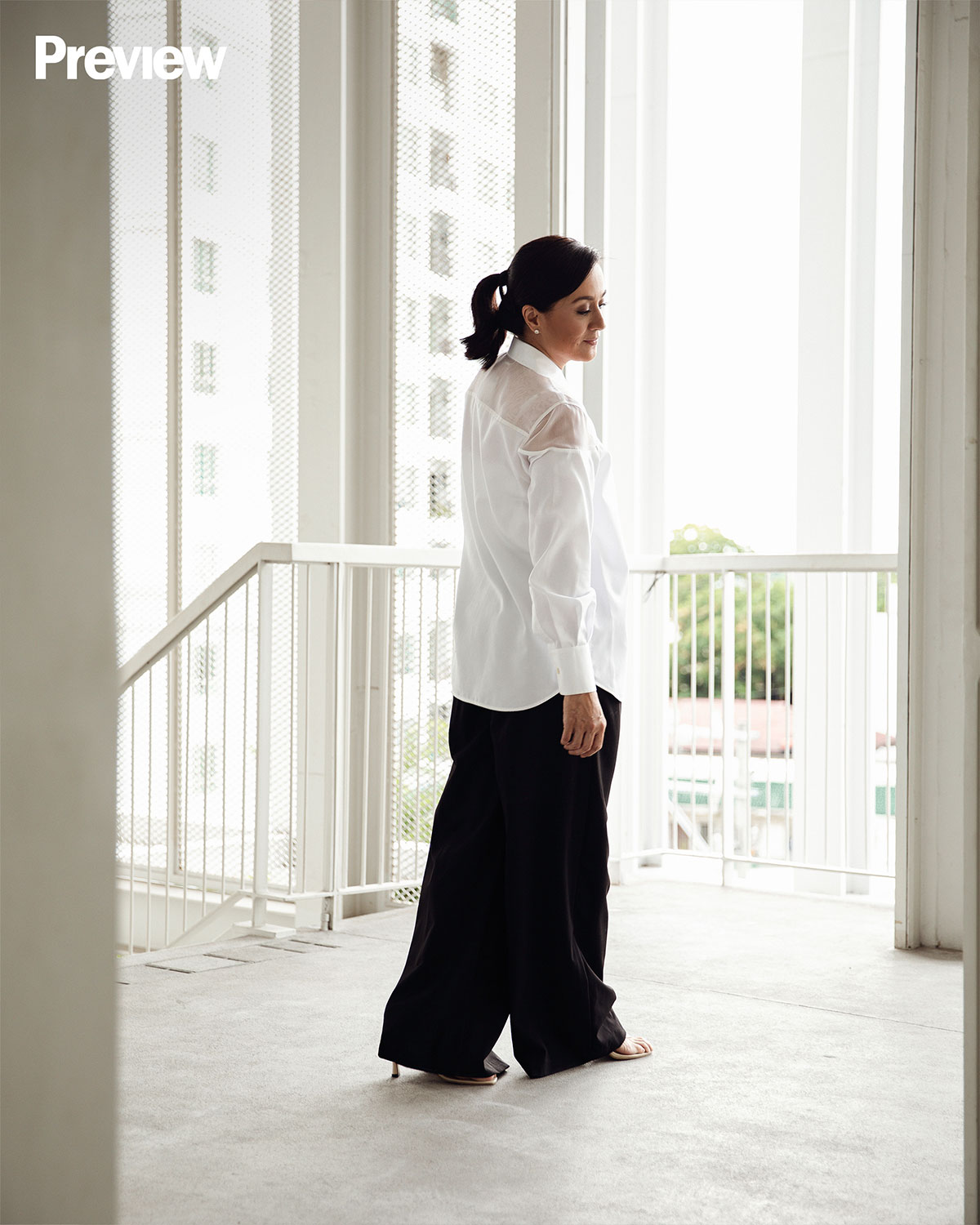
ON MIKEE: White shirt, P31,298, HELMUT LANG, Univers One Rockwell.
“At the Games, it always begins with the IOC having our session. We have our discussions, we see what aspects are going to be affected by whatever decision, whatever idea it is we want to pursue,” she said.
While different factors may come into play in an arena as large as the Olympics, the core of the Games is, and always will be, the athlete. On a personal scale, many of her experiences as an equestrian are embedded in her service to sports and her fellow athletes, even down to her presence and support. In between and part of her schedule, Mikee joined audiences to watch the competitions of Filipino athletes, including the historical performance of gymnast Carlos Yulo, who claimed two golds for his country at the men's floor and vault exercise finals.
Belg Belgica
ADVERTISEMENT - CONTINUE READING BELOW
“Even in Tokyo, we were actually very optimistic about Caloy (Carlos Yulo)’s chances of winning. So coming into Paris, it was the same kind of anticipation,” Mikee said.
“I had [gymnasts] Nadia Comaneci and Bart Conner sitting behind me and I heard them say to someone, ‘Watch him,’” she recalled. “Caloy came out and he was at the top of his game. It was so special. That's an understatement, of course.”
The gymnast’s double-gold win marked an achievement that echoed oceans away into the Philippines and Southeast Asia, as Filipinos’ cried “Pinoy pride,” in an immense boost of morale for two days in a row. Followed by Nesthy Petecio and Aira Villegas’ bronze medals for boxing, the country earned a commendable follow-up to Tokyo 2020, where weightlifter Hidilyn Diaz bagged the Philippines’ first-ever gold.
Belg Belgica
ADVERTISEMENT - CONTINUE READING BELOW
With several wins under the country’s belt after a long medal drought in the aughts, think pieces and internet posts have pondered about the “golden age” of Philippine sports, and whether or not we’re living in its timeline. But while the string of successes is undeniably a feat, it’s one step in progress that Mikee hopes and what athletes strive for.
“I wouldn’t say that we are already [in the golden age]. There’s still a lot that can be done. There’s still a lot that we can reach,” she noted. “I am one with everyone else in celebrating the laurels, but coming from an athlete’s perspective, I don't want to rest on them.”
Belg Belgica
ADVERTISEMENT - CONTINUE READING BELOW
“It’s really awesome that we have a super athlete in Caloy, but to be able to have more is even better. We have two gold medals from one athlete. Let's get five from five different athletes, then we are in a golden age. We haven’t qualified a team in at least the last decades. I would love to watch a team of Filipinos compete.”
A Champion’s Champion
But to fulfill this kind of Olympic dream of a country, solid support must be fostered. On the part of the IOC, scholarships can be given to athletes who need funding, often from those of smaller nations as part of their Olympic Solidarity. With their athlete-centric policies, the Committee also prioritizes Olympians’ lives after and beyond the Games, with mental health support and retirement preparation. But in the case of the Philippines and the aid within the country, the clamor for support can be well-heard from online spaces, where mainstream attention is merely given to those who brought home medals.
ADVERTISEMENT - CONTINUE READING BELOW
“It’s not an easy choice, because you don't see the result of that choice until a few years later,” Mikee remarked. “They have to decide because the resources are finite. Do we put all our eggs in one basket or do we try to spread it and serve a community?”
“There’s still a lot that can be done. There’s still a lot that we can reach. I am one with everyone else in celebrating the laurels, but coming from an athlete’s perspective, I don't want to rest on them.”
Alongside this is a call for support from the government and local officials, which is necessary for an athlete’s growth. Mikee acknowledged this and the government’s current efforts, but cooperation is a necessary aspect, with all parts of the large system needing to work together to develop the skill of one athlete. Resources have to be spent wisely, which is a tricky line to navigate in a country with struggles that are apparent every day.
Belg Belgica
ADVERTISEMENT - CONTINUE READING BELOW
This, for one, is a factor when pondering about the possibility of the Philippines hosting the Olympics in our lifetimes. Southeast Asian countries like Indonesia have hosted the Asian Games, an event similar to the magnitude of the Olympics in its number of attendees, but such a feat requires solid backing in many aspects. “It’s very complex and requires a large investment from the country, whether it’s government or private,” she noted. “Being that I’m also the wife of the vice mayor of Pasig and seeing that hunger remains a problem for a lot of Filipinos, I wouldn't be surprised if it's gonna take a long time for us to get to that point.”
“We only have to watch the news to see how difficult our situation is,” Mikee continued. “I also understand that there are so many issues that our country faces. The magnitude of an Olympic Games is partly what makes it an Olympic Games. Would I love to see the Philippines hosting? Of course, but I think I’m also very pragmatic.”
ADVERTISEMENT - CONTINUE READING BELOW
It Factor
These days, the schedule of one Mikee Cojuangco-Jaworski revolves around her responsibilities with the IOC and her classes in graduate school, but long-time fans would know that she isn’t a stranger to a hectic itinerary. In the '90s, Mikee had juggled university courses, equestrian training, and a growing filmography as an actress. With the showbiz formula of love teams and feel-good films in her teeny-bopper days, Mikee steadily rose as a pop culture staple of the pre-aughts. But for most, Do Re Mi—the 1995 musical comedy that placed Donna Cruz, Regine Velasquez, and Mikee as the titular trio—typified that status.
Belg Belgica
ADVERTISEMENT - CONTINUE READING BELOW
“There's not a single day that I don't get a mention of Do Re Mi. When we were filming that, I was just really having a good time. I wasn't even thinking of [its possible impact], but maybe that’s reflected in the final product,” she said. “I have to say that's the film I enjoyed doing the most, and I'm really happy that it's the one that has [gotten attention].”
Mikee has since then devoted her time as an athlete and sports official, with only a scatter of movie and TV cameos in recent years. But while being in front of the cameras has been placed on the backend of her athletic causes, the former actress isn’t closing any doors. “I've learned never to say never,” she said. A fun and compelling film about friendship, similar to Do Re Mi, could be the one to pull her back onto the movie screen, although a sequel was a different matter. “I would be afraid to do that,” she laughed. “Leave a good thing where it is! It would be so disappointing to have a sequel that didn’t live up.”
ADVERTISEMENT - CONTINUE READING BELOW
Belg Belgica
Mikee thought over her showbiz career in retrospect, which came tangled with the “it girl” title that is often bestowed upon young women from one generation to the next. In the 1990s, the five-time Preview cover girl was among those blessed with the moniker, but not without some wonder on her part.
ADVERTISEMENT - CONTINUE READING BELOW
“I just did what I did. I just sort of bury myself in the work and bulldoze my way through it,” she said. “What indicates to me now that the effort that I did paid off is when people come to me and say, ‘Alam mo, ’yung show mo lang ’yung pwede kong panoorin.’ ‘Alam mo, ikaw lang ang pinapanood ng pamilya ko kung manonood kami ng sine.’ And wow, you don't think those things, especially when you’re in your twenties. You're just thinking, ‘I wanna do a good job, and I’m enjoying it.’”
“I don’t know what I did to get the ‘it girl’ title,” Mikee reflected. “But I just know that it was a conscious effort for me to be responsible about the attention.”
Belg Belgica
ADVERTISEMENT - CONTINUE READING BELOW
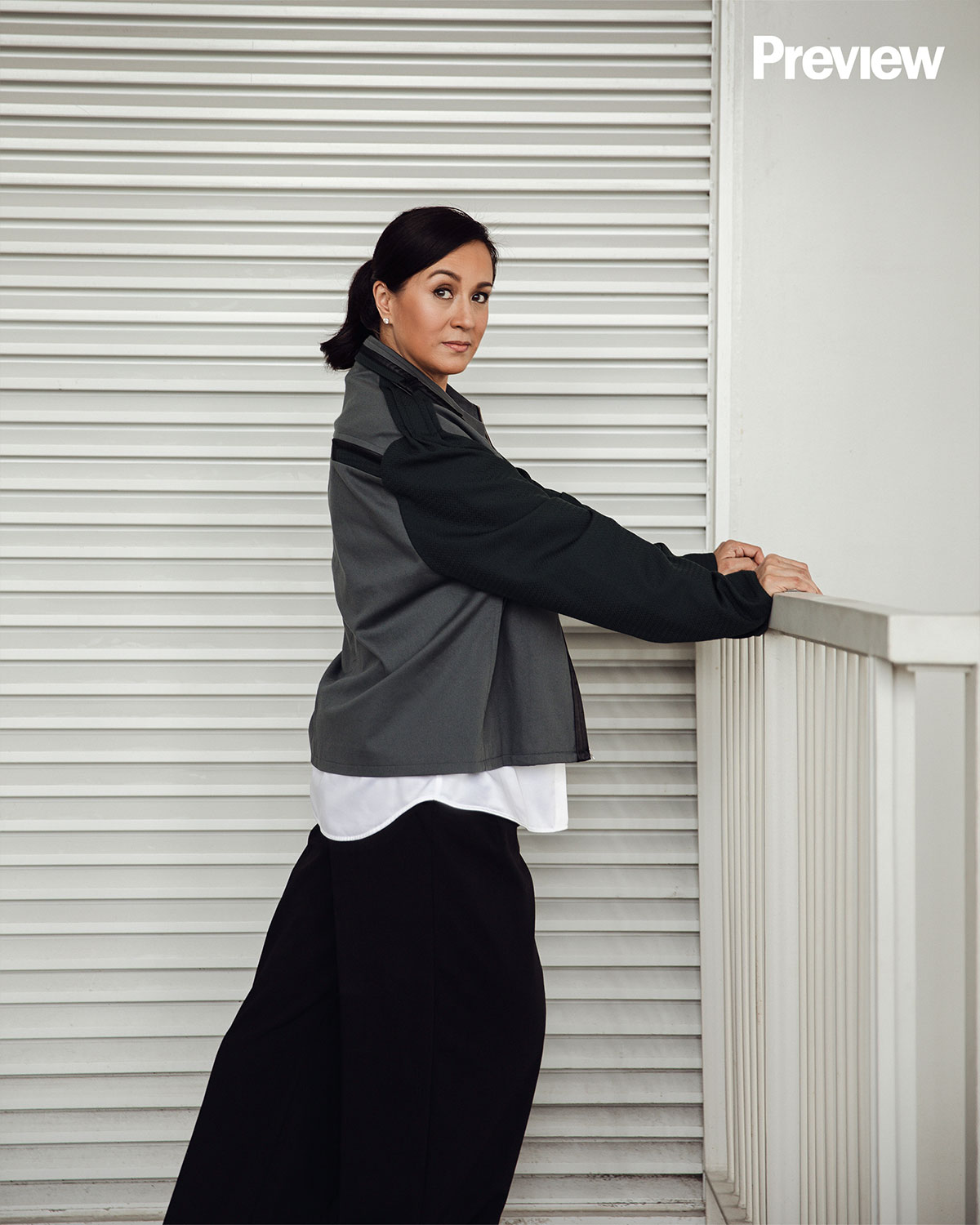
ON MIKEE: Green Ugo Jacket, P65,798, KIKO KOSTADINOV, Univers One Rockwell
Despite spending her recent days out of the camera’s way, Mikee maintains an “it factor” in the way that she has devoted her time championing sports and athleticism. To her, this purpose was much more than the surface-level glory that comes with winning competitions, but the philosophies attached to it.
“I don’t know what I did to get the ‘it girl’ title. But I just know that it was a conscious effort for me to be responsible about the attention.”
“To encourage people to get into sports from the experience of character building is so important,” she said. “You don’t realize it, but you learn how to be your best, you learn how to live with others when you play by the same rules.”
Belg Belgica
ADVERTISEMENT - CONTINUE READING BELOW
Mikee cited the concept called “Olympism,” a philosophy where sport can make better citizens out of people through mind, body, and spirit. It’s central to the beliefs of the Committee as a whole, her own, and many of her fellow athletes that have graced stages from time and time again. “When I look at my own journey as an athlete and everything I went through, it really did feel like a sacrifice,” she said.
“Now, I look back on my days as an athlete and they were still the most fun. It’s always that way in hindsight, but for someone else to be able to experience that kind of journey, it’s enough of a reason for me to say ‘Try it.’ You think about being able to learn the joy of effort in sports as a kid and then, even if eventually you stop, you use it in different parts of your life.”
ADVERTISEMENT - CONTINUE READING BELOW
Belg Belgica
Now, Mikee is steady, firm in her place and purpose in leadership. Here, she passes on this message and acts upon it as part of a larger Committee and a larger mission. “What I learned in the IOC, is that nothing is about me,” she responded when asked about the wisdom that her experiences have offered her. At the end of it, she said, her task is a service—one that’ll keep going on and on, beyond whatever arena.
ADVERTISEMENT - CONTINUE READING BELOW
Produced and Styled by the Preview Team
Photographer: Belg Belgica, assisted by Jyll Bitalac
Creative Director: Bacs Arcebal
Editor-in-Chief: Marj Ramos-Clemente
Production: Katrina Maisie Cabral and Reg Rodriguez
Fashion: Paulina Singh
Hair and Makeup: Eric Maningat
Story: Katrina Maisie Cabral
Videos: Jana Jodloman
Shoot Location: The Villa Studios at The Corner House
Hey, Preview readers! Follow us on Facebook, Instagram, YouTube, Tiktok, and Twitter to stay up to speed on all things trendy and creative. We’ll curate the most stylish feed for you!