
More Videos You Can Watch
Maxine Esteban Is Not Laying Down Her Sword
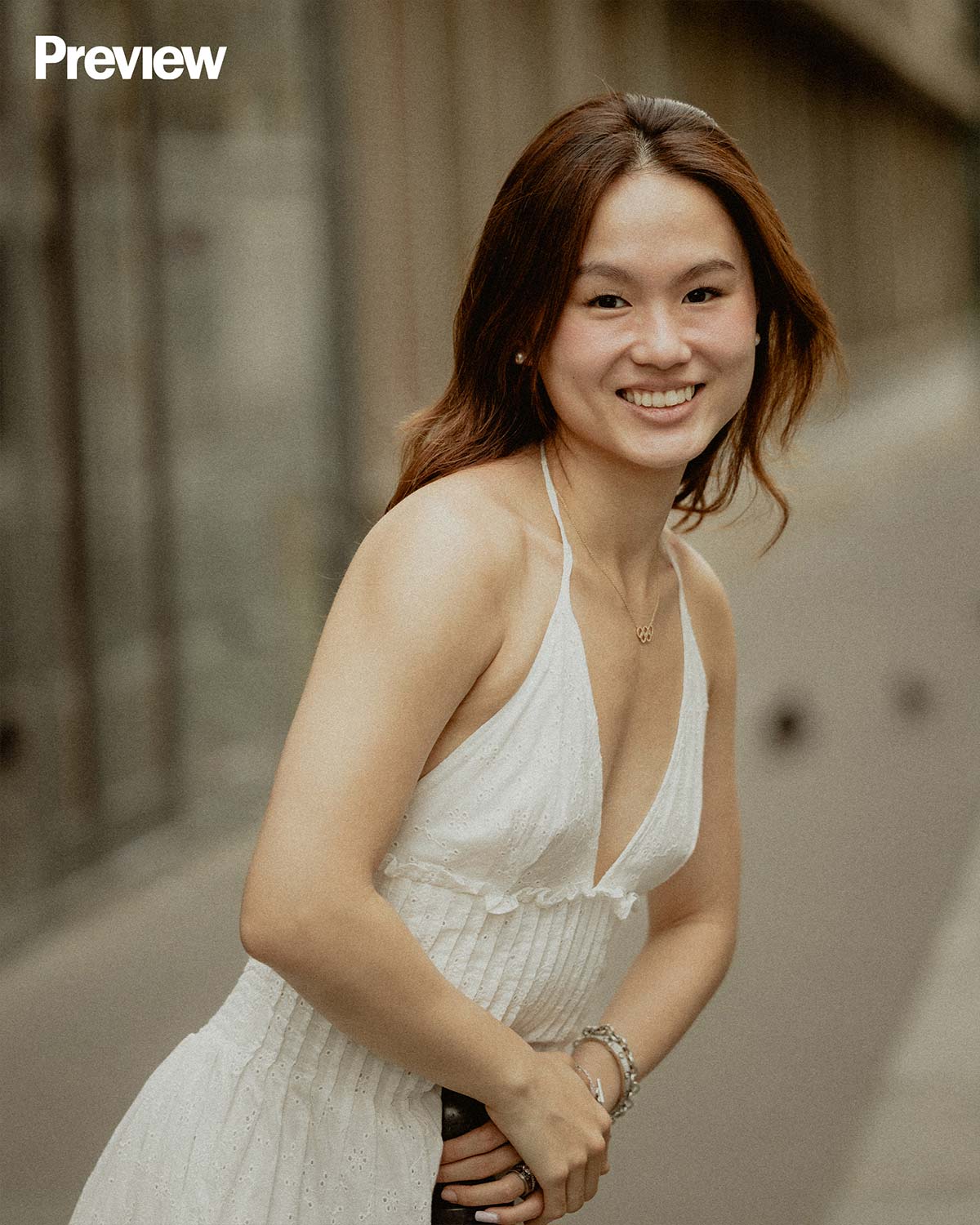
When an injury left her at a crossroads in her athletic career, Filipino-Ivorian fencer Maxine Esteban parried the challenges, landing onto the strip of the 2024 Paris Olympics.
Published Jul 29, 2024
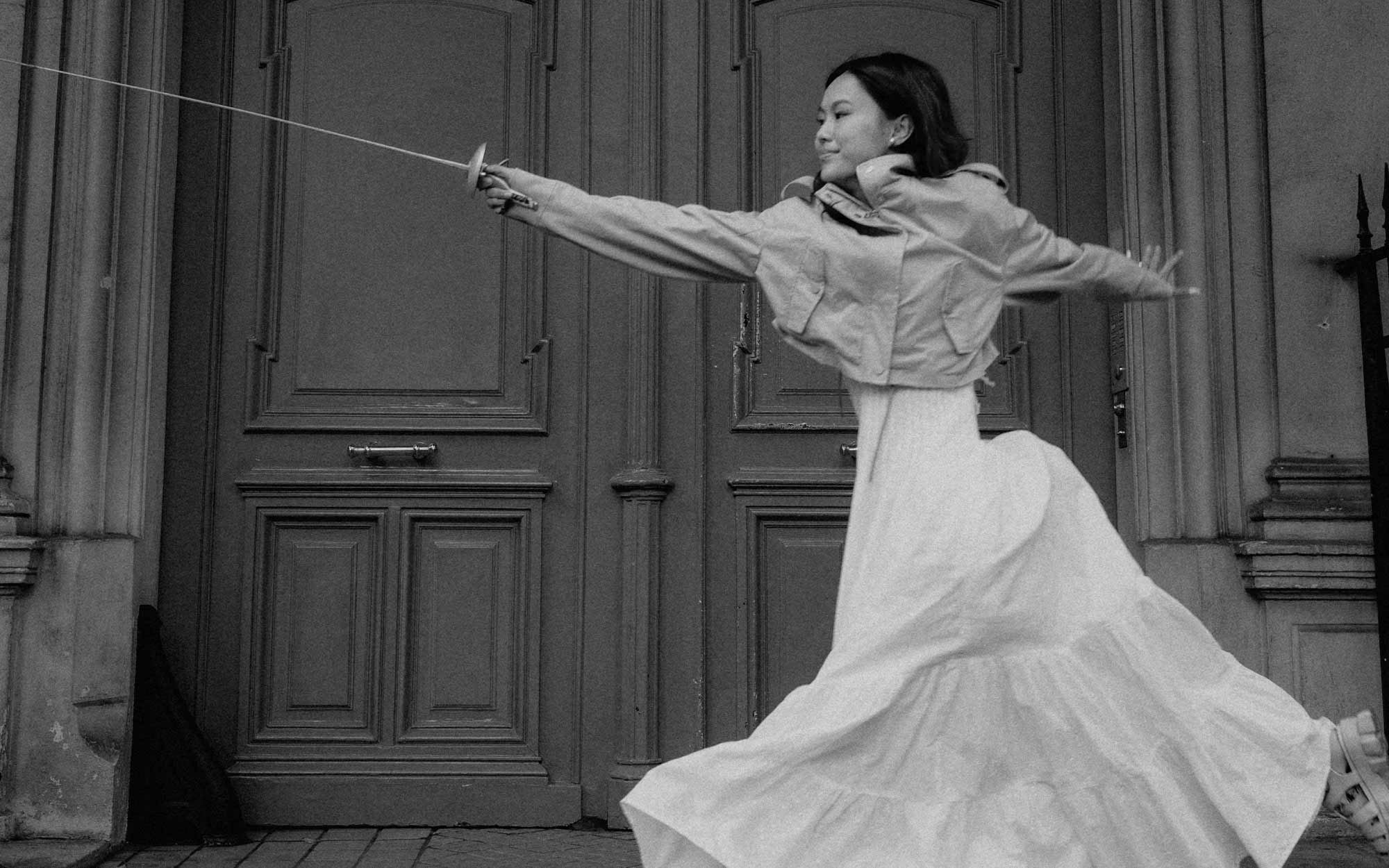
“I want to be remembered as the Filipino-Ivorian fencer who now has the unique responsibility of inspiring the youth of two nations.”
Maxine Esteban was three days into settling in the French capital when I conversed with her on a screen. It was evening in the Philippines, but to her, the afternoon light was streaming inside her room from what seemed like windows in the Olympic Village. “When I saw the Eiffel Tower yesterday, they’ve already put up the Olympic rings,” she told me. “And it just sunk into me that I qualified, after seeing all the Olympic signage, the preparations, and just the general feel of the city.”
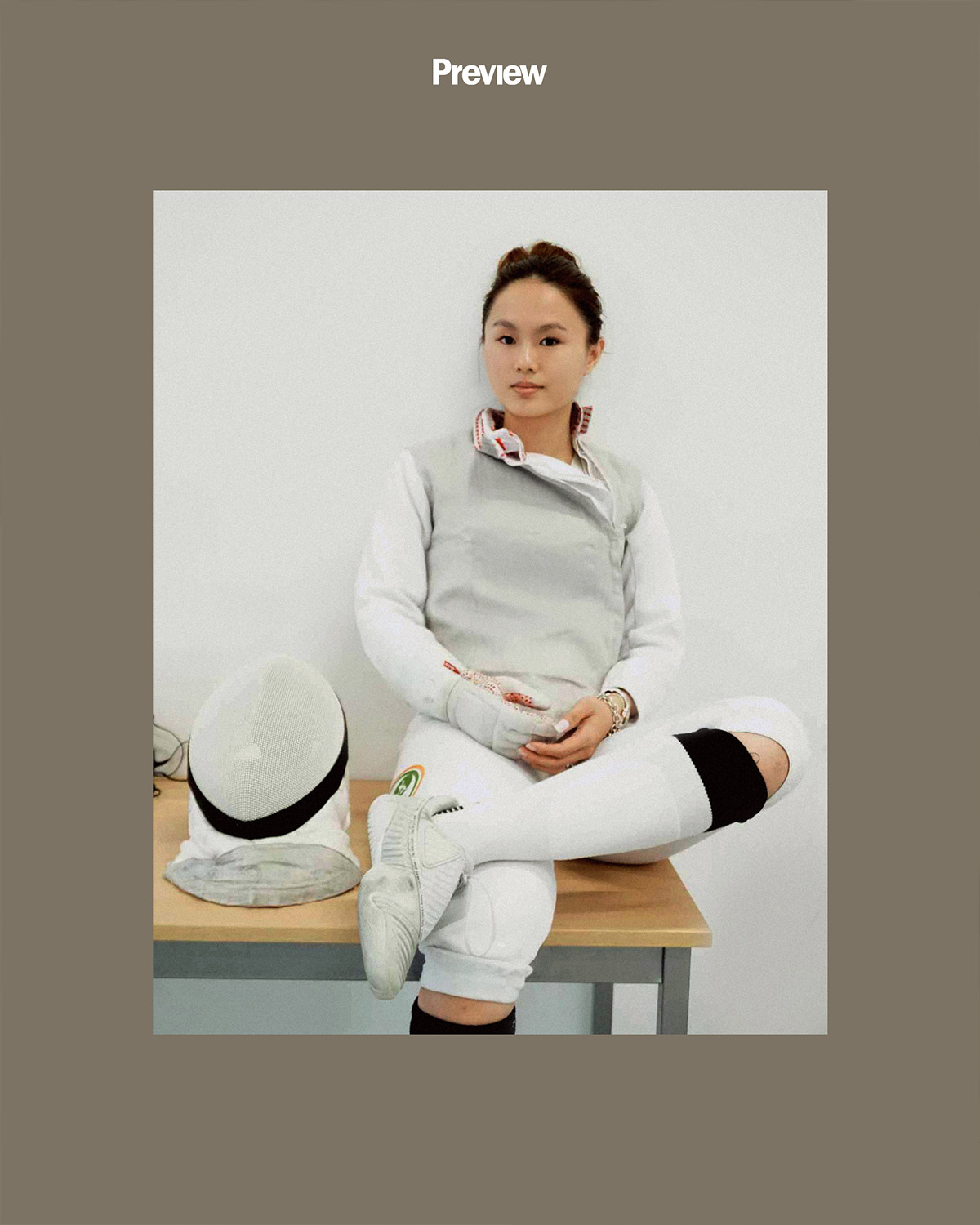
Days before, Maxine was a country away in Germany, where she had lived and trained for a good year. The 23-year-old fencer had called many points in a world map home in the past few years, but amid the stark white of her uniform, three stripes of colors were now distinct on her leg—orange, white, and green, the flag of Côte d'Ivoire or the Ivory Coast.
ADVERTISEMENT - CONTINUE READING BELOW
As an athlete who represented the Philippines, Maxine collected silver and bronze medals at several Southeast Asian (SEA) Games, and before that, a four-time championship as an Ateneo Blue Eagle for the University Athletic Association of the Philippines (UAAP). Her naturalization in the West African country in 2023 made headlines in sports pages, a seeming conclusion to a dispute with the Philippines’ fencing association.
After an anterior cruciate ligament (ACL) injury had left her needing time for recovery, Maxine discovered that her name had been left out of the list of national athletes, despite reportedly issuing an excuse letter. The foil-competing fencer had aired her grievances, which the association also discussed. These days, however, Maxine is moving on and looking ahead, as she recently ranked 27th in the world rankings, a commendable feat for a Philippine-raised fencer.
Despite her exit from the table of 32 at the 2024 Paris Olympics, at this point, Maxine had finally secured her long-time aspiration of being in the fold of Olympians. And as our conversation days prior to the competition proves, the fencer has long parried battles on and off the piste. From here on out, it’s only advancing forward.
CONTINUE READING BELOW
watch now
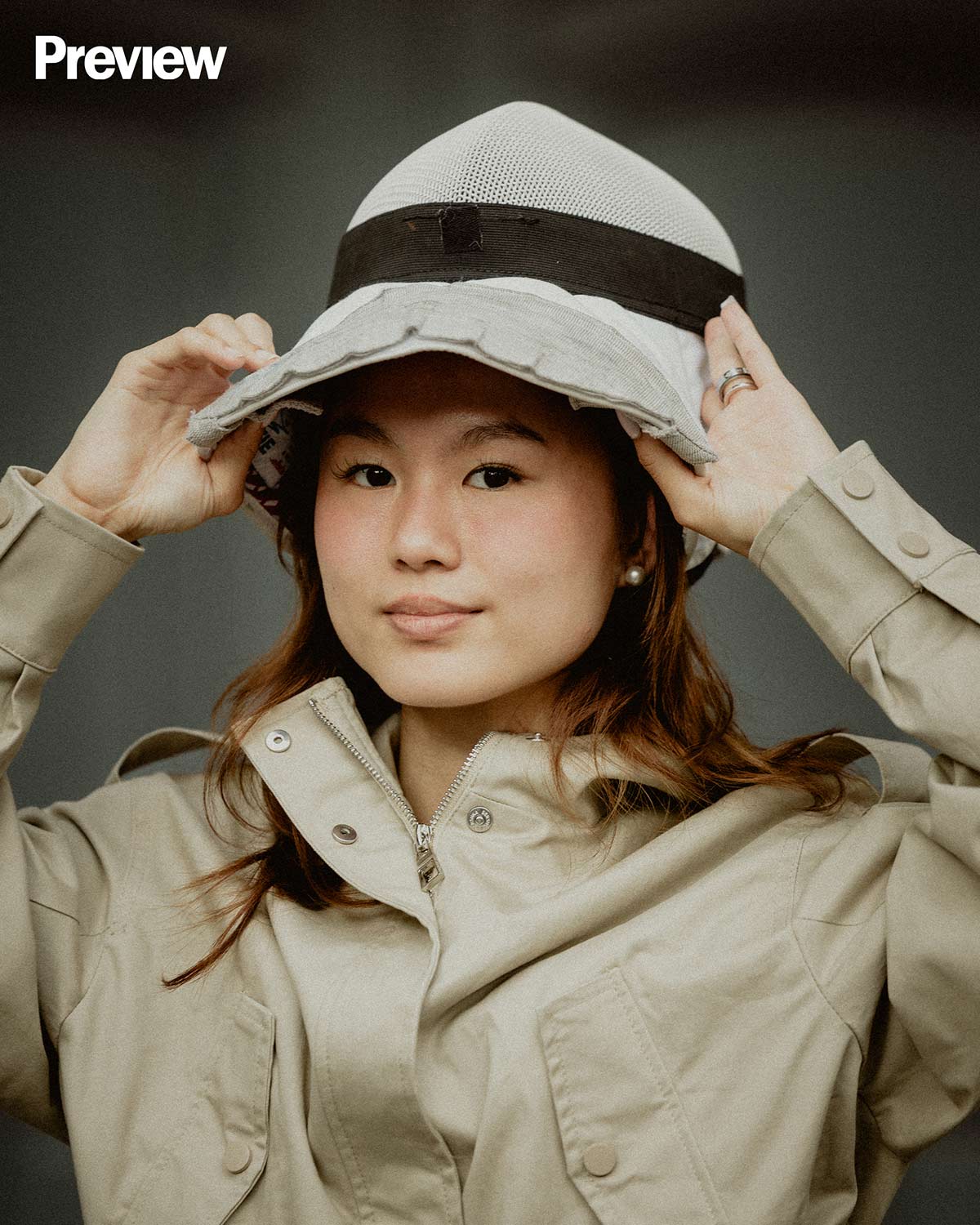
Sherwin De Leon
Filipino-Ivorian Fencer Maxine Esteban on Her 2024 Paris Olympics Journey
You were in Germany just a few days ago, and I imagine it’s been super hectic. How does your schedule look like these days?
“I’ve been living in Germany for almost a year now, and I’ve been training there as well with my coach. Every day we have daily lessons in the morning, and twice a week I go for strength and conditioning in the gym. And then around 6 p.m., we have free fencing with other fencers.
ADVERTISEMENT - CONTINUE READING BELOW
“After the African Championship last June, I also went to Austria for a pre-Olympic camp with the Ukrainian and the Austrian national team. And after that, I’m just based in Germany.”
How have you managed living alone?
“The most challenging part is really missing my home, missing my family most especially, because I'm very, very close to them. My sisters and I, we share a room. And I’m not really a very extroverted person, so I really enjoy the comforts of my own home.
“But it’s rewarding to be immersed in different cultures, then making new friends. I think I will forever be thankful for this journey because there are things that we don't learn just in the confines of a classroom.”
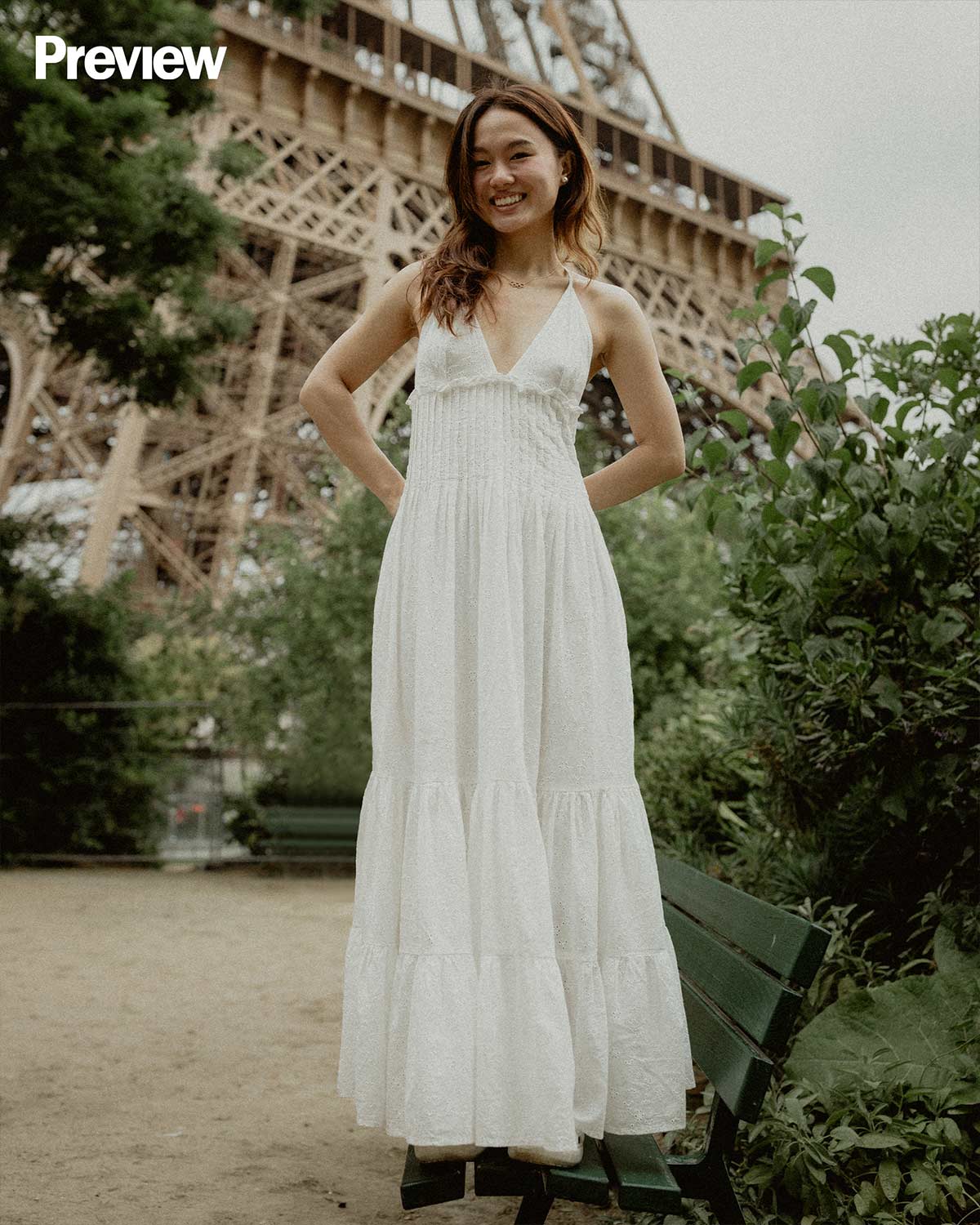
Sherwin De Leon
ADVERTISEMENT - CONTINUE READING BELOW
Were there any cultural experiences that have been particularly memorable?
“One of the most memorable things that I experienced, even if I don't live in the Ivory Coast, was the hospitality and the warmth by which they welcomed me. When I arrived at the airport, I met them for the first time, the national team fencers came to welcome me and they brought flowers for us. It was just so sweet. They also took turns and brought me to different sites, different restaurants in Abidjan, so I can really immerse myself in the culture.”
What was challenging to you, though?
“Well, maybe transitioning to actually living alone. I think the most challenging part is doing the household chores. Because these were the initial challenges that I had to face, but now I'm a master of cooking, doing the laundry, and mopping the floor. (laughs)”
What’s your specialty dish?
“Adobo!”
ADVERTISEMENT - CONTINUE READING BELOW
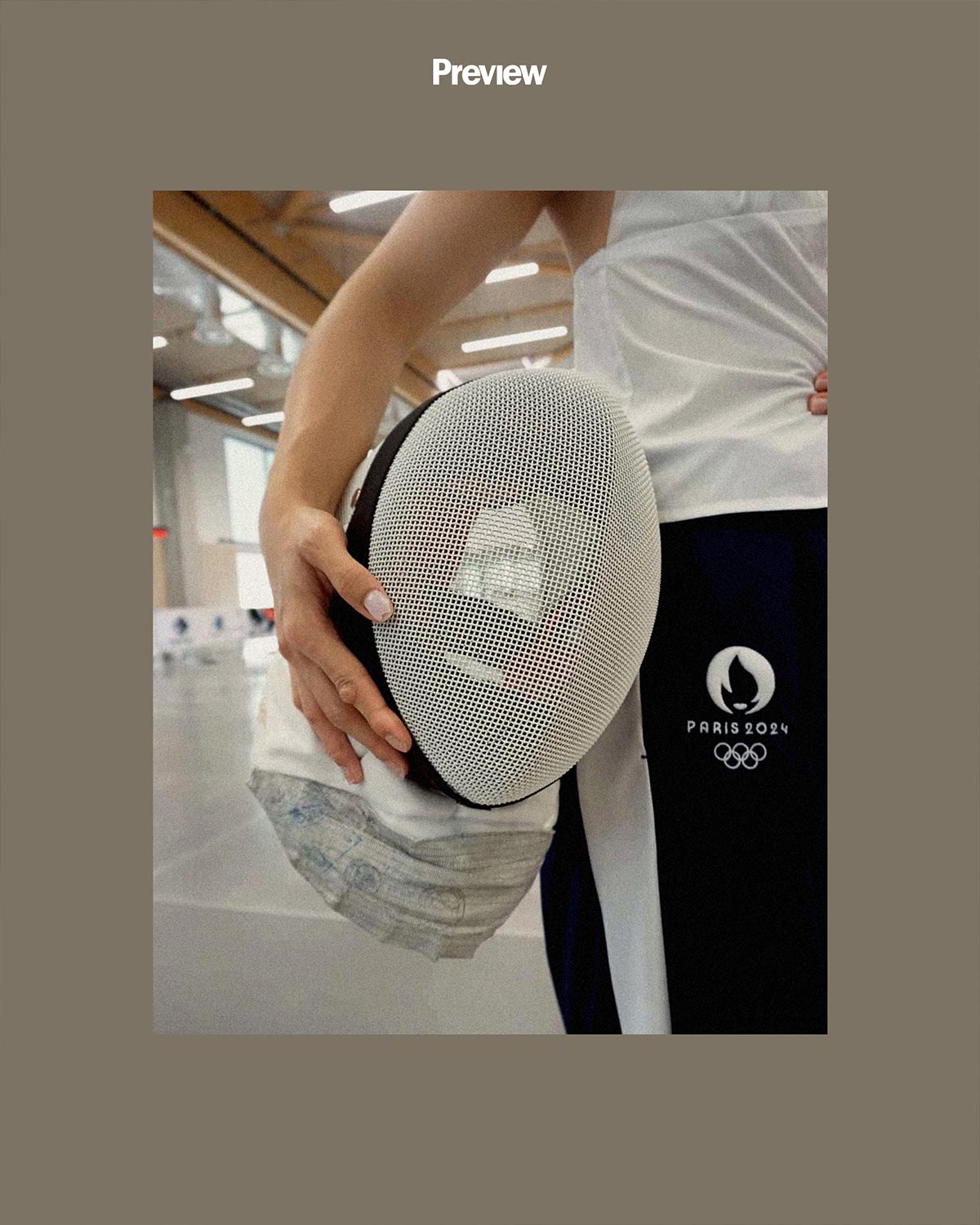
Mia Esteban
Now that you’re part of the Ivory Coast, do you think immersing yourself in this new culture broadened your perspective as an athlete?
“My coach always told me that living in a different country alone and learning the ropes and the culture, familiarizing yourself with the place–like the train and the bus system–really makes you a smarter person. In the process, it also makes you a better athlete.
ADVERTISEMENT - CONTINUE READING BELOW
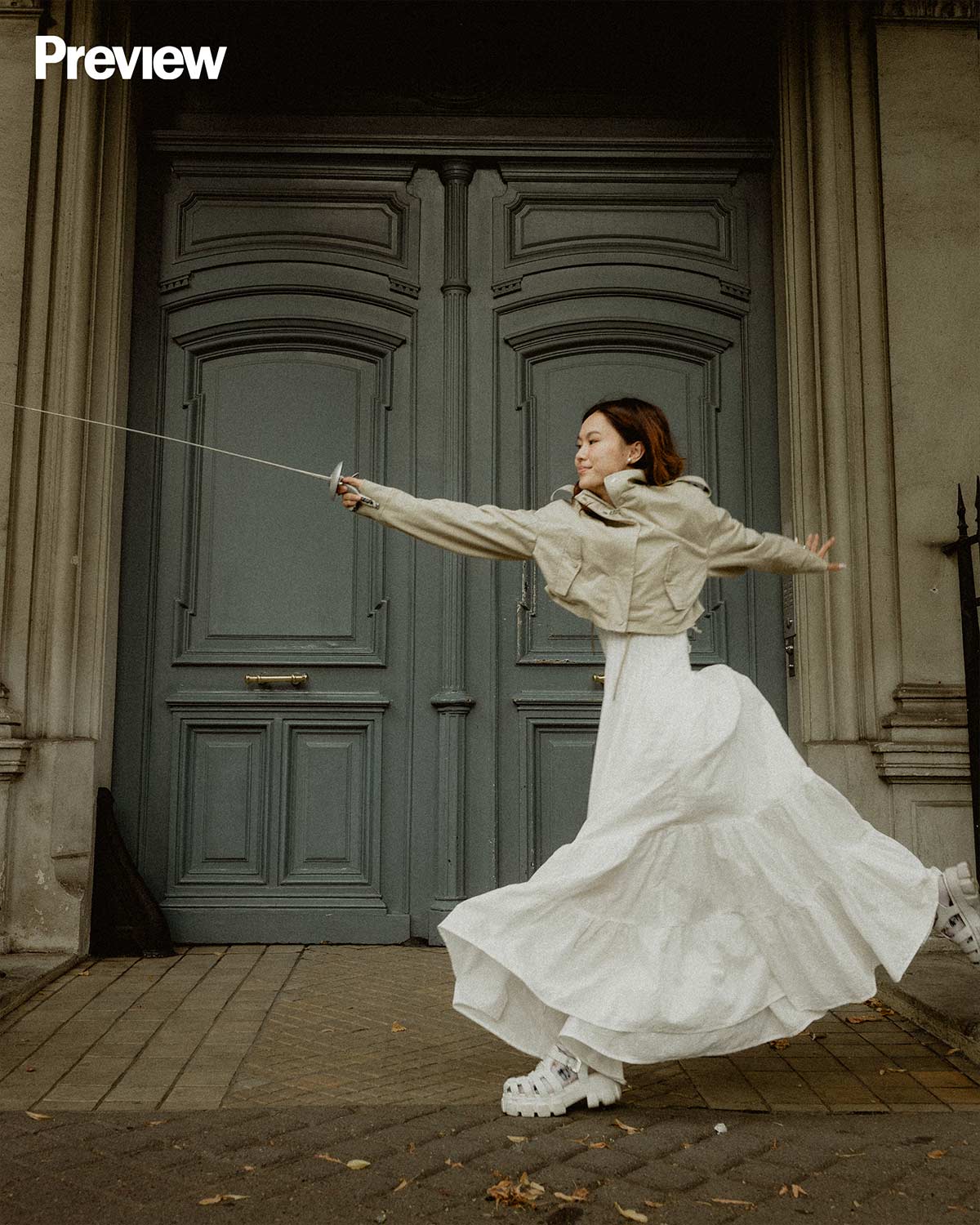
“In fencing, for example, you’re alone in the piste. You need to make split decisions in seconds and you have to outsmart your opponent. In life, we also do this daily. The system can be complicated and then you have to be alert, you have to be fast.”
Sherwin De Leon
ADVERTISEMENT - CONTINUE READING BELOW
You’ve mentioned that The Parent Trap inspired you to take on fencing, but even before that, you were also a competitive figure skater and swimmer. Your family has always been avid sports enthusiasts, but to you, what is it about sports that drew you into them?
“I would most definitely say that initially the influence of my parents, who were also athletes, drew not just me, but also my siblings. The competitiveness in me and also the mixed feelings and emotions that come with the interplay of sports, it kept me hooked.
“When I was into figure skating, it was really surprising that I found the daily training and the daily grind to be fun, like learning new skills and crossing over to a new level. It just always kept me more interested. So I just continued.
“And in fencing, it was the same. I really like how it was not just about being fast or agile. It was also about strategizing and making last-minute decisions on the strip and the adrenaline rush at each point. Sometimes you also have to be unpredictable because it’s part of the fun and the enjoyment of the sport.”
ADVERTISEMENT - CONTINUE READING BELOW
Sherwin De Leon
Aside from sports, you play the violin and you graduated from the University of Pennsylvania summa cum laude. Is there a conscious effort on your part to be an achiever?
“Looking back, I never really felt that I was an overachiever, but my parents always instilled in us good study habits and they always encouraged us to excel academically. They encouraged us to take one musical instrument and a sport of our choice. They also reminded us that when we do something and when we try to do something, then we have to do our best. I think I always thought that doing well in academics and being passionate about other things were normal. We only have one life, so we have to make the most out of it.”
ADVERTISEMENT - CONTINUE READING BELOW
And with the nature of competition, you’ve faced wins and losses.
“My fencing journey has not been easy. I had to overcome many challenges and setbacks in the last decade.
“In college, I had a really hard time balancing my academics and my sports because I was in the Management Engineering program of Ateneo [de Manila University] and I competed twice monthly in Europe. So I spent most of my weekends on the plane studying and doing projects and always being at the mercy of my professors.
“But while doing all these, I also suffered. I tore six pairs of tendons and two nerves on my fencing arm and my fencing hand when I was 15. I also tore my ACL completely in the year 2022, which was a few months before the Olympic qualifying season started. So yeah, I had to have three major surgeries in my career. And then came my removal from the Philippine national team. It was really a challenge for me to face.”
ADVERTISEMENT - CONTINUE READING BELOW

Mia Esteban
Was there ever a point when you considered giving up?
“There were many points in my life when I felt like giving up. I think it would be a lie to say that I was not really affected at all. My mental and emotional state had been severely affected. And I was very anxious, stressed, and tormented by the hurt and being uncertain about the future. But all these have affected my performance in the past year while I competed in the Olympic qualifiers.”
ADVERTISEMENT - CONTINUE READING BELOW
How do you manage to pick yourself back up?
“I always told myself that as long as I've done my best, then I'm already a winner. As long as I'm firm with my values and I have not earned anything at the expense of others, then I'm already a winner. And then I am fine.
“I think a lot of it also has to do with my personal relationship with God. So when we succeed or when we fail, I just try to see the silver lining in things. And, you know, this keeps me sane and secure.”
Fencing is often an individual sport, strictly speaking, but you’ve always been surrounded by a support system. You have this both in the Philippines and the Ivory Coast. How have your relationships with coaches and fellow athletes shaped your career?
“More than winning, sport teaches us about sportsmanship and camaraderie. One of the things that really shaped my career in fencing is having a good relationship with my teammates. Having a good relationship doesn’t only entail being supportive of one another, like cheering for one another and hanging out with them. It goes beyond that.
ADVERTISEMENT - CONTINUE READING BELOW
“When I was in the Philippine team, I took it upon myself to be sensitive to their needs as well. Since I know a lot of them are financially challenged, I help them a lot financially. Many times I also use my hard-earned endorsement fees or sponsorship to finance their training and their competitions abroad.
“And I always try my best to speak up for them because sometimes when there are issues, and I know it's hard for them to voice out their views, I would do it because for me, being a teammate is not just being a fair weather teammate. You need to be there for them, even in the harder times. It’s the same thing with the Ivory Coast. I will start doing the same for them. I believe that more than winning, the value of sport is learning how to love and support one another.”
ADVERTISEMENT - CONTINUE READING BELOW
Sherwin De Leon
You’re representing the Ivory Coast, but you’ve been vocal about your pride as a Filipino athlete. Since you’re playing for a different country, how do you maintain and celebrate your Filipino heritage?
“I have always been very vocal about my sentiments that I was born and raised in the Philippines, and I spent my whole fencing life fencing for the Philippines, winning historic firsts for the Philippines, and competing for the Philippines, side-by-side, with my teammates. So I will forever be Filipino at heart. But, you know, life brings us circumstances beyond our control.
ADVERTISEMENT - CONTINUE READING BELOW
“I'm very fortunate that Ivory Coast has offered me not just a place, but also support and love for a new home. I will continue supporting Philippine sports and I will continue telling people how beautiful the Philippines is. And most of all, I will continue being an excellent and respectful goal-driven athlete in the fencing community, so that when other athletes see me, they can also emulate and can reflect a positive identity of a Filipino.”

Sherwin De Leon
ADVERTISEMENT - CONTINUE READING BELOW
Counting your experience, what advice would you give to Filipino athletes?
“There are many things. And I’ve always said this: the Filipino athlete is very talented. Choose something that you’re always that you’re passionate about and strive to be excellent in it. So focus on your goal, fight for what is right, and do everything with integrity.”
What does life look like for Maxine, post-Paris Olympics?
“After the Olympics, just like other Olympians would do, I will rest for a while because it’s been a long, tiring year and I’ve been away from home for three years now.
“The long-term goal is maybe to finish a master’s degree and start my own successful and sustainable business venture. And, you know, maybe if God willing, try to qualify again in the 2028 Olympics.”
Mia Esteban
ADVERTISEMENT - CONTINUE READING BELOW
When all is said and done, how do you want to be remembered in the Philippines and globally?
“I want to be remembered as a very passionate athlete who represented the Philippines and who won many historical firsts for the Philippines, who is actually the first homegrown Filipina fencer to qualify in the Olympics, [even though] I’m not representing the Philippines.
“I want to be remembered as the Filipino-Ivorian fencer who now has the unique responsibility of inspiring the youth of two nations.”
Sherwin De Leon
ADVERTISEMENT - CONTINUE READING BELOW
This interview has been edited and condensed for clarity.
Photographers: Sherwin De Leon and Mia Esteban
Story: Katrina Maisie Cabral
Shot in Paris, France
Special Thanks to Myla Cammayo of Brand It Co
Hey, Preview readers! Follow us on Facebook, Instagram, YouTube, Tiktok, and Twitter to stay up to speed on all things trendy and creative. We’ll curate the most stylish feed for you!