
More Videos You Can Watch
How Madge Reyes Sets Stories in Motion
The dancer, choreographer, and founder of Fifth Wall delves into the vision of the country’s premier movement platform, and how it’s making dance accessible to many.
Published Sep 30, 2024
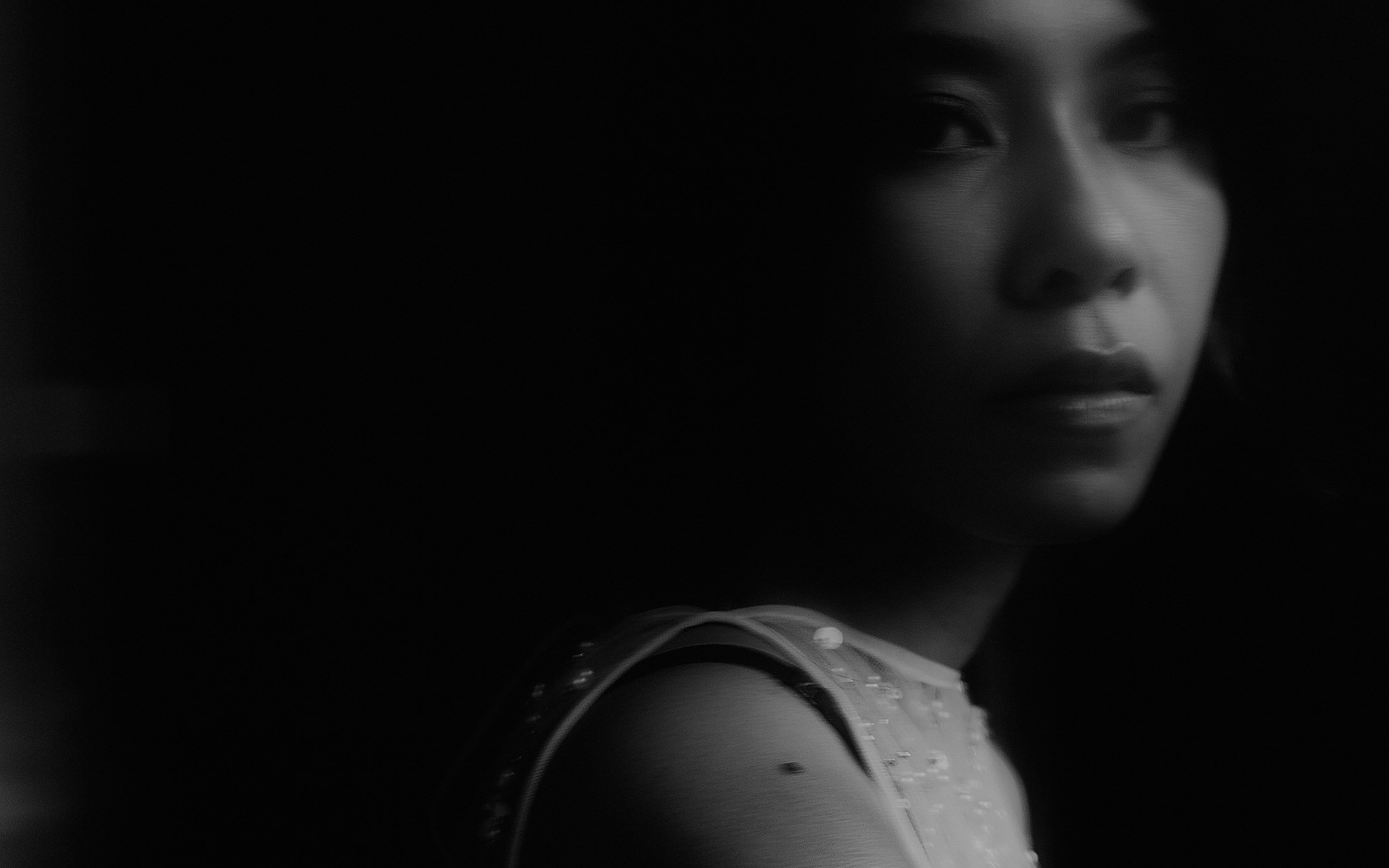
The award-winning dancer and founder of Fifth Wall is letting the movement speak for itself.
Rhythm is innate–not only in a dancer, but in the workings of nature as well.
This seems apparent in how even the youngest bodies are hard-wired to respond to a beat and compelled to move once music fills a space, as if it were as rudimentary as their first steps in walking. Movement is everywhere, and often, there is an art involved in it, even in simple manifestations. The vision of Madge Reyes’ Fifth Wall is hinged on that phenomenon, one the founder is familiar with, after having been a dancer for most of her life.
Looking back, Madge walked her first steps into the world of dance at the age of three, when her mother had signed her up for her first ballet lessons. While no one would bat an eye to a young girl spending her spare time outside of class in a dance studio–to many, ballet class felt like a universal point of girlhood–Madge kept going, even until adulthood.
ADVERTISEMENT - CONTINUE READING BELOW
“I just didn’t stop dancing. I kept going because I loved it so much,” she reflected. “And to the point that I was juggling dance throughout high school and college while other kids were, you know, having a life. I loved dance so much that I couldn’t live a day without it.”
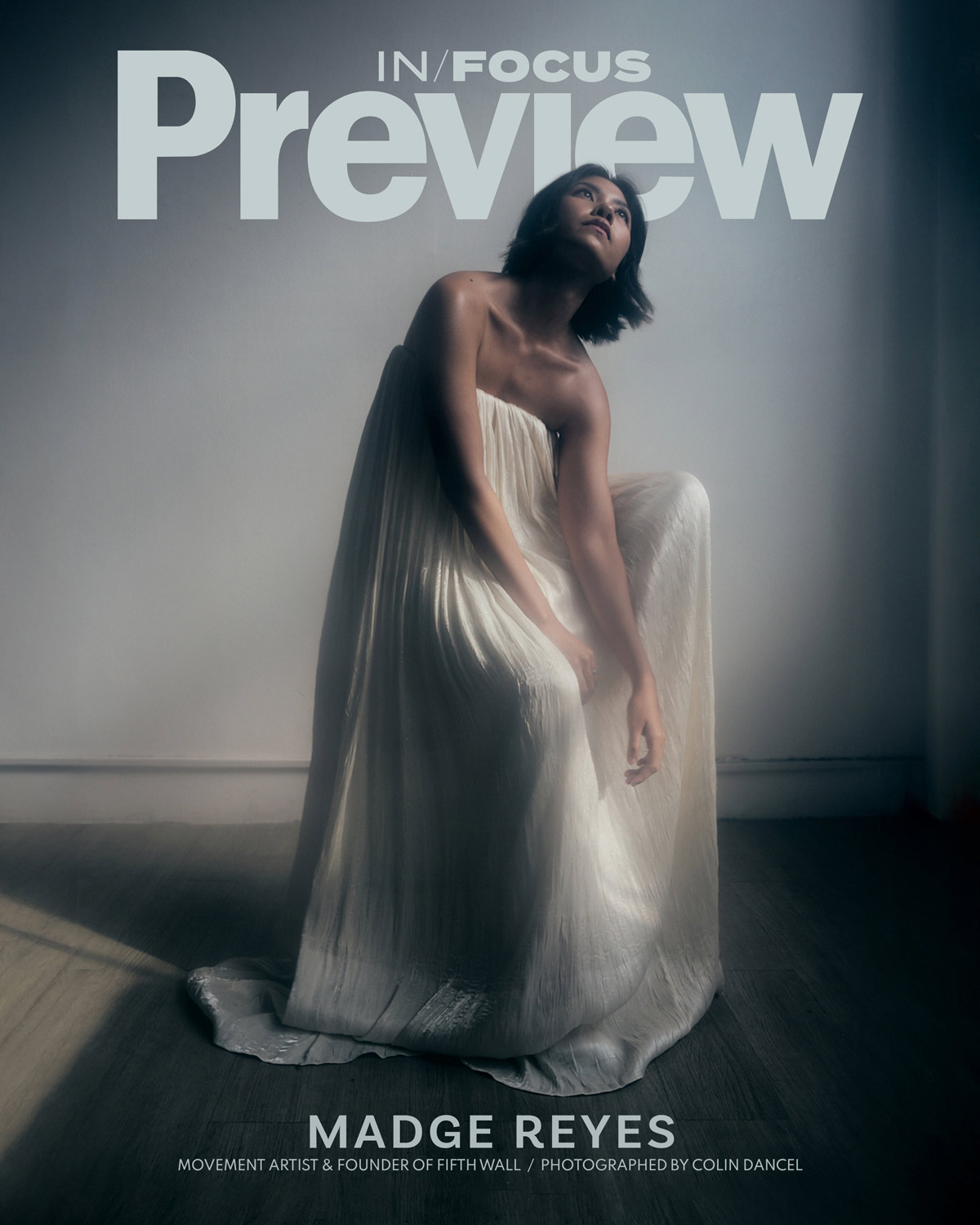
Colin Dancel
CONTINUE READING BELOW
watch now
Madge Reyes for Preview In Focus September 2024
The First Steps
If her classmates traded in their ballet shoes and recital tutus for other adolescent fancies, the art of dance had already tied into Madge’s life passions. At eight years old, the then-young ballerina began competing on international stages, where she would bring home medals and awards that honored her promising talent. By 16, she had a prestigious accolade added to her shelf: a Luva Adameit Special Award, a time when she was compared to legendary ballerina Dame Margot Fonteyn by a local dance paragon, Steve Villaruz.
And if many young women her age became debutantes, Madge debuted on another stage as a professional dancer at the Ballet Philippines. From her apprenticeship, the then-21-year-old would soon shine even further as a soloist.
Her training had bestowed her the needed technicalities involved in performing, but it also shaped how she viewed dance as a whole. After being heavily trained in classical ballet for most of her growing years, Madge soon found other forms in contemporary, jazz, and modern styles, which seeped into other forms of art.
ADVERTISEMENT - CONTINUE READING BELOW
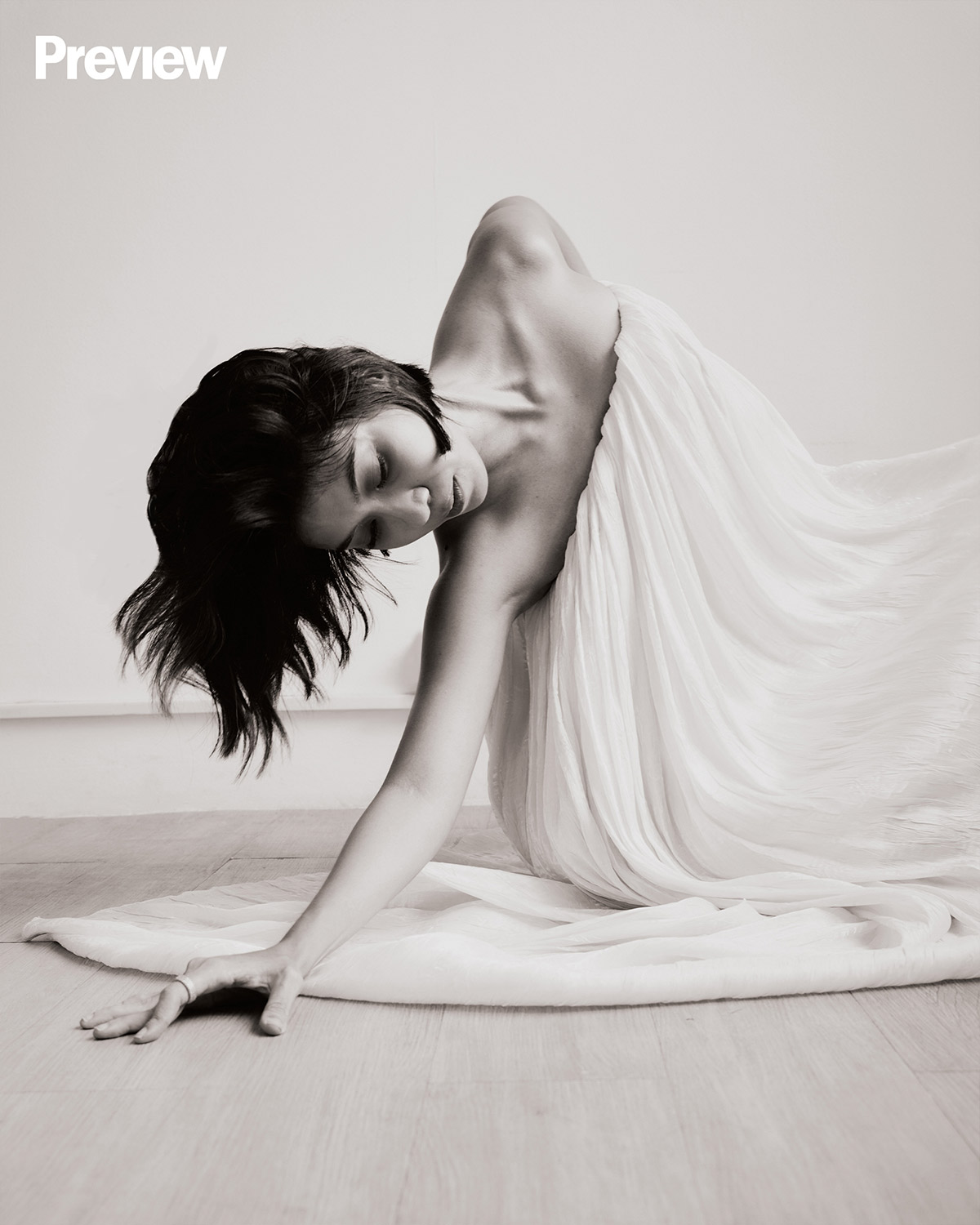
Colin Dancel
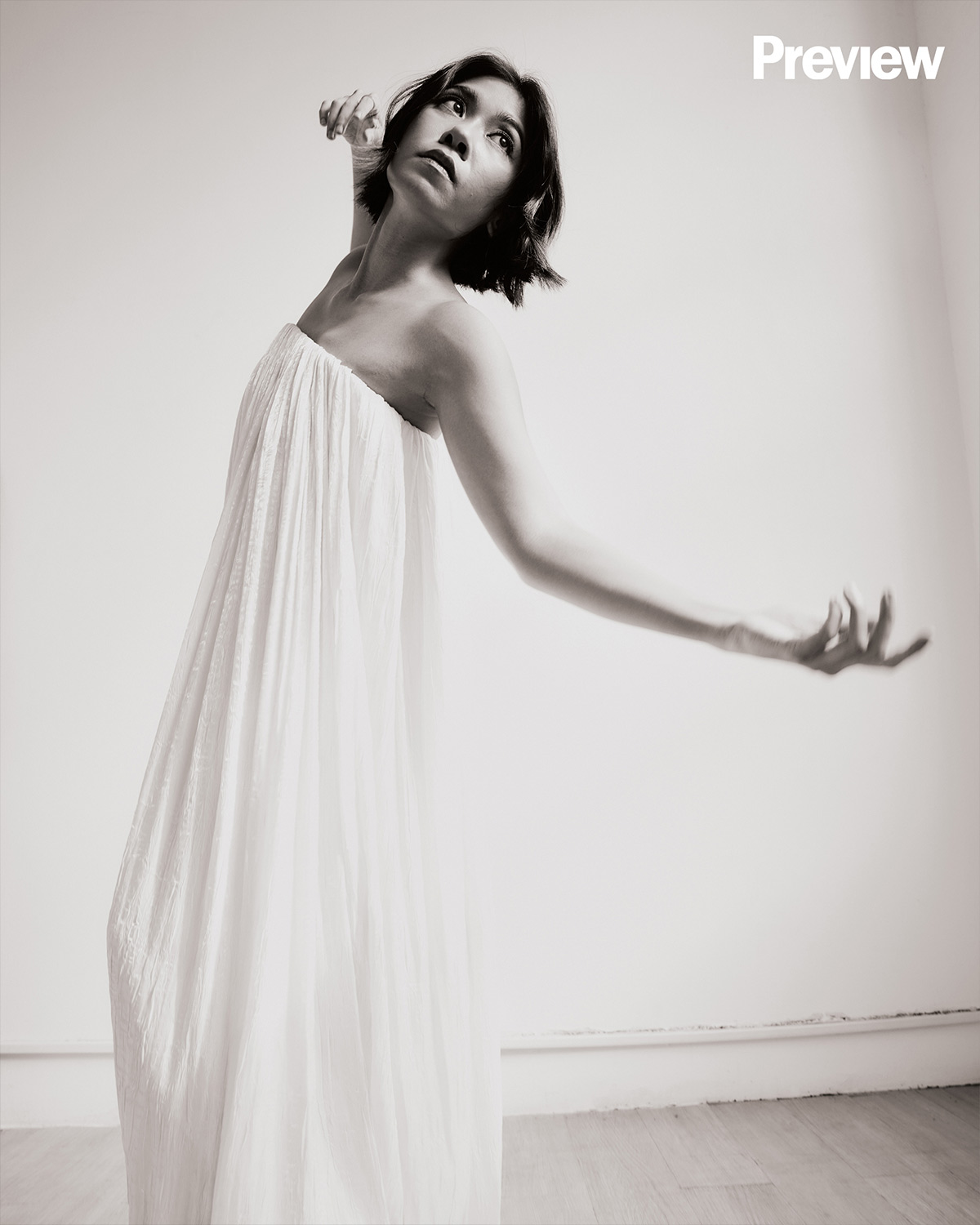
ON MADGE: Crinkled Shapeless Tube Dress, P14,998 (rental price), SASSA JIMENEZ, Vestido Manila, vestidomanila.com
“With classical ballet, it’s usually a big production and there’s a narrative behind it,” she explained. “The kind of storytelling I was used to was in that format. Years later, I explored and found things that I was into. I found dance films, I found visual art, I found fashion–all these creative disciplines.”
ADVERTISEMENT - CONTINUE READING BELOW
At the core of it were stories that were told across disciplines, which would later take root in the fusion of two forms–dance and film. As a Fine Arts undergraduate at the University of the Philippines Diliman, Madge’s dance film thesis titled Improve signaled a seedling of what would become Fifth Wall.
Madge recalled toying with the idea of a dance film festival as part of her thesis’ activation, which she “didn’t think much of at that time.” In 2019, the dancer was part of a research fellowship in New York City for the Asian Cultural Council (ACC), where she studied dance filmmaking practices and the events that could foster them. Upon her return to Manila, those very events disappeared in one fell swoop: The Philippines and the rest of the world were locked indoors at the onset of the COVID-19 pandemic, when live performances took a back seat, sequestered in the digital space.
ADVERTISEMENT - CONTINUE READING BELOW
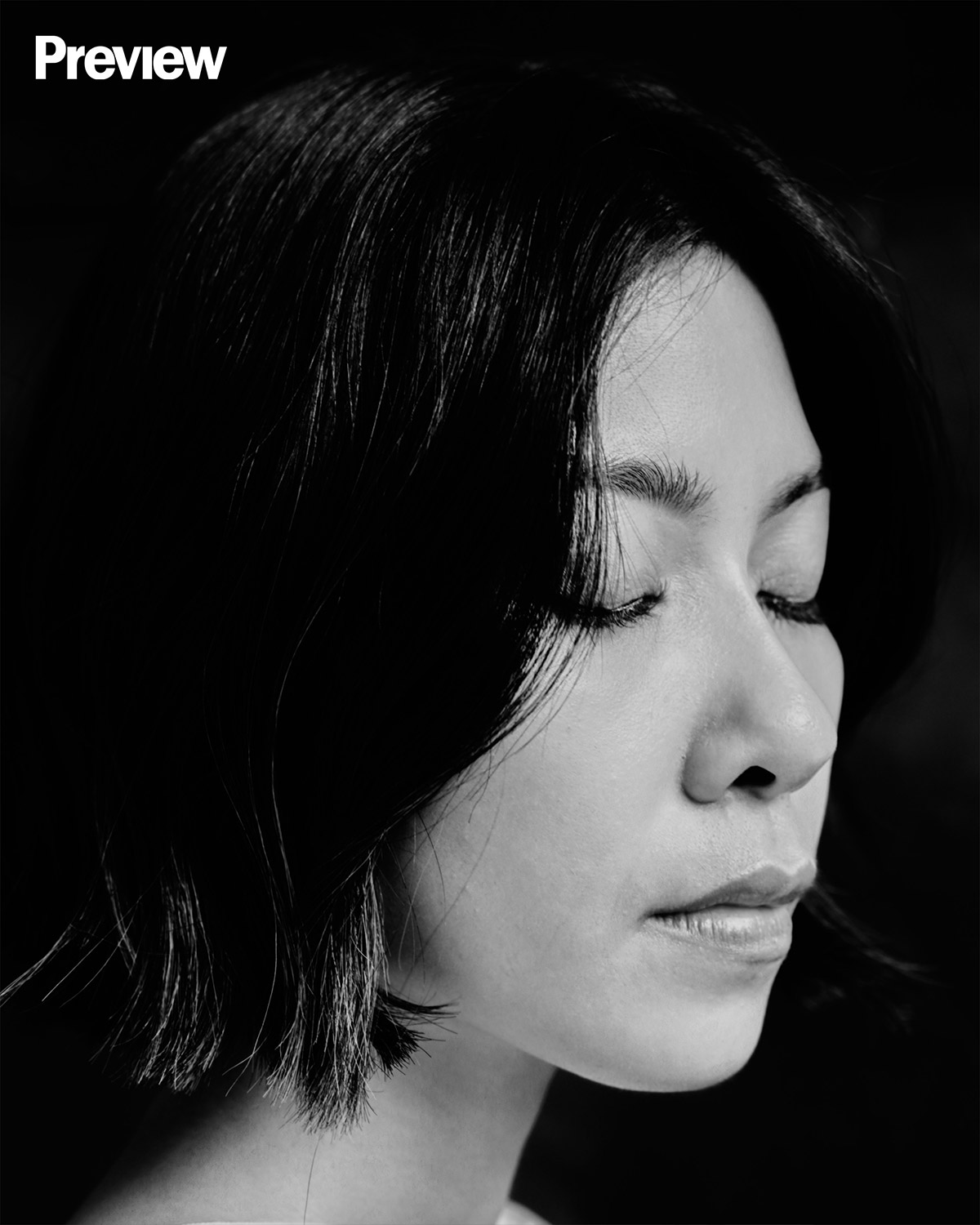
Colin Dancel
But this limitation had inspired a “lightbulb moment” for Madge. “I really didn't have any plans of putting up the festival. But COVID happened, and in the first two or three months I took the time to reflect,” she recalled. “I thought that maybe, if not now, when?”
ADVERTISEMENT - CONTINUE READING BELOW
During its beginning in October 2020, Fifth Wall was then touted as the first and only dance film festival in the Philippines, which later evolved into a multi-disciplinary platform that celebrated movement. As an artist of both fields, to Madge, film and live performance each had their distinct qualities, which proved harmonious, much like the dance in the film itself.
“What’s special about film, when combined with dance, is that you’re able to make magic... To be able to create that harmonious output, it’s something to be proud of.”
“Film is not meant to replace live performance. I would say it’s an extension of dance-making,” Madge said. “In film, there’s a lot of movement and choreography even within the production. It’s actually similar and parallel to dance, I would say.
“Why do we even like watching movies? There’s beauty in cinema, even without dance. What’s special about film, when combined with dance, is that you’re able to make magic. For one, it’s not easy. You have to have a special skill for both. To be able to create that harmonious output, it’s something to be proud of.”
ADVERTISEMENT - CONTINUE READING BELOW
Colin Dancel
One of Fifth Wall’s missions is to turn dance into a more accessible and less “intimidating” art form that transcended regular ballet audiences, a roadblock even before the lack of live stages during the pandemic. After four editions and a fifth one on the line, Fifth Wall has made–and continues to make–great leaps, with movement at the forefront.
ADVERTISEMENT - CONTINUE READING BELOW
Dancing in the In-Between
The fifth edition of Fifth Wall is the current culmination of the platform’s evolution, which has been steadily growing every year. While dance may have been the focal point of the earlier editions, Fifth Wall has grown to be the multidisciplinary platform that Madge envisioned.
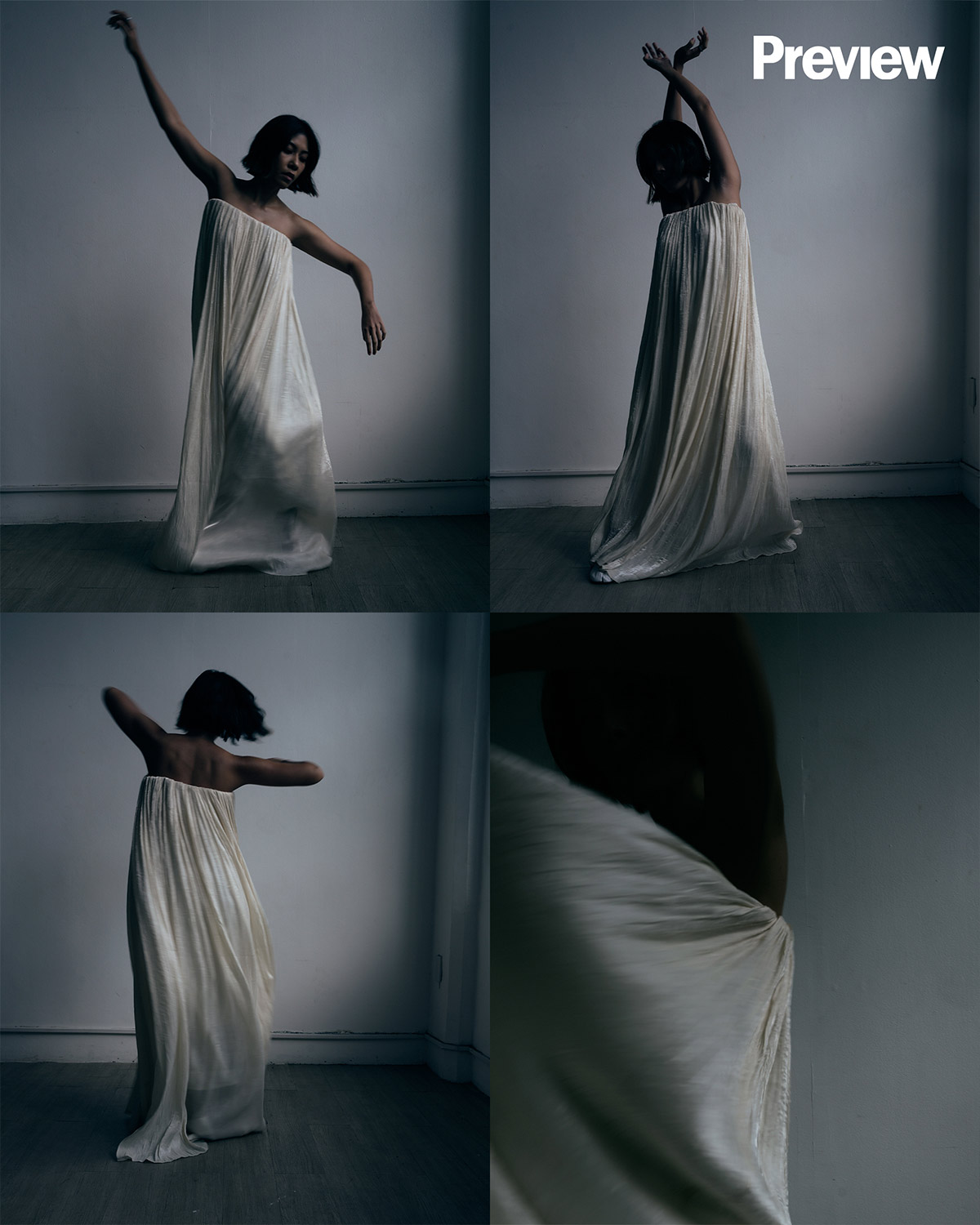
Poetically enough, the fifth edition will be housed in the residence of Narcisa “Doña Sisang” V. Buencamino-de Leon of LVN Pictures in Broadway, New Manila, one of the most filmed residences in Philippine cinema. The setting sets the stage for this year’s curational theme “the body is the home,” with the house’s rooms and floors embodying the “layers that shape who we are.” Overall, it’s an homage to the body as a driving force, an archive, a vessel, and ultimately, the home of every human being where movement begins.
Colin Dancel
ADVERTISEMENT - CONTINUE READING BELOW
The edition was a product of reflection, much like the other years. “Every year, I reflect on the previous year and the previous iteration of Fifth Wall. I had to also reassess what we're doing, what we're standing for, why we even exist still,” Madge said.
“I just have to remind myself, my team, that we do what we do because of our mission and vision, which is to present dance through non-traditional media, but also to create space for movement that is crafted for the unconventional stage.”
Among the fold of dance film festivals in the international scope, Fifth Wall has the unique opportunity to showcase Filipino narratives told through movement. Local stories have also taken center stage, an essential part of Fifth Wall's role as a platform.
Colin Dancel
ADVERTISEMENT - CONTINUE READING BELOW
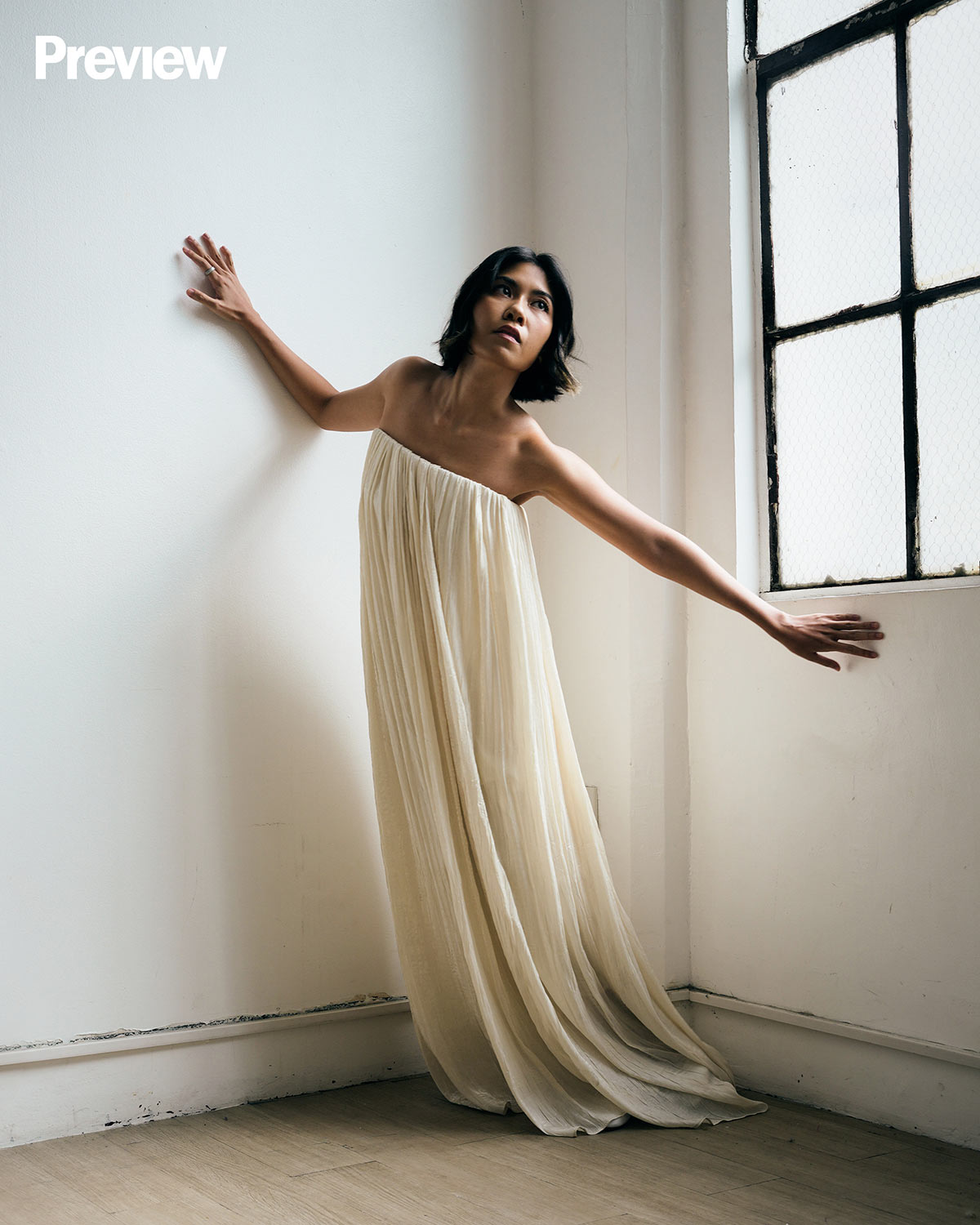
“It’s really important and relevant more than ever to be able to present the Filipino body, the brown body,” Madge said. “I’ve noticed this because of Fifth Wall’s counterparts abroad, like dance film festivals, who come to Fifth Wall and ask for Asian films, because they also recognize that it’s all the white body. They only see the same color on screen.
“My answer is always, yes, we’re just here, which is why it also justifies why Fifth Wall is doing these sorts of activities, is to be able to be a platform.”
Aside from spotlighting local narratives and Filipino talent, the task of bringing dance and movement into more accessible terms in the Philippines continues to run in the Fest’s ethos. Madge mused that the “easiest” way to get people to see dance was to “watch it from a screen,” which gave way to the birth of Film Fest, in a time where life was only witnessed through digital means. The founder reflected that much has changed since its first few editions, and the development can be seen through the very audience who attends.
ADVERTISEMENT - CONTINUE READING BELOW
Colin Dancel
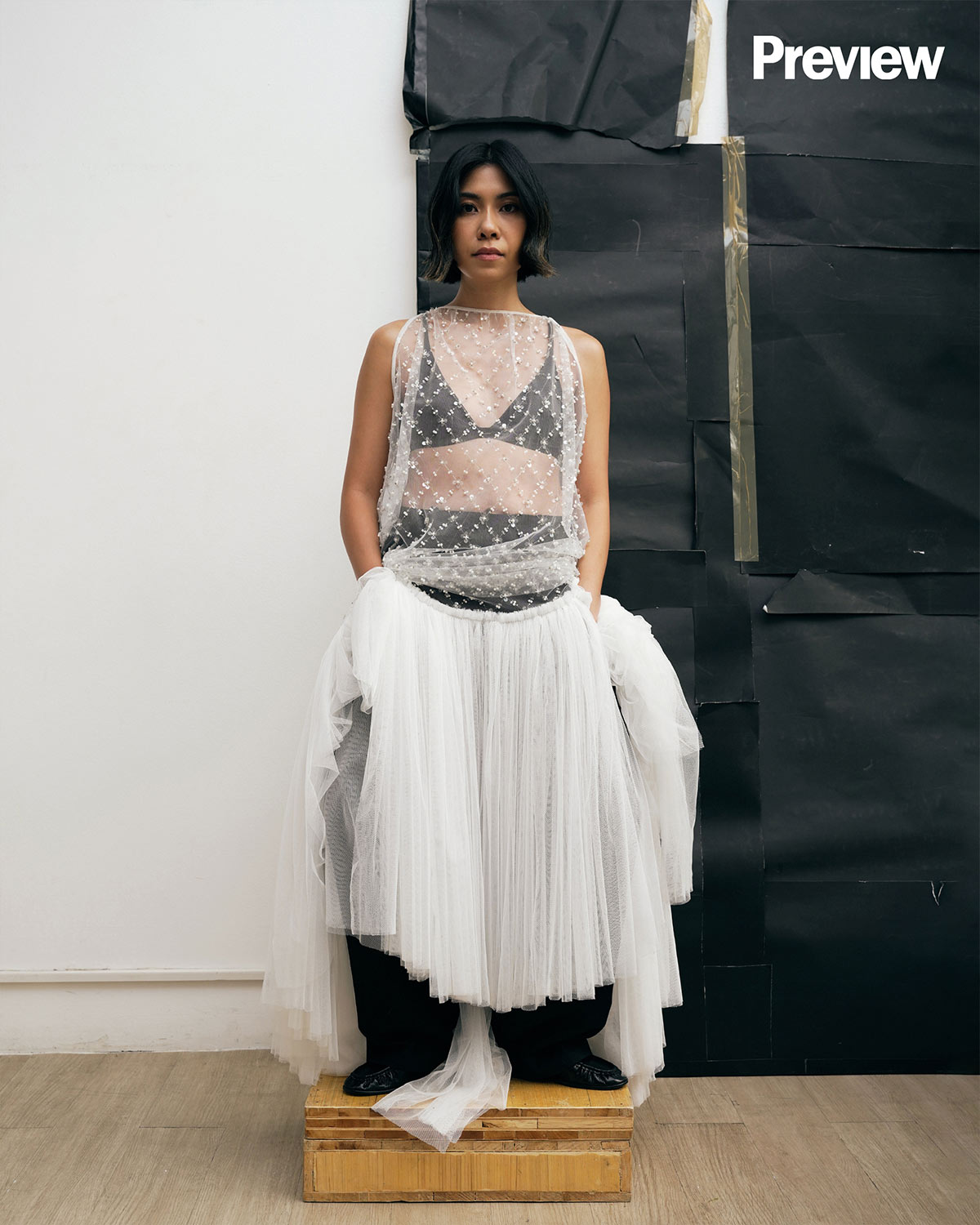
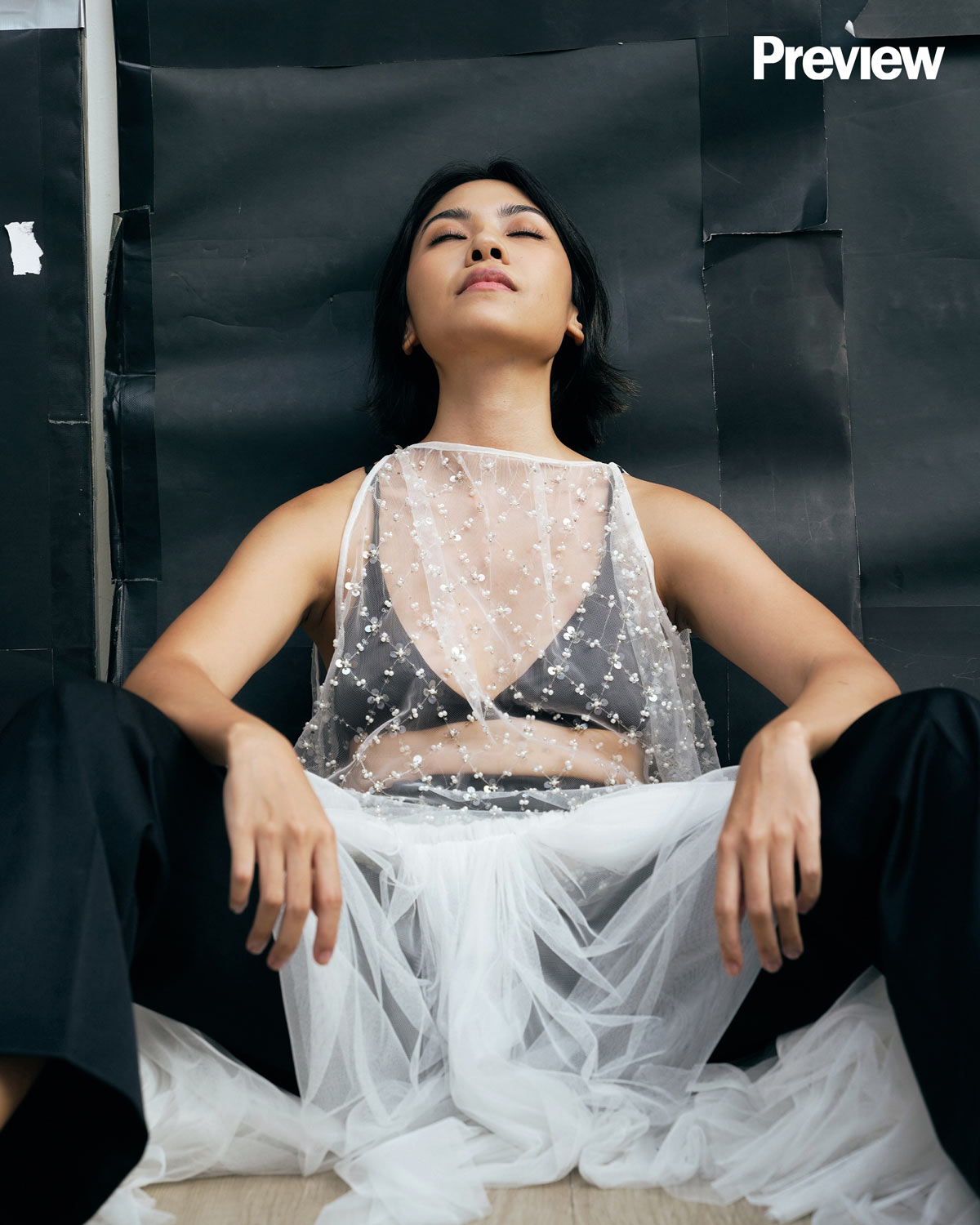
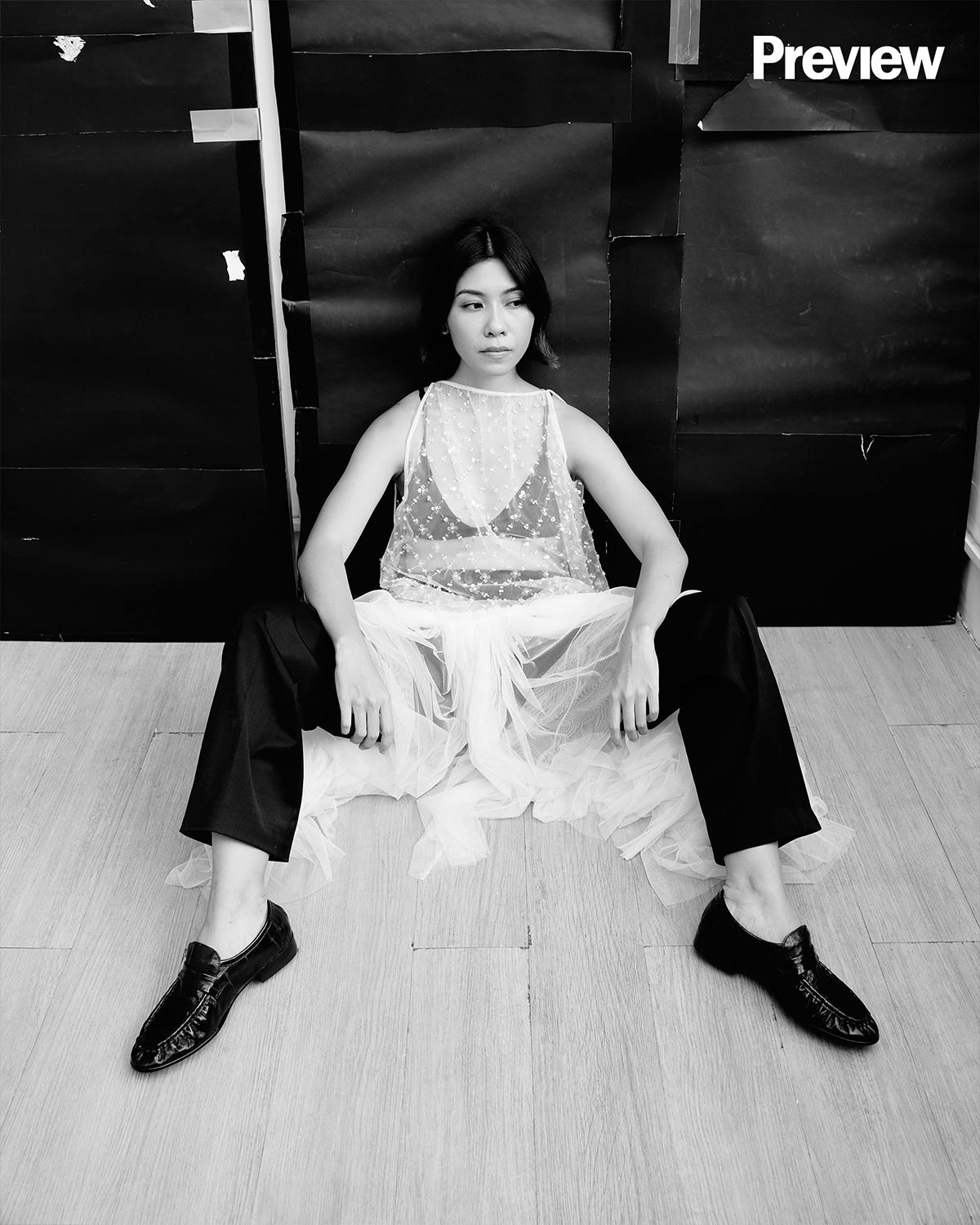
ON MADGE: See-Through Lace Halter Dress, P15,998 (rental price), SASSA JIMENEZ, Vestido Manila, vestidomanila.com
“We’ve attracted a different crowd. Not the usual crowd that goes to, let’s say, a ballet or the CCP (Cultural Center of the Philippines). And I think that’s why I’m proud of what we’ve achieved at Fifth Wall,” Madge said.
ADVERTISEMENT - CONTINUE READING BELOW
“I’m very happy that Fifth Wall is able to attract a diverse audience from all walks of life. For the most part, we try to make it as friendly as possible because we really recognize the divide.”
Colin Dancel
Still, she recognized the difficulty in managing an arts festival in a country where fostering the arts is often not seen as a priority. The concept of Fifth Wall may feel unfamiliar to newcomers, but that was the notion they were trying to break. “It’s not easy, especially if we're presenting or organizing something that is relatively new, and something that the mass audiences are not aware of, but also probably not used to,” Madge thought.
ADVERTISEMENT - CONTINUE READING BELOW
“One of the cruxes of being a human being is not being acceptable to change. I felt like that was the stigma of Fifth Wall coming in, especially in the first three years. Even up to this day, not a lot of people understand it,” she continued. “But we’re still here. I think we’re pretty solid in our beliefs. There’s really a bright future for what we do. It’s just a lot of cultivating and fixing.”
Colin Dancel
ADVERTISEMENT - CONTINUE READING BELOW
With the fifth edition just on the horizon, Madge is once again preoccupied with the technicalities of mounting an event. Before their annual reflection for this year, the founder mulled over what has evolved since Fifth Wall’s beginning. “Year after year, the confidence level changes. And that’s because of time. Time in general is a teacher,” Madge said. “We're not following any playbook whatsoever. There’s a sense of creative freedom. But also, we have to balance it out at the end of the day.”
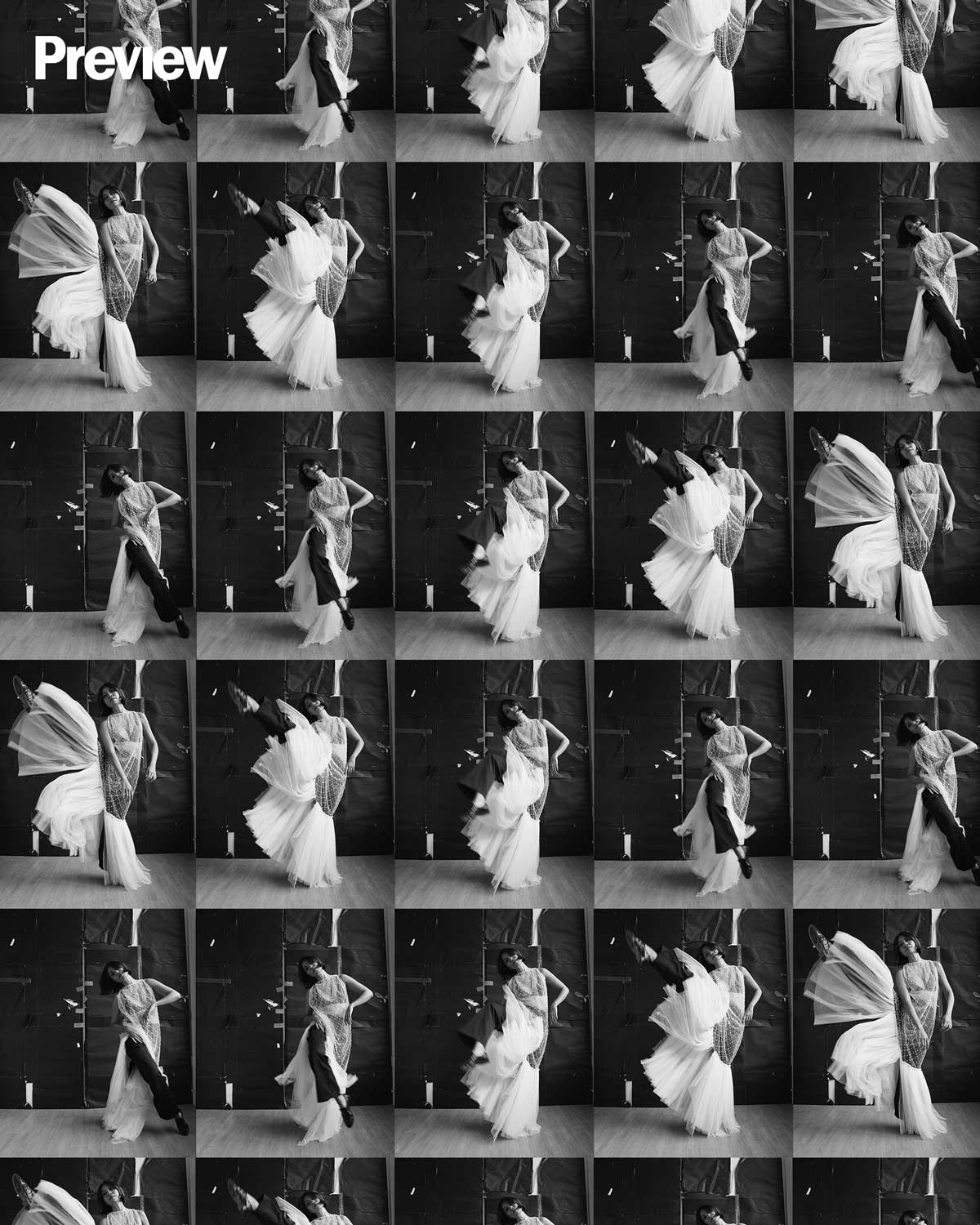
“The ‘fifth wall’ to me is the in-betweens in the everyday—in-between moments, in-between spaces, in-between people.”
After the fifth edition, there is more to come for Fifth Wall, beyond even its annual iterations. The “fifth wall” is said to be the imaginary barrier that the audience passes through once the curtain falls, when they return to the so-called “mundanity” of the everyday. But, arguably, in the minds of Fifth Wall and Madge, there is art even in the most mundane, found in the seemingly ordinary movements of the fascinating humans who make them.
ADVERTISEMENT - CONTINUE READING BELOW
Colin Dancel
“The ‘fifth wall’ to me, is the in-betweens in the everyday—in-between moments, in-between spaces, in-between people,” she explained.
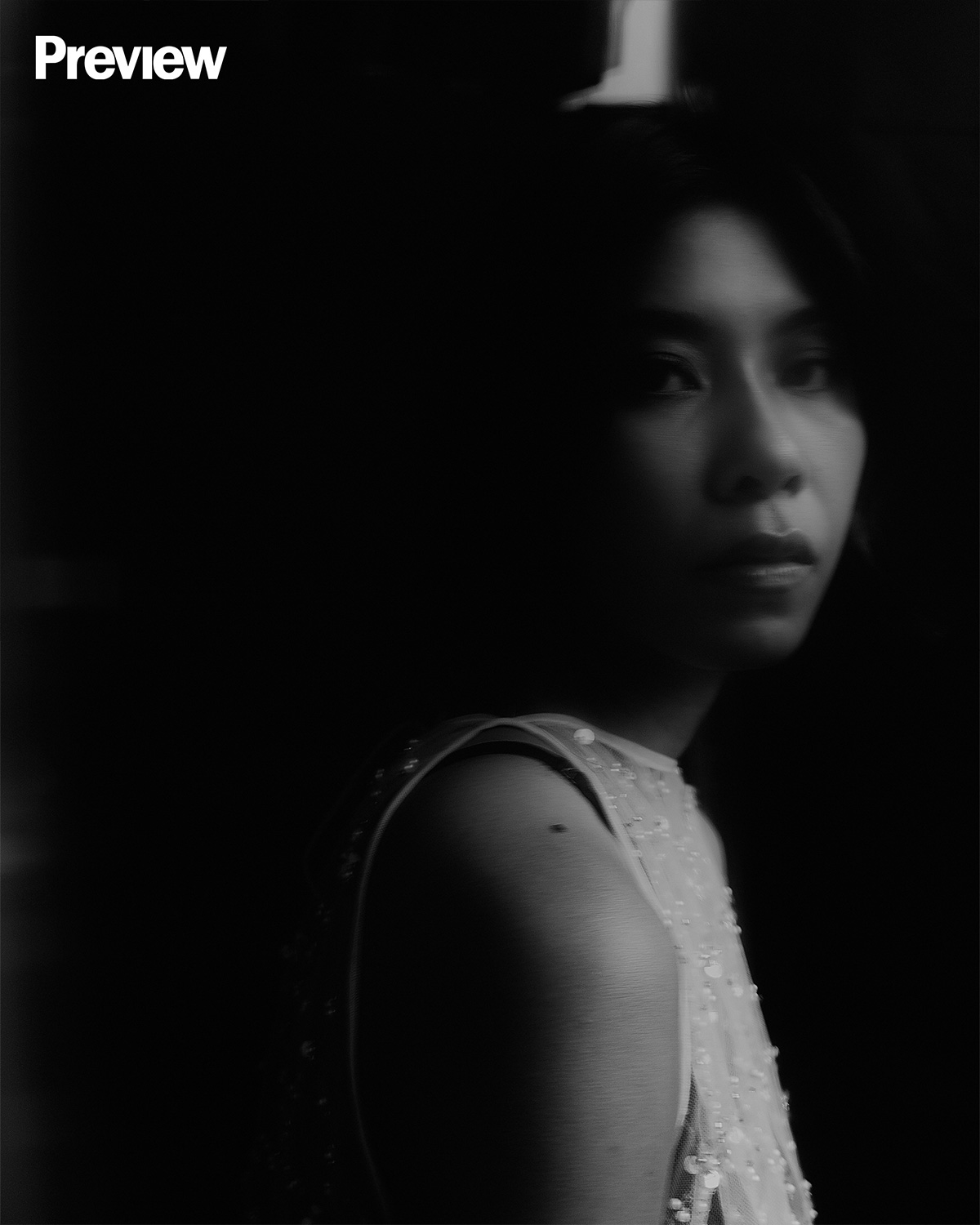
“There’s definitely gonna be another edition to look forward to. Maybe we'll have a pop-up, maybe we'll have another collaboration in between seasons. It really depends. But again,” Madge said, “we strive on the in-between.”
ADVERTISEMENT - CONTINUE READING BELOW
Colin Dancel
Produced and Styled by the Preview Team
Photographer: Colin Dancel, assisted by Pia Pantangco
Creative Director: Bacs Arcebal
Editor-in-Chief: Marj Ramos-Clemente
Production and Fashion: Katrina Maisie Cabral and Reg Rodriguez
Makeup: Janell Capuchino, assisted by Maffy Tirol
Hair: Patty Cristobal
Story: Katrina Maisie Cabral
Videos: Jana Jodloman
Shoot Location: Espacio Creativo Escolta
Special thanks to Vestido Manila
Hey, Preview readers! Follow us on Facebook, Instagram, YouTube, Tiktok, and Twitter to stay up to speed on all things trendy and creative. We’ll curate the most stylish feed for you!