
Korean dramas have long been known for their immersive storytelling, typically spanning 16 to 20 episodes per season. However, recent years have seen a noticeable shift, with many series now wrapping up in just 10 or 12 episodes. What’s behind this change? Let’s take a closer look at why K-dramas are embracing shorter seasons.
READ: Why K-Dramas Are Releasing Fewer Episodes
Gone are the days when lengthy dramas dominated the airwaves. According to a report by Hankook Ilbo and The Korea Times, audience preferences have shifted toward fast-paced storytelling with fewer filler episodes. Viewers today want engaging narratives that get straight to the point, and shorter seasons help maintain a tighter plot with less unnecessary exposition.
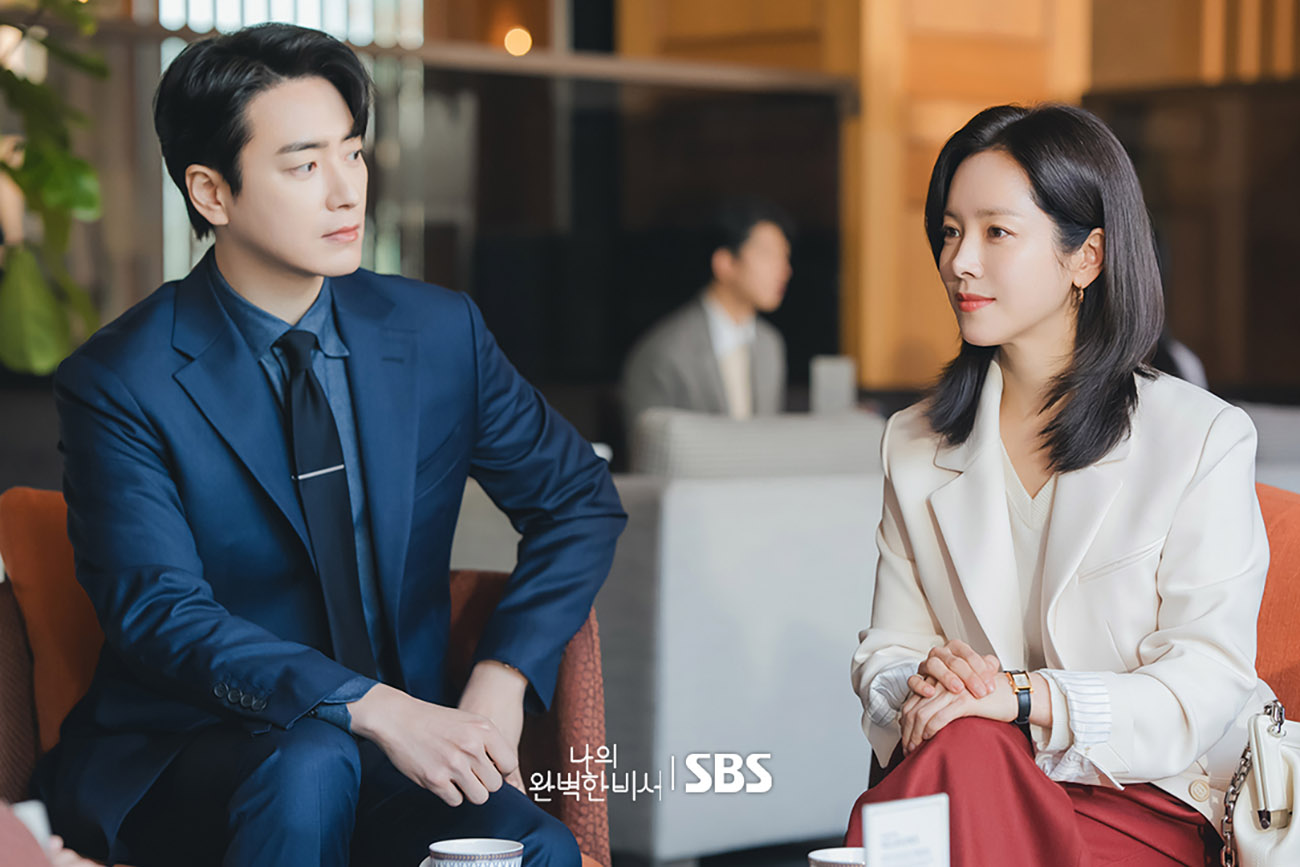
A recent prime example is Netflix’s The Trauma Code, which initially planned for 10 episodes of 60 minutes each but was restructured into eight 45-minute episodes to enhance pacing. Similarly, series like Love Scout and Motel California have all followed the 12-episode format.
How Streaming Changed Viewer Habits
The rise of streaming platforms like Netflix and Disney+ has also played a significant role in this trend. According to Korea Times, streaming services have influenced how audiences consume content, making binge-worthy, tightly packed narratives more appealing. Unlike traditional television, where dramas aired weekly, streaming platforms encourage back-to-back viewing, making shorter series more digestible.
Netflix, in particular, has pushed for more concise storytelling, with 8- to 12-episode dramas becoming increasingly common. Disney+’s Unmasked and other recent dramas also embrace this approach.
The Rise of Multi-Season K-Dramas
While shorter series are becoming the norm, another trend is emerging: multi-season K-dramas. Traditionally, K-dramas have been known for their single-season storytelling, wrapping up plots within one installment. However, as streaming platforms push for extended engagement, more dramas are receiving sequels.
Shows like Squid Game have proven that multi-season formats can work, particularly for genres like thriller and fantasy. However, romance dramas largely remain one-season stories, preserving their classic structure. Still, exceptions exist—series like The Penthouse have stretched into multiple seasons due to their strong following.

While shorter dramas have gained popularity, this shift isn’t without its drawbacks. As Hankook Ilbo and The Korea Times also note, production companies and broadcasters face challenges with revenue losses due to fewer episodes, and programming schedules must constantly be adjusted to accommodate more frequent drama replacements.
What do you think about K-dramas with fewer episodes? Share your thoughts in the comments!
Hey, Preview readers! Follow us on Facebook, Instagram, YouTube, Tiktok, and Twitter to stay up to speed on all things trendy and creative. We’ll curate the most stylish feed for you!
