
A visit to Osaka, Japan’s colorful Dotonbori district isn’t complete without stopping for a photo with the city’s famous Glico Running Man. Towering over the canal, the neon-lit image of a victorious runner crossing the finish line has been a staple of the city's skyline since 1935. But did you know that one of the inspirations behind this iconic figure was a Filipino athlete?
Who Is Fortunato Catalon?
Fortunato Catalon was a celebrated track and field sprinter from the Philippines. Born into a farmer’s family in Leyte, Fortunato’s athletic journey began in high school when his exceptional speed led him to switch from baseball to sprinting. He went on to study at the University of Santo Tomas, graduating in 1922.
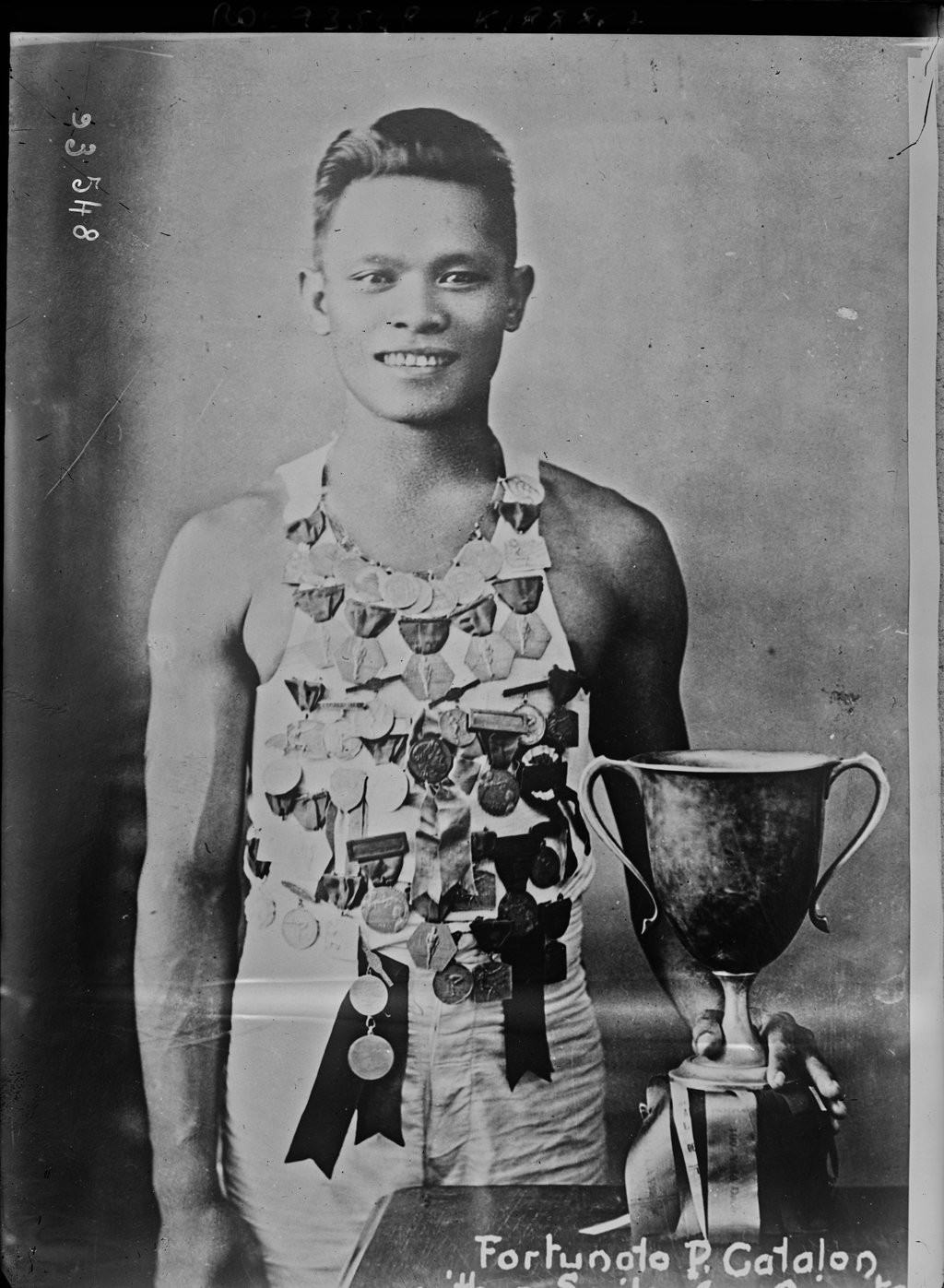
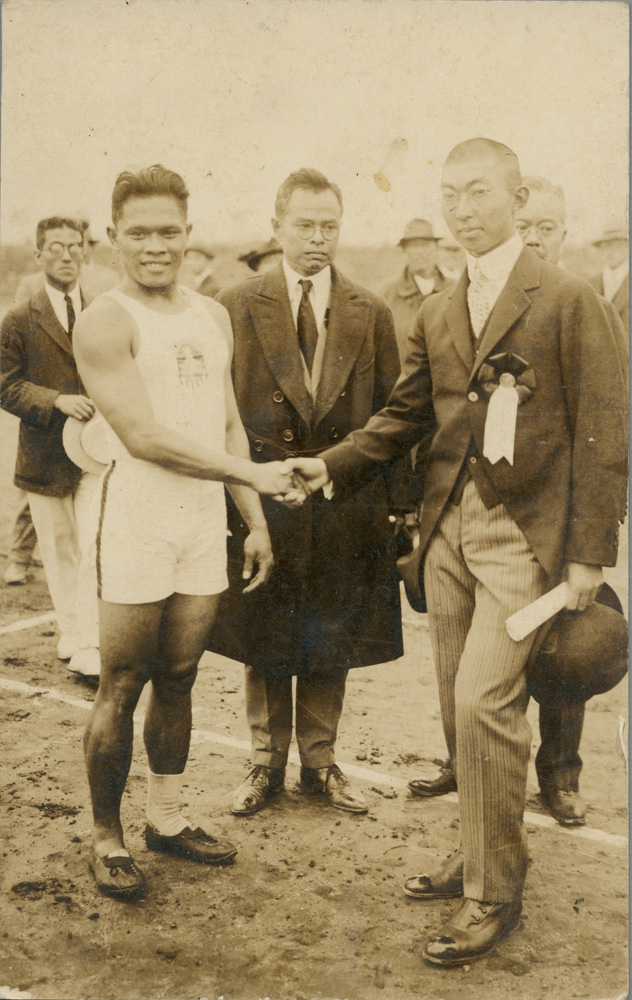
Fortunato first gained international recognition in 1917 at the Far Eastern Games in Tokyo, where he won both the 100-yard and 220-yard dashes, setting a new championship record in the process. He repeated this feat three more times at the 1919–1923 editions of the games, solidifying his reputation as one of the fastest men in Asia. According to the website Philippine Olympians, Fortunato set a personal best of 9.8 seconds in the 100-yard dash in 1923, ranking him among the world’s fastest sprinters at the time. Despite being entered for the 100m and 200m events at the 1924 Paris Olympics, he did not compete.
By the time the Far Eastern Games transitioned from yards to meters, Fortunato continued his dominance, securing multiple gold medals in sprint events. His achievements earned him the title of “Asia’s Fastest Man.” After retiring, he remained active in sports as a coach and official.
How Fortunato Catalon Became One of the Inspirations for Japan’s Glico Man
Glico, a Japanese confectionery company, was founded in 1922 by Riichi Ezaki, who sought to incorporate glycogen into candy to promote health. The idea came after Ezaki discovered that oyster broth contained high amounts of glycogen, a nutrient that helped his son recover from typhus. Inspired by this, he created Glico Caramel, a heart-shaped candy designed to enhance energy and well-being, with each piece marketed as providing enough energy to run 300 meters.
When the company launched, Glico Caramel was first introduced at Osaka’s Mitsukoshi Department Store on February 11, 1922. As the brand grew, it embraced the image of a victorious runner with arms raised in triumph—a symbol of energy, vitality, and success. This eventually led to the now-famous Glico Running Man in Dotonbori, which debuted in 1935 as a towering neon sign. Over the years, the sign has evolved through six versions, with the latest LED display lighting up Osaka’s skyline since 2014.
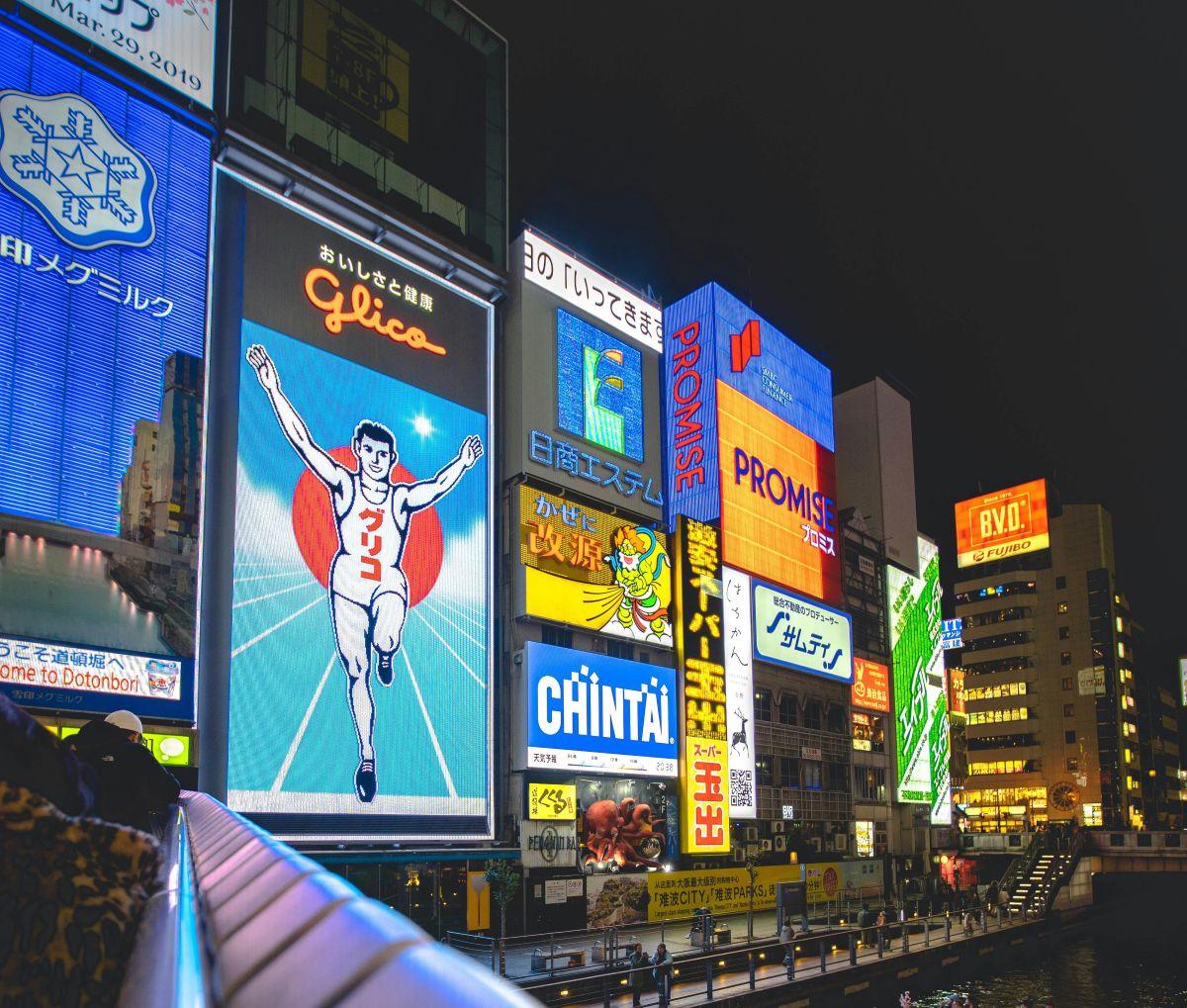
While the Glico Running Man has changed over the decades, its original design was reportedly inspired by real-life athletes. According to information translated from Osaka’s Glico Museum and highlighted by Esquire Philippines, Fortunato Catalon was one of three runners who influenced the early versions of the Glico Man. The others included Japan’s Shizo Kanakuri, known as the “father of marathon running” in Japan. When refining the brand’s image, Ezaki collected references of smiling, triumphant runners, and Fortunato’s victorious expressions contributed to the final look of the character.
So the next time you find yourself in Osaka, striking a pose in front of the Glico Man, remember that a piece of Filipino sporting history is shining brightly in the heart of Japan’s entertainment capital.
Hey, Preview readers! Follow us on Facebook, Instagram, YouTube, Tiktok, and Twitter to stay up to speed on all things trendy and creative. We’ll curate the most stylish feed for you!
