
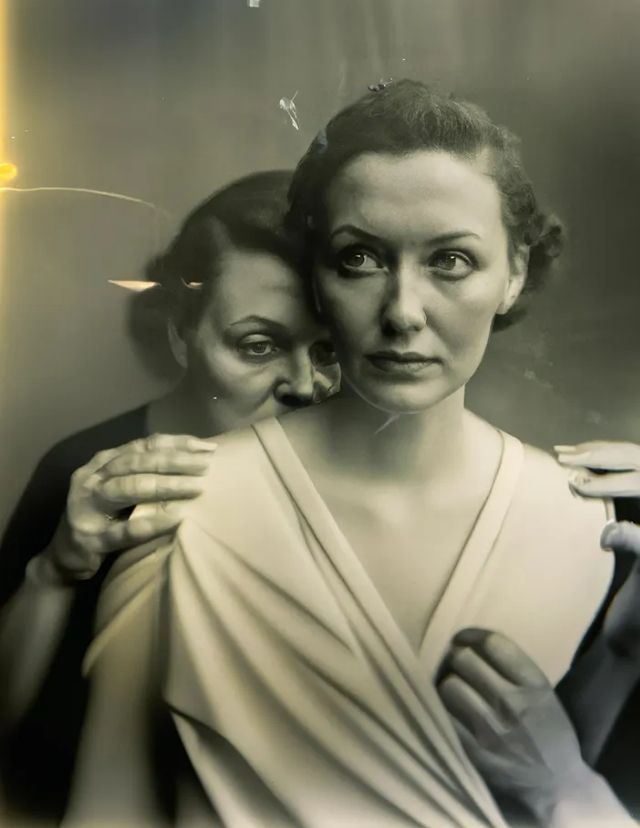
Each year, photographers from around the globe compete in the Sony World Photography Awards, hoping to elevate their careers and gain recognition for their work. In March 2023, a haunting black-and-white image of an older woman embracing a younger woman won the competition's creative photo category. Titled PSEUDOMNESIA: The Electrician, it was created by Berlin-based artist Boris Eldagsen—who later turned down the award after revealing that it wasn’t a photograph at all but an image generated using DALL-E 2, an AI image generator.
“I applied as a cheeky monkey, to find out, if the competitions are prepared for AI images to enter. They are not.,” Boris explained on his website, sparking widespread controversy about whether AI-generated images should be considered art.
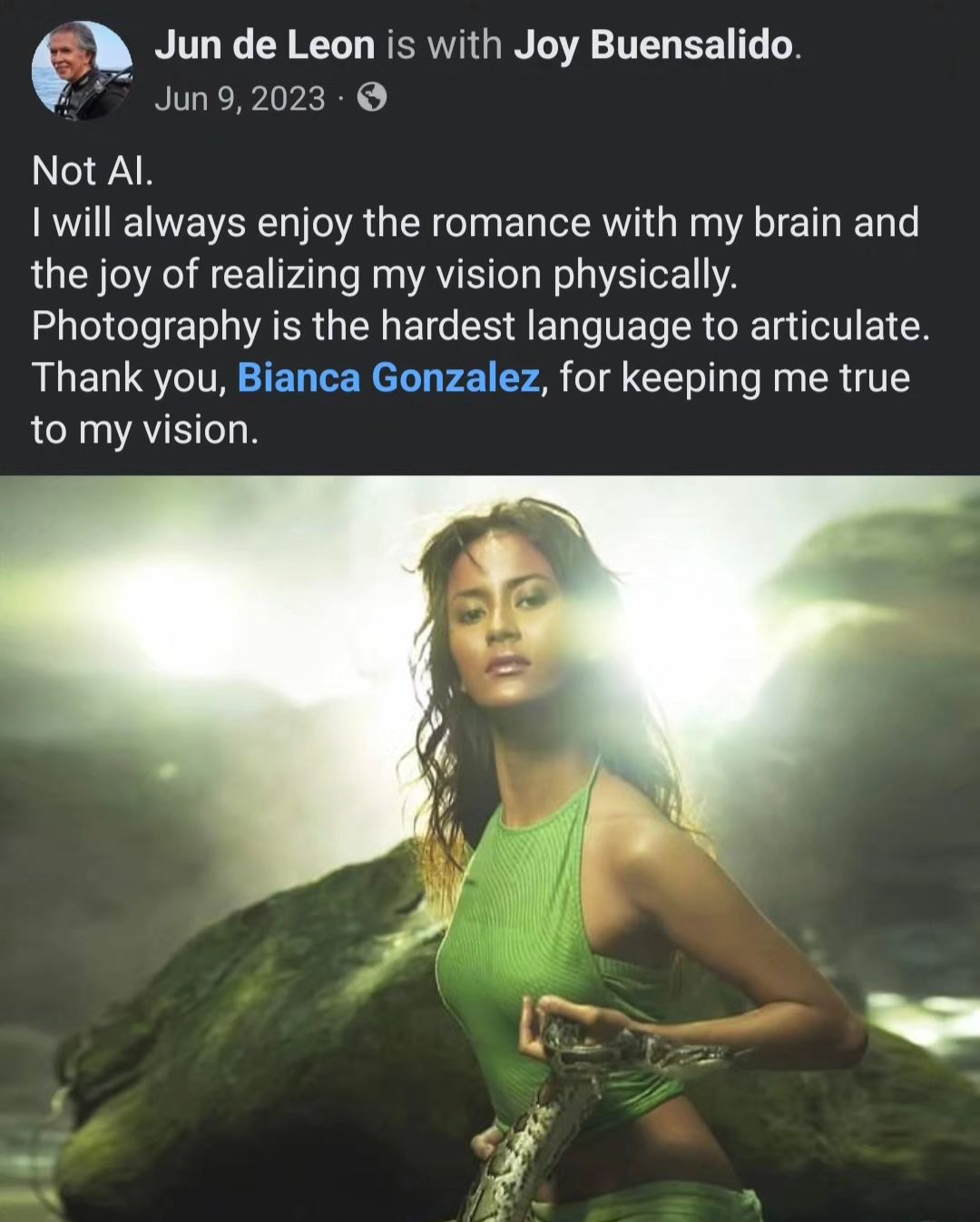
Around the same time, renowned Filipino photographer Jun De Leon reshared a 2004 portrait he took of Bianca Gonzalez, emphasizing the artistry of traditional photography before AI and advanced editing software. “Not AI. I will always enjoy the romance with my brain and the joy of realizing my vision physically. Photography is the hardest language to articulate,” he wrote, underscoring the tension between technological advancement and traditional creative processes.
Today, the debate on AI in photography continues. Some see it as a powerful tool to enhance their work, while others fear it undermines creativity and threatens job opportunities. One such example was Mango’s AI-generated fashion campaign, which drew significant backlash. As Filipino photographer Lee Morale aptly put it, “Using AI is a double-edged sword.”
To deepen the conversation, we spoke to Filipino photographers to hear their take on the use of AI in photography.
READ: Local Photographers Share Their Take on Using AI for Editing Images
Lee Morale
“Using AI is a double-edged sword. On one hand, it can enhance what we are doing and improve the quality we want to showcase to our audience. It can also help us expedite our work, as long as it is used ethically.
“However, if the use of AI is to promote unrealistic body [image], beauty standards, and stolen works gathered from different artists, then that’s a different case because we should not use AI to deceive people; we want to highlight authenticity.”
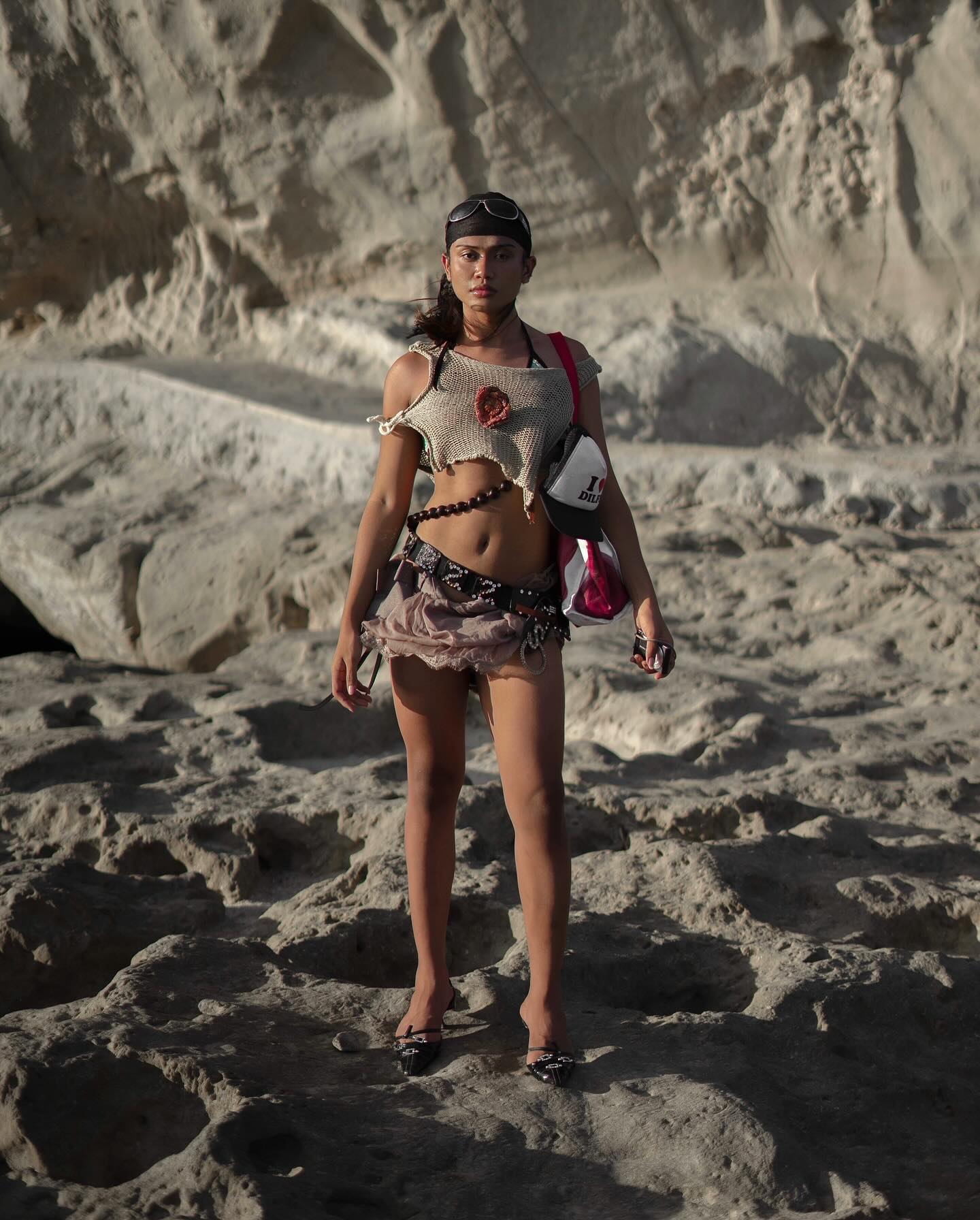
Dennis Sulit
“For me, AI is a great help in my editing process as a photographer, but I believe it is not a valuable tool for enhancing my work. I use it solely to speed up my editing process, such as erasing unwanted parts of a photo or omitting some details that were left unnoticed during the photoshoot.
“For instance, Marina Summers has been my muse since 2022—a time when 'AI generate' was not yet in use. It used to take me 30 minutes to an entire hour (or more) to edit the wig cap for a single photo. Now, in 2024, it is a big help, allowing me to do it in one to three clicks before proceeding with my retouching. This small use of AI in my photo editing speeds up the process, but it will never overshadow the entire concept of what I am shooting.
"But I did try using AI as the main concept for a test shoot, in all honesty. It was a time when AI was new to everyone, and I wanted to test the limits of this new feature. It was beautiful, yes, but I strongly felt that the photo I created wasn’t truly mine, in my own opinion of my work. The progression of AI in our times is brisk, but everything is a double-edged sword when you look at it—it is a matter of learning how to use it and getting the best parts to your own advantage as a creative.”
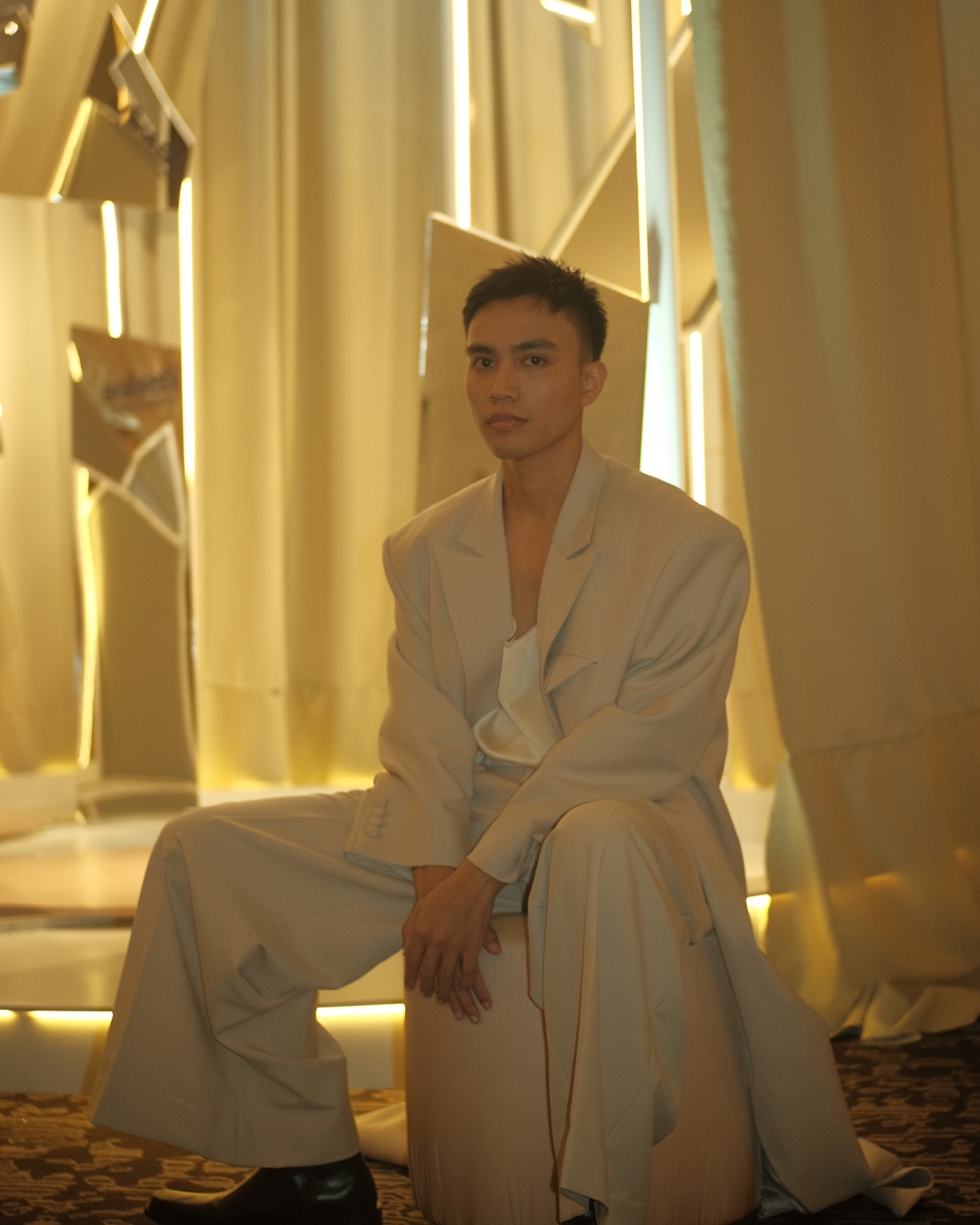
Josh Tolentino
“AI for me has been helpful whenever I get into my retouching workflow. It enhances the photos and saves me time through the series of tools available to get the retouching that I want—AI, specifically Generative AI helps me enhance or remove unwanted elements inside my photo with just a prompt that I wish to initiate.
“AI has helped me in reducing by almost a quarter of the time I usually spend editing each photo. Before AI was introduced, I used to spend many hours achieving the right amount of retouching with my work—more importantly with commercial work that needs a cleaner feel in my photos. Sometimes, when I am not satisfied with the finished product, despite the retouching I did, I would turn to other images, sample some parts of that photo, and then incorporate them to the one I'm currently working on. This takes time and effort: Firstly, time in finding a similar image I can sample. Secondly, effort in transferring details from the chosen sample to the photo I'm currently working on. Making each photo seamless was also a challenge.”
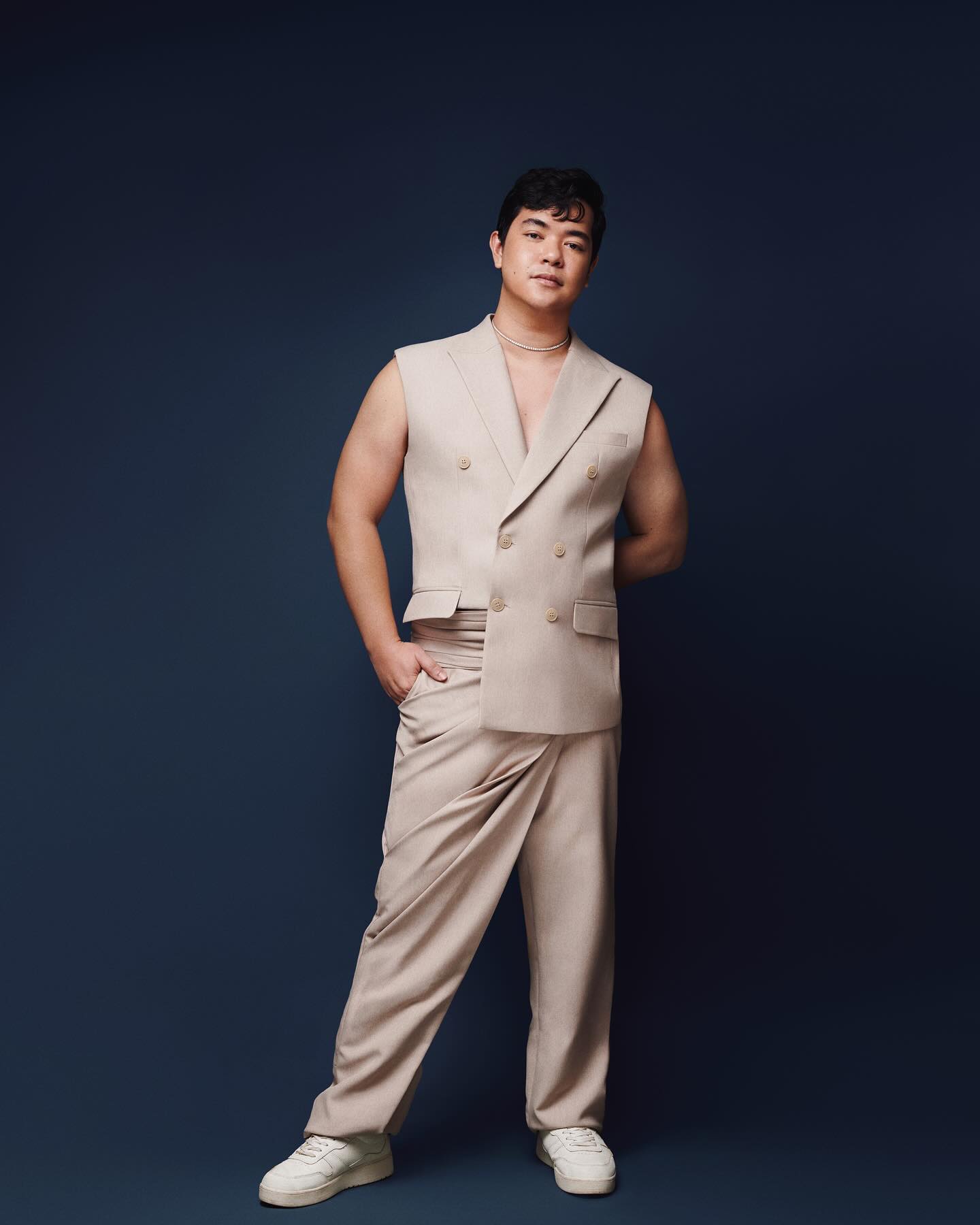
“I was hesitant to use Generative AI at first because of the artistic sphere’s apprehension about possible ripple effects on their respective crafts, such as the future of photography at large. But hey, curiosity killed the cat. Eventually, after trying it with my photos, I learned to balance the use of the tool as an extension to my retouching workflow. It ended up saving me a lot of time.”
“However, I don't use AI all the time, only when necessary. I also do not overuse it to the point that I replace a majority of my photos with non-existing elements. For me, photography still axes itself into one purpose: To capture the reality in front of me. Retouching enables and enhances this, through fixing or removing unwanted bits of elements for the viewer to focus more on the main message and the flow of elements inside the photo. Especially with portraiture, as much as possible, I must do it naturally and must respect the existing elements in my photo.”
“AI does help me achieve the retouching that I want to a certain extent. But again, I still have my reservations. It’s just a tool. For me, it cannot and it must not replace the entire reality of the photo I took.”
Karlo Cadang
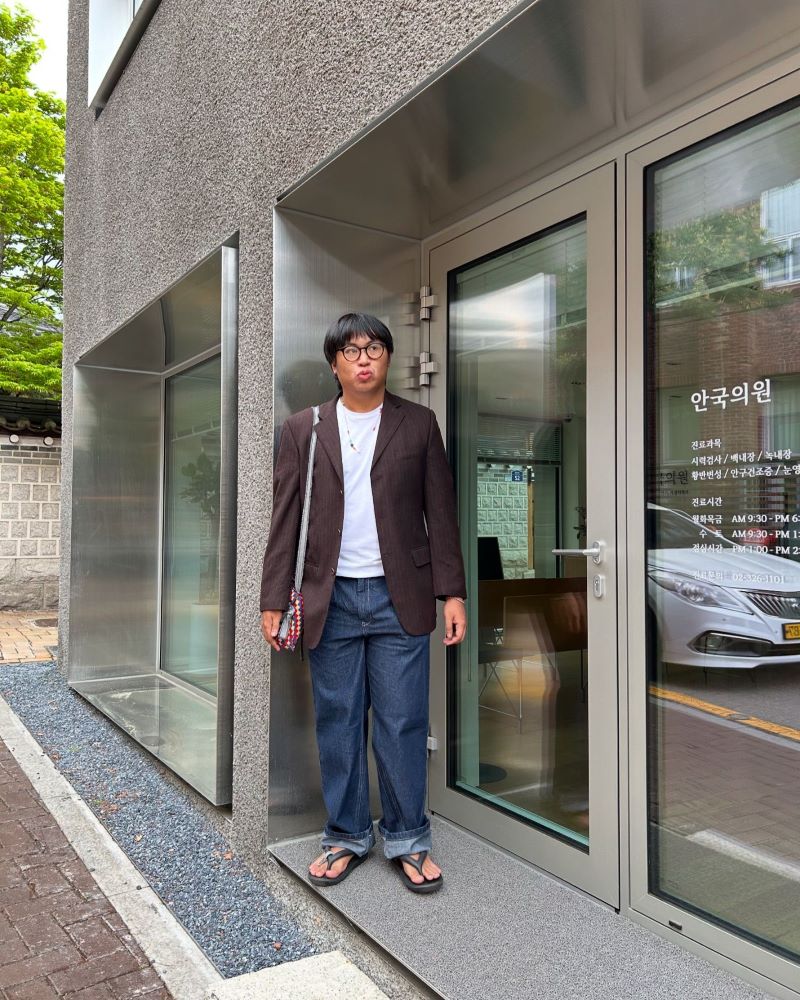
“AI is very useful for my commercial works. It makes my workflow faster when it comes to cleaning the photos or extending backgrounds. But for more creative and editorial shoots I want my vision to be captured during the actual shoot and opt not to use AI or any kind of post editing as much as possible.”
Hey, Preview readers! Follow us on Facebook, Instagram, YouTube, Tiktok, and Twitter to stay up to speed on all things trendy and creative. We’ll curate the most stylish feed for you!
