
In recent years, the concept of remote work has revolutionized the way we live and work. For Filipino travelers eager to explore the world while maintaining their careers, the emergence of digital nomad visas offers a golden opportunity. These special visas allow remote workers to live in a foreign country for extended periods, often with fewer restrictions and simpler application processes compared to traditional work visas. Below, we explore digital nomad visa options in Europe. As always, don't forget to check the country’s respective embassies and consulates before you make your plans!
What Is a Digital Nomad Visa?
A Digital Nomad Visa is a type of visa designed for individuals who work remotely, typically in the tech, creative, or service sectors, and do not need to be physically present at their place of employment. These visas allow digital nomads to live and work legally in a foreign country for an extended period, usually ranging from six months to several years, which often require a minimum income dictated by the country’s cost of living.
Taxation under digital nomad visas varies by country. Some countries may require you to pay local taxes if you stay beyond a certain period, while others offer tax incentives or exemptions to attract remote workers. It's crucial to understand the tax implications of the specific digital nomad visa you are considering, as tax liabilities can significantly impact your financial planning and overall experience.
Countries in Europe with Digital Nomad Visas for Filipinos
1. Albania

Located in the Balkan Peninsula, the country of Albania offers the Unique Permit, a Type D long-term visa that allows digital nomads to stay for one to five years as permanent residents.
Requirements:
- A valid motive to stay in the Republic of Albania based on Law 79/2021 “For foreigners”
- Sufficient income to afford accommodation and living in Albania. While there’s no set amount, several sources suggest a minimum annual income of USD 9,800 (approx. P576,000) based on their retirement visas.
List of required documents: Required documents for Albania Unique Permit
Where to apply: Albania.al
2. Croatia
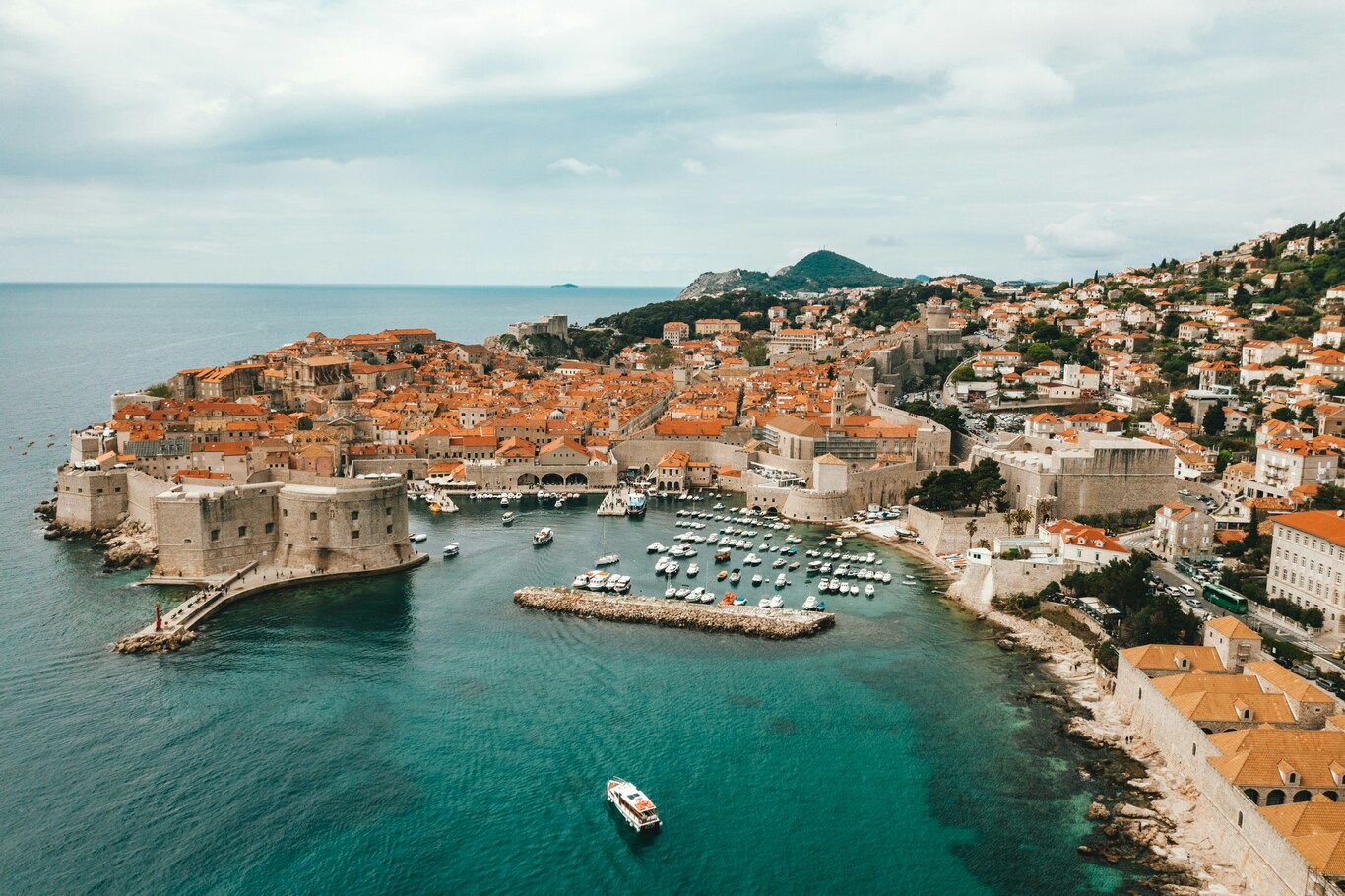
Filipinos with a remote job can apply for a Temporary Stay visa in charming Croatia. This permit allows them to live and work in the country for up to 12 months.
Requirements:
- Health insurance that covers the period of time in Croatia
- Proof of purpose - Employment contract from a foreign employer or your own company that isn’t registered in Croatia
- Proof of financial means - Minimum of 2,870 EUR (P181,700) per month or a minimum of 34,440 EUR (P2.1 million) in your account
- No criminal offenses
List of required documents and fees: MUP.gov.hr
Where to apply: digitalnomadscroatia.mup.hr
3. Cyprus
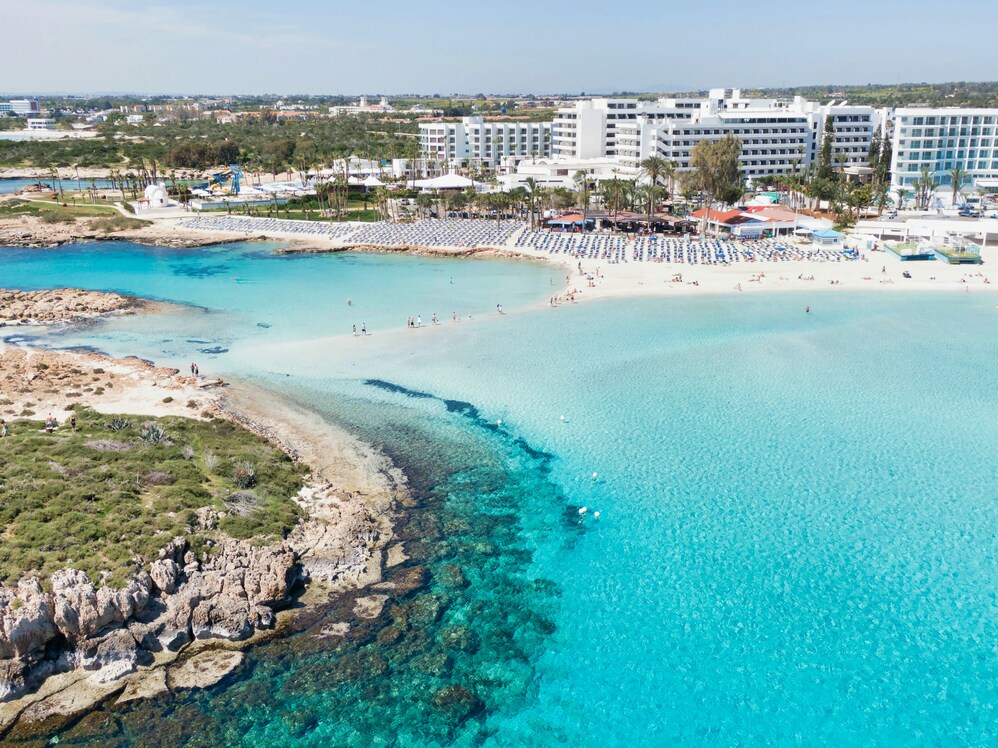
With its proximity to the Mediterranean Sea and a blend of cultures that tie West Asia to Europe, Cyprus can make for a dream backdrop for remote workers. Their temporary residence permit allows digital nomads a one-year stay in the country, which can be renewed for a maximum of two years.
Requirements:
- Employed in a company registered outside of Cyprus or self-employed offering services for clients abroad
- Sufficient monthly net income of at least 3,500 EUR (P221,600)
For more information: moi.gov.cy
4. Estonia
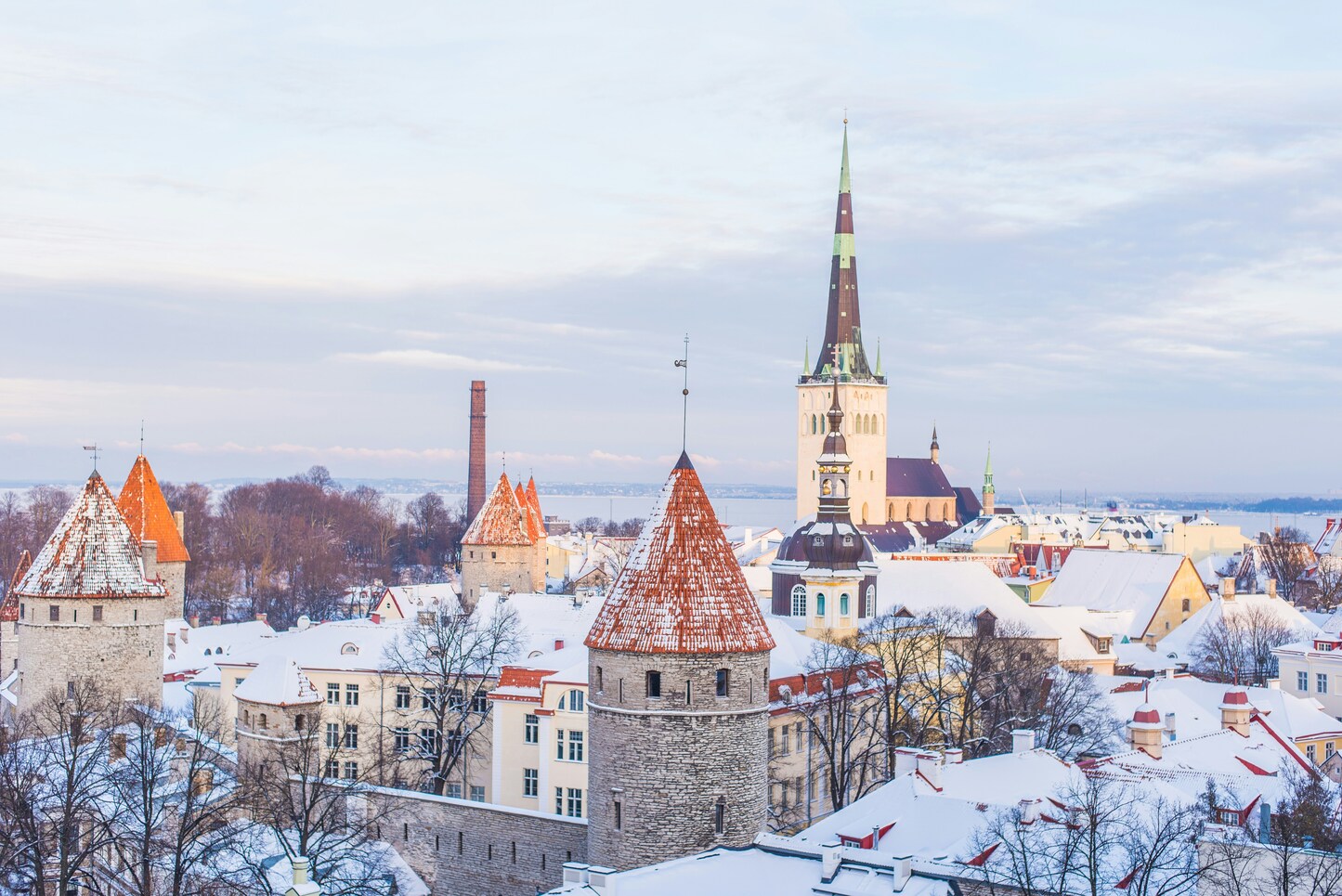
Outside of its e-Residency program, Estonia has been a favorite for remote workers. With their digital nomad visa, visitors can stay and work there for up to one year.
Requirements
- Active employment contract with a company registered outside of Estonia or a freelancer with clients outside of Estonia
- Income meeting the minimum threshold of 4,500 EUR gross tax (P284,600) during the six months preceding the application
For more information: e-resident.gov.ee
Where to apply: eelviisataotlus.vm.ee
5. Greece

The land of Greece is a treasure trove for culture and history enthusiasts, and it could also be the backdrop to their working days. Remote workers can apply for a digital nomad visa in Greece, which gives legal residence for up to a year. For longer stays, they can apply for a Digital Nomad Residence Permit, which is valid for up to two years and renewable for two more years.
Requirements:
- Employer outside of Greece or a self-employed person working remotely
- Sufficient income: At least 3,500 EUR (P221,200) per month after taxes
- Monthly amount increases by 20% with a spouse/cohabitant and 15% for each child
For more information: workfromgreece.gr
6. Hungary
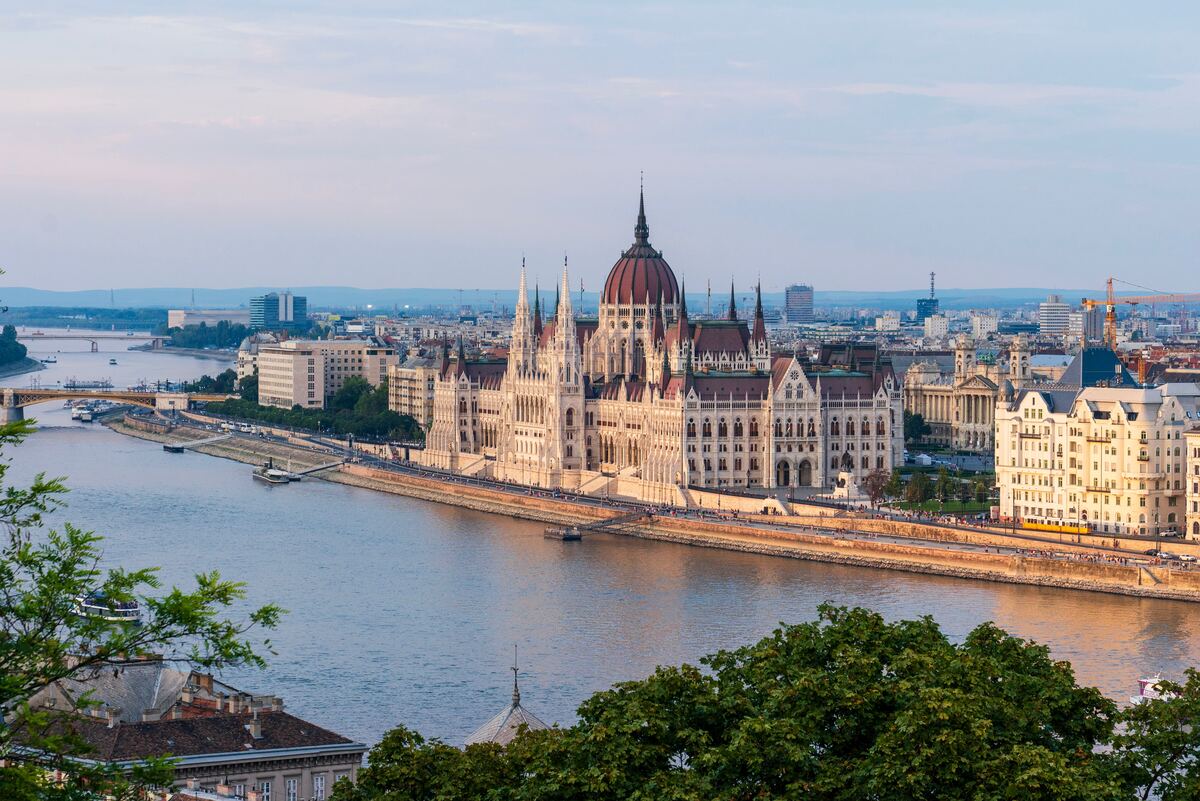
Hungary’s version of the digital nomad visa is the White Card, which allows third-country nationals and remote workers to work and live in the country, provided that they meet the requirements. This permit can be maximized for one year, and it can also be extended once for another year.
Requirements:
- A certified statement from the employer in a country other than Hungary - scope of employer’s activities, provision on remote, electronic work and its authorized duration, duties, and position
- For self-employed: Real and actual operation of the company, job title and position, scope of the company’s activities, and their ownership of shares in the company
- Proof of financial means: Equal to or exceeds 3,000 EUR net (P189,800) for at least six months prior to entry
- Proof of accommodation
- Health insurance
- Proof of meeting the conditions of exit (valid tickets to a return/onward travel)
For more information: bmbah.hu
7. Italy
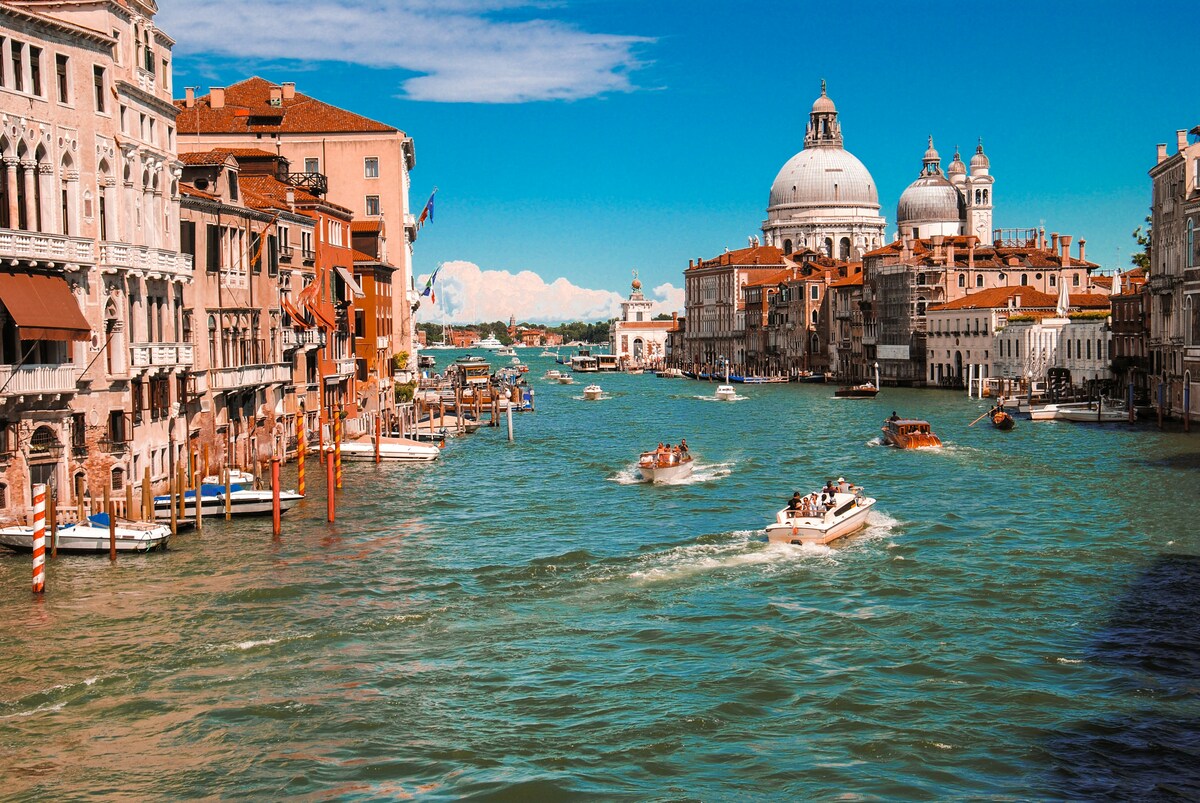
Working remotely in picturesque Italy is already a possibility, thanks to their newly launched visa. While separated as “digital nomads” for those self-employed and “remote workers” for employees, requirements are largely similar. With this visa, non-EU nationals can work remotely in Italy for a year.
Requirements:
- At least six months of remote work experience
- Must qualify as “highly-skilled” workers, i.e. university graduates or with at least five years of professional experience
- Work contract with a company based outside of Italy or evidence of self-employment
- Proof of financial means: Annual minimum income of 28,000 EUR (P1.7 million)
- No criminal record
- Health insurance covering the stay in Italy
- Proof of accommodation
For more information and where to apply: Visit the Italian embassy or consulate
8. Malta

Digital nomads can flock to the quaint European country of Malta, where they can obtain a long-term visa that will be valid for one year. This can also be renewed for up to three times for a maximum stay of four years.
Requirements:
- Work for an employer registered outside of Malta and have a work contract, conduct business activities for a company registered in a foreign country, or offer freelance or consulting services in a foreign country
- Minimum annual gross income of 42,000 EUR (P2.6 million)
- Health insurance
- Proof of accommodation
For more information: nomad.residencymalta.gov.mt
9. Portugal

After launching in October 2022, Portugal has welcomed hundreds of digital nomads. The country in the Iberian Peninsula makes for an ideal location, especially with its provision for remote workers that allow them to stay for 12 months with possible extensions.
Requirements:
- Work contract or declaration by employer outside of Portugal (for employees), society contract, contract of service provision, or document attest services provided (for self-employed)
- Proof of financial means: Income of at least four times the Portuguese minimum wage per month (roughly 2,800 EUR or P176,500)
- Proof of accommodation
For more information: vistos.mne.gov.pt
Where to apply: Portugal consulate in Manila or Cebu
10. Romania

In southeastern Europe, Romania is also an idyllic location for those who choose to live the remote-working life. Digital nomads can apply for a visa with a validity of up to one year.
Requirements:
- Remote employment from a company registered outside of Romania, or self-employed
- Proof of financial means: Income at least three times the average gross monthly salary in Romania for each of the last six months preceding the date of submission of the visa application and for the entire period covered by the visa
- No criminal record
For more information: eviza.mae.ro
Where to apply: evisa.mae.ro
11. Spain

Given its close historical ties with the Philippines, it’s not a surprise if Filipinos will find themselves drawn to Spain for their digital nomad lifestyles. This can be a reality with their program, which lets non-EU nationals work there for a maximum of one year.
Requirements:
- Certificate of employment of at least three months for a foreign company
- Self-employed persons can work for a company in Spain if it doesn’t exceed 20% of the total amount of their professional activities
- Proof of financial means: 2,200 EUR (P138,500, 200% of the minimum salary) for the visa holder, 825 EUR (P51,900) for the first dependent (spouse or partner), and 275 EUR (P17,300) for additional dependents (children)
- Copy of the university degree or professional certificate - Applicant must have an undergraduate or postgraduate degree or have at least three years of experience in their current field
- No criminal record
- Health insurance
- Proof of residence in the consular district
For more information: exteriores.gob.es
Hey, Preview readers! Follow us on Facebook, Instagram, YouTube, Tiktok, and Twitter to stay up to speed on all things trendy and creative. We’ll curate the most stylish feed for you!
