
Long before women were widely accepted in law schools, a Filipina lawyer defied expectations and made history. In 1951, Erlinda Arce Ignacio Espiritu became the first woman to earn a degree from Harvard Law School, breaking barriers at one of the world's most prestigious institutions.
READ: The First Woman to Earn a Degree from Harvard Law Was a Filipina
Growing up in the Philippines, Erlinda found inspiration in the legends of the Knights of the Round Table. "The knights were always defending the defenseless, and I thought, how could I do that?" she once recalled, according to Harvard Law Bulletin. This desire to fight for justice led her to law school, even at a time when women were expected to stay at home or pursue teaching careers.
Despite the challenges posed by World War II and the Japanese occupation of the Philippines, Erlinda became one of the country’s few female lawyers in 1947. Her path to Harvard, however, was not a straightforward one. As noted by the bulletin, her father encouraged her to pursue postgraduate studies abroad, and she agreed—on one condition: it had to be at Harvard. At the time, Harvard Law only admitted men, but Erlinda’s timing was fortuitous. The Harvard Corporation had just reversed its policy, and she became one of the first women accepted.
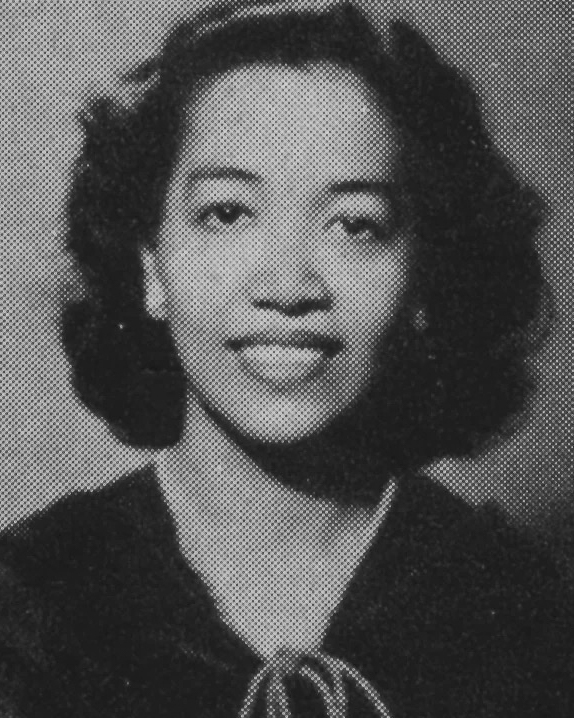
Adapting to Harvard was not easy. The case method of teaching and the unfamiliar accent of her American classmates were hurdles, but Erlinda credited her Harvard experience with refining her ability to think critically. Her fiancé, Benjamin Espiritu, later joined her at Harvard, and they married in Cambridge. Sadly, just two years after returning to the Philippines, Benjamin passed away from leukemia, leaving Erlinda to raise their son while continuing her legal career.
In 1959, Erlinda received an unexpected assignment from the Philippine Supreme Court: representing a death row inmate. With no prior experience in criminal law, she meticulously studied the case and fought for her client’s innocence. Though the court upheld the sentence, Erlinda appealed for clemency—and won. Her advocacy led to a legal review and even inspired a film.
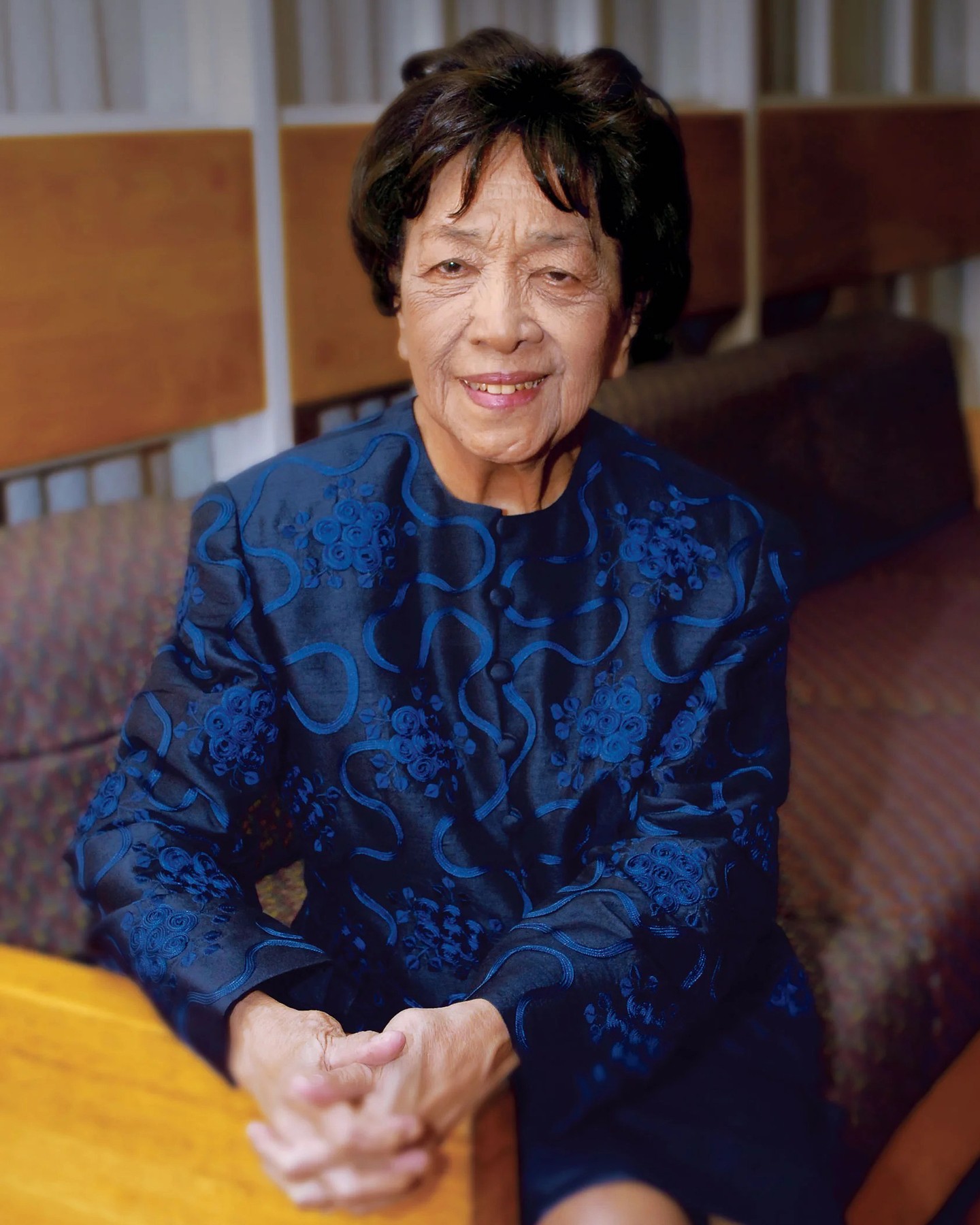
By the 1960s, she transitioned to business, managing her family’s rural bank in Mindoro for over three decades. Her leadership helped small business owners, aspiring homeowners, and students seeking financial support. Even then, she continued pro bono legal work, dedicating her life to service.
In 2007, Erlinda returned to Harvard for the first time in 55 years, this time as a celebrated guest at an LL.M. dinner. She acknowledged Harvard’s role in her legal career, while graduates took the opportunity to speak with one of the school's earliest trailblazers.
Hey, Preview readers! Follow us on Facebook, Instagram, YouTube, Tiktok, and Twitter to stay up to speed on all things trendy and creative. We’ll curate the most stylish feed for you!
