
In a legal opinion issued on January 27, the DOJ clarified that establishments cannot impose additional verification steps beyond what the law requires, stressing that a PWD ID or any recognized document is enough proof to avail of benefits under Republic Act No. 10754 or the Act Expanding the Benefits and Privileges of Persons With Disability.
“Republic Act 10754 and its implementing rules and regulations do not require verification of the PWD ID card as a pre-requisite of the PWD’s availment of their benefits and privileges, said verification cannot be imposed as a condition thereon,” the legal opinion read.
The clarification comes amid growing concerns about fake PWD ID cards, with some businesses hesitant—or even refusing—to honor discounts.
Some establishments have been relying on the Department of Health's national registry for PWDs to confirm authenticity, but the DOJ pointed out that the database remains incomplete and thus should not be used as a reason to reject valid IDs. This is because the Persons with Disabilities Affairs Offices of each local government unit are responsible for updating the national registry, a process that remains largely manual.
What is the Issue with PWD IDs?
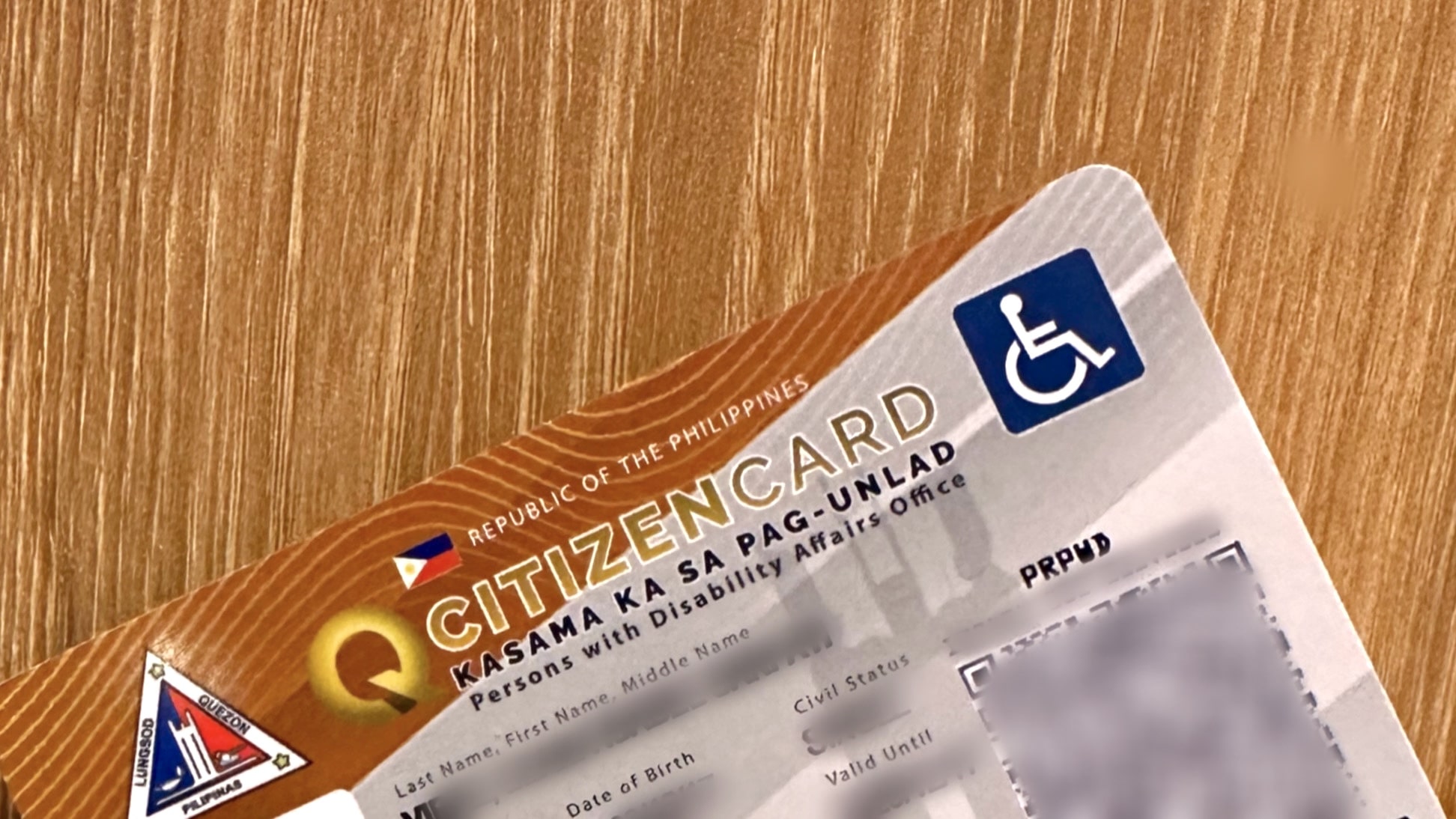
PWD IDs have been a hot topic as of late, with the Department of Social Welfare and Development pilot testing a new ID system for PWDs for a planned nationwide rollout in July.
At the center of the discussion is the rampant misuse of PWD privileges. Senator Sherwin Gatchalian had previously estimated that the number of illegitimate PWDs in the country could reach around 8.5 million—a figure significantly higher than the 1.89 million officially registered PWDs, according to the National Council on Disability Affairs. He said this widespread abuse cost the government some P88.2 billion in lost revenue in 2023.
Businesses are right to be cautious about the system, but the DOJ’s latest directive makes it clear: legitimate PWDs should not be penalized for verification issues beyond their control.
Under Republic Act No. 10754, PWDs are entitled to a 12% value-added tax (VAT) exemption and a 20% discount on certain goods and services, including food and transportation. Establishments are reminded to comply with the law.
As the DOJ put it, making accessibility harder for those who need it “would undoubtedly defeat the purpose of the law.”
*This story originally appeared on Preview.ph. Minor edits have been made by the Preview.ph editors
Hey, Preview readers! Follow us on Facebook, Instagram, YouTube, Tiktok, and Twitter to stay up to speed on all things trendy and creative. We’ll curate the most stylish feed for you!
