
Pearls have long been used to metaphorize the Philippines.
Of course, the pearl is omnipresent in our culture, extending all the way to our national anthem, crystalized in the "Perlas ng silanganan..." line. Most famously, Jose Rizal immortalized the Philippines' "Perla del Mar de Oriente" (Pearl of the Orient Seas) moniker in "Mi Ultimo Adios" back in 1896. Even before this, Father Juan J. Delgado, a Spanish Jesuit missionary, had marveled at the natural beauty of the Philippines, the first to call it "Perla del Mar de Oriente" in 1751.
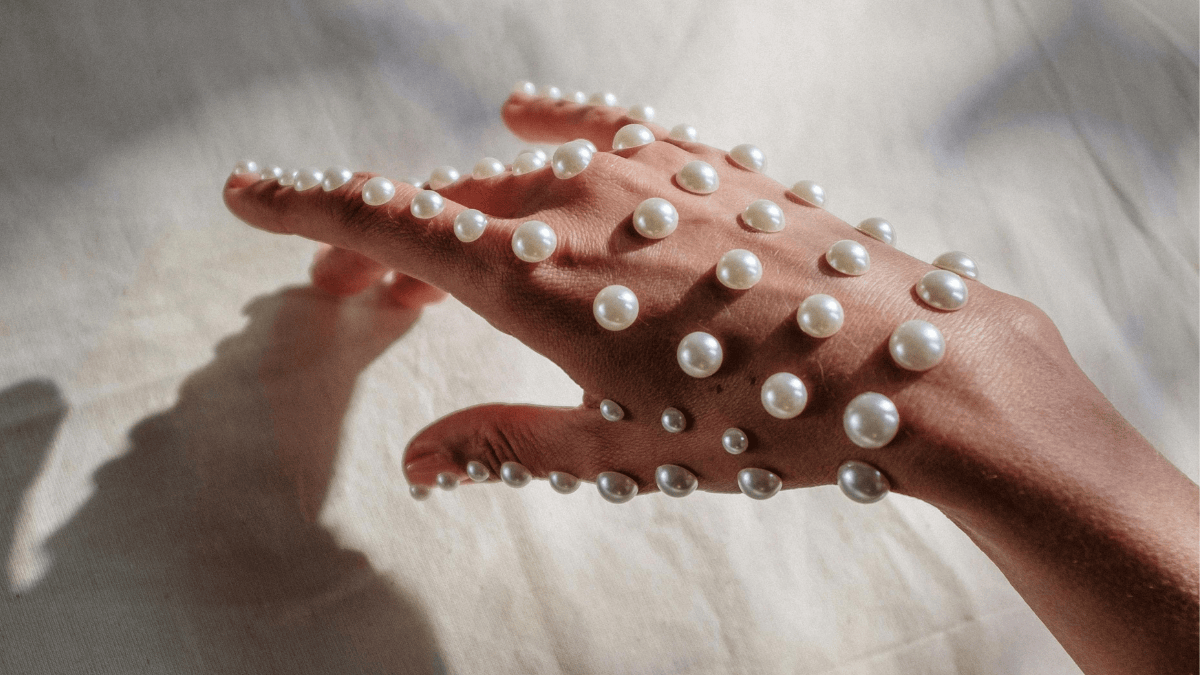
Metaphors and sobriquets aside, it's only fitting that the four largest pearls ever discovered were, in fact, found in Philippine waters. It comes as no surprise, as well, that each of them had been found in Palawan, a key hub for pearl farming activity in the country.
Ahead, we look at these titans, and more into how pearls, whether we realize it or not, have come to shape ideas of our nationhood.
LOOK: The Four Biggest Pearls in History
Palawan Princess
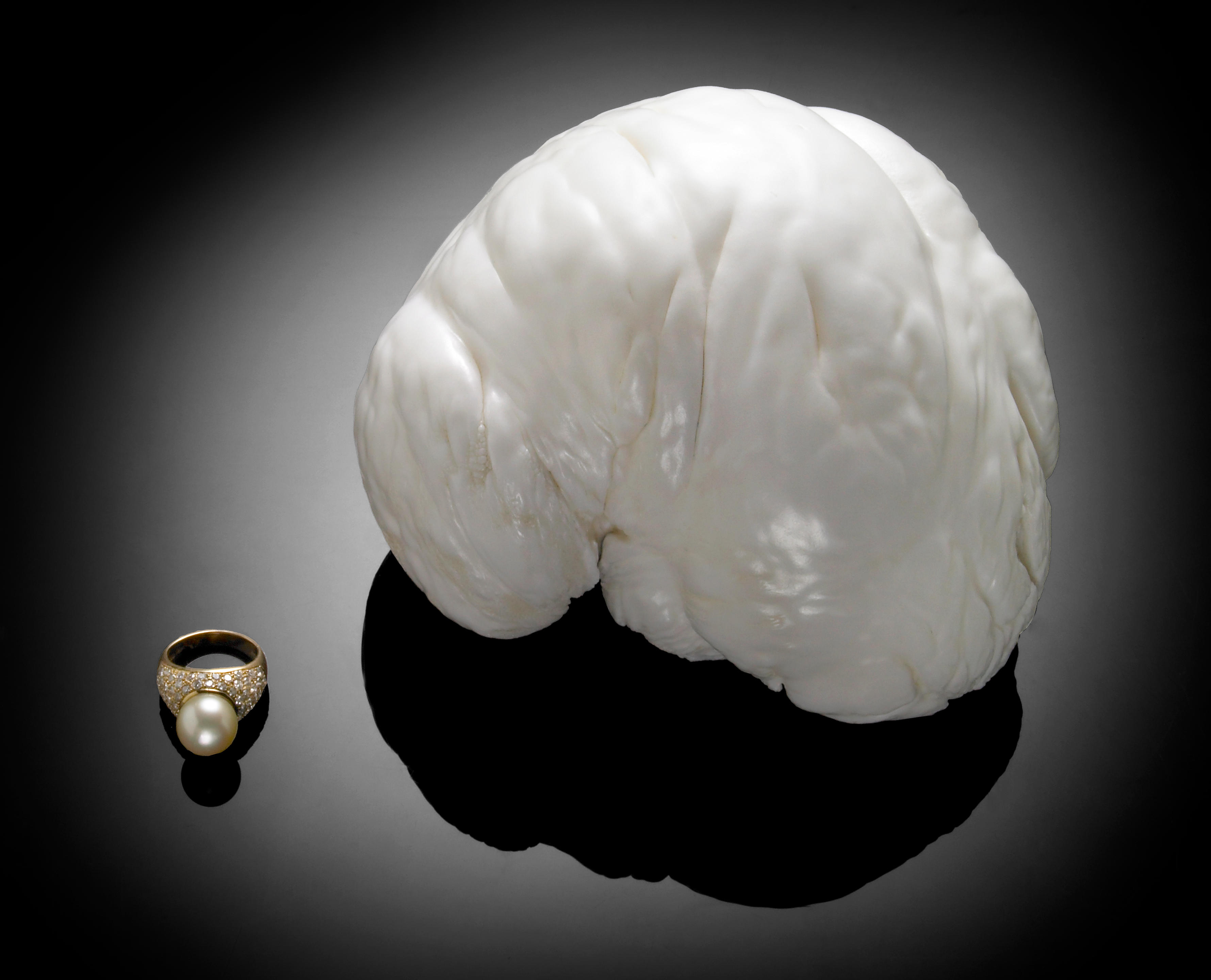
The Palawan Princess weighs 2.27kg and measures six inches and has 11,340 carats. It is a byproduct of the clamshell Tridacna gigas found off the coast of Palawan. It is a beautiful baroque pearl that closely resembles the human brain in shape. It is estimated to be valued at roughly $300,000 to $400,000, based on similar rare natural non-nacreous pearls sold at auction in the past.
Pearl of Lao Tzu
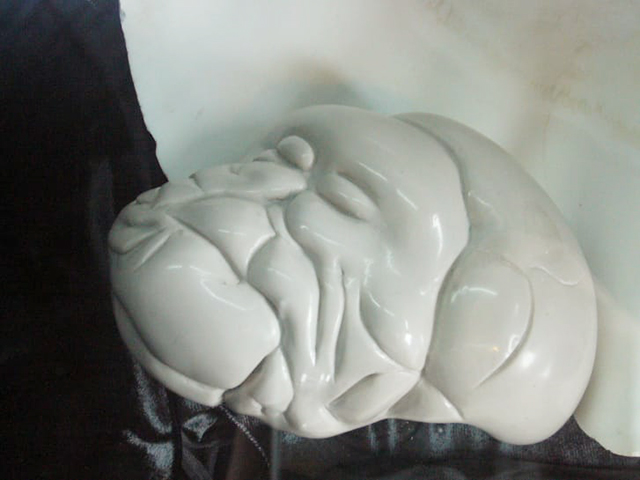
Apart from appearing briefly on Ripley's Believe It or Not on Broadway, the Pearl of Lao Tzu's claim to fame is, of course, the fact that it resembles a bearded man with a turban (Other people call it the Pearl of Allah for this reason and it was once owned by someone from a Muslim community, allegedly at least).
Found in 1934, the 9.4-inch non-nacreous pearl boasts an incredible 31,893.5 carats, and would later be given to American archeologist Wilburn Dowell Cobb in 1939. Wilburn actually gave a somewhat embellished account of how he bought it from a Dayak chief. He claimed that he ended up saving one of the chief's kids and would be given the pearl as a sort of token for his service. Nevertheless, it's hard to verify his claims. Later on, he claimed that the pearl came from Chinese legend.
It might not be as glamorous but it has a distinct look and unusual shape. In terms of value, we're looking at a pearl that is said to be around $35 million and $42 million.
Pearl of Puerto
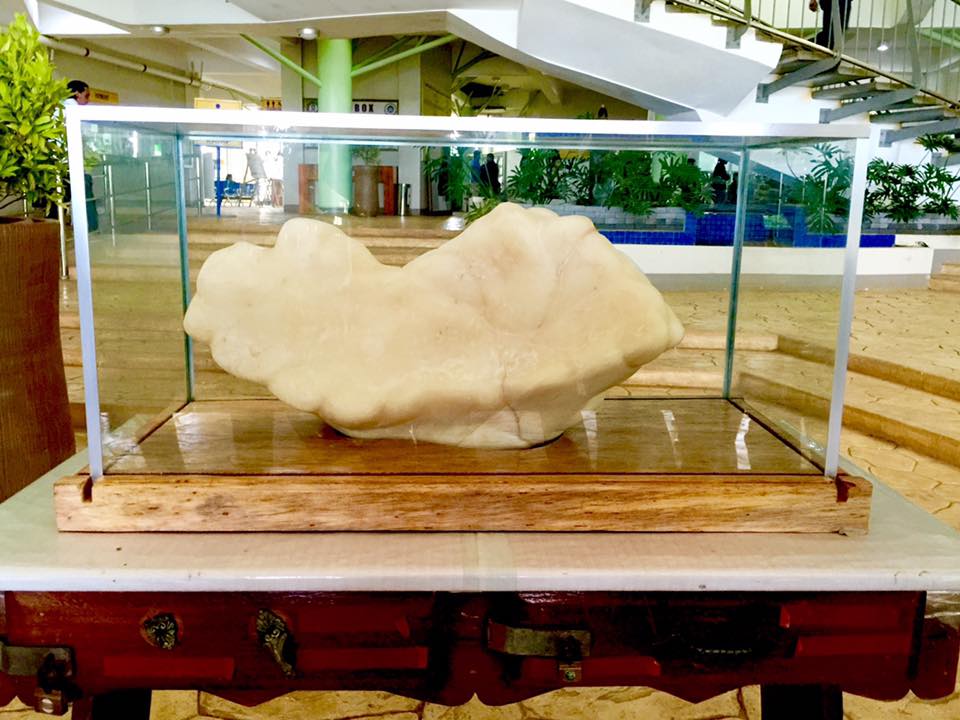
This brings us to the second-biggest pearl ever found. Measuring a whopping 34 kg, 26.37 inches, and 170,000 carats, the Pearl of Puerto was said to have been first discovered in 1996 by a local fisherman when he pulled the anchor of his boat from the seabed and decided to dive in, only to find the pearl.
This Cuyunon fisherman decided to keep it under his bed for the next decade or so because of, well, luck. Its size and provenance would only be publicized much later when a relative of the fisherman, who was part of the Puerto Princesa tourism department, encouraged him to sell the massive pearl to the city. The man would eventually decline.
Drumroll for the estimate, we suppose. As the biggest pearl in the world, its value is said to be around $100 million. The fact that the fisherman would keep it is even more unthinkable.
Giga Pearl
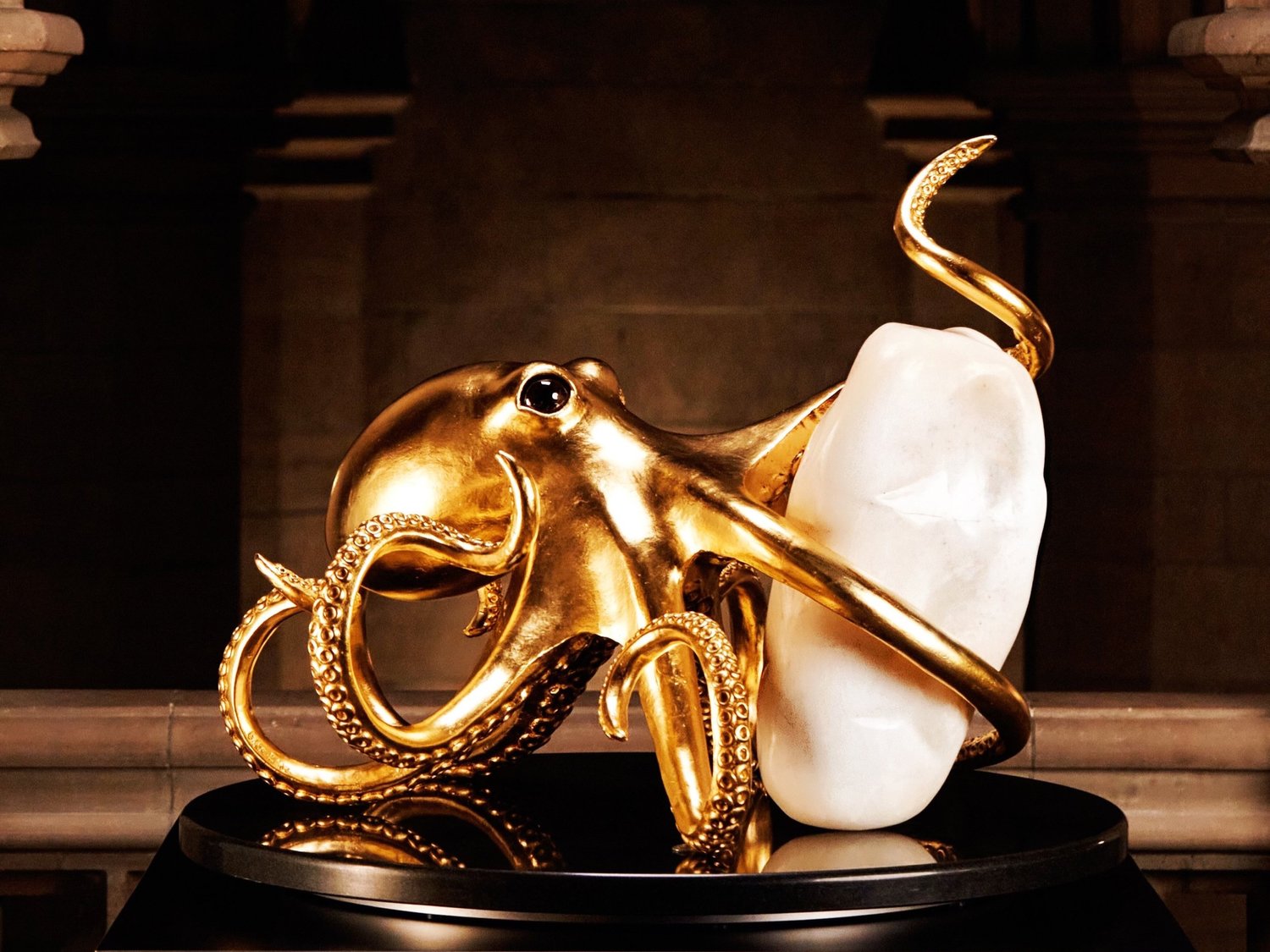
And weighing a massive 27.65 kg, the record-breaking Giga Pearl is the biggest certified non-nacreous pearl in the world. Filipino-Canadian Abraham Reyes brought the said mineral to appraisers, who confirmed it was a pearl. The pearl is a family heirloom that was once thought to be a curio that resembles a giant tooth.
According to Reyes, his grandfather found the pearl when he bought a giant clam from a fisherman in the Philippines in 1959. Since then, the family has kept it as an heirloom, not realizing that it was actually a 1,000-year-old pearl. The Giga Pearl is estimated to be worth somewhere between $60 and $200 million.
READ: Pearl Diving in Palawan
Palawan, being an ecological frontier, enjoys a strong habitat for giant clams. It also has quite the historical claims. Palawan, too, was once part of the ancient trade route Pearl Road where Chinese merchants passed through and traded across the seas. Among their trading partners include the Badjao people, the nomadic sea-faring people who are known for pearl diving.
Since the arrival of Spanish colonizers in the 16th century, the Philippines has had a wealth of pearl beds, mostly concentrated in the Sulu Sea. As a country with a rich history of diving, particularly thanks to the Badjao people, the Philippines has always been a top exporter of pearls. It's been an important golden South Sea pearls source for years, and we've seen divers and local jewelry makers benefit from such pursuits.
Often described as "sea gypsies," Badjaos have made a living out of the waters and fishing grounds. Nowadays, these same divers can be found in different parts of Luzon, Visayas, and Mindanao. Over the decades, they've learned to adapt to land-based communities. Badjao families in Zamboanga, for instance, make accessories like bracelets, necklaces, earrings, and the like out of culture pearls, doing so without any proper training. This is how they generate a modest amount of income to sustain their lifestyle.
There was a time when companies came in and bought pearls from the local divers themselves. Unfortunately, the corporatization of pearl farming threatens their livelihood. In Palawan, the emergence of international companies has slowly pushed Badjao pearl divers out of the pearl farms they once cultivated.
Pearls, in a way, reflect our nationhood as an archipelagic nation caught in the crosshairs of global trade routes and colonial powers. These gems allow us to acknowledge and engage with the natural beauty of our islands, the practices and traditions of our communities, and the abundance of healthy marine ecosystems. On the flip side of this is discovering the environmental concerns and increasing privatization that threatens our resources, and our people.
Hey, Preview readers! Follow us on Facebook, Instagram, YouTube, Tiktok, and Twitter to stay up to speed on all things trendy and creative. We’ll curate the most stylish feed for you!
