
For many of us, makeup often plays a huge role in self-expression. Several individuals credit a huge chunk of their self-discovery to their mom's vanity area that they had tinkered with growing up. Playing with cosmetics as a child seems to be the most natural progression—or, at the very least, for little girls.
For men and male-presenting individuals in particular, there has been a long-standing stigma surrounding makeup. Anyone spotted with a tinge of blush on their cheeks or a swipe of color on their lips would immediately furrow eyebrows. Even when it’s not said out loud, most guys still possess a skewed perception of makeup. It's a “girl thing.” There persists this deeply ingrained idea that putting on makeup strips them of their masculinity, and therefore, should be avoided at all costs. Not one drop of foundation can land on their face, lest they be called a “bading” or “Barbie.”
This is especially true for queer people, who've had to secretly stow away their bullets of lipstick and eyeshadow palettes in some random corner of their bedroom.
So I get it when a masculine-presenting man puts on lipstick and is credited for breaking boundaries, which was what Maybelline Philippines tried to convey with their latest spread featuring Kyle Echarri. The Gen Z actor fronted the brand’s campaign for their Super Stay Vinyl Ink, a glossy lipstick that promises to retain its tint for up to 16 hours. When the endorsement launched on Instagram, numerous netizens took to the comments section to applaud both Kyle and the brand for “breaking gender stereotypes.”
LOOK: Kyle Echarri for Maybelline Philippines

To be fair, there really does exist a longstanding perception that men shouldn’t be wearing makeup, whether they’re straight or gay. I assume that whoever had the idea of getting Kyle for the campaign intended to show how their products can be worn by anyone, regardless of their sexual orientation or gender identity.
To an extent, it’s also admirable for someone as influential as Kyle to endorse a product that isn’t typically associated with straight men. It’s a good thing that someone as popular as he is pushes this inclusive message towards a wider audience. He’s one of the few who has broken away from the stigma that makeup is just for girls.
But is it the first time someone has attempted to break such stereotypes? Of course not. And let's be honest: If an openly queer person is to do so, that would only lead to further isolation.
Why We Need to Normalize Wearing Makeup for All Genders
At the risk of sounding pessimistic, the same positive reception would not have happened if the campaign was fronted by a flamboyant, feminine-presenting queer person. Sure, LGBTQIA+ people have become ambassadors of makeup brands before, and they’ve each enjoyed their 15 minutes in the spotlight. But it’s also true that queer people are not granted the same courtesy in their everyday lives. They put on makeup as a way to express themselves and aren’t always met with adoration or applause. They get thrown jeers, or worse, they're harassed for being who they are.
A straight man headlining a makeup campaign may seem revolutionary in this often arch-conservative world, but we mustn't disregard the fact that his LGBTQIA+ peers are not celebrated—and worse, even crucified—for doing the exact same thing.

Such a circumstance is mirrored through other forms of self-expression. Last 2022, the De La Salle Green Archers, composed primarily of masculine-presenting men, drew the ire of many when they mockingly modeled dresses for a school event. Content creator Deo Cabrera, who was present at the scene, called out the team for the offensive portrayal.
In a TikTok video, they said: “As someone who literally enters campus in dresses, skirts, and crop tops, I felt so uncomfortable. My gender expression was being used as a punchline for a joke. And what was the joke anyway? Was it seeing a man in a dress?”
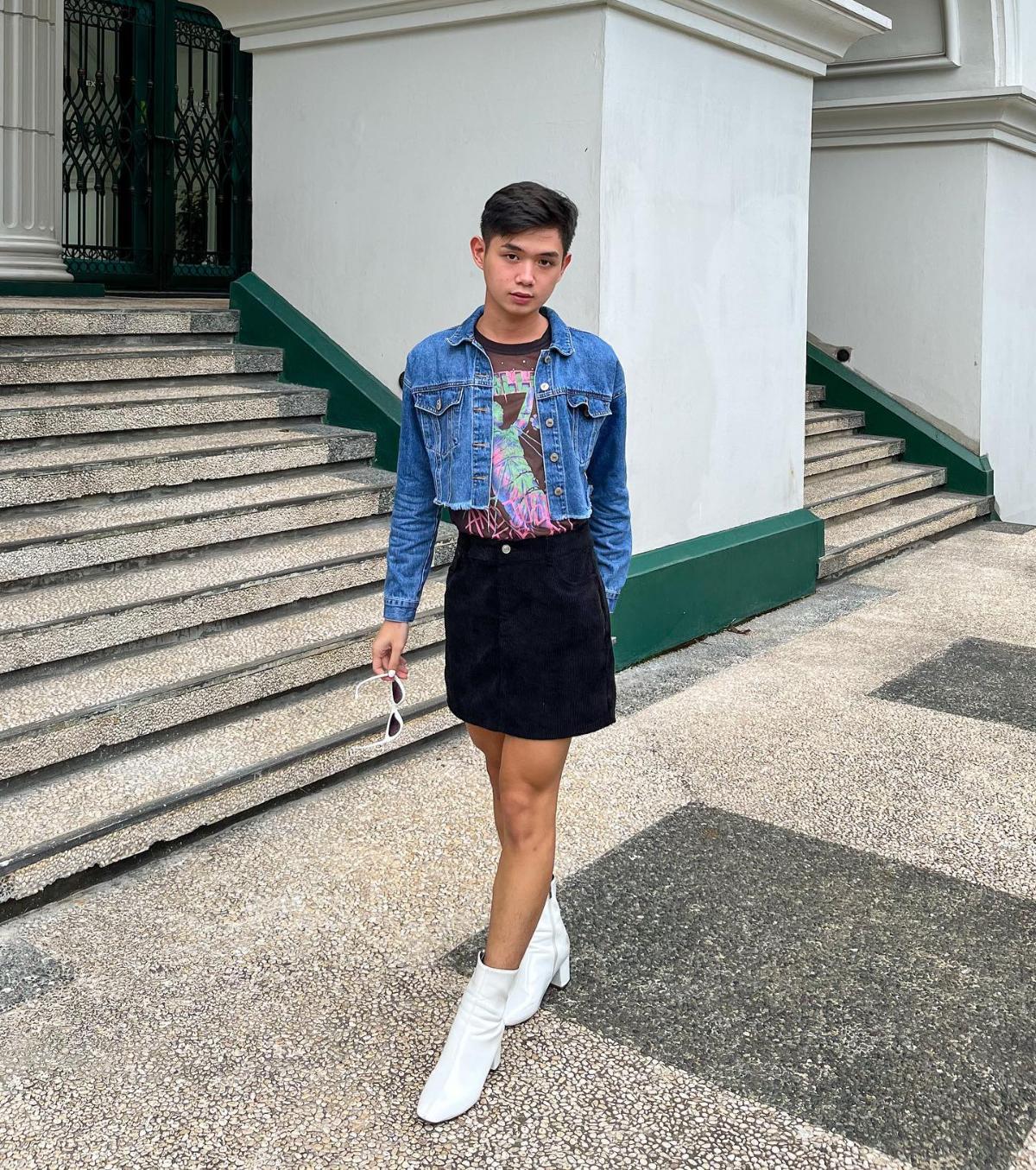
Don't get me wrong: A man can wear whatever they want to. But the point is, queer people like Deo aren’t always given the same treatment when they dress the way they do. In our June 2023 cover story, they reveal that jeers such as “salot,” “kadiri,” and “ang sakit sa mata!” get thrown at them just because of their choice of outfits.
While we embrace the notion that fashion—and by extension, makeup—should be genderless, LGBTQIA+ individuals continue to be withheld opportunities to express themselves through these. Another illustration of this was an incident in 2022 when a trans woman named Louis Marasigan was barred from entering the women’s dressing room in a Zara store.
"Pumasok ako sa fitting room ng babae. May lumapit sa'kin na babae, sabi nya, 'Sir, sa taas po kayo.’ Sabi ko, 'Bakit po?’ Sabi nya na yung fitting room ng mga lalaki nasa taas," Louis narrated in a viral TikTok. Even after she explained to a sales associate that she was, in fact, a woman, she was still halted from entering the ladies’ fitting room.
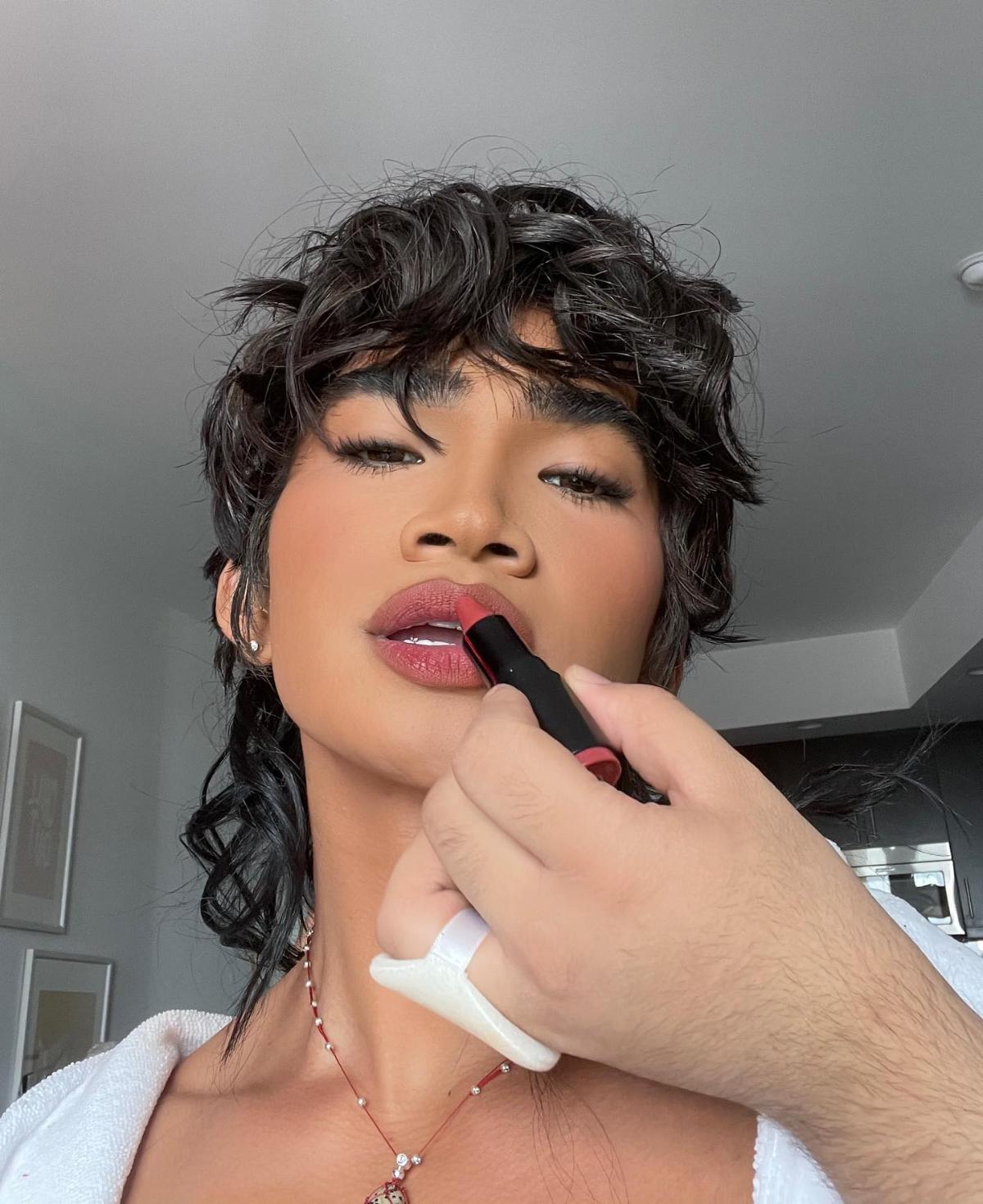
Scenarios like these exacerbate how queer people are still unable to fully express themselves due to societal biases. A straight man could enter the same Zara store and purchase pieces from the women’s section and no one would bat an eye. But when people like Louis just want to try on certain pieces, they’re humiliated and left with no choice but to leave.
These are only preliminary examples of how unfairly queer people are treated for doing the same things straight people do. In the constant battle for true and legal equality, we do need our heterosexual peers to be our allies. They are the majority, so we need them to understand our contexts and to be just as vigilant in upholding our rights.
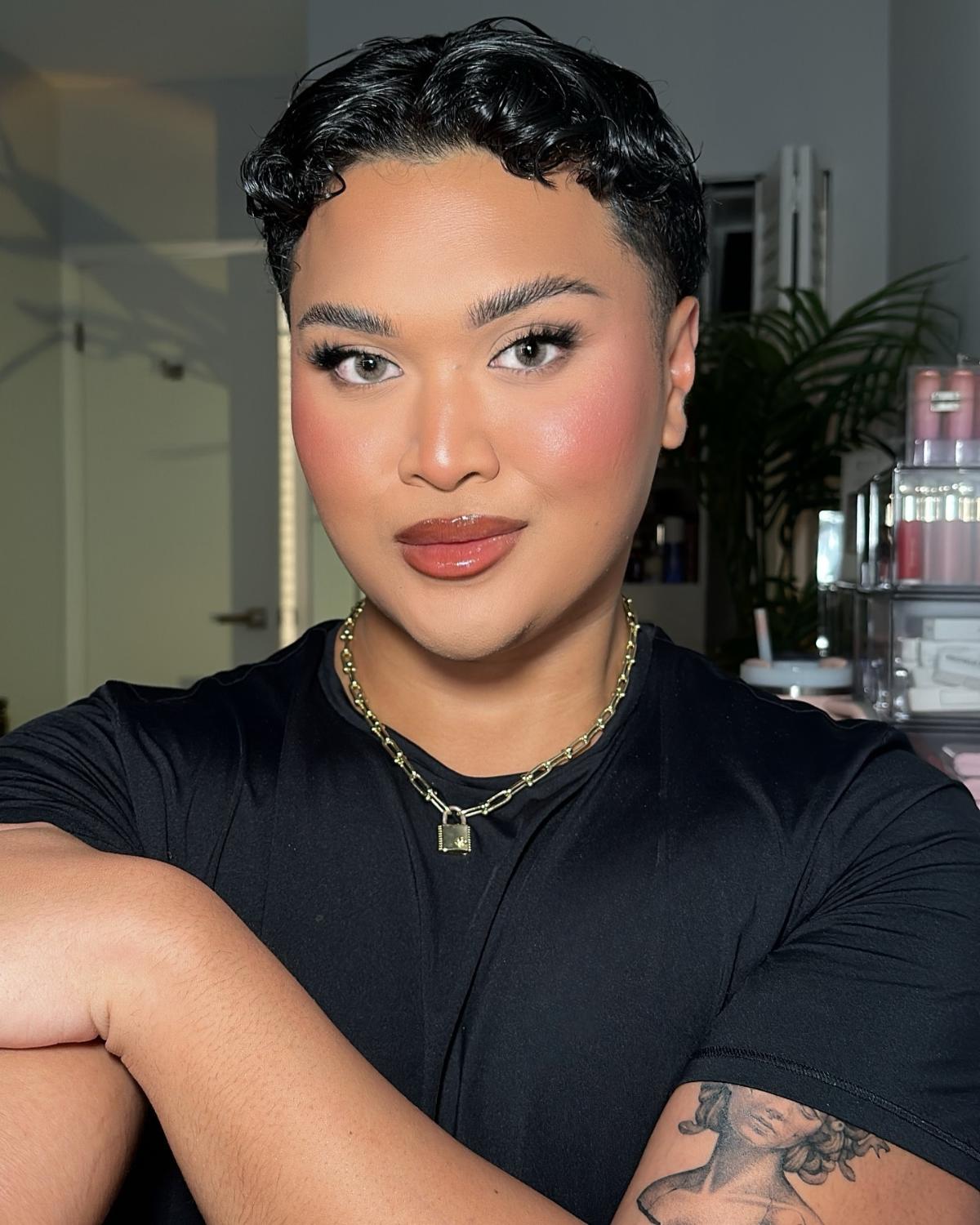
Regardless of sexual orientation and gender identity, we have all the right in the world to put on makeup or to wear dresses. But the fact remains: These are actions the LGBTQIA+ community has historically been disparaged for. If our heterosexual peers are given the freedom to express themselves in those ways without the risk of being hurt or discriminated against, then the same should apply to their queer counterparts. As pure as the intentions might be, putting a straight guy wearing makeup on a pedestal sensationalizes how straight people can do the bare minimum and already be viewed as progressive heroes.
The ideals we uphold should go further than that. When it comes down to it, we can only hope that such acts of solidarity aren’t just lip service.
About the author
Em Enriquez (he/she/they) is a Content Creator at Preview. They studied Communication at the Ateneo de Manila University with a focus on advertising and media studies.
Hey, Preview readers! Follow us on Facebook, Instagram, YouTube, Tiktok, and Twitter to stay up to speed on all things trendy and creative. We’ll curate the most stylish feed for you!
