
Retinoids, retinol, and Retin-A are a few buzzwords that you might encounter when you've gone deep into skincare research. Experts may have also recommended them to include in your routine for their benefits–but what do they really mean? What's more: Do you even really need them?
READ: The Difference Between Retin-A and Retinol and What You Should Use
What are retinoids?
Retinoid is the general term used for a class of compounds derived from Vitamin A. It is the go-to ingredient to reduce visible fine lines and help in acne treatment. They also help unclog pores and ensure proper regeneration of skin cells. There are many types of retinoids available on the market, but the most popular are what we know as retinol and Retin-A.
Retin-A vs. Retinol
Simply put, Retin-A, also known as retinoic acid or tretinoin, is the stronger, more aggressive big sister to retinol. It can treat severe skin conditions diagnosed by dermatologists and thus, requires a prescription. Retinol is less concentrated, and it's more accessible and widely used.
Which of the two is best for you?
Although retinoids can improve fine lines and smoothen skin, it's not the easiest ingredient to work into your skincare routine. When not introduced to your skin properly, it can suffer irritation. This is especially true when using retin-A, a more concentrated dose of retinol. But, the good news is, you can safely reap their benefit. Start using it slowly and increasing its percentage gradually when your skin is a lot more familiar with it.
If you’re only starting your retinoid journey, we highly suggest starting with a low percentage of retinol. Look for retinol products that contain 0.1% or 0.2% of retinol. Once your skin gets used to the initial dose, increase the percentage gradually and observe how your skin reacts. Below, we list down two beginner-friendly retinol products you can incorporate into your routine.

Retinol Daily Micro-Dose Serum 50ml, P4950, KIEHL'S, Lazada
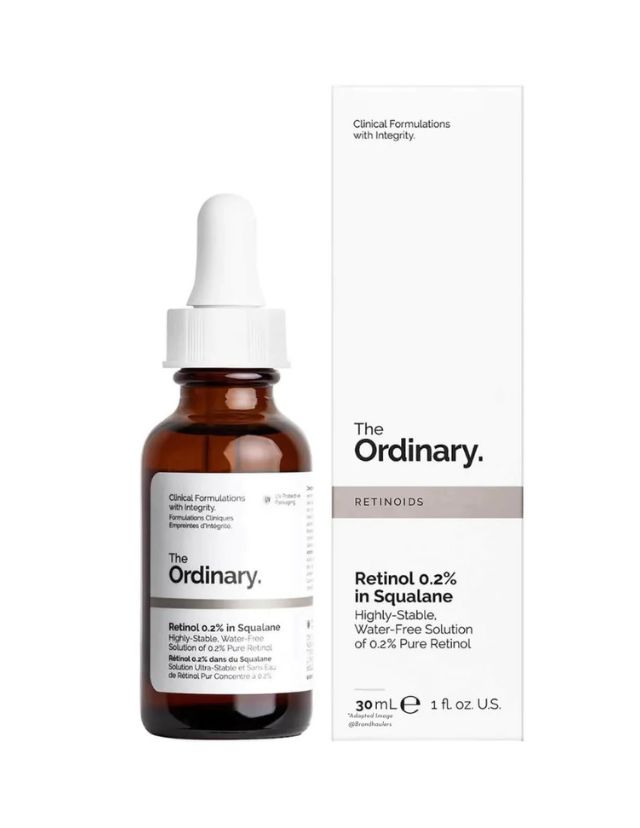
Retinol 0.2% in Squalane, P489, THE ORDINARY, Lazada
If you’re ready to move on to the higher concentration of retinol, then consult with your dermatologist. After all, you'll need prescription to get retin-A!
Hey, Preview readers! Follow us on Facebook, Instagram, YouTube, Tiktok, and Twitter to stay up to speed on all things trendy and creative. We’ll curate the most stylish feed for you!
