More Videos You Can Watch
Decoding the Female Gaze
In a world dominated by the male gaze, the rise of the female gaze is reshaping how we view beauty and fashion.
by Isha Fojas
Published Aug 19, 2024
"This rebellion against a patriarchal standard is not just about changing how women are seen, but about changing how women see themselves."
For the past few weeks, my TikTok algorithm has been feeding me content on the "male gaze versus female gaze." The trend has sparked countless videos and discussions that highlight the stark differences in how women present themselves through beauty and fashion depending on their intended audience. But it got me thinking: What exactly does the female gaze mean anyway?
ANNIKA SY BACS ARCEBAL
ADVERTISEMENT - CONTINUE READING BELOW
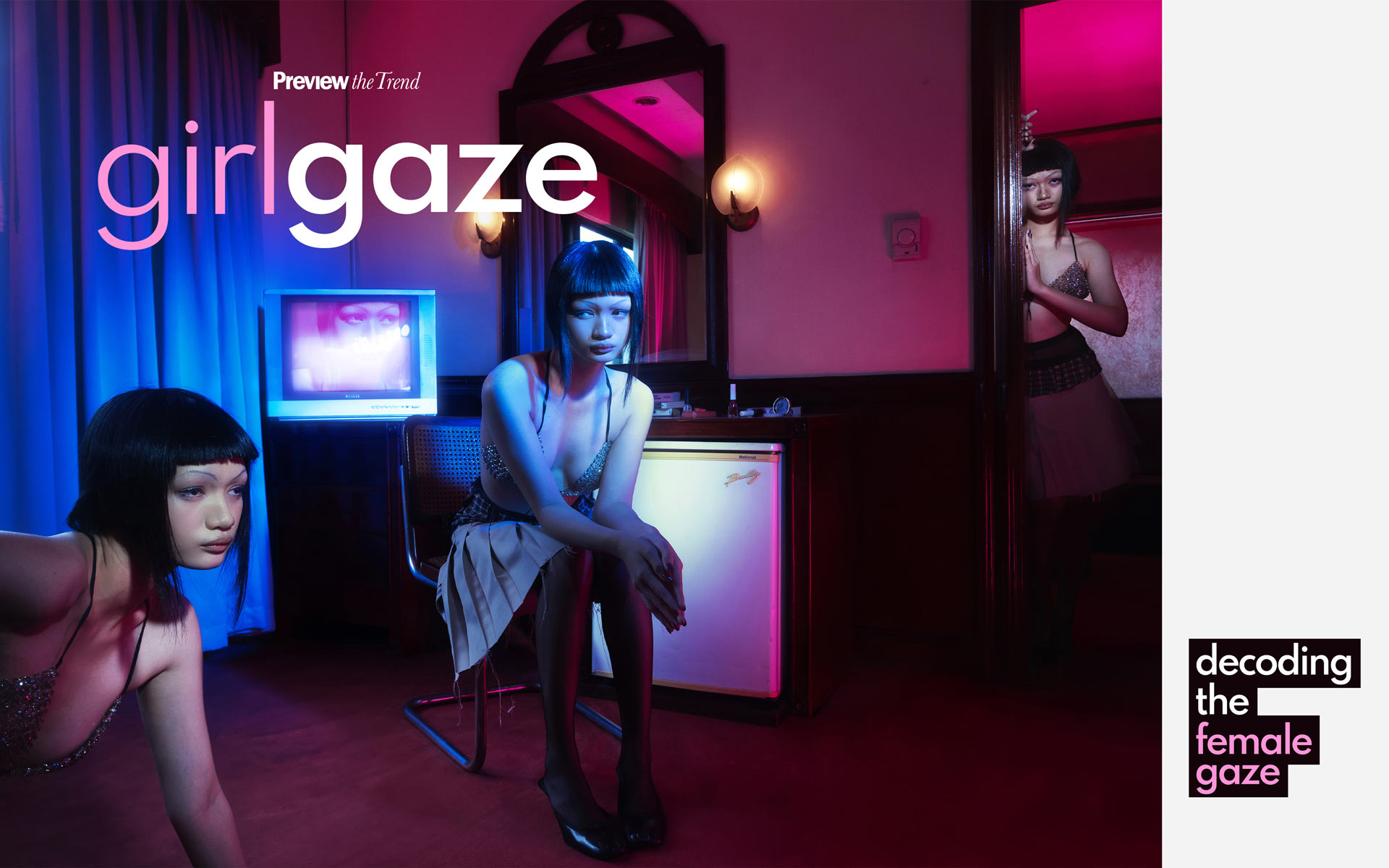
"Girl Gaze" for Preview The Trend August 2024
Produced by Isha Fojas and Paulina Singh. Written by Isha Fojas. Photographed by Annika Sy, assisted by Ian Guevara and Vince Cidro. Creative Direction by Jana Jodloman and Bacs Arcebal. Makeup by Miki Liuson. Hair by Mycke Arcano. Modeled by TOMMI.
We’re all too familiar with the male gaze, having lived under its lens our entire lives. However, discussions about the "female gaze" have only recently entered our mainstream consciousness. But while it's on everyone's minds and tongues, ultimately, whenever we talk about the female gaze, what do we really mean?
The male gaze often perpetuates traditional beauty standards, focusing on sex appeal. In contrast, the female gaze seems to offer something different—something more about individuality, self-expression, and embracing what makes us unique. As we dive into this discussion, it’s worth exploring not just how these gazes differ, but what the female gaze truly represents in a world still so heavily influenced by the male perspective.
CONTINUE READING BELOW
watch now
Defining the Female Gaze
The “male gaze” was coined by film theorist Laura Mulvey in her 1975 essay on cinematography titled Visual Pleasure and Narrative Cinema. Her essay breaks down how mainstream media objectifies women, portraying them through a heterosexual male lens as passive, secondary characters to active male leads. But, as we know, this concept of the male gaze extends beyond film to all forms of media, even trickling into real life, shaping how women are seen and treated—art is propaganda, after all. Women are often framed by the camera and similarly in society in a way that emphasizes their appearance, while men are positioned as the dominant, active figures.

ANNIKA SY
ADVERTISEMENT - CONTINUE READING BELOW
The male gaze doesn’t just dictate how women are portrayed—it also influences how men and women are expected to behave, reinforcing harmful stereotypes about intelligence and power. Recognizing the male gaze is key to understanding how it controls the narrative, reducing women to objects and confining men to narrow roles as aggressors and consumers. Examples of this can be seen everywhere, from female film characters who exist primarily to look attractive or to fulfill a male character’s emotional needs (think: manic pixie dream girl), to advertisements that use women’s bodies to sell products while depicting men as powerful without needing to bare much skin.
Misinterpreting the Female Gaze
We all know what the male gaze is. We are living in it every second, and because of that, the female gaze is often misinterpreted as just the opposite of the male gaze—as if it’s simply about women sexualizing and objectifying men. This kind of role reversal, where women are placed in men’s roles, is a shallow interpretation that the media often pushes.
ADVERTISEMENT - CONTINUE READING BELOW
ANNIKA SY
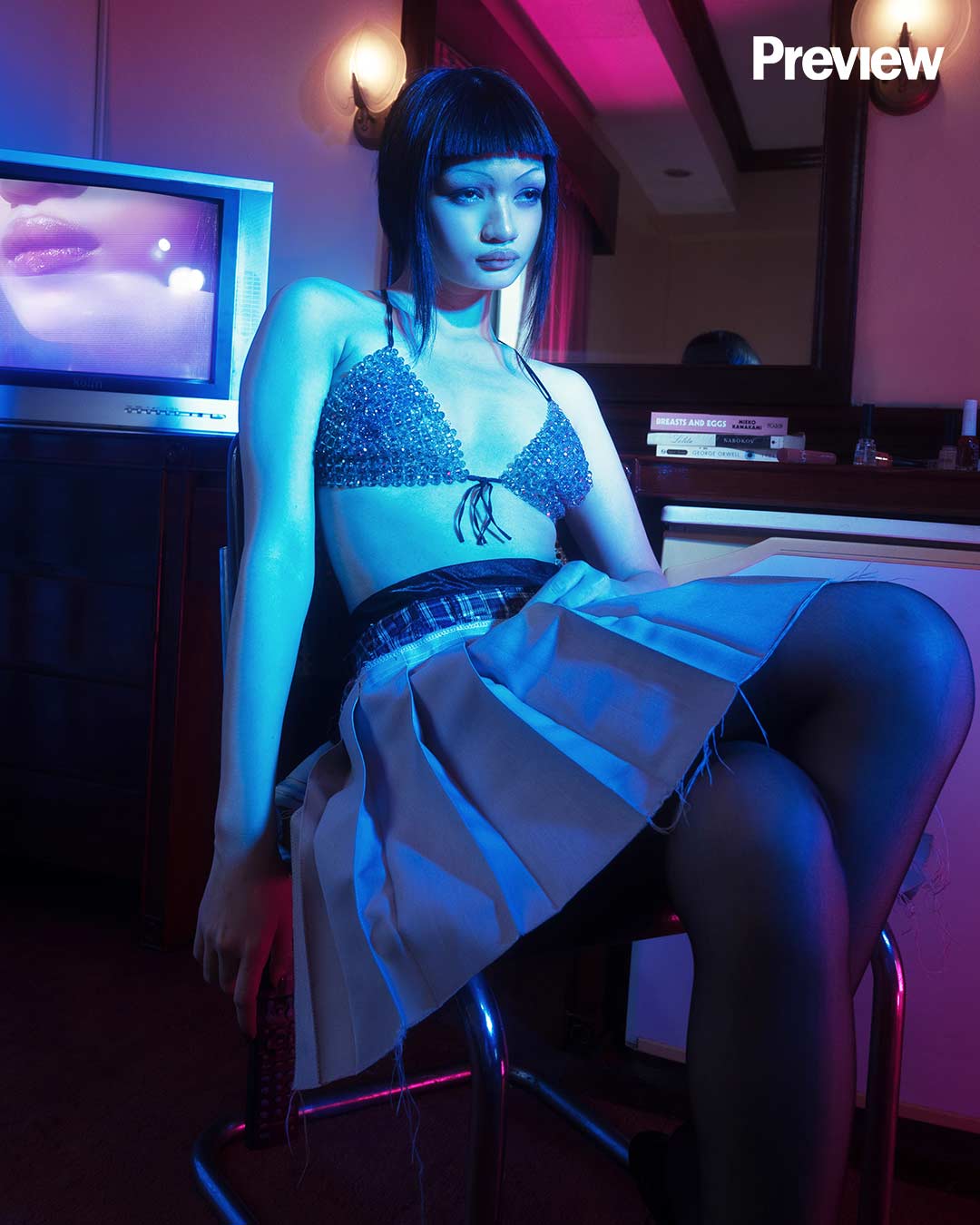
ON TOMMI: Beaded bra, STEPH VERANO, Instagram/stephverano_. Boxer skirt, P14,990, ZIV REI ALEXI, Instargam/zivreialexi.
Take just about any action film directed by men with a female protagonist. They show us strong women fighting in tight (probably uncomfortable) outfits and heels—sure, it might seem empowering, but it’s still very much coded within the cis-male gaze. It’s a version of the female gaze that’s really just the male gaze in disguise. It’s what they believe a “strong, independent woman” should be, with little inclusivity or acknowledgment of the different types of real women.
ADVERTISEMENT - CONTINUE READING BELOW
Understanding Different Perspectives on the Female Gaze
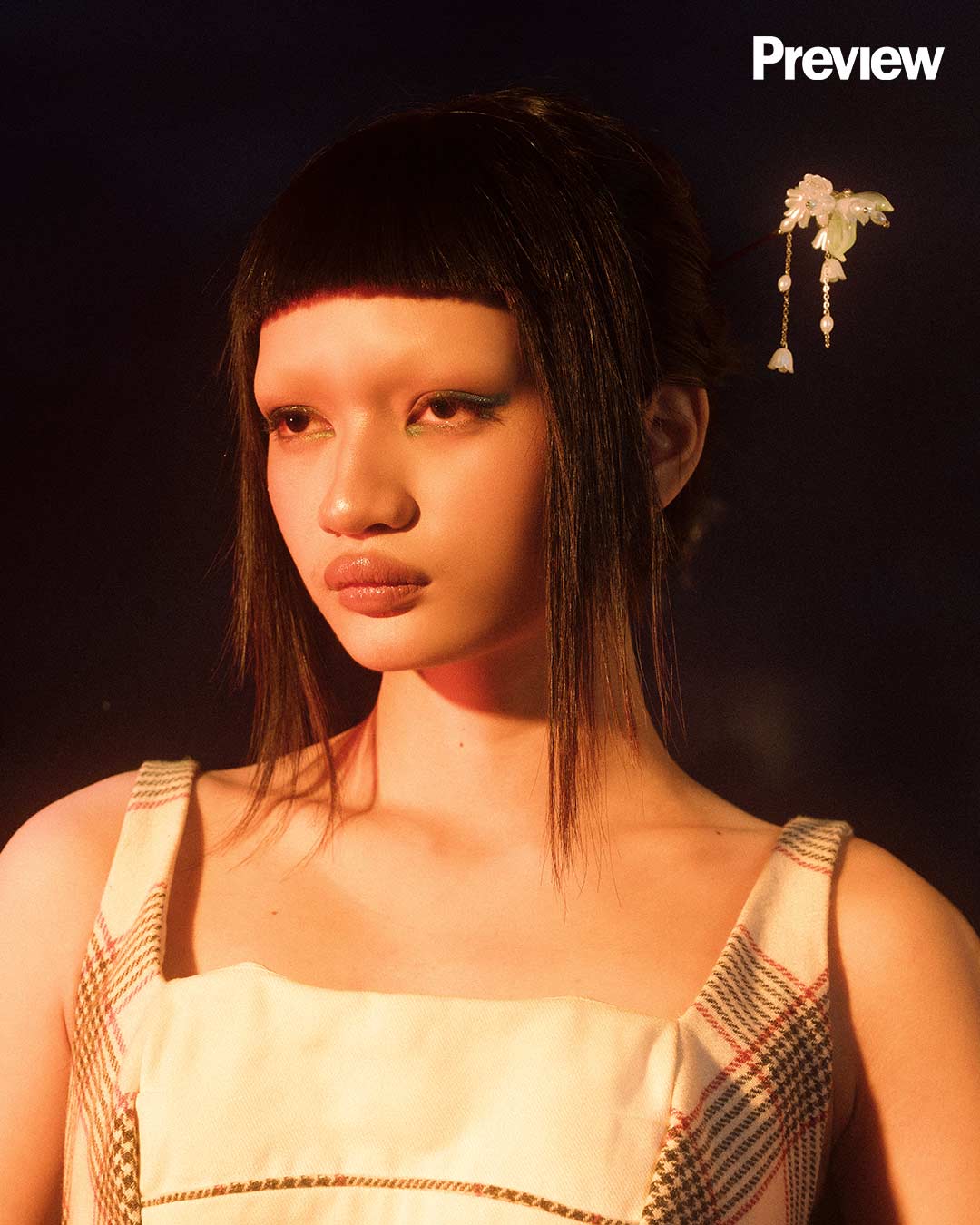
American TV director and writer Joey Soloway, who officially declared the term "female gaze" as hers during her talk at the Toronto International Film Festival defines it in a much more layered way. First, they describe it as “a way of feeling seen, a subjective camera, one that attempts to get inside of the protagonist, particularly, but not always, when the protagonist is not a cis male. It uses the frame to share and evoke a feeling of being in feeling rather than looking at the character.” The male gaze robs us of this feeling by reducing women to objects—to be gawked at and fantasized over.
ANNIKA SY
ADVERTISEMENT - CONTINUE READING BELOW
Soloway also talks about reclaiming the body. The female gaze isn’t just about turning men into sexual objects; it acknowledges that while desire and pleasure are part of the experience, the body is about so much more. It’s about pain, too, and all the emotions that humans go through. As Soloway puts it, the female gaze allows us to use the body “as a tool on the set with the intention of communicating a feeling, seeing” beyond just sex.
The second point Soloway makes is how the female gaze gives us a chance to understand “how it feels to be the object of the gaze.” Many women know this feeling all too well, especially if they grew up surrounded by male peers—whether family or schoolmates.
As someone who studied in a co-ed school and was mainly raised around my dad and brother, I admit that I cared a lot about what my cis-male peers thought of me, and it’s definitely impacted how I am today. I’m hyper-aware of how I’m perceived, especially when it comes to my physical appearance.
ADVERTISEMENT - CONTINUE READING BELOW
ANNIKA SY
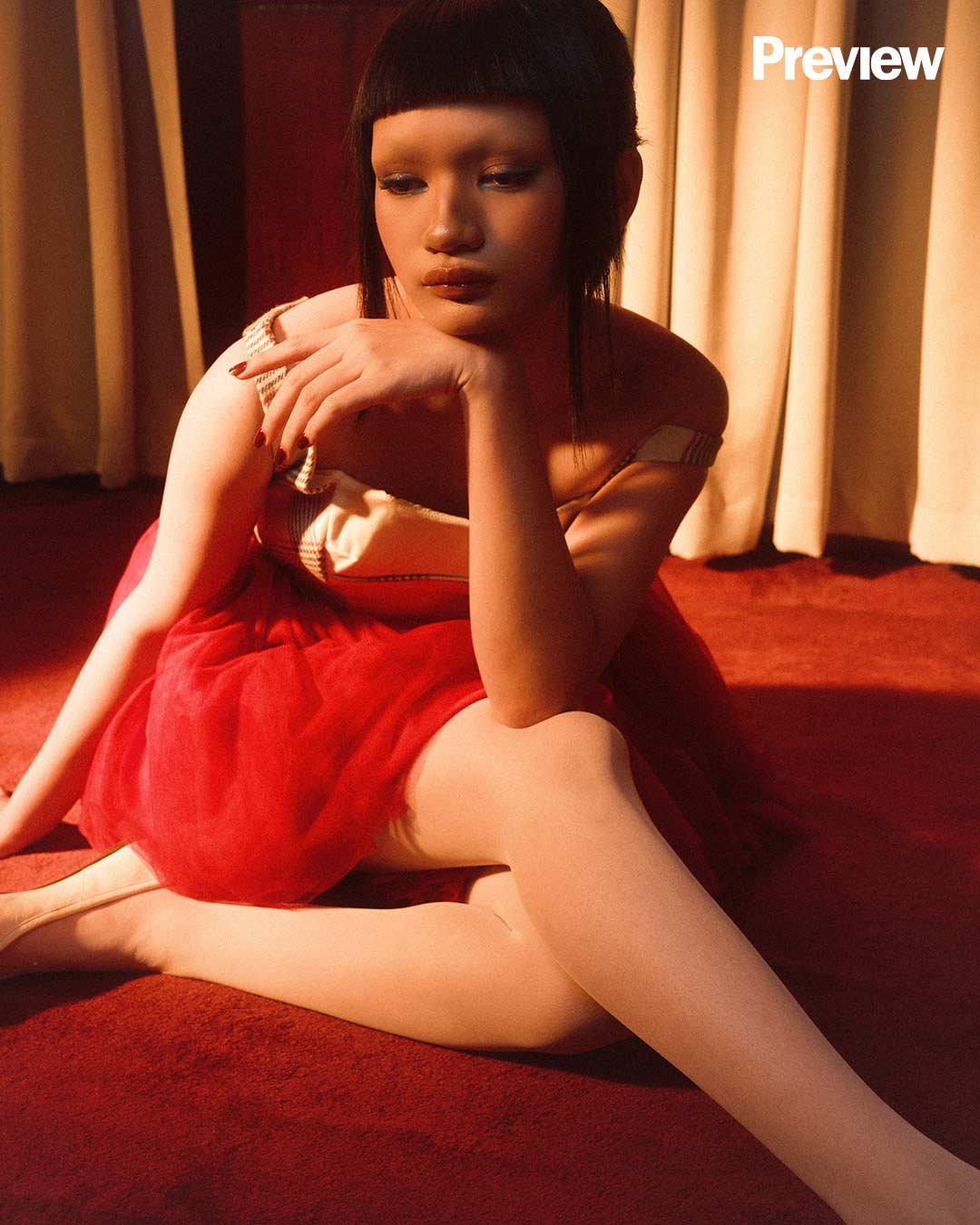
ON TOMMI: Dress, STEPH VERANO, Instagram/stephverano_. Tabi ballet flats - white, $890 (approximately P50,430.96), MAISON MARGIELA, maisonmargiela.com.
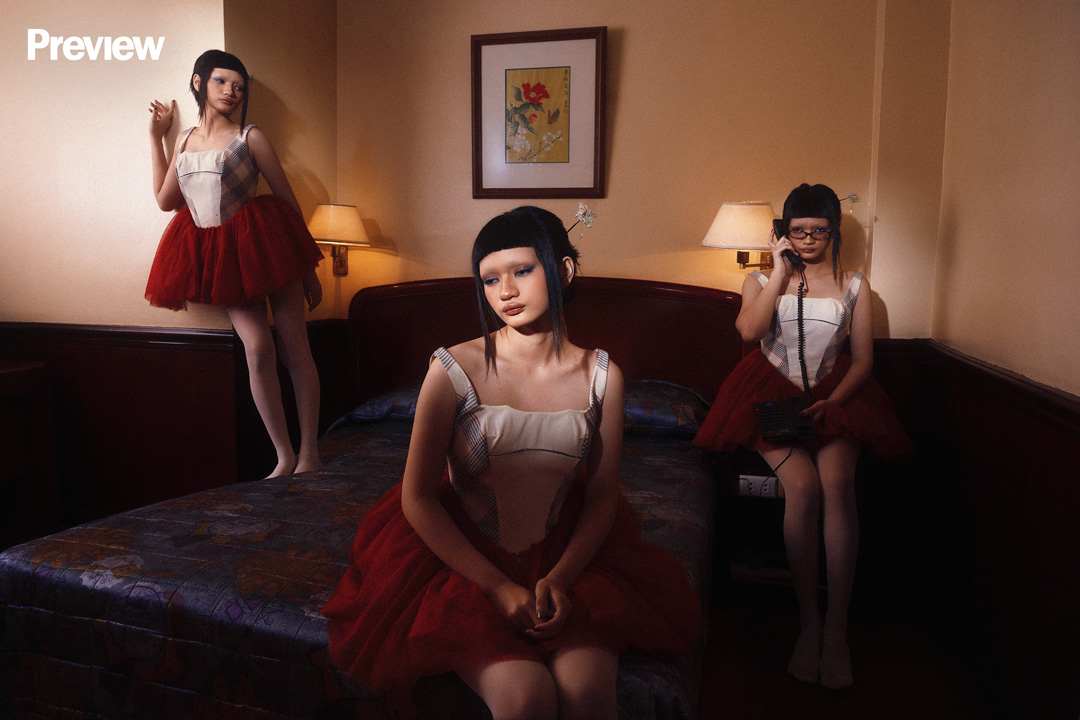
The male gaze is more than just a social observation; it's a pervasive trap that many of us find ourselves caught in, often deliberately. In a patriarchal society, adhering to the expectations of the male gaze can offer a sense of security. When we align ourselves with the ideals and preferences dictated by this gaze, it’s almost as if we gain a form of protection. We become less likely to face overt criticism or hostility because, in the context of male approval, we fit a mold that is deemed acceptable or desirable.
ADVERTISEMENT - CONTINUE READING BELOW
There’s a certain safety in meeting these standards—it's easier to navigate social and professional landscapes when we conform to what is considered attractive or valuable through the male gaze. This can shield us from being dismissed, belittled, or even subjected to more severe forms of mistreatment. It’s a way of fitting in, of avoiding the harsher judgments and dangers that come with stepping outside these boundaries, and who doesn’t want to feel safe?

ANNIKA SY
ADVERTISEMENT - CONTINUE READING BELOW
However, this perceived safety is deceptive. While conforming to the male gaze might offer temporary protection from direct criticism or harm, it often comes at a cost. The constant pressure to meet these expectations can lead to a profound sense of alienation and self-doubt. We may find ourselves compromising our own identities and desires, molding ourselves into what is desired rather than what is authentic. Over time, this self-neglect can result in feelings of humiliation and frustration, as we struggle with the dissonance between our true selves and the image we present to the world. The trap is insidious because it convinces us that conforming is a path to safety and acceptance, while in reality, it often strips us of our individuality and self-worth. It creates a cycle where we seek validation from the male gaze, only to feel diminished and disempowered by the very standards we strive to meet. This constant balancing act—between safety and self-respect—can leave us feeling hollow and conflicted, as we grapple with the tension between external approval and internal authenticity.
ADVERTISEMENT - CONTINUE READING BELOW
ANNIKA SY
In the end, the trap of the male gaze is not just about meeting certain standards of beauty or behavior but about navigating a societal framework that places value on conformity over individuality. The true cost is the erosion of our sense of self, leaving us questioning whether the safety we gain is worth the personal sacrifice we endure.
ADVERTISEMENT - CONTINUE READING BELOW
Returning the Gaze
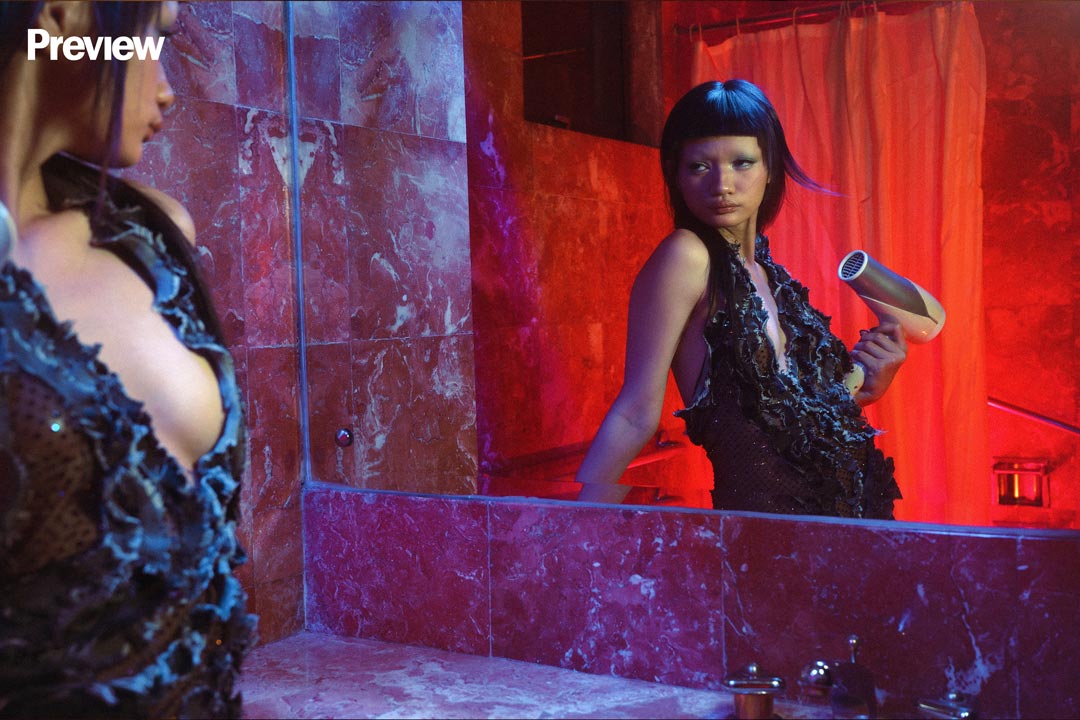
This leads us to Soloway’s third definition of the female gaze: Returning the gaze. When you return the gaze, you’re not just acknowledging that you’re seen and how it feels to be seen—in her words, returning the gaze means saying, “I see you seeing me, and I don’t want to be the object any longer.”
Growing up, you might not realize it, but the gaze is constantly on you, shaping how you act, dress, and present yourself to the world—often without you even knowing it. You might look at yourself in the mirror and think, “This is my body,” but is it really? How much of who you are has been shaped by the male gaze? Have you ever truly felt at home in your own body? When was the last time you felt that you were entirely yours?
ANNIKA SY
ADVERTISEMENT - CONTINUE READING BELOW
The Female Gaze as a Radical Reclaiming of Self
The female gaze is like that snap that wakes you up—it makes you aware that you’re being watched, and it’s time to take back control of your body. It’s transgressive. So when women like Julia Fox, Doja Cat, or Billie Eilish—who are all conventionally beautiful and attractive to the male gaze—deliberately reject that gaze by wearing thin brows, bold black eyeliner, dyed hair, and baggy clothes, they’re labeled as ugly, anti-hot, weird, or freaks. That’s because the female gaze is a threat to a patriarchal society.
ANNIKA SY
ADVERTISEMENT - CONTINUE READING BELOW
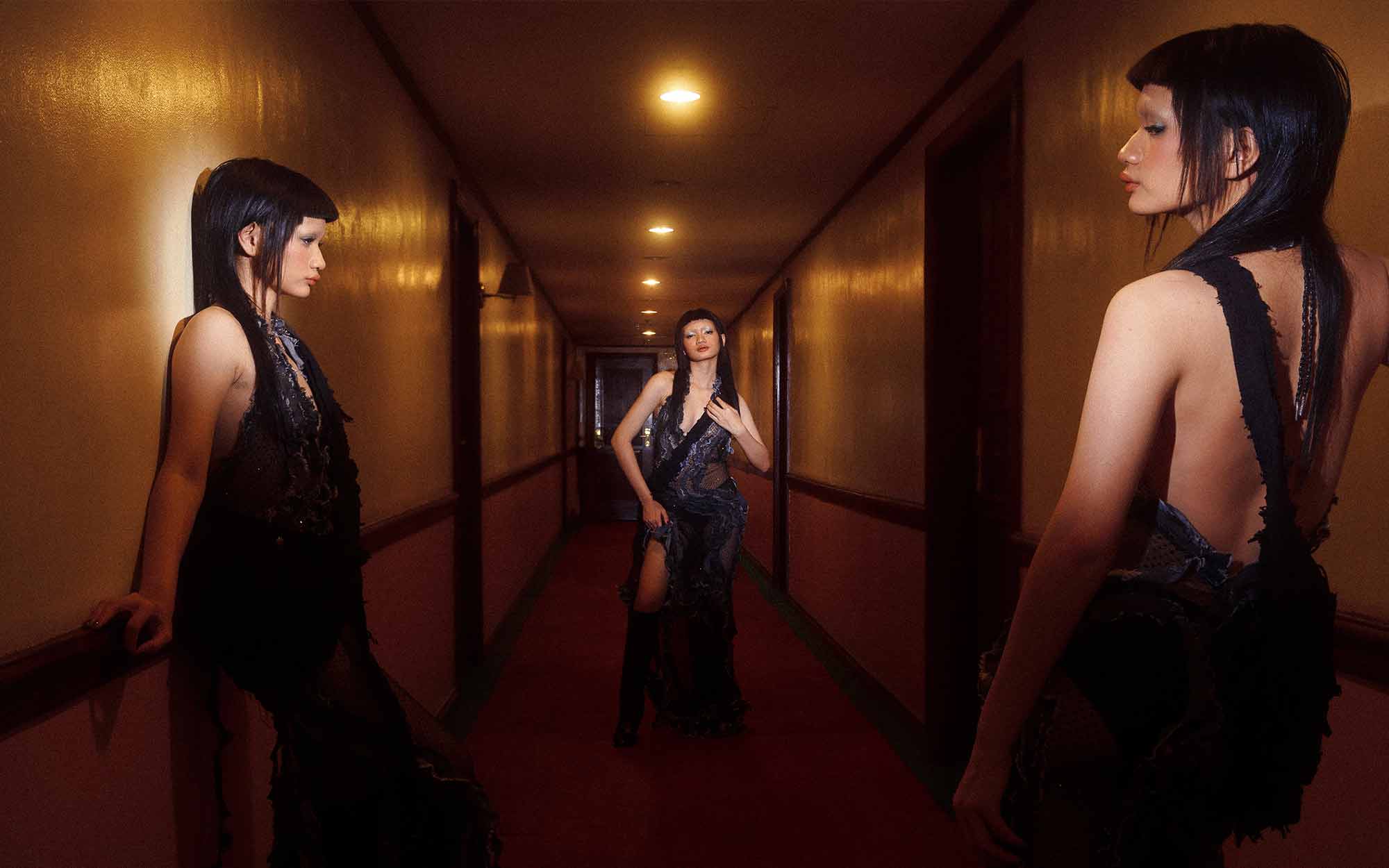
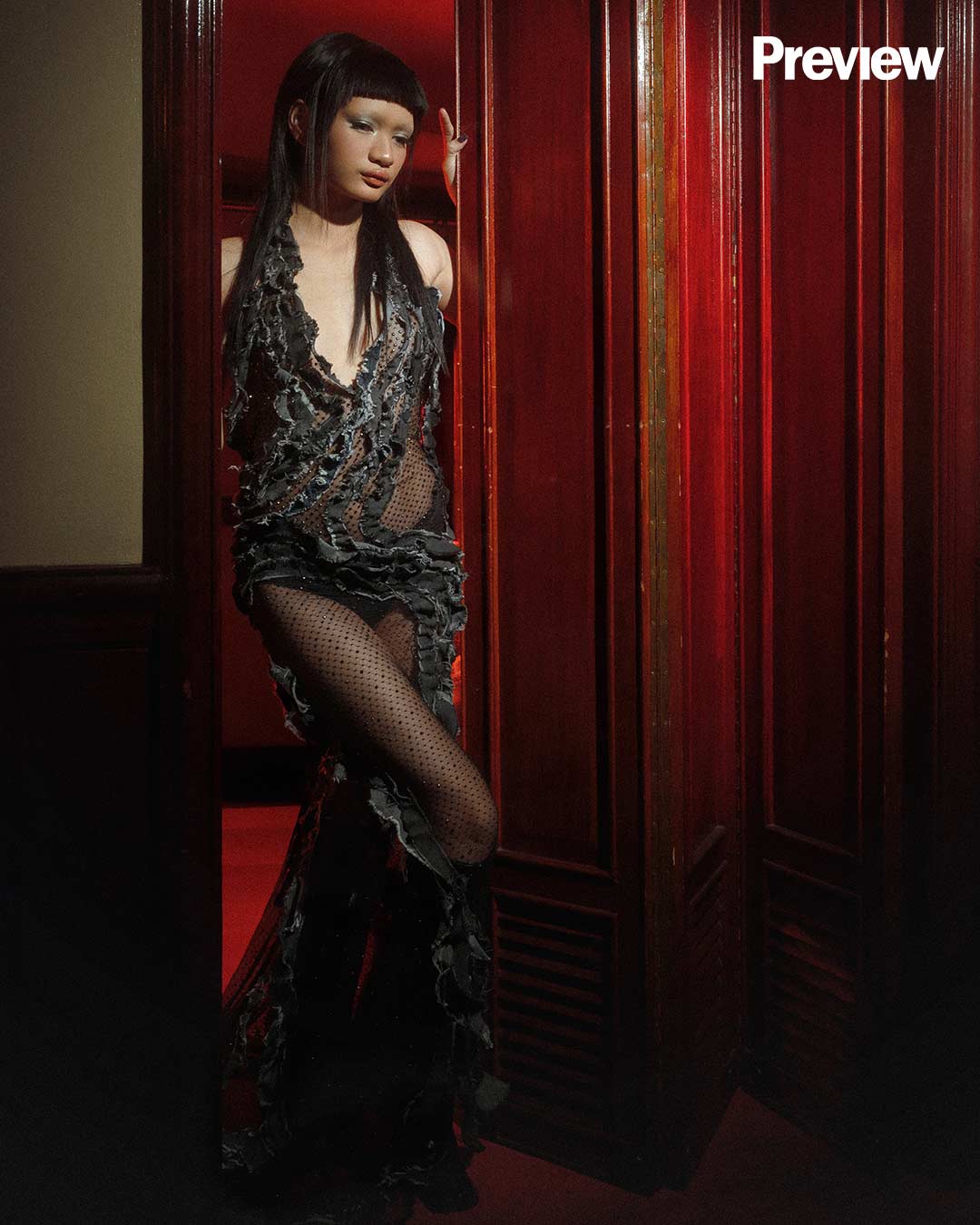
ON TOMMI: Jellyfish dress, P25,000, RAFA WORLDWIDE, Instagram/rafa.worldwide. Black leather high-heeled boots, $1,980 (approximately P112,156.11), FENDI, fendi.com.
When women no longer feel the need to please the male gaze, it challenges traditional norms and threatens the male ego. While the female gaze is a response to centuries of being viewed through a male perspective, it also represents a profound reassertion of personal identity.
ANNIKA SY
ADVERTISEMENT - CONTINUE READING BELOW
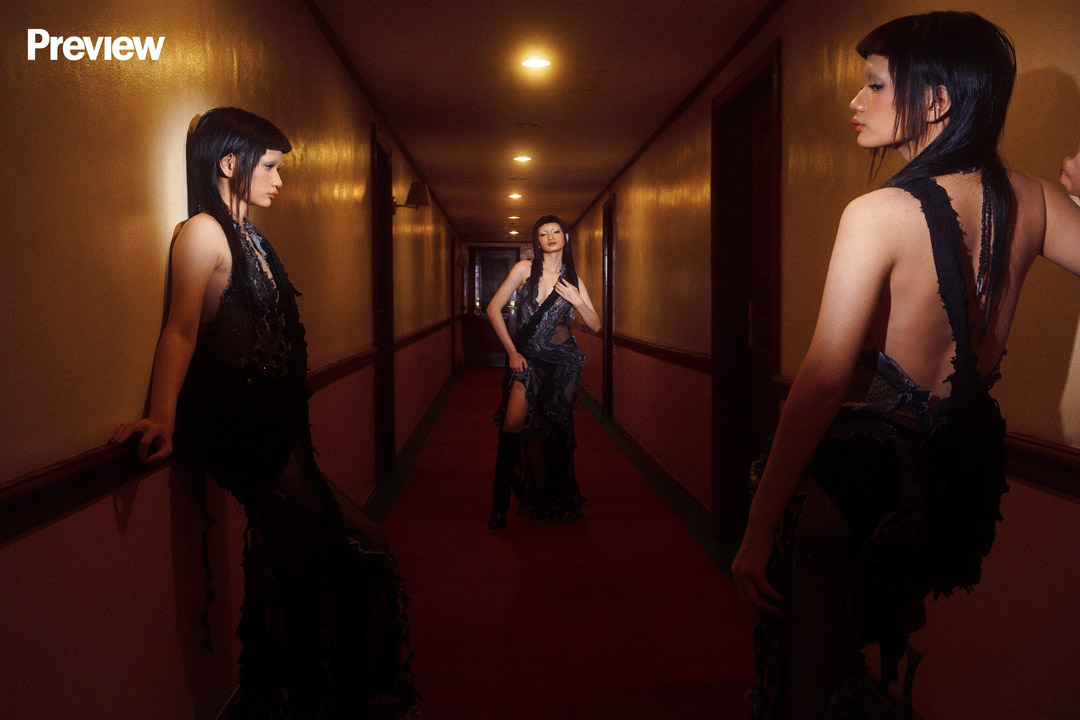
ON TOMMI: Medium Fringe Jacquard Ruched Crossbody Bag in Black, P9,790, CONSTRUCTION LAYERS, constructionlayers.com
In a world still heavily influenced by the male gaze, the female gaze emerges not just as a counter-narrative, but as a radical reclaiming of self. It's a reminder that women are not merely objects to be viewed and judged, but individuals with agency, emotions, and the power to define their own beauty. When women like Julia Fox, who once admitted to capitalizing on the male gaze, allowing herself to be the object, and then suddenly rejects the male gaze in order to embrace their own unique style, they aren't just making a fashion statement—they're asserting their right to exist on their own terms.

ANNIKA SY
ADVERTISEMENT - CONTINUE READING BELOW
This rebellion against a patriarchal standard is not just about changing how women are seen, but about changing how women see themselves. The female gaze is, at its core, a revolutionary act of self-love and self-definition. And in a society that has long dictated what it means to be a woman, there is nothing more powerful—or more transgressive—than that.
Hey, Preview readers! Follow us on Facebook, Instagram, YouTube, Tiktok, and Twitter to stay up to speed on all things trendy and creative. We’ll curate the most stylish feed for you!