
Chemical exfoliation often intimidates skincare newbies, partly because it involves using "acid" on your face. But FYI, these are good acids—not the kind that'll burn your skin off (unless you use something too strong and not recommended by your derm). In fact, exfoliating acids are one of the best things you can add to your skincare routine. Unlike scrubs, they don't only get rid of dead skin cells; they do so much more, including unclogging your pores, helping fade scars, and even reducing signs of aging. The only challenging part is figuring out which one is perfect for you and your skin concerns. To help you out, here are seven commonly used chemical exfoliants and their corresponding benefits.
1. Salicylic Acid
Best for: Clogged pores, large pores, oily and acne-prone skin
Salicylic acid is a beta-hydroxy acid (BHA) that can penetrate deep into your pores to remove impurities, so it's best used for keeping your pores clean and preventing breakouts. It's oil-soluble, too, which means it can break down even oil-based irritants that regular face washes can't. Salicylic acid also has natural antibacterial and anti-inflammatory properties that help fight skin irritation.
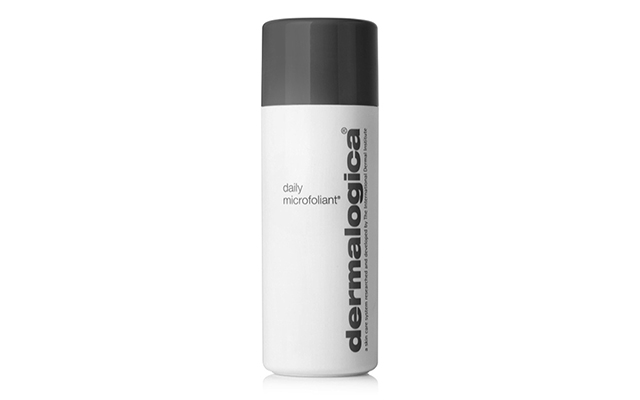
DERMALOGICA Daily Microfoliant, P2050, Rustan's
2. Glycolic Acid
Best for: Textured skin, acne scars, anti-aging
Unlike salicylic acid, glycolic acid is a water-soluble alpha-hydroxy acid (AHA) that exfoliates the top layer of the skin to reveal a fresh one. Exfoliating with it reaps benefits like a brighter and more even-toned complexion, smaller-looking pores, and diminished signs of aging.
Most glycolic acid products tend to be quite strong, so always mind the percentage (5-10% is a safe concentration to start). Since it basically removes a layer of skin, frequent exfoliation with this AHA can make skin more sensitive to the sun damage, so you have to be consistent with using sun protection.
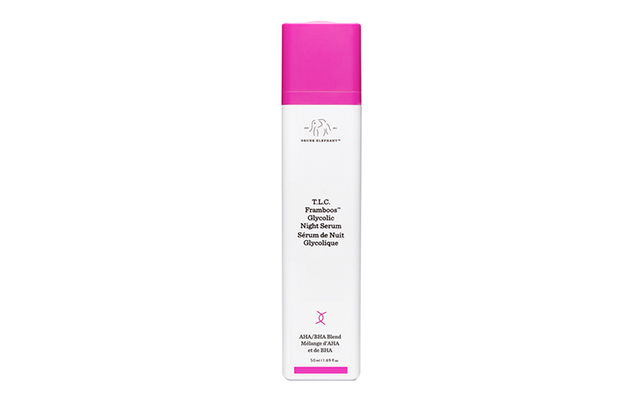
DRUNK ELEPHANT T.L.C. Framboos™ Glycolic Night Serum, P5305, Sephora.ph
3. Retinoic Acid
Best for: Anti-aging, textured skin/scarring, sun damage, fine lines
Retinoic acid is like a fast forward button for your skin's renewal process. It helps encourage faster cell turnover, which the reason why it's common in many anti-aging products. That said, it also works for treating acne and improving the texture and tone of your skin in general, no matter your age. While it's not usually the term on label, you might be familiar with vitamin A derivatives like retinol and tretinoin, which are converted to retinoic acid to achieve the benefits above.
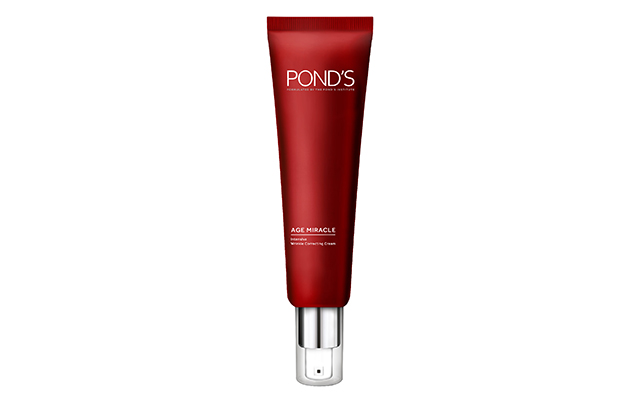
POND'S Age Miracle Intensive Wrinkle Correcting Cream, P999, Lazada
4. Ascorbic Acid
Best for: Uneven/dull skin tone, anti-aging, sun-damaged skin
Ascorbic acid is the most popular form of vitamin C in skincare, and it's loaded with antioxidant properties that protects your complexion from environmental stress caused by pollution and UV rays. It's named by many scientific studies as effective in brightening and evening out one's skin tone and improving firmness. (For a guide on how to incorporate it into your routine, click here.)
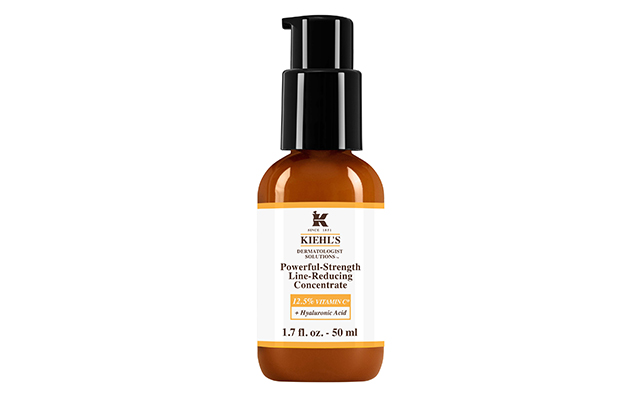
KIEHL'S Powerful-Strength Line-Reducing Concentrate, P3675, Greenbelt 5
5. Lactic Acid
Best for: Sensitive skin, textured skin, pigmentation
Think of lactic acid as glycolic acid's more introverted sister. It works similarly in a way that it exfoliates the topmost layer of the skin and helps smooth out your skin texture, but it's considered a gentler alternative (in moderate percentages) that fits all skin types—especially sensitive skin. A skin specialist tells Bazaar that lactic acid also helps stimulate collagen synthesis and improve the appearance of wrinkles and hyperpigmentation, so basically it smooths, brightens, and renews your skin the more you use it!
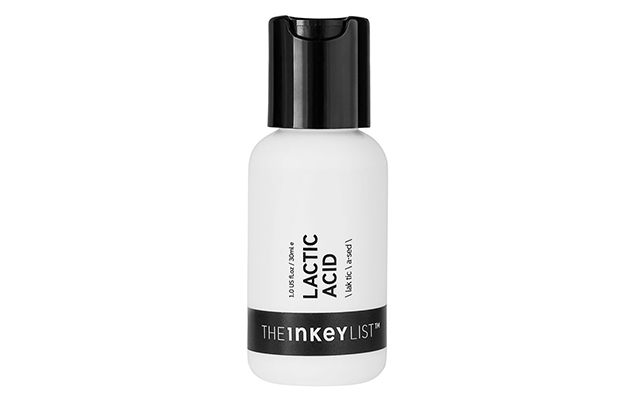
INKEY LIST Lactic Acid, P725, Beauty Bar
6. Azelaic Acid
Best for: Redness, acne, pigmentation, rosacea
Azelaic acid is neither a BHA or AHA, but a naturally occurring substance called dicarboxylic acid that's found in grains and produced naturally by a yeast that lives on our skin. "Azelaic acid has anti-inflammatory effects on the skin (reducing redness and swelling in acne-prone skin) in addition to reducing the production of keratin—a protein which can block pores and lead to acne," dermatologist Dr. Anjali Mahto tells Refinery29. Hence, this ingredient is often prescribed for those suffering from rosacea and acne. The doctor also notes that azelaic acid can even out pigmentation and help fade leftover acne marks.
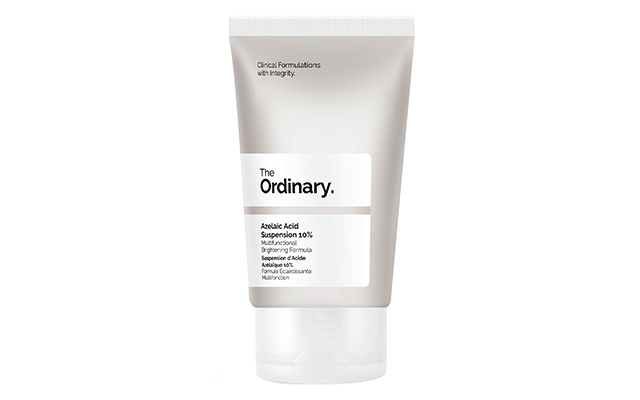
THE ORDINARY Azelaic Acid Suspension 10%, P800, Calyxta
7. Mandelic Acid
Best for: Acne, rough/textured skin, sensitive skin
The particles of mandelic acid is twice the size of glycolic acid, which means it penetrates the skin slower. However, this means that it's much gentler compared to its fellow AHA, but when used in high strengths, it exfoliates effectively and is a great antibacterial. Since it doesn't have strong brightening properties, it's perfect for those who want smoother skin without a dramatic change in tone.
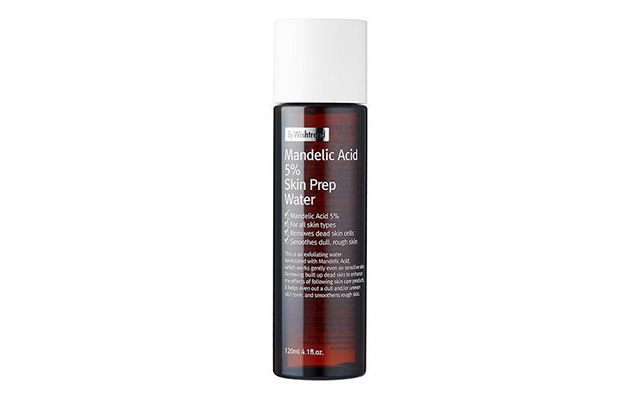
BY WISHTREND Mandelic Acid 5% Skin Prep Water, P1250, Go Bloom and Glow
Hey, Preview readers! Follow us on Facebook, Instagram, YouTube, Tiktok, and Twitter to stay up to speed on all things trendy and creative. We’ll curate the most stylish feed for you!
